Michael Pifer – författare
Visar alla böcker från författaren Michael Pifer. Handla med fri frakt och snabb leverans.
3 produkter
3 produkter
Häftad, Engelska, 2019
1 237 kr
Skickas inom 5-8 vardagar
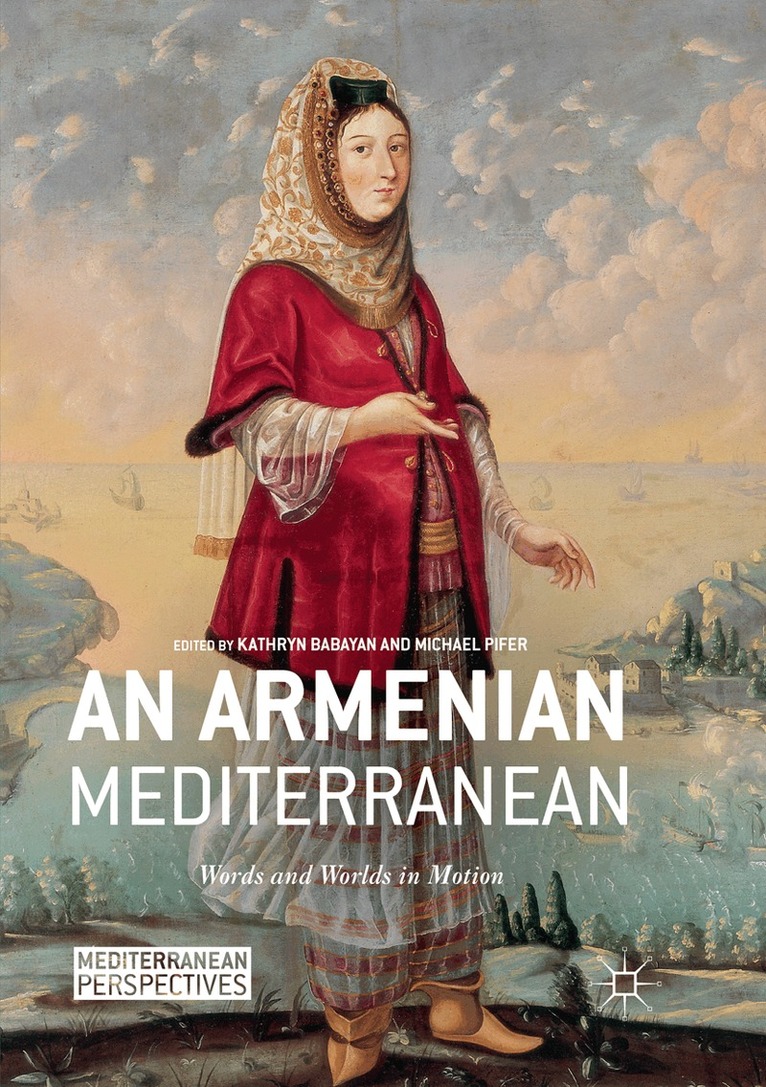
This book rethinks the Armenian people as significant actors in the context of Mediterranean and global history. Spanning a millennium of cross-cultural interaction and exchange across the Mediterranean world, essays move between connected histories, frontier studies, comparative literature, and discussions of trauma, memory, diaspora, and visual culture. Contributors dismantle narrow, national ways of understanding Armenian literature; propose new frameworks for mapping the post-Ottoman Mediterranean world; and navigate the challenges of writing national history in a globalized age. A century after the Armenian genocide, this book reimagines the borders of the “Armenian,” pointing to a fresh vision for the field of Armenian studies that is omnivorously comparative, deeply interconnected, and rich with possibility.
Inbunden, Engelska, 2018
1 448 kr
Skickas inom 10-15 vardagar
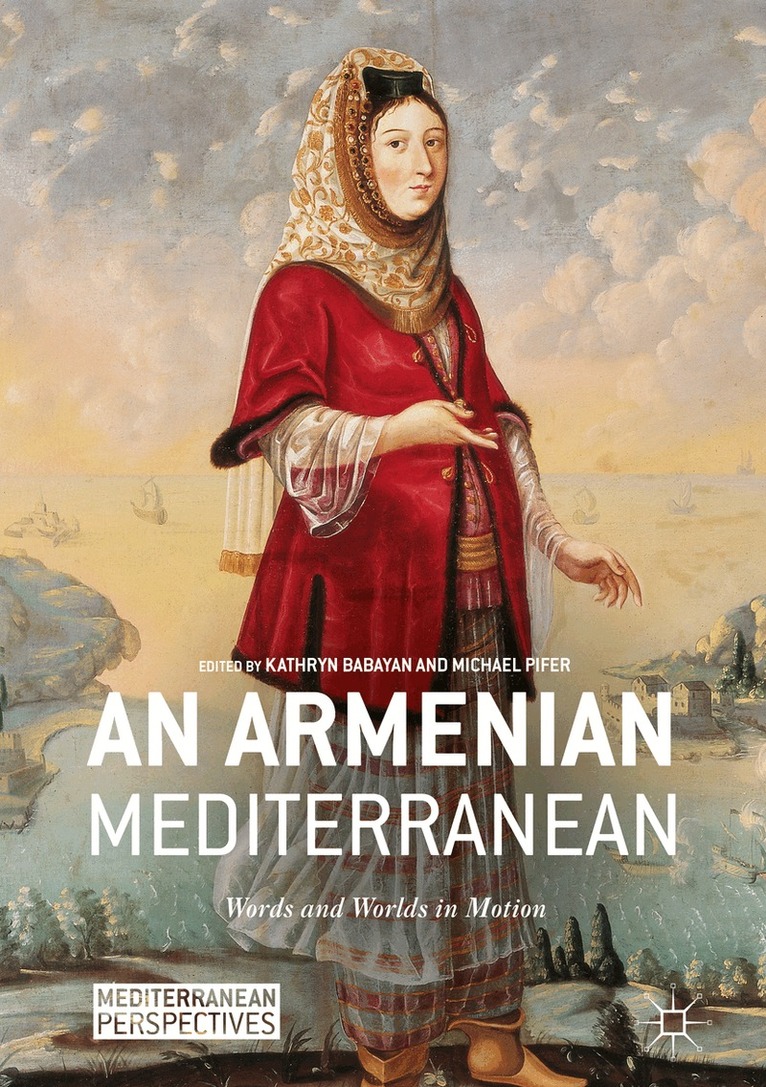
This book rethinks the Armenian people as significant actors in the context of Mediterranean and global history. Spanning a millennium of cross-cultural interaction and exchange across the Mediterranean world, essays move between connected histories, frontier studies, comparative literature, and discussions of trauma, memory, diaspora, and visual culture. Contributors dismantle narrow, national ways of understanding Armenian literature; propose new frameworks for mapping the post-Ottoman Mediterranean world; and navigate the challenges of writing national history in a globalized age. A century after the Armenian genocide, this book reimagines the borders of the “Armenian,” pointing to a fresh vision for the field of Armenian studies that is omnivorously comparative, deeply interconnected, and rich with possibility.
E-bok
Engelska, 20181 785 kr
Läs direkt efter köp
This book rethinks the Armenian people as significant actors in the context of Mediterranean and global history. Spanning a millennium of cross-cultural interaction and exchange across the Mediterranean world, essays move between connected histories, frontier studies, comparative literature, and discussions of trauma, memory, diaspora, and visual culture. Contributors dismantle narrow, national ways of understanding Armenian literature; propose new frameworks for mapping the post-Ottoman Mediterranean world; and navigate the challenges of writing national history in a globalized age. A century after the Armenian genocide, this book reimagines the borders of the “Armenian,” pointing to a fresh vision for the field of Armenian studies that is omnivorously comparative, deeply interconnected, and rich with possibility.