Kathryn Babayan – författare
Visar alla böcker från författaren Kathryn Babayan. Handla med fri frakt och snabb leverans.
9 produkter
9 produkter
Del 39 - Harvard Middle Eastern Monographs
Islamicate Sexualities
Translations across Temporal Geographies of Desire
Häftad, Engelska, 2008
168 kr
Skickas inom 5-8 vardagar
E-bok
PDF, Engelska, 2004514 kr
Läs direkt efter köp
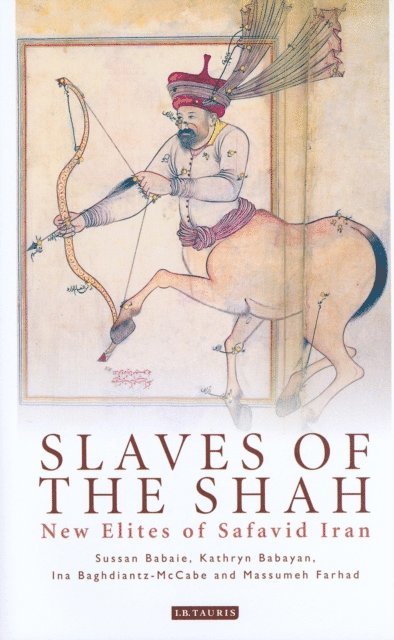
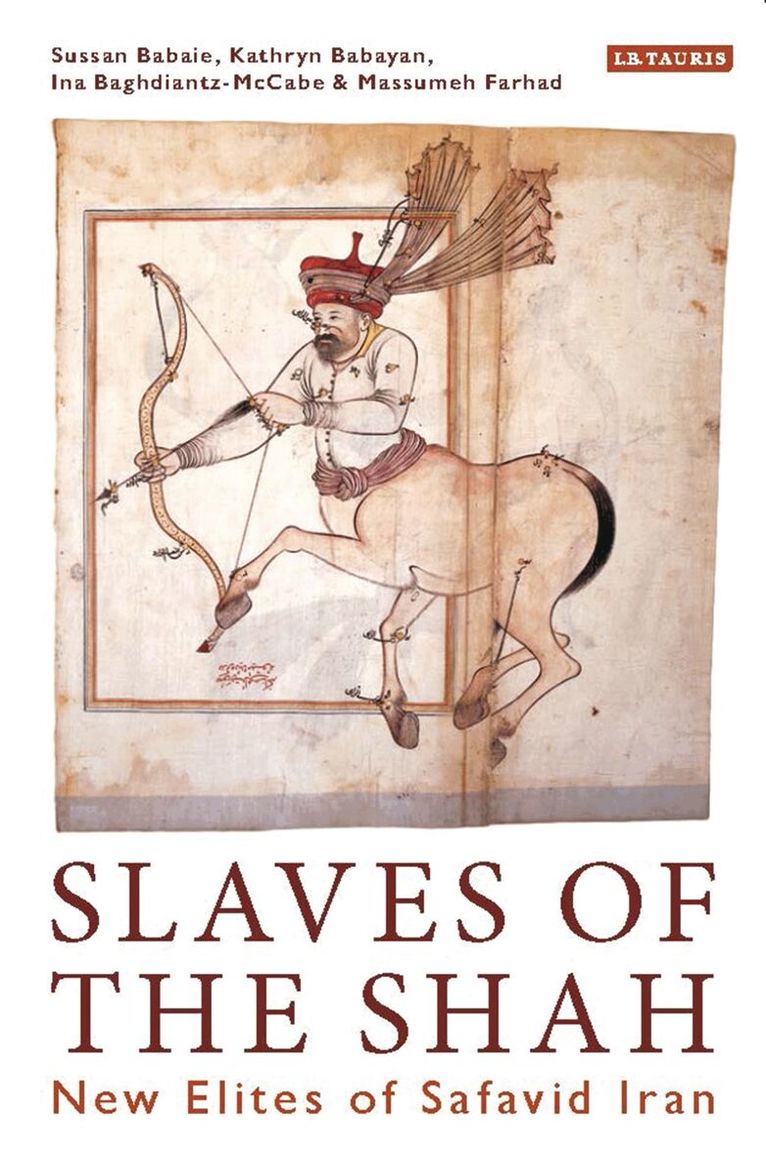
The Savafid dynasty represented, in political, cultural and economic terms the pinnacle of Iran's power and influence in its early modern history. The evidence for this -the creation of a nation state, military expansion and success, economic dynamism and the exquisite art and architecture of the period - is well-known. What is less understood is the extent to which the Safavid success depended on - and was a product of - a class of elite originating from outside Iran: the slaves of Caucasian descent and the Armenian merchants of New Julfa in the city of Isfahan. It was these groups, bolstered by Shah Abbas the Great (1589 – 1629) and his successors, who became the pillars of Safavid political, economic and cultural life. This book describes how these elites, following their conversion to Islam, helped to form a new language of Savafid absolutism. It documents their contributions, financed by the Armenian trade in Safavid silk, to the transformation of Isfahan's urban, artistic and social landscape. The insights provided here into the multi-faceted roles of the Safavid royal household offer an original and comprehensive study of slave elites in imperial systems common to the political economies of the Malmuk, Ottoman and Safavid courts as well as contributing to the earlier Abbasid, Ghaznavid and Saljuq eras. As such this book makes an original and important contribution to our understanding of the history of the Islamic world from the 16th to the 18th centuries and will prove invaluable for students and scholars of the period.
Inbunden, Engelska, 2021
1 361 kr
Skickas inom 5-8 vardagar
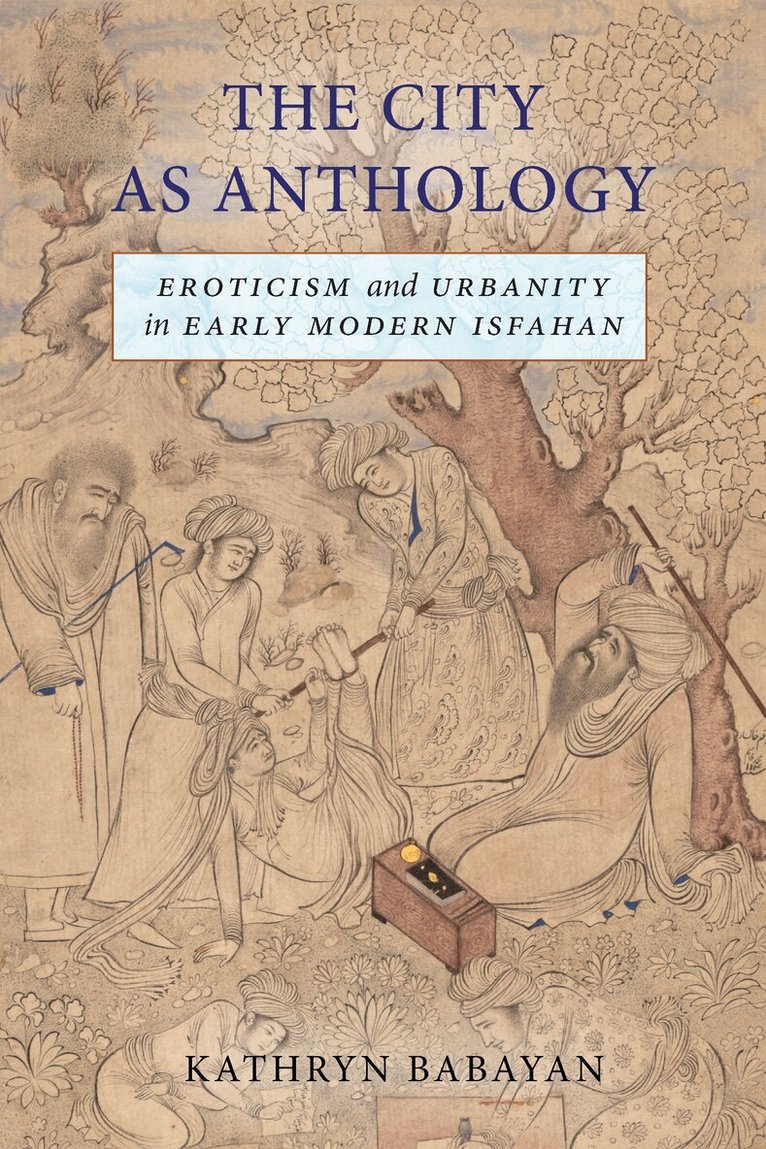
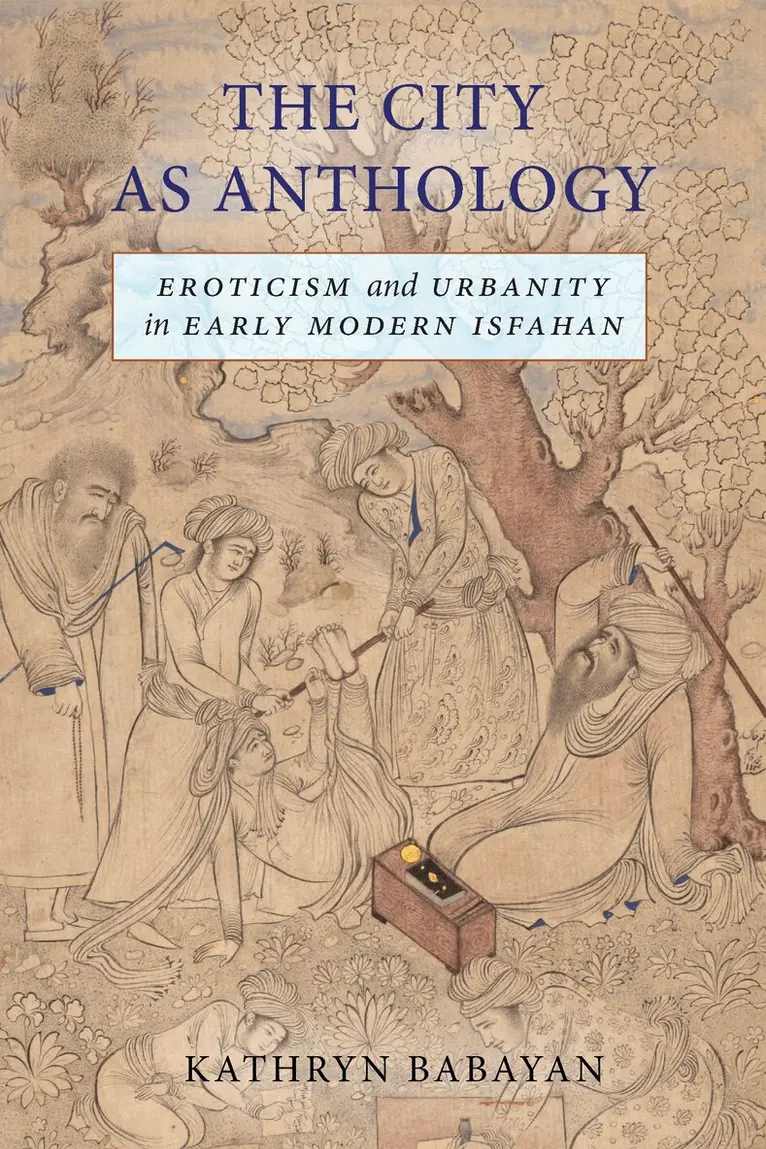
Household anthologies of seventeenth-century Isfahan collected everyday texts and objects, from portraits, letters, and poems to marriage contracts and talismans. With these family collections, Kathryn Babayan tells a new history of the city at the transformative moment it became a cosmopolitan center of imperial rule. Bringing into view people's lives from a city with no extant state or civic archives, Babayan reimagines the archive of anthologies to recover how residents shaped their communities and crafted their urban, religious, and sexual selves.Babayan highlights eight residents—from king to widow, painter to religious scholar, poet to bureaucrat—who anthologized their city, writing their engagements with friends and family, divulging the many dimensions of the social, cultural, and religious spheres of life in Isfahan. Through them, we see the gestures, manners, and sensibilities of a shared culture that configured their relations and negotiated the lines between friendship and eroticism. These entangled acts of seeing and reading, desiring and writing converge to fashion the refined urban self through the sensual and the sexual—and give us a new and enticing view of the city of Isfahan.
E-bok
Engelska, 2021385 kr
Läs direkt efter köp
Household anthologies of seventeenth-century Isfahan collected everyday texts and objects, from portraits, letters, and poems to marriage contracts and talismans. With these family collections, Kathryn Babayan tells a new history of the city at the transformative moment it became a cosmopolitan center of imperial rule. Bringing into view people's lives from a city with no extant state or civic archives, Babayan reimagines the archive of anthologies to recover how residents shaped their communities and crafted their urban, religious, and sexual selves.Babayan highlights eight residents—from king to widow, painter to religious scholar, poet to bureaucrat—who anthologized their city, writing their engagements with friends and family, divulging the many dimensions of the social, cultural, and religious spheres of life in Isfahan. Through them, we see the gestures, manners, and sensibilities of a shared culture that configured their relations and negotiated the lines between friendship and eroticism. These entangled acts of seeing and reading, desiring and writing converge to fashion the refined urban self through the sensual and the sexual—and give us a new and enticing view of the city of Isfahan.
Häftad, Engelska, 2024
332 kr
Skickas inom 5-8 vardagar
Household anthologies of seventeenth-century Isfahan collected everyday texts and objects, from portraits, letters, and poems to marriage contracts and talismans. With these family collections, Kathryn Babayan tells a new history of the city at the transformative moment it became a cosmopolitan center of imperial rule. Bringing into view people's lives from a city with no extant state or civic archives, Babayan reimagines the archive of anthologies to recover how residents shaped their communities and crafted their urban, religious, and sexual selves.Babayan highlights eight residents—from king to widow, painter to religious scholar, poet to bureaucrat—who anthologized their city, writing their engagements with friends and family, divulging the many dimensions of the social, cultural, and religious spheres of life in Isfahan. Through them, we see the gestures, manners, and sensibilities of a shared culture that configured their relations and negotiated the lines between friendship and eroticism. These entangled acts of seeing and reading, desiring and writing converge to fashion the refined urban self through the sensual and the sexual—and give us a new and enticing view of the city of Isfahan.
Häftad, Engelska, 2017
479 kr
Skickas inom 10-15 vardagar
The Safavid dynasty represented the pinnacle of Iran's power and influence in its early modern history. The evidence of this - the creation of a nation state, military expansion and success, economic dynamism and the exquisite art and architecture of the period is well-known. What is less understood is the extent to which the Safavid success depended on an elite originating from outside Iran: the slaves of Caucasian descent and the Armenian merchants of Isfahan. This book describes how these elites, following their conversion to Islam, helped to transform Isfahan's urban, artistic and social landscape.
Häftad, Engelska, 2019
1 237 kr
Skickas inom 5-8 vardagar
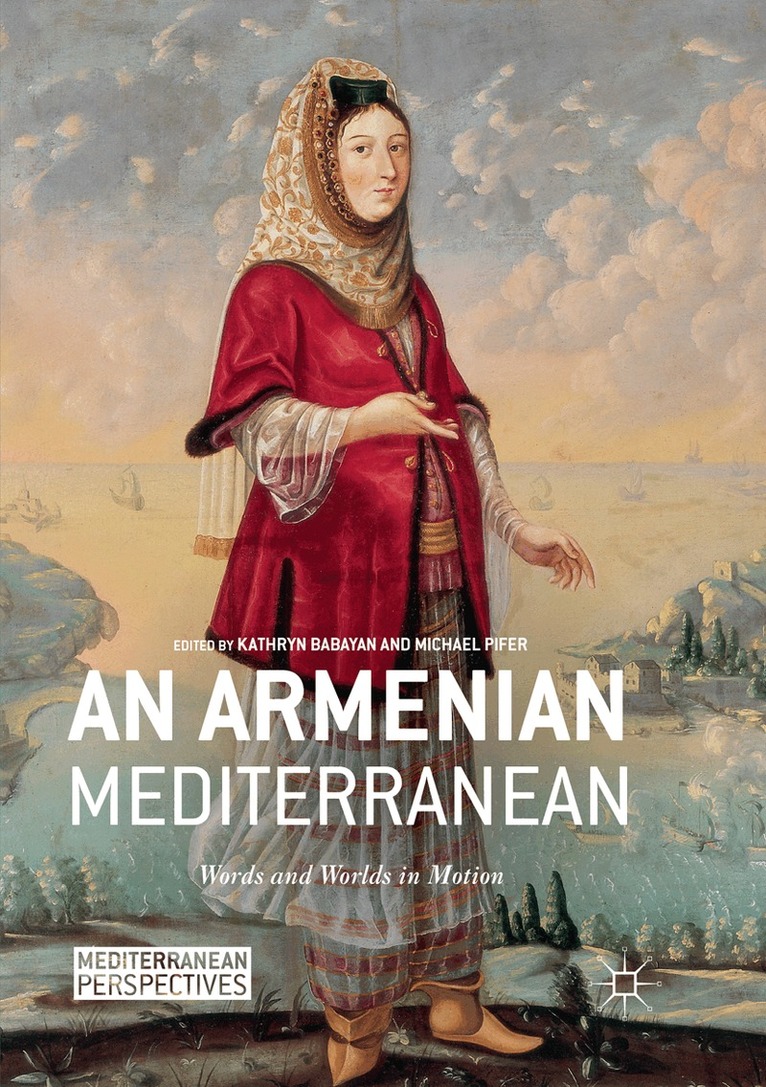
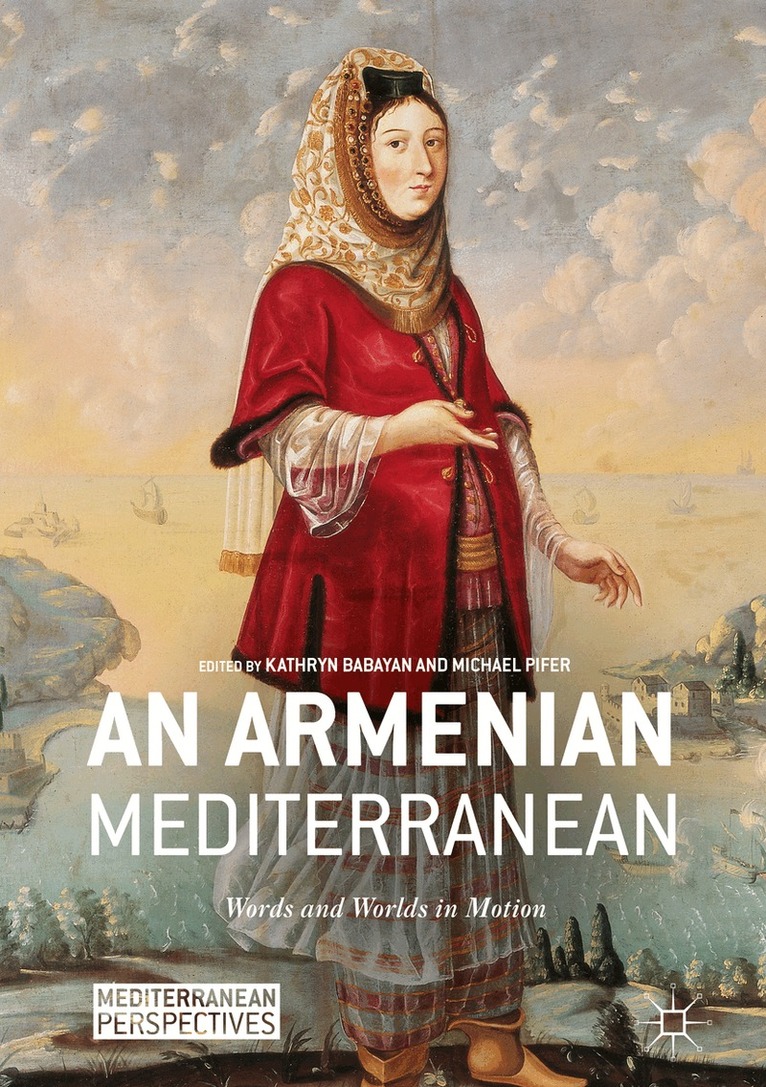
This book rethinks the Armenian people as significant actors in the context of Mediterranean and global history. Spanning a millennium of cross-cultural interaction and exchange across the Mediterranean world, essays move between connected histories, frontier studies, comparative literature, and discussions of trauma, memory, diaspora, and visual culture. Contributors dismantle narrow, national ways of understanding Armenian literature; propose new frameworks for mapping the post-Ottoman Mediterranean world; and navigate the challenges of writing national history in a globalized age. A century after the Armenian genocide, this book reimagines the borders of the “Armenian,” pointing to a fresh vision for the field of Armenian studies that is omnivorously comparative, deeply interconnected, and rich with possibility.
Inbunden, Engelska, 2018
1 448 kr
Skickas inom 10-15 vardagar
This book rethinks the Armenian people as significant actors in the context of Mediterranean and global history. Spanning a millennium of cross-cultural interaction and exchange across the Mediterranean world, essays move between connected histories, frontier studies, comparative literature, and discussions of trauma, memory, diaspora, and visual culture. Contributors dismantle narrow, national ways of understanding Armenian literature; propose new frameworks for mapping the post-Ottoman Mediterranean world; and navigate the challenges of writing national history in a globalized age. A century after the Armenian genocide, this book reimagines the borders of the “Armenian,” pointing to a fresh vision for the field of Armenian studies that is omnivorously comparative, deeply interconnected, and rich with possibility.
E-bok
Engelska, 20181 785 kr
Läs direkt efter köp
This book rethinks the Armenian people as significant actors in the context of Mediterranean and global history. Spanning a millennium of cross-cultural interaction and exchange across the Mediterranean world, essays move between connected histories, frontier studies, comparative literature, and discussions of trauma, memory, diaspora, and visual culture. Contributors dismantle narrow, national ways of understanding Armenian literature; propose new frameworks for mapping the post-Ottoman Mediterranean world; and navigate the challenges of writing national history in a globalized age. A century after the Armenian genocide, this book reimagines the borders of the “Armenian,” pointing to a fresh vision for the field of Armenian studies that is omnivorously comparative, deeply interconnected, and rich with possibility.