Michael Shernoff - Böcker
Visar alla böcker från författaren Michael Shernoff. Handla med fri frakt och snabb leverans.
8 produkter
8 produkter
598 kr
Skickas inom 10-15 vardagar
After years of activism, risk awareness, and AIDS prevention, increasing numbers of gay men are not using condoms, and new infections of HIV are on the rise. Using case studies and exhaustive survey research, this timely, groundbreaking book allows men who have unprotected sex, a practice now known as "barebacking," to speak for themselves on their willingness to risk it all. Without Condoms takes a balanced look at the profound needs that are met by this seemingly reckless behavior, while at the same time exposing the role that both the Internet and club drugs like crystal methamphetamine play in facilitating high-risk sexual encounters. The result is a compassionate, sophisticated and nuanced insight into what for many people is one of the most perplexing aspects of today's gay male culture and life style. Michael Shernoff digs deep and forces us to see that the AIDS epidemic is not over. We must now ask the hard questions and listen to the voices that answer. The stakes are too high to ignore.
1 913 kr
Skickas inom 10-15 vardagar
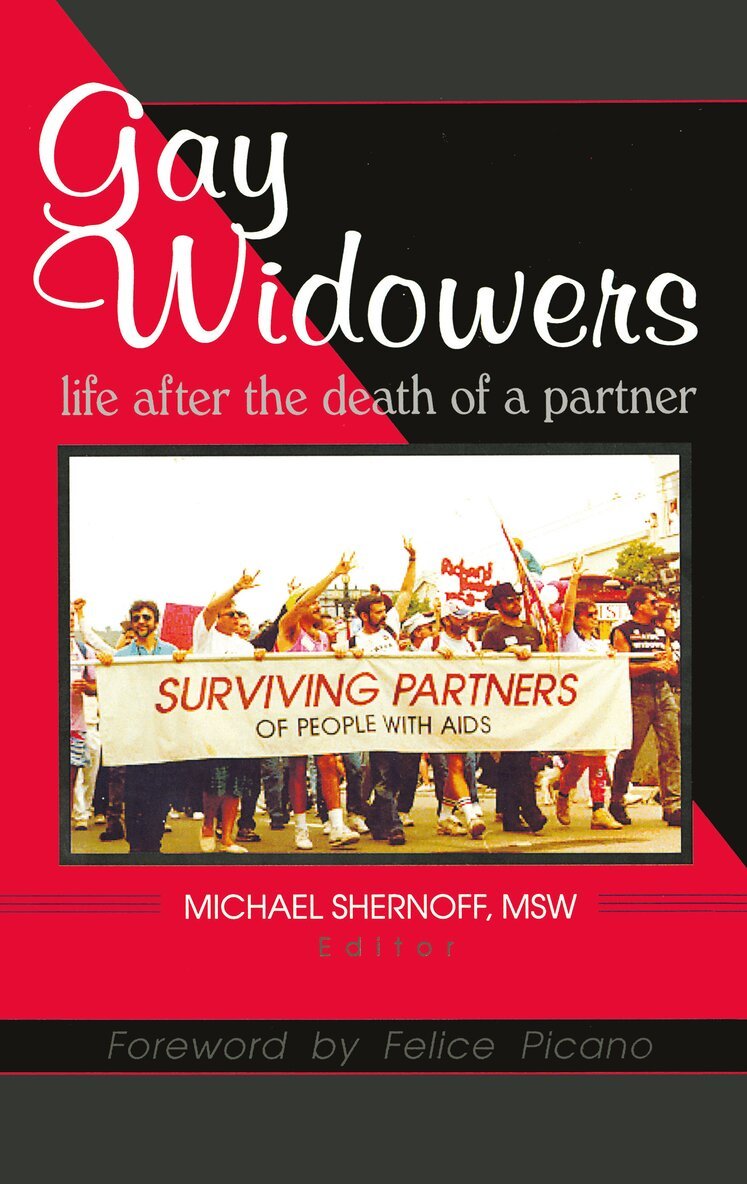
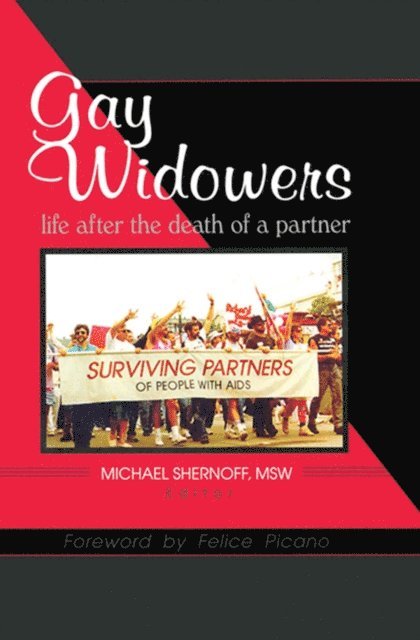
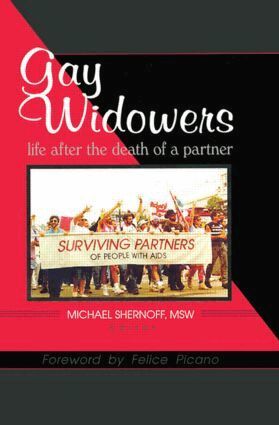
A recent gay widower may find that once the shock and initial confusion of losing his partner is overcome, there are still many hard, lonely, and overwhelming stages of grief to be worked through. Often, the bereaved feels isolated, and looking around for comfort, realizes that he doesn’t have many resources to turn to, but Gay Widowers: Life After the Death of a Partner is a start. By offering first-person accounts of becoming a widower, this book, the first of its kind, allows others who are about to lose or already have lost a partner to find support, validation, recognition, and fellowship. Its editor and contributors hope that by sharing their stories of loss, pain, and bewilderment, they will help others in mourning as well as make one more step forward in their own healing.Men of different ages and ethnic, religious, geographic, and economic backgrounds join together in Gay Widowers to remind other gay widowers that they are not alone and that their feelings of pain, anger, and emptiness are normal and legitimate. Not solely a book about life after the loss of a partner to AIDS, this book is about rebuilding life as a bereaved gay man, regardless of the cause of your partner’s death. You will find encouragement for moving your life forward, without shutting your memories away, as you read about:how homophobia can complicate a gay widower’s grieving and mourning handling financial and legal matters before and after death specific mental health issues of gay widowers dating again similarities among gay widowers’responses to their partners’deaths making time for your feelings rather than avoiding them finding love after or during bereavement trauma theory’s applications to gay widowersBy bringing forth these stories, Gay Widowers offers bereaved gay men, psychologists, counselors, and social workers--in a society where the mourning process is generally a heterosexual, social construct--a clinical overview of the psychodynamic issues relevant, and perhaps unique, to the mourning process of gay men.
1 818 kr
Skickas inom 10-15 vardagar
Addressing contemporary issues faced by individuals with HIV/AIDS, AIDS and Mental Health Practice: Clinical and Policy Issues provides psychologists, psychiatrists, social workers, and counselors with research and case studies that offers models for effective clinical practice at this stage of the epidemic. Each chapter is written by experts in the field and demonstrates ways to provide better services to different populations, many of whom are ignored in AIDS and mental health literature. As a result, this book will provide professionals in the field and students in training with the most current practice information about mental health practice and HIV/AIDS. AIDS and Mental Health Practice will help you understand the diverse needs of people with HIV/AIDS and organize services to assist these populations. AIDS and Mental Health Practice discusses issues that affect several different groups in order to help you understand the unique situations of your clients. You will learn how to design treatments that will be most beneficial to Latinos, intravenous drug users, orphaned children, African Americans, HIV-negative gay men, HIV nonprogressors, HIV-positive transsexuals, end-stage AIDS clients, couples of mixed HIV status, and individuals suffering from HIV-associated Cognitive Motor Disorder. This book provides you with approaches that will improve services for these populations, including:talking to patients about the positive and negative aspects of taking protease inhibitors and discussing their feelings of hope, skepticism, and fear of being disappointed by the treatment preparing clients to go back to work by exploring the meaning of work and referring them to vocational services if necessary providing support groups for people living with AIDS (PLWAs), their loved ones, their families, and individuals in bereavement as a result of an AIDS-related death organizing a HIV-negative gay men’s support group that uses exercises and homework to focus on the members’ambivalent connection to the AIDS community, how they remain HIV negative, and ways to deal with separation and grief issues assessing and/or correcting underlying racism in AIDS service organizationsThe prevention and intervention strategies in Mental Health and AIDS Practice will help you address and treat mental health issues associated with HIV/AIDS and offer clients more effective and relevant services.
745 kr
Skickas inom 10-15 vardagar
Addressing contemporary issues faced by individuals with HIV/AIDS, AIDS and Mental Health Practice: Clinical and Policy Issues provides psychologists, psychiatrists, social workers, and counselors with research and case studies that offers models for effective clinical practice at this stage of the epidemic. Each chapter is written by experts in the field and demonstrates ways to provide better services to different populations, many of whom are ignored in AIDS and mental health literature. As a result, this book will provide professionals in the field and students in training with the most current practice information about mental health practice and HIV/AIDS. AIDS and Mental Health Practice will help you understand the diverse needs of people with HIV/AIDS and organize services to assist these populations. AIDS and Mental Health Practice discusses issues that affect several different groups in order to help you understand the unique situations of your clients. You will learn how to design treatments that will be most beneficial to Latinos, intravenous drug users, orphaned children, African Americans, HIV-negative gay men, HIV nonprogressors, HIV-positive transsexuals, end-stage AIDS clients, couples of mixed HIV status, and individuals suffering from HIV-associated Cognitive Motor Disorder. This book provides you with approaches that will improve services for these populations, including:talking to patients about the positive and negative aspects of taking protease inhibitors and discussing their feelings of hope, skepticism, and fear of being disappointed by the treatment preparing clients to go back to work by exploring the meaning of work and referring them to vocational services if necessary providing support groups for people living with AIDS (PLWAs), their loved ones, their families, and individuals in bereavement as a result of an AIDS-related death organizing a HIV-negative gay men’s support group that uses exercises and homework to focus on the members’ambivalent connection to the AIDS community, how they remain HIV negative, and ways to deal with separation and grief issues assessing and/or correcting underlying racism in AIDS service organizationsThe prevention and intervention strategies in Mental Health and AIDS Practice will help you address and treat mental health issues associated with HIV/AIDS and offer clients more effective and relevant services.
1 818 kr
Skickas inom 10-15 vardagar
After years of activism, risk awareness, and AIDS prevention, increasing numbers of gay men are not using condoms, and new infections of HIV are on the rise. Using case studies and exhaustive survey research, this timely, groundbreaking book allows men who have unprotected sex, a practice now known as "barebacking," to speak for themselves on their willingness to risk it all. Without Condoms takes a balanced look at the profound needs that are met by this seemingly reckless behavior, while at the same time exposing the role that both the Internet and club drugs like crystal methamphetamine play in facilitating high-risk sexual encounters. The result is a compassionate, sophisticated and nuanced insight into what for many people is one of the most perplexing aspects of today's gay male culture and life style. Michael Shernoff digs deep and forces us to see that the AIDS epidemic is not over. We must now ask the hard questions and listen to the voices that answer. The stakes are too high to ignore.
559 kr
Skickas inom 10-15 vardagar
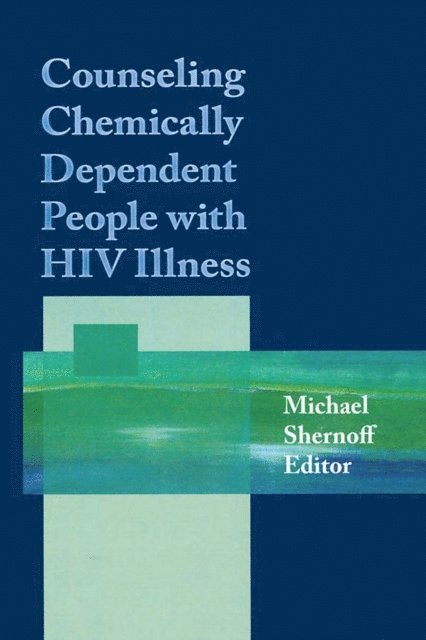
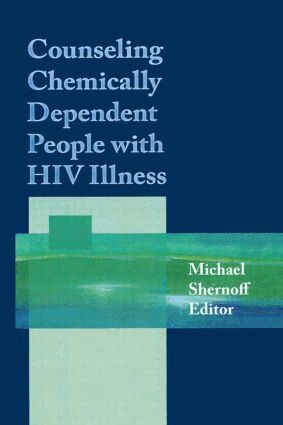
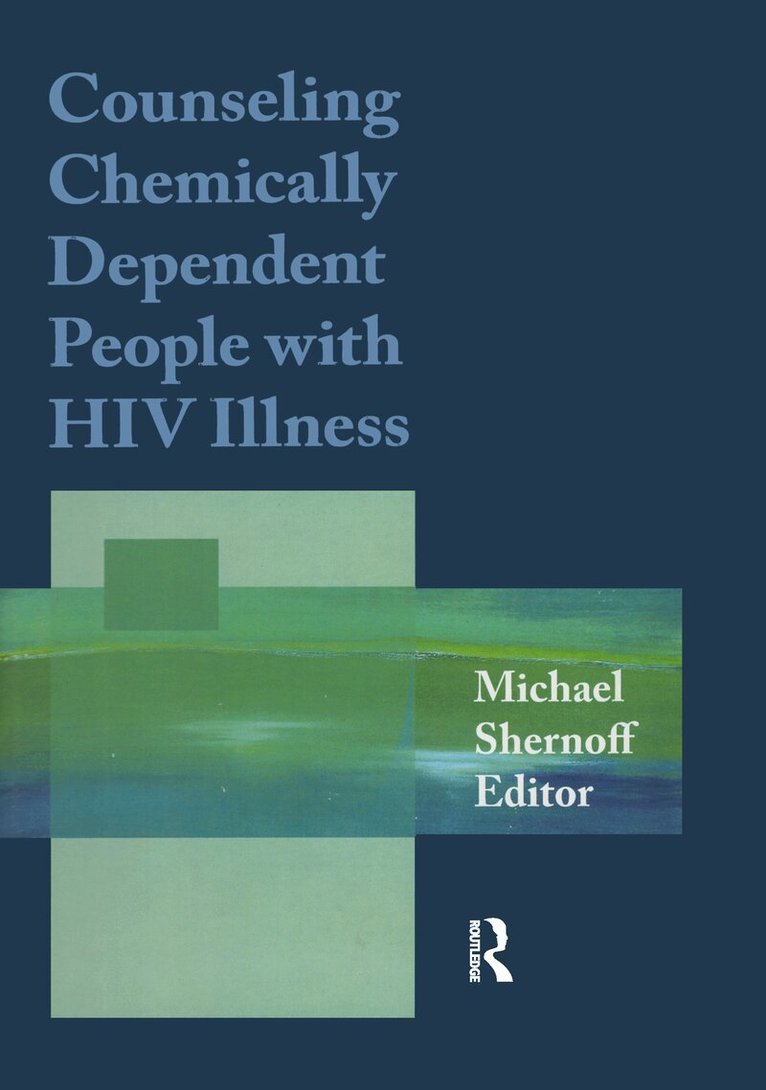
Counseling Chemically Dependent People with HIV Illness describes frontline clinical treatment of HIV-infected chemically dependent persons. It provides a realistic view of what the daily work with this population is like. Specific, in-depth case examples and material give readers a solid understanding of how to work more effectively with chemically dependent clients infected with HIV. By concentrating on practical instead of theoretical aspects of treatment, this groundbreaking book helps practitioners better understand problems in treatment and shows different ways treatment can be given. Authors discuss and describe methods they use such as group work, drug and AIDS education, treatment teams, and the harm reduction model. Chapters address work with specific patient populations with the dual diagnosis of HIV and chemical dependency and describe treatment in a variety of modalities, such as outpatient, residential, or hospital setting. This timely book also includes helpful background material which introduces the complexities of work with this population through the story of one man’s struggle with AIDS and alcohol and drug addiction. Counseling Chemically Dependent People with HIV Illness also describes medical symptoms and problems of HIV-positive persons which gives non-medical counselors and therapists a preliminary understanding of what their patients may be undergoing physiologically. Other chapters focus on such topics as work with adolescents, short term group work in hospitals, HIV-infected persons on methadone maintenance, effective AIDS prevention with active drug users, and countertransference in professionals working with chemically dependent HIV clients. One of few books to address specifics of counseling and therapy with this difficult population, Counseling Chemically Dependent People with HIV Illness is an extremely valuable and helpful guide for substance abuse counselors, certified alcoholism counselors, psychiatrists, psychologists, and social workers working in the chemical dependency field.
610 kr
Skickas inom 10-15 vardagar
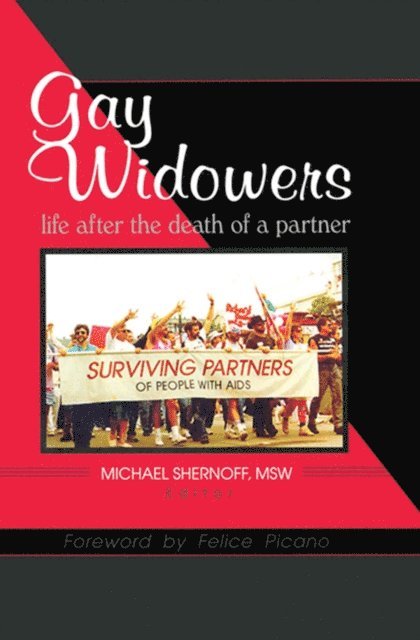
A recent gay widower may find that once the shock and initial confusion of losing his partner is overcome, there are still many hard, lonely, and overwhelming stages of grief to be worked through. Often, the bereaved feels isolated, and looking around for comfort, realizes that he doesn’t have many resources to turn to, but Gay Widowers: Life After the Death of a Partner is a start. By offering first-person accounts of becoming a widower, this book, the first of its kind, allows others who are about to lose or already have lost a partner to find support, validation, recognition, and fellowship. Its editor and contributors hope that by sharing their stories of loss, pain, and bewilderment, they will help others in mourning as well as make one more step forward in their own healing.Men of different ages and ethnic, religious, geographic, and economic backgrounds join together in Gay Widowers to remind other gay widowers that they are not alone and that their feelings of pain, anger, and emptiness are normal and legitimate. Not solely a book about life after the loss of a partner to AIDS, this book is about rebuilding life as a bereaved gay man, regardless of the cause of your partner’s death. You will find encouragement for moving your life forward, without shutting your memories away, as you read about:how homophobia can complicate a gay widower’s grieving and mourning handling financial and legal matters before and after death specific mental health issues of gay widowers dating again similarities among gay widowers’responses to their partners’deaths making time for your feelings rather than avoiding them finding love after or during bereavement trauma theory’s applications to gay widowersBy bringing forth these stories, Gay Widowers offers bereaved gay men, psychologists, counselors, and social workers--in a society where the mourning process is generally a heterosexual, social construct--a clinical overview of the psychodynamic issues relevant, and perhaps unique, to the mourning process of gay men.
2 470 kr
Skickas inom 5-8 vardagar
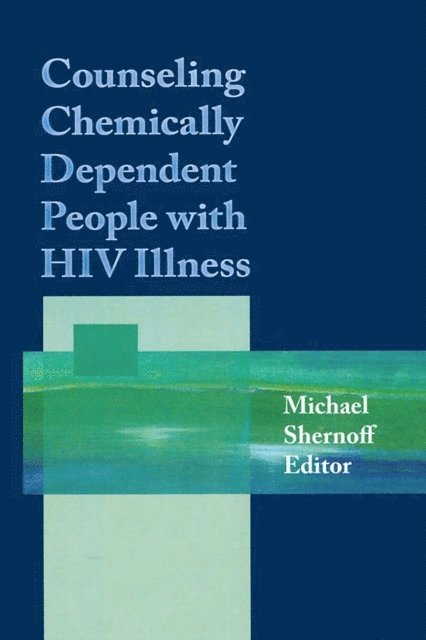
Counseling Chemically Dependent People with HIV Illness describes frontline clinical treatment of HIV-infected chemically dependent persons. It provides a realistic view of what the daily work with this population is like. Specific, in-depth case examples and material give readers a solid understanding of how to work more effectively with chemically dependent clients infected with HIV. By concentrating on practical instead of theoretical aspects of treatment, this groundbreaking book helps practitioners better understand problems in treatment and shows different ways treatment can be given. Authors discuss and describe methods they use such as group work, drug and AIDS education, treatment teams, and the harm reduction model. Chapters address work with specific patient populations with the dual diagnosis of HIV and chemical dependency and describe treatment in a variety of modalities, such as outpatient, residential, or hospital setting. This timely book also includes helpful background material which introduces the complexities of work with this population through the story of one man’s struggle with AIDS and alcohol and drug addiction. Counseling Chemically Dependent People with HIV Illness also describes medical symptoms and problems of HIV-positive persons which gives non-medical counselors and therapists a preliminary understanding of what their patients may be undergoing physiologically. Other chapters focus on such topics as work with adolescents, short term group work in hospitals, HIV-infected persons on methadone maintenance, effective AIDS prevention with active drug users, and countertransference in professionals working with chemically dependent HIV clients. One of few books to address specifics of counseling and therapy with this difficult population, Counseling Chemically Dependent People with HIV Illness is an extremely valuable and helpful guide for substance abuse counselors, certified alcoholism counselors, psychiatrists, psychologists, and social workers working in the chemical dependency field.