R Dennis Shelby – författare
2 749 kr
Skickas inom 10-15 vardagar
1 883 kr
Skickas inom 10-15 vardagar
772 kr
Skickas inom 10-15 vardagar
1 883 kr
Skickas inom 10-15 vardagar
512 kr
Skickas inom 10-15 vardagar
497 kr
Skickas inom 10-15 vardagar
1 969 kr
Skickas inom 10-15 vardagar
1 883 kr
Skickas inom 10-15 vardagar
656 kr
Skickas inom 10-15 vardagar
363 kr
Skickas inom 10-15 vardagar
2 809 kr
Skickas inom 10-15 vardagar
820 kr
Skickas inom 10-15 vardagar
1 287 kr
Läs direkt efter köp
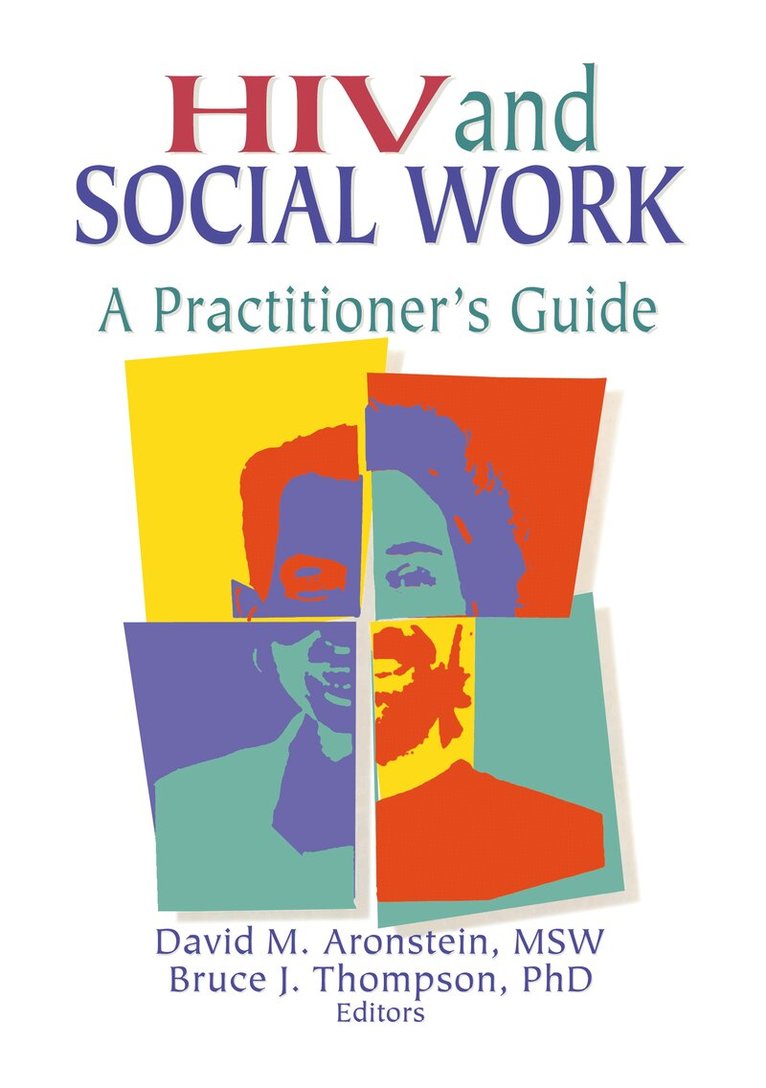
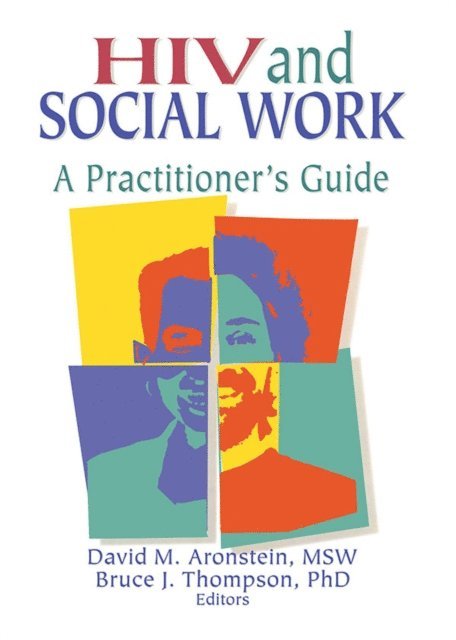
As HIV/AIDS continue to plague societies around the world, more and more social workers encounter HIV-infected individuals and their families and friends who are searching for help and support. In HIV and Social Work: A Practitioner''s Guide, experienced social workers share their practice wisdom, knowledge, and skills on a broad range of issues. Their words of wisdom will give you the willingness to follow problems through and the flexibility and creativity that are required when dealing with issues concerning HIV/AIDS. At the same time, you will achieve a sense of empowerment and optimism as you realize that there are things you can do--very specific kinds of help you can offer--that can make an enormous difference in the lives of people with HIV/AIDS and those who love and care for them. HIV and Social Work is a practical, user-friendly resource for social workers who practice in a variety of settings and fields. You''ll find it a rich and useful book if you''re moving into HIV/AIDS work and want guidance, or if you''re experienced and want to sharpen your skills, or if you just want to be prepared for when you find people with HIV or their family members in your office in need of help. Specifically, you''ll gain valuable insight about:
basic psychosocial interventions for people with HIV/AIDS in-depth practical suggestions for specific problem areas and specific groups of people with HIV/AIDS better listening skills how to know your own limitations and live your own life more fully in the face of sadness the importance and challenge of returning to fundamental social work skillsYou''ll refer to HIV and Social Work time and time again as you confront new HIV-related situations in your practice for which you need easy-to-understand descriptions of what to do and how to do it. Acknowledging your busy schedule, the book is organized so that you may use it on a “knowledge as needed” basis or read it straight through. Written specifically by and for social workers, HIV and Social Work is highly recommended as required reading in social work programs at the Bachelor''s and/or Master''s levels.
1 287 kr
Läs direkt efter köp
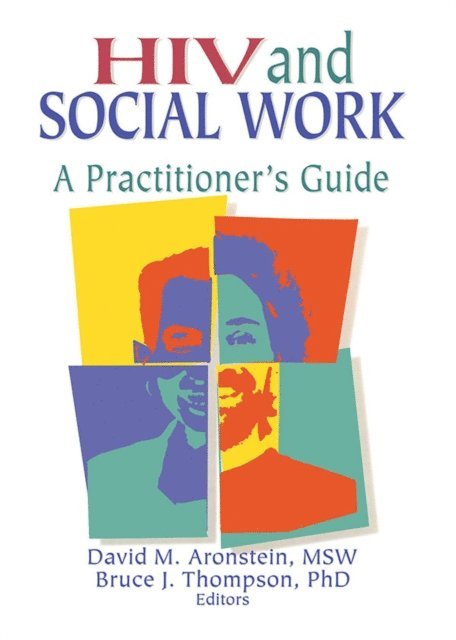
As HIV/AIDS continue to plague societies around the world, more and more social workers encounter HIV-infected individuals and their families and friends who are searching for help and support. In HIV and Social Work: A Practitioner''s Guide, experienced social workers share their practice wisdom, knowledge, and skills on a broad range of issues. Their words of wisdom will give you the willingness to follow problems through and the flexibility and creativity that are required when dealing with issues concerning HIV/AIDS. At the same time, you will achieve a sense of empowerment and optimism as you realize that there are things you can do--very specific kinds of help you can offer--that can make an enormous difference in the lives of people with HIV/AIDS and those who love and care for them. HIV and Social Work is a practical, user-friendly resource for social workers who practice in a variety of settings and fields. You''ll find it a rich and useful book if you''re moving into HIV/AIDS work and want guidance, or if you''re experienced and want to sharpen your skills, or if you just want to be prepared for when you find people with HIV or their family members in your office in need of help. Specifically, you''ll gain valuable insight about:
basic psychosocial interventions for people with HIV/AIDS in-depth practical suggestions for specific problem areas and specific groups of people with HIV/AIDS better listening skills how to know your own limitations and live your own life more fully in the face of sadness the importance and challenge of returning to fundamental social work skillsYou''ll refer to HIV and Social Work time and time again as you confront new HIV-related situations in your practice for which you need easy-to-understand descriptions of what to do and how to do it. Acknowledging your busy schedule, the book is organized so that you may use it on a “knowledge as needed” basis or read it straight through. Written specifically by and for social workers, HIV and Social Work is highly recommended as required reading in social work programs at the Bachelor''s and/or Master''s levels.
585 kr
Läs direkt efter köp
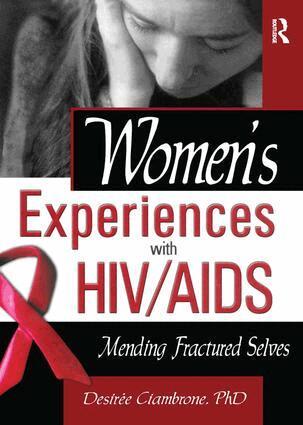
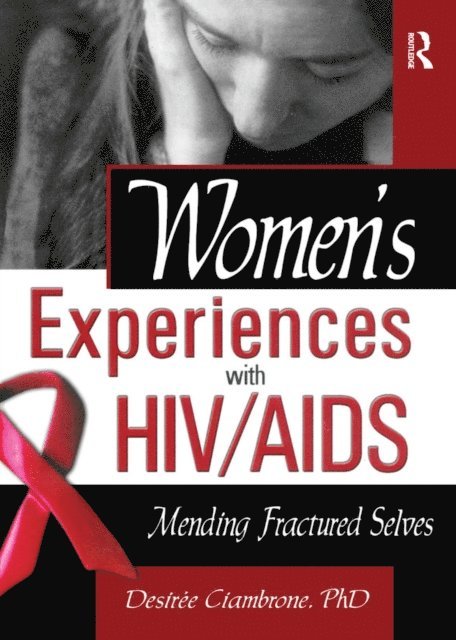
Meet the women behind the statistics!Women''s Experiences with HIV/AIDS: Mending Fractured Selves examines the impact of HIV/AIDS on women, the fastest-growing subgroup of the HIV-infected population of the United States. Based on interviews with HIV-infected women, the book gives voice to their experiences. This powerful text offers a firsthand view of what it is like to live day-to-day as a woman with the added burden of HIV/AIDS.Women''s Experiences with HIV/AIDS is a powerful and compelling look at the day-to-day struggles of 37 women infected with HIV. Their stories detail their ongoing effortswith varying degrees of successto come to grips with the disease as they try to rebuild their lives. Through qualitative analysis, the book demonstrates the importance of relational resources, such as AIDS activism, support groups, and social support. It also addresses potential problems for women associated with caregiving and presents ethnographic research findings on the complex factors that affect women with HIV (socioeconomic status, sexual preference, lifestyle differences). Women''s Experiences with HIV/AIDS also addresses research topics such as:
how HIV infection affects a woman''s sense of self how women repair disruption and restore identities the limits to women''s coping strategies and whether those strategies still work if women become functionally impaired or develop AIDS how women''s structural and social environments facilitate or impede repair the role of women''s informal networks in biological disruption and repairA rare look at the experience of women infected with HIV (most studies focus on male samples), Women''s Experiences with HIV/AIDS is an invaluable academic resource as a course supplement in the fields of medical sociology, women''s studies, public health, and community health, and is an enlightening read for everyone interested in HIV/AIDS research.
585 kr
Läs direkt efter köp
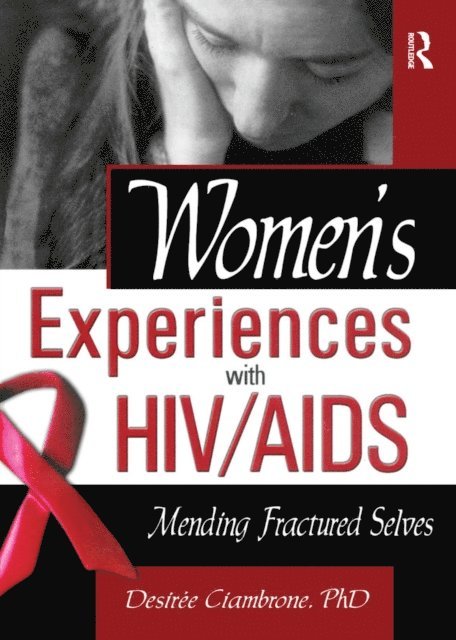
Meet the women behind the statistics!Women''s Experiences with HIV/AIDS: Mending Fractured Selves examines the impact of HIV/AIDS on women, the fastest-growing subgroup of the HIV-infected population of the United States. Based on interviews with HIV-infected women, the book gives voice to their experiences. This powerful text offers a firsthand view of what it is like to live day-to-day as a woman with the added burden of HIV/AIDS.Women''s Experiences with HIV/AIDS is a powerful and compelling look at the day-to-day struggles of 37 women infected with HIV. Their stories detail their ongoing effortswith varying degrees of successto come to grips with the disease as they try to rebuild their lives. Through qualitative analysis, the book demonstrates the importance of relational resources, such as AIDS activism, support groups, and social support. It also addresses potential problems for women associated with caregiving and presents ethnographic research findings on the complex factors that affect women with HIV (socioeconomic status, sexual preference, lifestyle differences). Women''s Experiences with HIV/AIDS also addresses research topics such as:
how HIV infection affects a woman''s sense of self how women repair disruption and restore identities the limits to women''s coping strategies and whether those strategies still work if women become functionally impaired or develop AIDS how women''s structural and social environments facilitate or impede repair the role of women''s informal networks in biological disruption and repairA rare look at the experience of women infected with HIV (most studies focus on male samples), Women''s Experiences with HIV/AIDS is an invaluable academic resource as a course supplement in the fields of medical sociology, women''s studies, public health, and community health, and is an enlightening read for everyone interested in HIV/AIDS research.
585 kr
Läs direkt efter köp
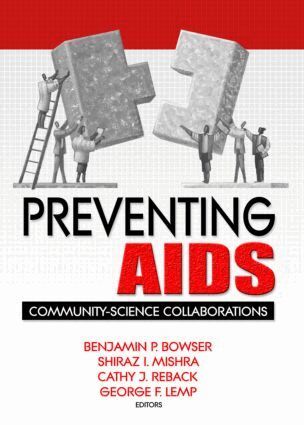
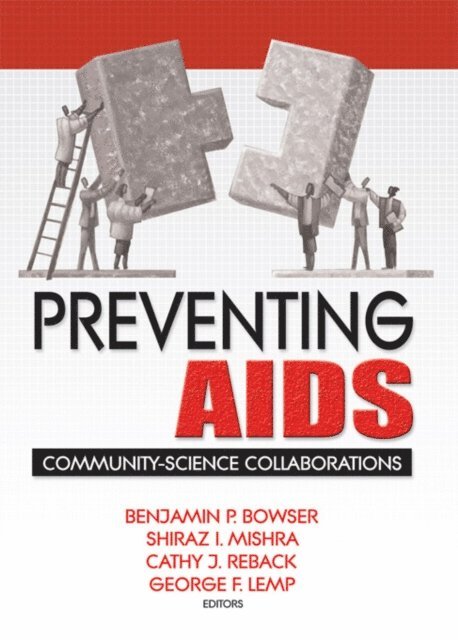
Learn how to create professional collaboration between HIV/AIDS researchers and community organizations for the benefit of all! This book is designed to help frontline prevention organizations answer two questions that are of utmost importance. First, how effective are their services; and second, can their work be improved? The absence of rigorous evaluation is a barrier to stable funding for community organizations, and the strategies in Preventing AIDS: Community-Science Collaborations can help overcome that barrier. The book is a guide to successful cooperative efforts between researchers and community-based organizations. The information it presents will help community-based programs acquire detailed, timely information on program effectiveness and outcomes. It also provides researchers with methods for accessing hard-to-reach or hidden HIV high-risk groups. Handy tables and figures make important data easy to access and understand. In Preventing AIDS: Community-Science Collaborations, you’ll learn about the difficult but critically important collaboration between community organizations who do frontline prevention work and university scientists who evaluate the effectiveness of that work. The book describes the community-researcher equal partner collaboration (CREPC) model for community-based collaborative research. In addition, it examines six unique efforts to prevent the spread of AIDS among high-risk populations, such as prostitutes, injection drug users, impoverished pregnant women, migrant workers, transgendered persons, and prison inmates. The case studies in Preventing AIDS: Community-Science Collaborations describe the frustrations of outreach workers and counselors who suddenly must help design a survey they fear will be intrusive, and the parallel problems faced by scientists who are told that their traditional measures mean little to outreach workers. Preventing AIDS: Community-Science Collaborations presents funders’ perspectives on collaborative AIDS research and examines the collaborative and funding aspects of:
the CAL-PEP prevention programs for drug injectors and sex workers efforts to promote HIV prevention for migrant farm workers and evaluate those efforts’ effectiveness the ongoing collaboration between The Center for AIDS Prevention Studies (University of California, San Francisco), Centerforce (a statewide nonprofit agency providing services and advocacy to prisoners and their families), and San Quentin State Prison the effort of the Los Angeles County HIV Epidemiology Program and three community-based organizations, which collaborate to provide culturally appropriate outreach and HIV education/prevention services to transgendered individuals of various ethnic origins San Francisco’s PHREDA project and the way its creators collaborated to better understand and serve high-risk women The U-Find-Out (UFO) Study, funded by the Universitywide AIDS Research Program of the State of California585 kr
Läs direkt efter köp
Learn how to create professional collaboration between HIV/AIDS researchers and community organizations for the benefit of all! This book is designed to help frontline prevention organizations answer two questions that are of utmost importance. First, how effective are their services; and second, can their work be improved? The absence of rigorous evaluation is a barrier to stable funding for community organizations, and the strategies in Preventing AIDS: Community-Science Collaborations can help overcome that barrier. The book is a guide to successful cooperative efforts between researchers and community-based organizations. The information it presents will help community-based programs acquire detailed, timely information on program effectiveness and outcomes. It also provides researchers with methods for accessing hard-to-reach or hidden HIV high-risk groups. Handy tables and figures make important data easy to access and understand. In Preventing AIDS: Community-Science Collaborations, you’ll learn about the difficult but critically important collaboration between community organizations who do frontline prevention work and university scientists who evaluate the effectiveness of that work. The book describes the community-researcher equal partner collaboration (CREPC) model for community-based collaborative research. In addition, it examines six unique efforts to prevent the spread of AIDS among high-risk populations, such as prostitutes, injection drug users, impoverished pregnant women, migrant workers, transgendered persons, and prison inmates. The case studies in Preventing AIDS: Community-Science Collaborations describe the frustrations of outreach workers and counselors who suddenly must help design a survey they fear will be intrusive, and the parallel problems faced by scientists who are told that their traditional measures mean little to outreach workers. Preventing AIDS: Community-Science Collaborations presents funders’ perspectives on collaborative AIDS research and examines the collaborative and funding aspects of:
the CAL-PEP prevention programs for drug injectors and sex workers efforts to promote HIV prevention for migrant farm workers and evaluate those efforts’ effectiveness the ongoing collaboration between The Center for AIDS Prevention Studies (University of California, San Francisco), Centerforce (a statewide nonprofit agency providing services and advocacy to prisoners and their families), and San Quentin State Prison the effort of the Los Angeles County HIV Epidemiology Program and three community-based organizations, which collaborate to provide culturally appropriate outreach and HIV education/prevention services to transgendered individuals of various ethnic origins San Francisco’s PHREDA project and the way its creators collaborated to better understand and serve high-risk women The U-Find-Out (UFO) Study, funded by the Universitywide AIDS Research Program of the State of California752 kr
Läs direkt efter köp
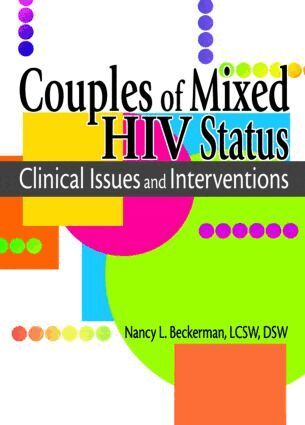
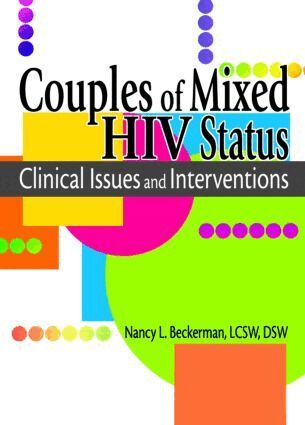
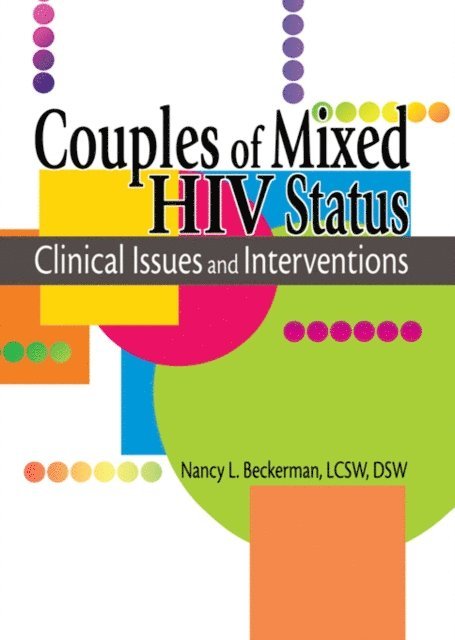
Examine the unique emotional challenges and issues that face couples of mixed HIV status today!Previous books on this subjectmostly written in the days when HIV/AIDS was considered a fatal rather than a chronic diseasefocused on end-of-life issues. However, Couples of Mixed HIV Status: Clinical Issues and Interventions addresses the unique emotional challenges facing today’s couples of mixed HIV status and provides a conceptual framework for assessment and intervention. The book offers examples of how to apply emotionally focused couple therapy to help them work through issues including disclosure, the fear of HIV transmission, shifts in emotional intimacy, family planning, betrayal, mistrust, and uncertainty. This unique work, its knowledge base, and the interventions you''ll find inside, are applicable to any practitioner who provides couple and family therapyas well as any practitioner who counsels around issues of chronic illness. Couples of Mixed HIV Status provides therapists with a range of theoretical approaches to help mixed HIV status couples deal with their issues and concerns. It includes applications of couple therapy approaches that have proved to be particularly effective as well as case studies that demonstrate how different relationship variables may affect therapy. The book presents the findings of a research study involving 44 mixed HIV status couples in the Northeast and is generously illustrated with tables that make complex research results easy to access and understand.Topics covered in Couples of Mixed HIV Status include:
various approaches to couples therapy the historical context of HIV/AIDS HIV transmission family planning and HIV/AIDS emotionally focused couple therapy disclosure issues attachment theory and much more!Couples of Mixed HIV Status: Clinical Issues and Interventions is a valuable resource for therapists and other mental health counselors working with today’s couples of mixed HIV status as well as for students of counseling and health related services. Readers who may be in a mixed HIV status relationship or those who are friends and family members of couples living with HIV will also find this book helpful.
752 kr
Läs direkt efter köp
Examine the unique emotional challenges and issues that face couples of mixed HIV status today!Previous books on this subjectmostly written in the days when HIV/AIDS was considered a fatal rather than a chronic diseasefocused on end-of-life issues. However, Couples of Mixed HIV Status: Clinical Issues and Interventions addresses the unique emotional challenges facing today’s couples of mixed HIV status and provides a conceptual framework for assessment and intervention. The book offers examples of how to apply emotionally focused couple therapy to help them work through issues including disclosure, the fear of HIV transmission, shifts in emotional intimacy, family planning, betrayal, mistrust, and uncertainty. This unique work, its knowledge base, and the interventions you''ll find inside, are applicable to any practitioner who provides couple and family therapyas well as any practitioner who counsels around issues of chronic illness. Couples of Mixed HIV Status provides therapists with a range of theoretical approaches to help mixed HIV status couples deal with their issues and concerns. It includes applications of couple therapy approaches that have proved to be particularly effective as well as case studies that demonstrate how different relationship variables may affect therapy. The book presents the findings of a research study involving 44 mixed HIV status couples in the Northeast and is generously illustrated with tables that make complex research results easy to access and understand.Topics covered in Couples of Mixed HIV Status include:
various approaches to couples therapy the historical context of HIV/AIDS HIV transmission family planning and HIV/AIDS emotionally focused couple therapy disclosure issues attachment theory and much more!Couples of Mixed HIV Status: Clinical Issues and Interventions is a valuable resource for therapists and other mental health counselors working with today’s couples of mixed HIV status as well as for students of counseling and health related services. Readers who may be in a mixed HIV status relationship or those who are friends and family members of couples living with HIV will also find this book helpful.
919 kr
Läs direkt efter köp
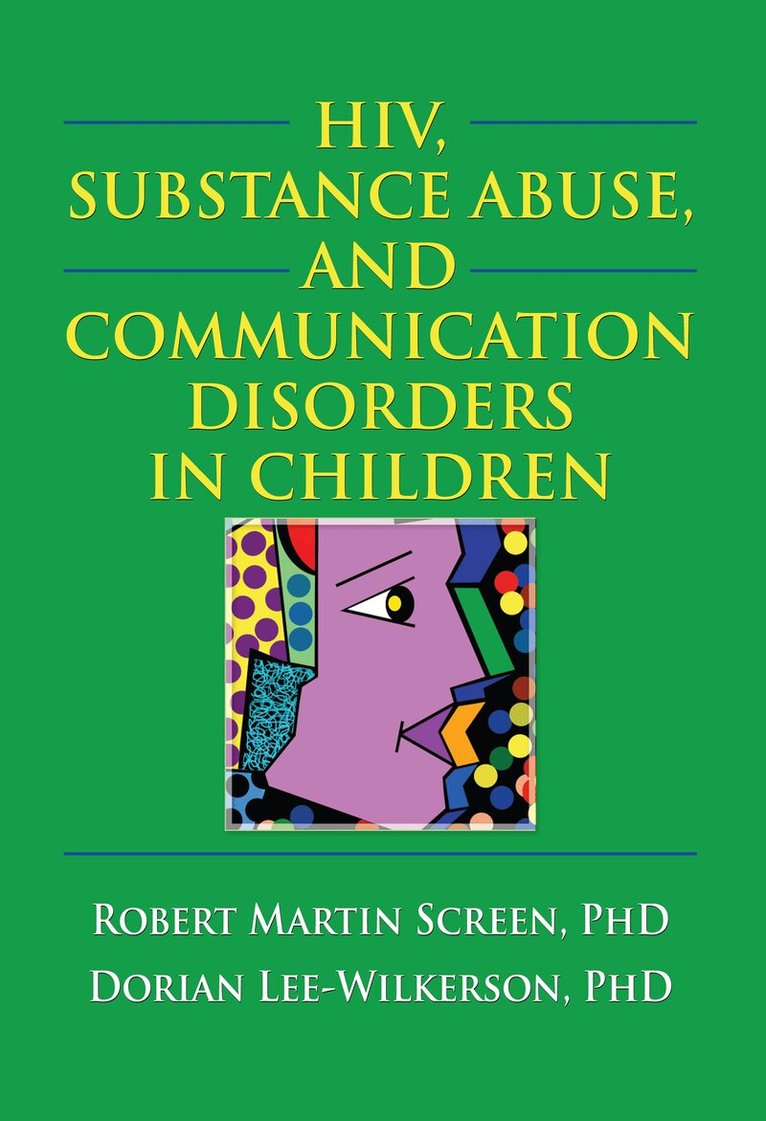
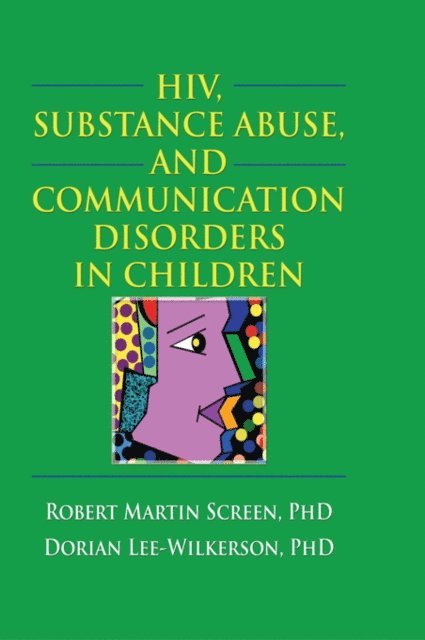
Make sure every child gets a chance to be heardHIV, Substance Abuse and Communication Disorders in Children examines the language problems of young children from special populations. Essential as a textbook for graduate and upper-level undergraduate studies and as a reference resource, this unique book presents up-to-date research and compelling case studies that illustrate how prenatal exposure to drugs, alcohol, and HIV can affect a child in utero and continue to handicap its development after birth. Each chapter includes discussion threads and review questions to promote critical thinking and clinical problem-solving skills in the classroom.HIV, Substance Abuse and Communication Disorders in Children looks at the negative impact a mother’s lifestyle practices can have on her developing child with a nod toward the significant prevalence of HIV and substance abuse in today’s society. Some estimates place the number of infants born after prenatal exposure to illicit drugs as three-quarters of a millionevery year. When alcohol is added, the figure rises to more than 1 million. This powerful book focuses specifically on the serious consequences of alcohol, marijuana, cocaine, and crack cocaine abuse, including poor language development and speech delays, limited vocabulary, the inability to make their needs known, poor articulation, the inability to follow commands, limited expressive language skills, and the inability to understand the real meaning of words and generalize them. And of the nearly 5,000 children in the United States living with AIDS, almost all will struggle with speech production and communication disorders as the disease affects their brain, spinal cord, and central nervous system. HIV, Substance Abuse and Communication Disorders in Children examines:
the effect of drugs on the brain pregnancy and drug use trends common drugs of abuse Kosakoff’s syndrome fetal alcohol syndrome (FAS) among Native Americans and African Americans neurologic sequellae speech and language intervention rehabilitation considerations treatment and family counseling and much moreHIV, Substance Abuse and Communication Disorders in Children is essential for graduate and undergraduate students working with language disorders in special populations.
919 kr
Läs direkt efter köp
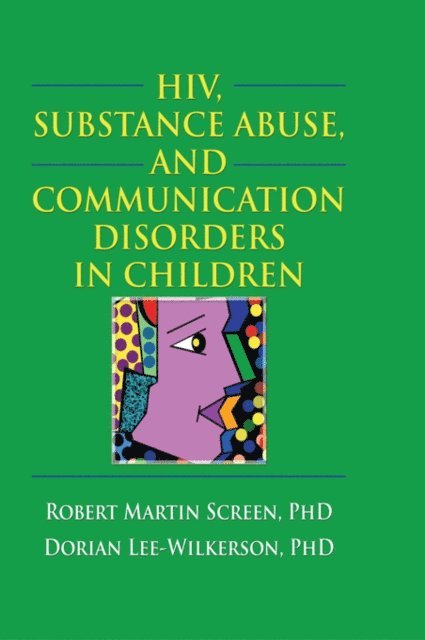
Make sure every child gets a chance to be heardHIV, Substance Abuse and Communication Disorders in Children examines the language problems of young children from special populations. Essential as a textbook for graduate and upper-level undergraduate studies and as a reference resource, this unique book presents up-to-date research and compelling case studies that illustrate how prenatal exposure to drugs, alcohol, and HIV can affect a child in utero and continue to handicap its development after birth. Each chapter includes discussion threads and review questions to promote critical thinking and clinical problem-solving skills in the classroom.HIV, Substance Abuse and Communication Disorders in Children looks at the negative impact a mother’s lifestyle practices can have on her developing child with a nod toward the significant prevalence of HIV and substance abuse in today’s society. Some estimates place the number of infants born after prenatal exposure to illicit drugs as three-quarters of a millionevery year. When alcohol is added, the figure rises to more than 1 million. This powerful book focuses specifically on the serious consequences of alcohol, marijuana, cocaine, and crack cocaine abuse, including poor language development and speech delays, limited vocabulary, the inability to make their needs known, poor articulation, the inability to follow commands, limited expressive language skills, and the inability to understand the real meaning of words and generalize them. And of the nearly 5,000 children in the United States living with AIDS, almost all will struggle with speech production and communication disorders as the disease affects their brain, spinal cord, and central nervous system. HIV, Substance Abuse and Communication Disorders in Children examines:
the effect of drugs on the brain pregnancy and drug use trends common drugs of abuse Kosakoff’s syndrome fetal alcohol syndrome (FAS) among Native Americans and African Americans neurologic sequellae speech and language intervention rehabilitation considerations treatment and family counseling and much moreHIV, Substance Abuse and Communication Disorders in Children is essential for graduate and undergraduate students working with language disorders in special populations.
698 kr
Läs direkt efter köp
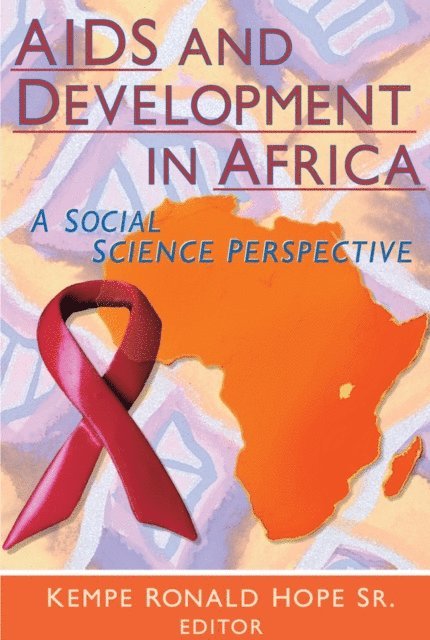
AIDS and Development in Africa: A Social Science Perspective is the first book-length treatment of both the impact of AIDS in Africa and an assessment of intervention strategies in varying cultural situations. Developed from revised selected papers from the nineteenth Southern African Universities Social Science Conference, AIDS and Development in Africa will be of interest to counselors, medical and development practitioners, Africanists, and AIDS researchers. From this book, you will find wide analytical coverage of the issues and country case studies related to the contributory factors and development impact of the HIV/AIDS pandemic in Africa. You will also explore the ability of countries to willingly promote and cope with the pandemic in the context of their different economic circumstances.Specifically in AIDS and Development in Africa, you will read about:
socioeconomic context of AIDS social scientific explanations of the AIDS pandemic in Africa HIV/AIDS and the status of women in Botswana and Swaziland sexual abuse and HIV/AIDS law and HIV/AIDS orphans of the AIDS pandemic media and the African context of social construction human resource development and training in relation to HIV/AIDS in ZambiaAIDS and Development in Africa uses a multidisciplinary social science perspective in case studies of such countries as Botswana, Swaziland, Zimbabwe, South Africa, Malawi, and Zambia to reveal contributory factors and the developmental impact of HIV/AIDS in Africa. This book demonstrates the human consequences of AIDS and the efforts being made by governments, individuals, families, villages, communities, and national government organizations to respond to the pandemic. For example, you will learn about information campaigns and peer education approaches that are successfully increasing transmission awareness and condom use. You will read beyond the usual analysis of demographics and receive much more substantial assessments and analyses of the burden on people, economies, and health care systems of the African countries. AIDS and Development in Africa is indispensable to anyone who is involved with HIV/AIDS prevention/intervention in Africa. This comprehensive book provides you with essential and up-to-date research on the many issues surrounding Africa’s HIV/AIDS pandemic.698 kr
Läs direkt efter köp
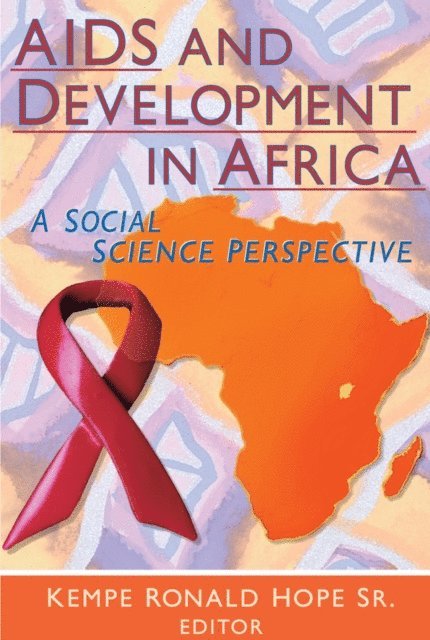
AIDS and Development in Africa: A Social Science Perspective is the first book-length treatment of both the impact of AIDS in Africa and an assessment of intervention strategies in varying cultural situations. Developed from revised selected papers from the nineteenth Southern African Universities Social Science Conference, AIDS and Development in Africa will be of interest to counselors, medical and development practitioners, Africanists, and AIDS researchers. From this book, you will find wide analytical coverage of the issues and country case studies related to the contributory factors and development impact of the HIV/AIDS pandemic in Africa. You will also explore the ability of countries to willingly promote and cope with the pandemic in the context of their different economic circumstances.Specifically in AIDS and Development in Africa, you will read about:
socioeconomic context of AIDS social scientific explanations of the AIDS pandemic in Africa HIV/AIDS and the status of women in Botswana and Swaziland sexual abuse and HIV/AIDS law and HIV/AIDS orphans of the AIDS pandemic media and the African context of social construction human resource development and training in relation to HIV/AIDS in ZambiaAIDS and Development in Africa uses a multidisciplinary social science perspective in case studies of such countries as Botswana, Swaziland, Zimbabwe, South Africa, Malawi, and Zambia to reveal contributory factors and the developmental impact of HIV/AIDS in Africa. This book demonstrates the human consequences of AIDS and the efforts being made by governments, individuals, families, villages, communities, and national government organizations to respond to the pandemic. For example, you will learn about information campaigns and peer education approaches that are successfully increasing transmission awareness and condom use. You will read beyond the usual analysis of demographics and receive much more substantial assessments and analyses of the burden on people, economies, and health care systems of the African countries. AIDS and Development in Africa is indispensable to anyone who is involved with HIV/AIDS prevention/intervention in Africa. This comprehensive book provides you with essential and up-to-date research on the many issues surrounding Africa’s HIV/AIDS pandemic.422 kr
Läs direkt efter köp
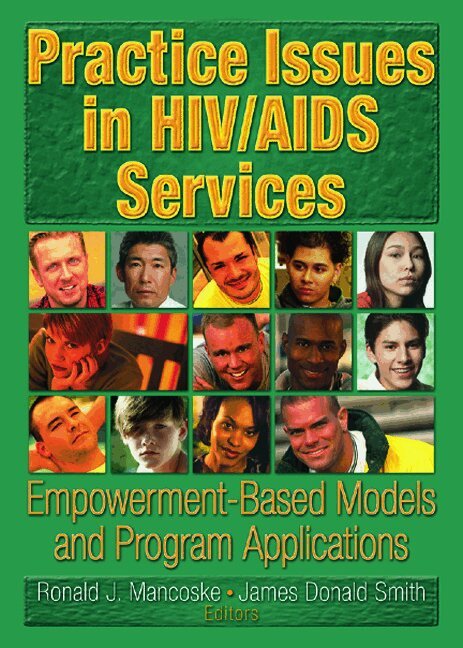
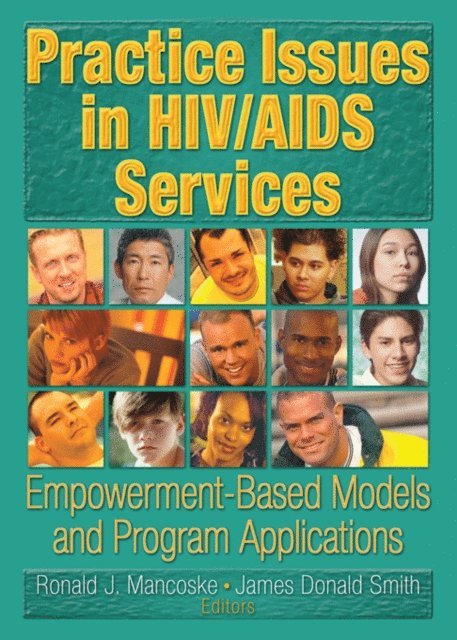
Improve quality of life for patients with HIV/AIDS! Practice Issues in HIV/AIDS Services: Empowerment-Based Models and Program Applications provides a sound framework of intervention practices for case managers and care coordinators to help HIV/AIDS patients live longer and healthier lives. This book focuses on client-based care that addre
418 kr
Läs direkt efter köp
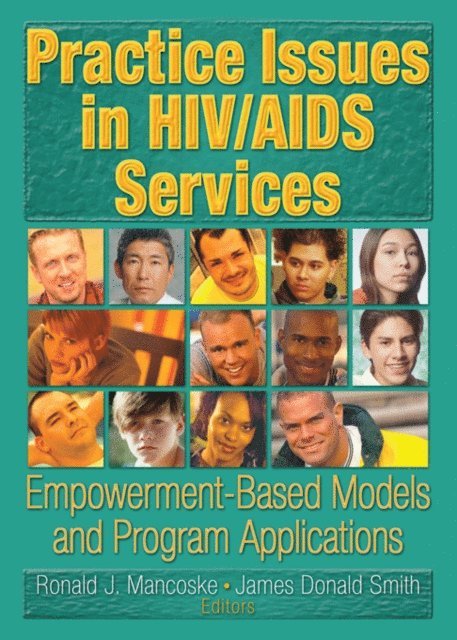
Improve quality of life for patients with HIV/AIDS! Practice Issues in HIV/AIDS Services: Empowerment-Based Models and Program Applications provides a sound framework of intervention practices for case managers and care coordinators to help HIV/AIDS patients live longer and healthier lives. This book focuses on client-based care that addre
784 kr
Läs direkt efter köp
Interviewer: Where did you find out how to have safe lesbian sex?Val: I found out in jail.
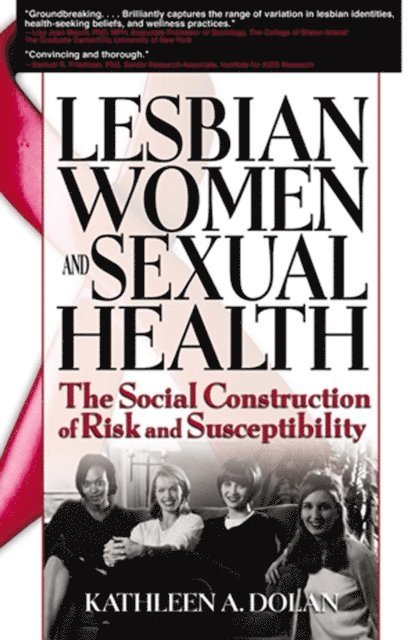
Why do so many lesbian women engage in sexual behavior that puts their health, even their lives, at risk? Many know they''re at risk, yet somehow feel safe enough to behave as if there is no reason to practice safe sex. Lesbian Women and Sexual Health: The Social Construction of Risk and Susceptibility examines how lesbian women perceive their level of risk for HIV and other sexually transmitted infections (STIs). It describes how their perceptions of risk and susceptibility are shaped by factors such as sexual identity, cultural themes, and community knowledge - and how those perceptions impact on the very real HIV/STI risks that lesbian women face.
The genesis of Lesbian Women and Sexual Health: The Social Construction of Risk and Susceptibility lies in Kathleen Dolan’s exploratory study of this under-researched area, in which 162 structured interviews and 70 in-depth interviews were conducted with women who self-identify as lesbians. What these women have to say will inform, educate, and probably surprise you. Tables and figures make complex data easy to access and understand.
Lesbian women construct and label their identities and actions in complex ways that may lead to risky behavior. In the words of the women surveyed—and in Dr. Dolan’s insightful commentary—this book explores the ways in which lesbian women construct their perceptions of risk and susceptibility to seek answers to questions that include:
Do many lesbian women see themselves, to an extent, as immune to HIV contraction? How does their self-constructed sense of risk and susceptibility lead to making dangerous choices? Why, in spite of their professed willingness to engage in protective actions, do many lesbians not actually do so? Why do many lesbian women, and some of the health care professionals who serve them, feel that pap smears are not necessary for women who have sex only with other women—and what are the consequences of this opinion? What is the relationship between drug/alcohol use and risky sexual behaviors in lesbian women?Lesbian Women and Sexual Health: The Social Construction of Risk and Susceptibility is an important resource for women’s/lesbian health advocates, health care professionals, and courses in gay/women’s/medical studies. It addresses gaps in the existing research to enhance our understanding of the physical and mental health status of lesbian women, of risk factors and protective actions regarding HIV and STIs, and of the conditions for which protective actions actually reduce risk. Use it to update your knowledge of this under-studied area at the intersection of physical, emotional, and sexual health.
784 kr
Läs direkt efter köp
Interviewer: Where did you find out how to have safe lesbian sex?Val: I found out in jail.
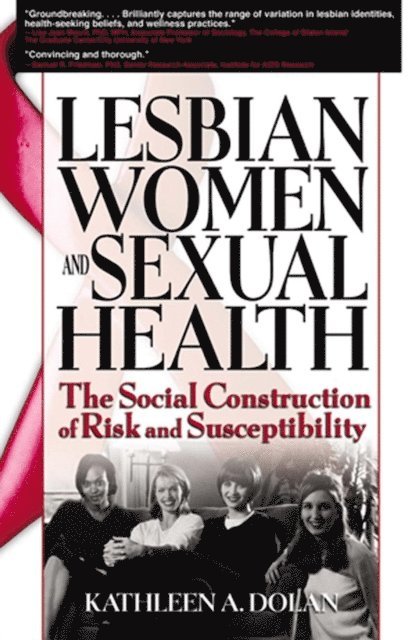
Why do so many lesbian women engage in sexual behavior that puts their health, even their lives, at risk? Many know they''re at risk, yet somehow feel safe enough to behave as if there is no reason to practice safe sex. Lesbian Women and Sexual Health: The Social Construction of Risk and Susceptibility examines how lesbian women perceive their level of risk for HIV and other sexually transmitted infections (STIs). It describes how their perceptions of risk and susceptibility are shaped by factors such as sexual identity, cultural themes, and community knowledge - and how those perceptions impact on the very real HIV/STI risks that lesbian women face.
The genesis of Lesbian Women and Sexual Health: The Social Construction of Risk and Susceptibility lies in Kathleen Dolan’s exploratory study of this under-researched area, in which 162 structured interviews and 70 in-depth interviews were conducted with women who self-identify as lesbians. What these women have to say will inform, educate, and probably surprise you. Tables and figures make complex data easy to access and understand.
Lesbian women construct and label their identities and actions in complex ways that may lead to risky behavior. In the words of the women surveyed—and in Dr. Dolan’s insightful commentary—this book explores the ways in which lesbian women construct their perceptions of risk and susceptibility to seek answers to questions that include:
Do many lesbian women see themselves, to an extent, as immune to HIV contraction? How does their self-constructed sense of risk and susceptibility lead to making dangerous choices? Why, in spite of their professed willingness to engage in protective actions, do many lesbians not actually do so? Why do many lesbian women, and some of the health care professionals who serve them, feel that pap smears are not necessary for women who have sex only with other women—and what are the consequences of this opinion? What is the relationship between drug/alcohol use and risky sexual behaviors in lesbian women?Lesbian Women and Sexual Health: The Social Construction of Risk and Susceptibility is an important resource for women’s/lesbian health advocates, health care professionals, and courses in gay/women’s/medical studies. It addresses gaps in the existing research to enhance our understanding of the physical and mental health status of lesbian women, of risk factors and protective actions regarding HIV and STIs, and of the conditions for which protective actions actually reduce risk. Use it to update your knowledge of this under-studied area at the intersection of physical, emotional, and sexual health.
730 kr
Läs direkt efter köp
730 kr
Läs direkt efter köp