Michel Rodrigo Zambrano Passarini – författare
Visar alla böcker från författaren Michel Rodrigo Zambrano Passarini. Handla med fri frakt och snabb leverans.
6 produkter
6 produkter
Inbunden, Engelska, 2025
2 178 kr
Skickas inom 10-15 vardagar
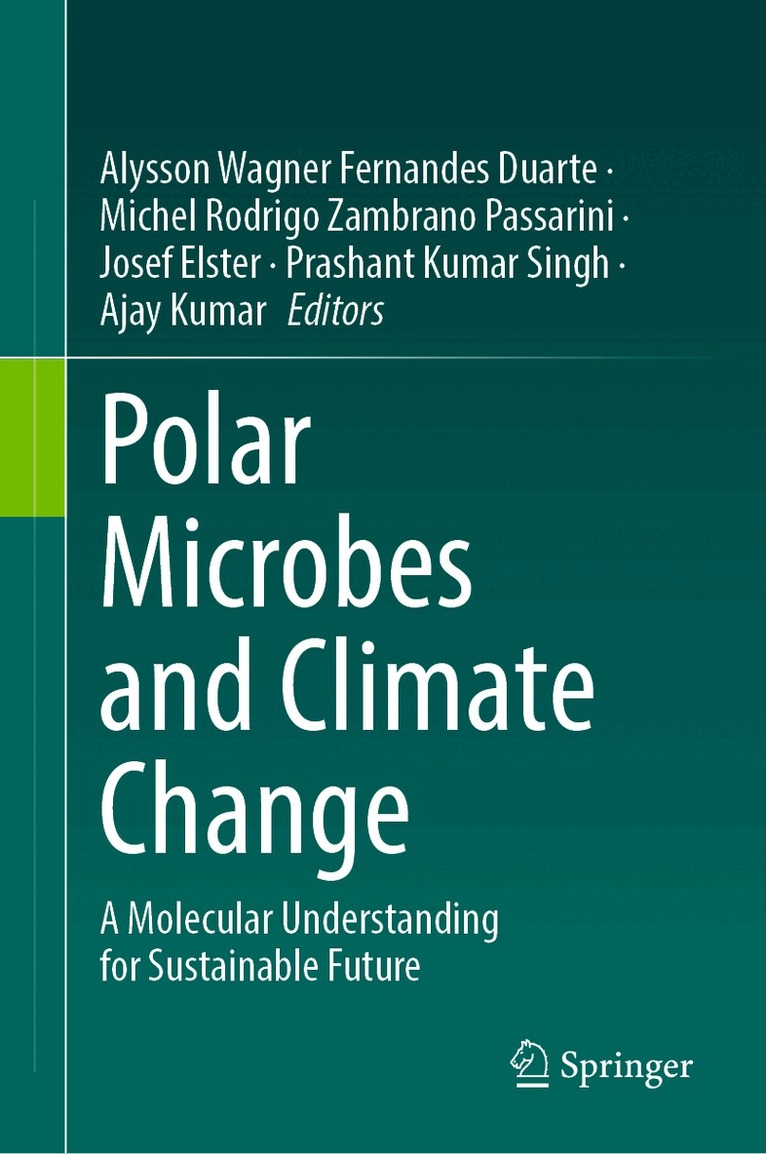
Recent studies on extremophiles have focused on thermophiles, microbes that thrive in high temperatures, while psychrophiles, which prefer cold environments, have received less attention. However, interest in cold-adapted microbes, especially those in polar regions, has increased significantly in recent decades. Given that much of Earth’s biosphere remains below 5°C, psychrophiles likely outnumber thermophiles. Oceans, covering over 75% of the planet, maintain deep water temperatures between 2–4°C. Antarctica offers both terrestrial and aquatic cold habitats, including ice that melts seasonally. Other cold ecosystems include permafrost, alpine soils, cold deserts, marine sediments, glaciers, and sea ice.This book explores microbial diversity and adaptation in extreme polar environments, emphasizing their potential for biotechnological applications. It presents a comprehensive overview of molecular diversity and genetic adaptations in cold-loving microorganisms. The chapters detail representative microbial groups, their habitats, and survival strategies in frigid conditions. It is designed for scientists interested in how life persists in extreme cold.To survive in such harsh climates, polar microbes have evolved specific regulatory mechanisms to respond to environmental stressors. Over the past decade, research has uncovered microbial responses to anthropogenic challenges like UV-B radiation, nutrient scarcity, desiccation, heavy metals, and temperature extremes. These studies have provided the basis for understanding gene regulatory pathways involved in morphological, physiological, and metabolic adaptations.Despite advances, the molecular diversity and adaptation mechanisms of polar microbes remain poorly studied. Research is dispersed, and there is a need for a unified resource. This book aims to fill that gap by offering a complete, up-to-date atlas of microbial life in polar regions, highlighting their unique adaptations and potential for future scientific and industrial exploration.
E-bok
Engelska, 20252 741 kr
Läs direkt efter köp
Recent studies on extremophiles have focused on thermophiles, microbes that thrive in high temperatures, while psychrophiles, which prefer cold environments, have received less attention. However, interest in cold-adapted microbes, especially those in polar regions, has increased significantly in recent decades. Given that much of Earth’s biosphere remains below 5°C, psychrophiles likely outnumber thermophiles. Oceans, covering over 75% of the planet, maintain deep water temperatures between 2–4°C. Antarctica offers both terrestrial and aquatic cold habitats, including ice that melts seasonally. Other cold ecosystems include permafrost, alpine soils, cold deserts, marine sediments, glaciers, and sea ice.This book explores microbial diversity and adaptation in extreme polar environments, emphasizing their potential for biotechnological applications. It presents a comprehensive overview of molecular diversity and genetic adaptations in cold-loving microorganisms. The chapters detail representative microbial groups, their habitats, and survival strategies in frigid conditions. It is designed for scientists interested in how life persists in extreme cold.To survive in such harsh climates, polar microbes have evolved specific regulatory mechanisms to respond to environmental stressors. Over the past decade, research has uncovered microbial responses to anthropogenic challenges like UV-B radiation, nutrient scarcity, desiccation, heavy metals, and temperature extremes. These studies have provided the basis for understanding gene regulatory pathways involved in morphological, physiological, and metabolic adaptations.Despite advances, the molecular diversity and adaptation mechanisms of polar microbes remain poorly studied. Research is dispersed, and there is a need for a unified resource. This book aims to fill that gap by offering a complete, up-to-date atlas of microbial life in polar regions, highlighting their unique adaptations and potential for future scientific and industrial exploration.
Inbunden, Engelska, 2023
1 961 kr
Skickas inom 10-15 vardagar
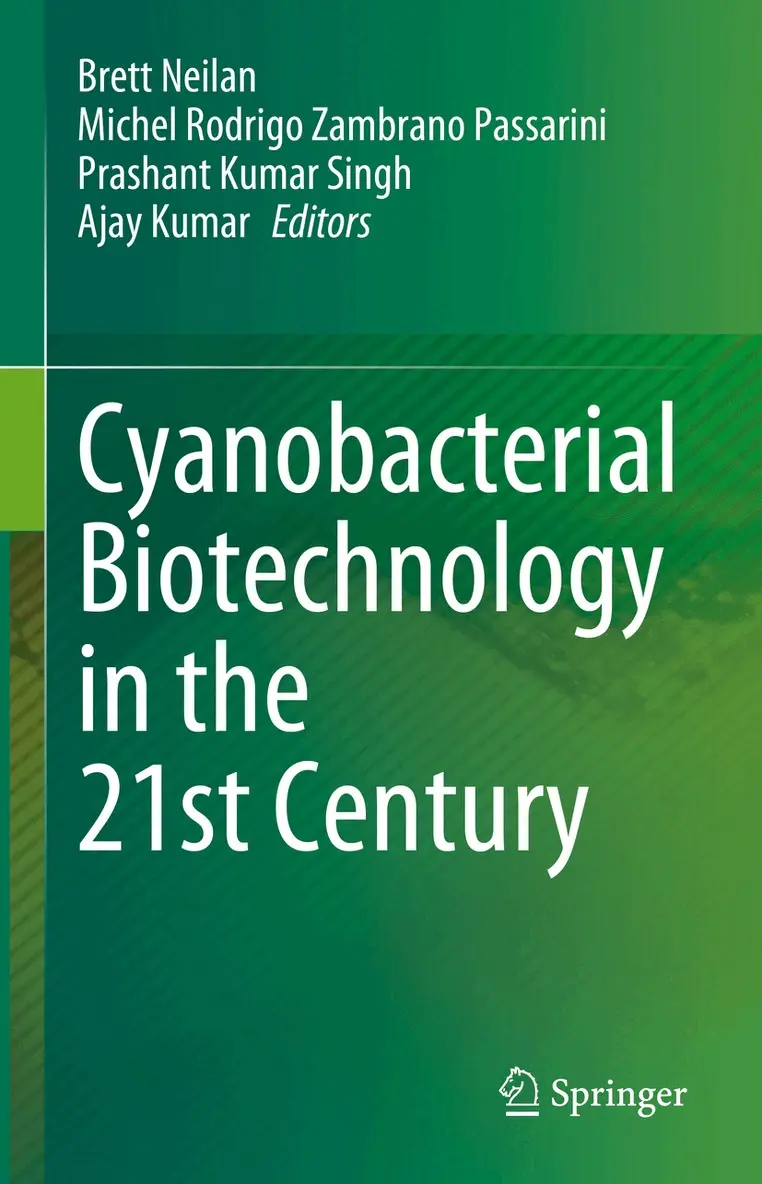
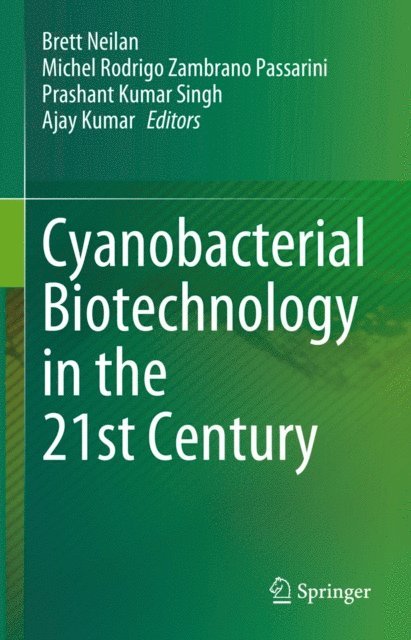
This book covers recent advances in cyanobacterial research. It deals with diversity, evolutionary biology, stress physiology, molecular biology of stress responses, and biotechnology of this group of prokaryotes. Cyanobacteria are ubiquitous and, undoubtedly, agriculturally microorganisms in terms of carbon and nitrogen fixation. In addition, cyanobacteria have long been used to fertilize crops and are a source of protein for humans. In parallel with the advances in cyanobacterial research in the 21st century, the development and application of innovative techniques in molecular biotechnology has widened the spectrum of commercial applications and potential exploitation of cyanobacteria. This book will be of interest to both new and experienced researchers involved in cyanobacterial molecular biology, ecology, and industrial biotechnology. This collection of chapters from experts also serves as essential reading for undergraduate and graduate students of to understand the importance of cyanobacteria in agriculture, ecology, microbial physiology, and environmental sciences.
E-bok
Engelska, 20232 443 kr
Läs direkt efter köp
This book covers recent advances in cyanobacterial research. It deals with diversity, evolutionary biology, stress physiology, molecular biology of stress responses, and biotechnology of this group of prokaryotes. Cyanobacteria are ubiquitous and, undoubtedly, agriculturally microorganisms in terms of carbon and nitrogen fixation. In addition, cyanobacteria have long been used to fertilize crops and are a source of protein for humans. In parallel with the advances in cyanobacterial research in the 21st century, the development and application of innovative techniques in molecular biotechnology has widened the spectrum of commercial applications and potential exploitation of cyanobacteria. This book will be of interest to both new and experienced researchers involved in cyanobacterial molecular biology, ecology, and industrial biotechnology. This collection of chapters from experts also serves as essential reading for undergraduate and graduate students of to understand the importance of cyanobacteria in agriculture, ecology, microbial physiology, and environmental sciences.
Engelska, 2023
625 kr
Skickas inom 5-8 vardagar
Häftad, Engelska, 2024
1 961 kr
Skickas inom 10-15 vardagar
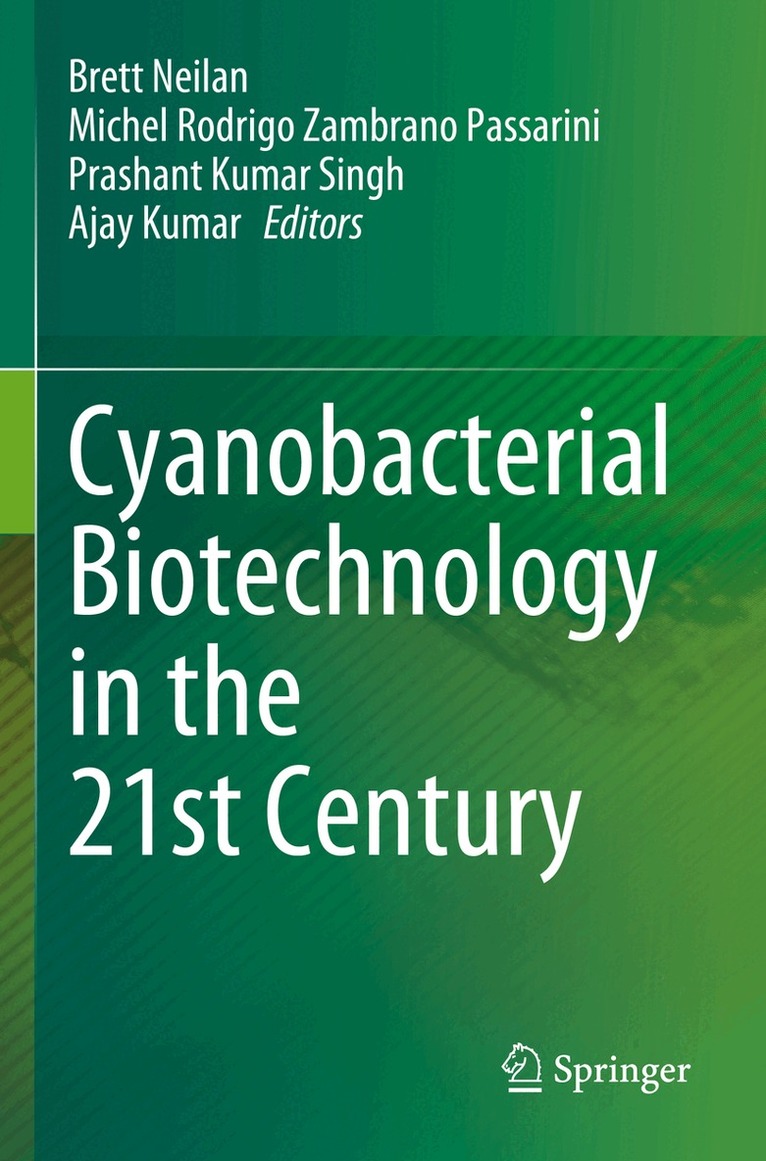
This book covers recent advances in cyanobacterial research. It deals with diversity, evolutionary biology, stress physiology, molecular biology of stress responses, and biotechnology of this group of prokaryotes. Cyanobacteria are ubiquitous and, undoubtedly, agriculturally microorganisms in terms of carbon and nitrogen fixation. In addition, cyanobacteria have long been used to fertilize crops and are a source of protein for humans. In parallel with the advances in cyanobacterial research in the 21st century, the development and application of innovative techniques in molecular biotechnology has widened the spectrum of commercial applications and potential exploitation of cyanobacteria. This book will be of interest to both new and experienced researchers involved in cyanobacterial molecular biology, ecology, and industrial biotechnology. This collection of chapters from experts also serves as essential reading for undergraduate and graduate students of to understand the importance of cyanobacteria in agriculture, ecology, microbial physiology, and environmental sciences.