Michele Renee Salzman – författare
Visar alla böcker från författaren Michele Renee Salzman. Handla med fri frakt och snabb leverans.
10 produkter
On Roman Time
The Codex-Calendar of 354 and the Rhythms of Urban Life in Late Antiquity
Inbunden, 1991
1013 kr
Lägg i varukorg
Because they list all the public holidays and pagan festivals of the age, calendars provide unique insights into the culture and everyday life of ancient Rome. "The Codex-Calendar of 354" miraculously survived the Fall of Rome. Although it was subsequently lost, the copies made in the Renaissance …
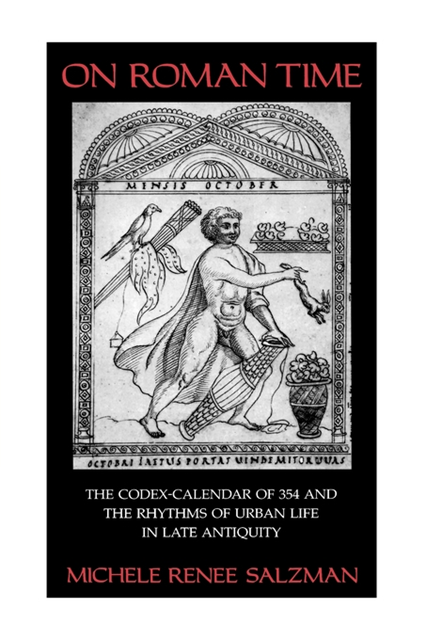
On Roman Time
The Codex-Calendar of 354 and the Rhythms of Urban Life in Late Antiquity
E-bok, 1991
1249 kr
Lägg i varukorg
Because they list all the public holidays and pagan festivals of the age, calendars provide unique insights into the culture and everyday life of ancient Rome. The Codex-Calendar of 354 miraculously survived the Fall of Rome. Although it was subsequently lost, the copies made in the Renaissance …
Making of a Christian Aristocracy
Social and Religious Change in the Western Roman Empire
Häftad, 2004
374 kr
Lägg i varukorg
What did it take to cause the Roman aristocracy to turn to Christianity, changing centuries-old beliefs and religious traditions? Michele Salzman takes a fresh approach to this much-debated question. Focusing on a sampling of individual aristocratic men and women as well as on writings and …
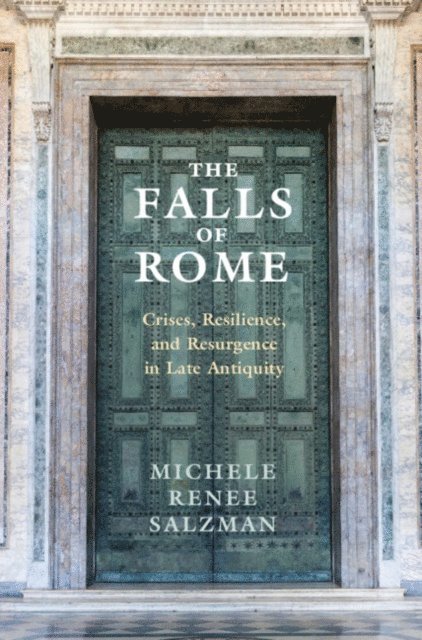
Falls of Rome
Crises, Resilience, and Resurgence in Late Antiquity
E-bok, 2021
362 kr
Lägg i varukorg
Over the course of the fourth through seventh centuries, Rome witnessed a succession of five significant political and military crises, including the Sack of Rome, the Vandal occupation, and the demise of the Senate. Historians have traditionally considered these crises as defining events, and thus …
Falls of Rome
Crises, Resilience, and Resurgence in Late Antiquity
E-bok, 2021
370 kr
Lägg i varukorg
Over the course of the fourth through seventh centuries, Rome witnessed a succession of five significant political and military crises, including the Sack of Rome, the Vandal occupation, and the demise of the Senate. Historians have traditionally considered these crises as defining events, and thus …
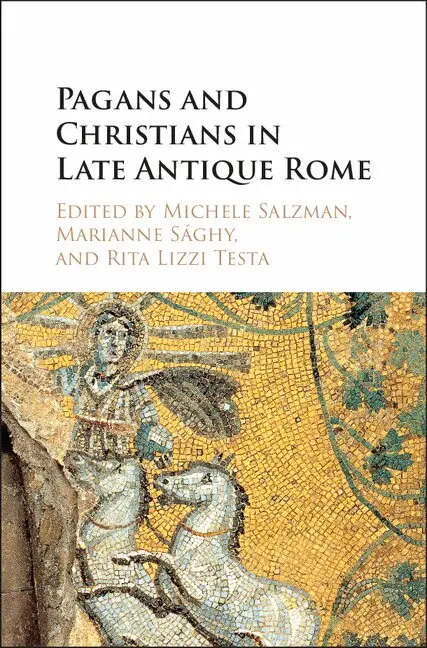
Pagans and Christians in Late Antique Rome
Conflict, Competition, and Coexistence in the Fourth Century
Av Michele Renee Salzman, Marianne Sághy m. fl.
Inbunden, 2015
1887 kr
Lägg i varukorg
This book sheds new light on the religious and consequently social changes taking place in late antique Rome. The essays in this volume argue that the once-dominant notion of pagan-Christian religious conflict cannot fully explain the texts and artifacts, as well as the social, religious, and …
The Falls of Rome
Crises, Resilience, and Resurgence in Late Antiquity
Inbunden, 2021
592 kr
Lägg i varukorg
Over the course of the fourth through seventh centuries, Rome witnessed a succession of five significant political and military crises, including the Sack of Rome, the Vandal occupation, and the demise of the Senate. Historians have traditionally considered these crises as defining events, and thus …
Falls of Rome
Crises, Resilience, and Resurgence in Late Antiquity
Häftad, 2024
384 kr
Lägg i varukorg
Over the course of the fourth through seventh centuries, Rome witnessed a succession of five significant political and military crises, including the Sack of Rome, the Vandal occupation, and the demise of the Senate. Historians have traditionally considered these crises as defining events, and thus …
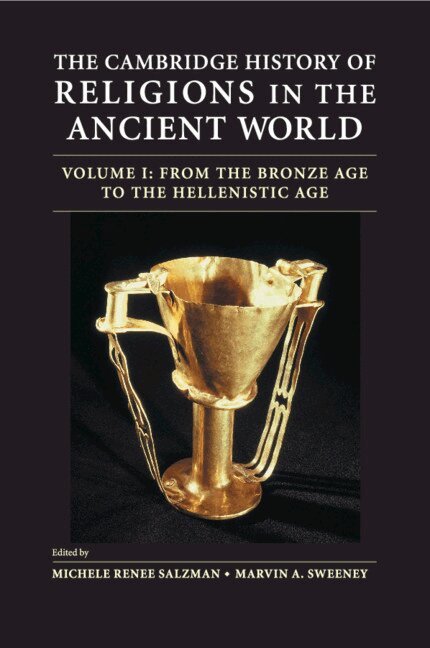
The Cambridge History of Religions in the Ancient World: Volume 1, From the Bronze Age to the Hellenistic Age
Av Michele Renee Salzman, Marvin A. Sweeney
Häftad, 2018
471 kr
Lägg i varukorg
The Cambridge History of Religions in the Ancient World provides a comprehensive and in-depth analysis of the religions of the ancient Near East and Mediterranean world. The fourteen essays in Volume 1 begin in the third millennium BCE with the Sumerians and extend to the fourth century BCE through …
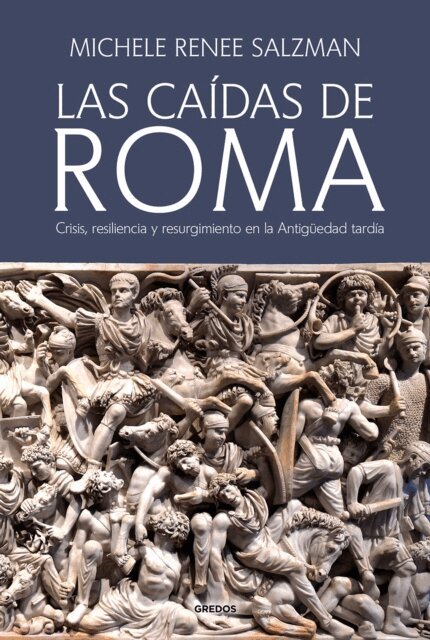
Las caídas de Roma
Crisis, resiliencia y resurgimiento en la Antigüedad tardía
E-bok, 2025
144 kr
Lägg i varukorg
ROMA EN LA ANTIGÜEDAD TARDÍA: UNA HISTORIA DE CRISIS, RESILIENCIA Y RESURGIMENTOEntre finales del siglo III y el VII, Roma sufrió cinco grandes crisis políticas y militares, entre las que estaban el célebre saqueo, la ocupación vándala y la desaparición del Senado. Tradicionalmente los …