Matematik med mening visar hur matematikundervisning kan förändras på djupet. Genom nära samarbeten med lärare identifieras didaktiska utmaningar och lösningar, där begrepp, resonemang och förståelse sätts i centrum.Boken beskriver olika verktyg för att analysera och utveckla undervisning: IRE-sekvensen för att förstå samtalsmönster, ICAP-ramverket för att kategorisera elevaktivitet och flera konkreta strategier för att hantera matematikens språkliga och begreppsliga fallgropar.Med tydliga exempel synliggörs de matematiska processer som ofta döljs bakom formler och regler – och hur undervisningen kan fördjupas även i vardagens villkor. I stället för att förenkla, handlar det om att förtydliga och på så sätt göra undervisningen mer meningsfull.Matematik med mening är speciellt framtagen för att vara en resurs för matematiklärare och lärarutbildare som söker nya perspektiv i undervisningen och vill inspirera till ett djupare matematiskt tänkande.
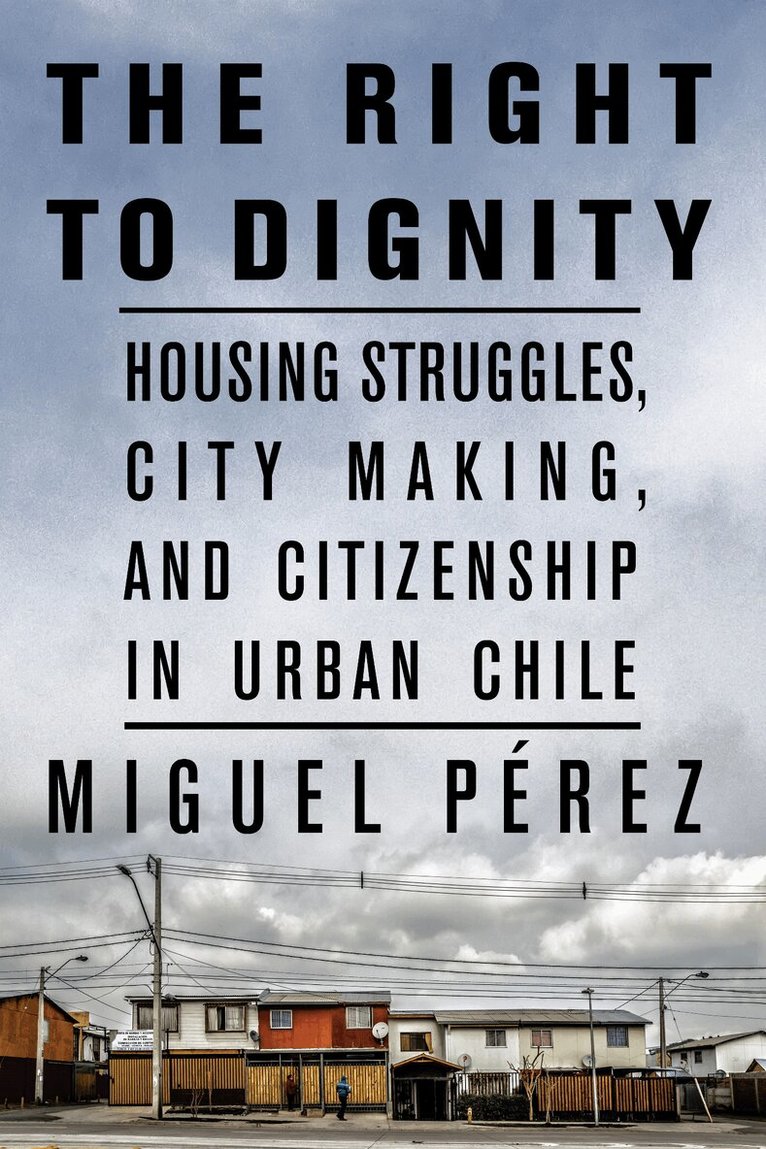
In the poorest neighborhoods of Santiago, Chile, low-income residents known as pobladores have long lived at the margins—and have long advocated for the right to housing as part of la vida digna (a life with dignity). From 2011 to 2015, anthropologist Miguel Pérez conducted fieldwork among the pobladores of Santiago, where the urban dwellers and activists he met were part of an emerging social movement that demanded dignified living conditions, the right to remain in their neighborhoods of origin, and, more broadly, recognition as citizens entitled to basic rights. This ethnographic account raises questions about state policies that conceptualize housing as a commodity rather than a right, and how poor urban dwellers seek recognition and articulate political agency against the backdrop of neoliberal policies.By scrutinizing how Chilean pobladores constitute themselves as political subjects, this book reveals the mechanisms through which housing activists develop new imaginaries of citizenship in a country where the market has been the dominant force organizing social life for almost forty years. Pérez considers the limits and potentialities of urban movements, framed by poor people's involvement in subsidy-based programs, as well as the capacity of low-income residents to struggle against the commodification of rights by claiming the right to dignity: a demand based on a moral category that would ultimately become the driving force behind Chile's 2019 social uprising.
¿Alguien se habría imaginado que, en un hospital, además de médicos y personal sanitario, habría otro tipo de profesionales? En principio, estas personas no se dedican a asuntos relacionados con la salud, pero realizan una tarea imprescindible para el proceso hospitalario. Hablamos de maestros. ¿Alguien se habría imaginado que, en un hospital, podría existir una escuela que se ocupase de atender a los pacientes en edad escolar?Esta historia es el testimonio inspirador de Miguel Pérez, maestro de Educación Especial en el Aula Hospitalaria CPEE Hospital del Niño Jesús en Madrid, y su experiencia como educador de los niños que se han visto obligados a pasar sus días en un hospital. Y es también la historia de algunos de estos maestros, que abandonaron su entorno natural, las escuelas e institutos, para dedicarse a la atención de los pequeños pacientes en las aulas hospitalarias de los hospitales pediátricos y al servicio de la misma especialidad en otros hospitales generalistas.Estas páginas guiarán a los lectores hacia el conocimiento de una profesión que requiere de una gran vocación y entrega, la de los maestros de hospital.
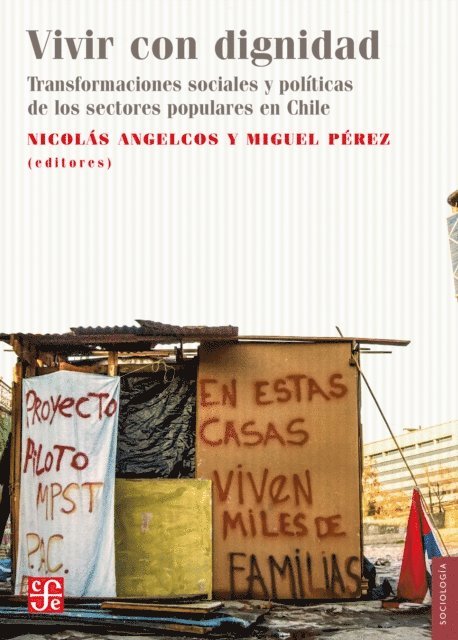
Durante el estallido social de 2019, la palabra "dignidad" fue ampliamente utilizada por los manifestantes para expresar sus distintas demandas. Históricamente, los sectores populares también la han usado para exigir reconocimiento y protección por parte del Estado. En este libro, a partir de diversas investigaciones realizadas durante los últimos años, se analiza qué significa vivir dignamente para los sectores populares en la actualidad. Estamos en presencia de grupos altamente heterogéneos que, pese a progresos significativos en sus condiciones de vida respecto a generaciones anteriores, mantienen una posición marginal en la ciudad y en el campo político. Sin embargo, contrario al sentido común, que los describe como grupos apáticos o desinteresados en los asuntos públicos, se mostrará cómo reflexionan y se movilizan por mejorar sus vidas y las de sus vecinos. Tanto en clave histórica como contemporánea, Vivir con Dignidad es una lectura ineludible y necesaria para el estudio de los sectores populares, su heterogeneidad y compleja interacción con la política institucional y procesos de democratización recientes. De forma distintiva, este trabajo reúne a una generación de investigadores e investigadoras que han contribuido a la renovación de este campo, incorporando desafíos epistemológicos, conceptuales y metodológicos. Resulta particularmente valiosa la articulación con temas de género, interculturalidad y socioambientales, proponiendo una visión amplia de los procesos de politización. María Luisa Méndez. Directora de coes y académica del Instituto de Estudios Urbanos y Territoriales (ieut) de la Pontificia Universidad Católica de Chile.
Se pone en perspectiva el quehacer y las prácticas de un actor social que ha logrado recomponerse y renacer, recuperando las raíces y memorias de sus antecesores, resignificando su lucha por la vivienda frente a políticas neoliberales segregadoras. Releva a las pobladoras, grandes protagonistas, porque para ellas, la casa propia cristaliza su condición de ciudadanas y su derecho a la vida digna.