Mihaela Popa-Wyatt – författare
2 416 kr
Skickas inom 10-15 vardagar
771 kr
Läs direkt efter köp
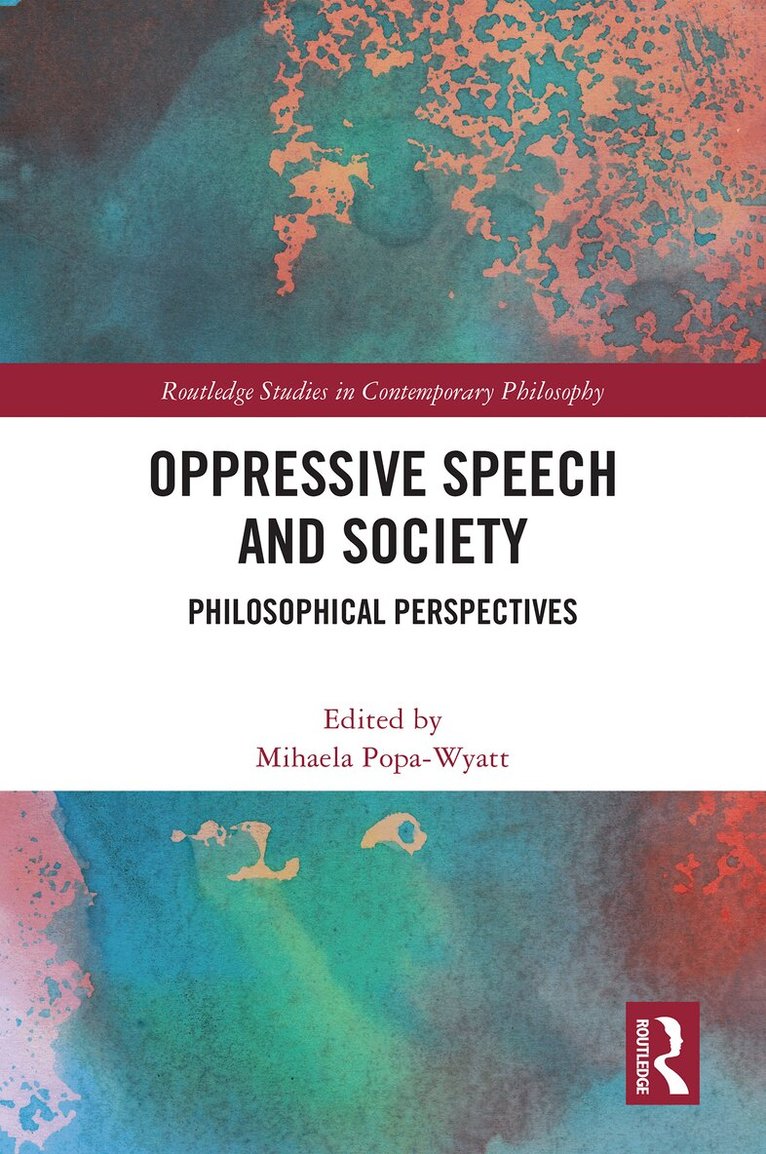
This volume offers a set of theoretical frameworks for understanding the relationship between oppressive speech and the social structures within which it operates. Central to the volume is the fact that oppressive speech doesn’t just harm the target during a conversation; it serves to establish and maintain oppressive norms and structures.
The chapters in this volume examines how linguistic acts can have adverse social effects. Additionally, it considers the linguistic and nonlinguistic actions that can undo or prevent conversational and social harms. The chapters are divided into three thematic parts. Part I explains the nature of slurs. These chapters define their conceptual boundaries, forms, and linguistic patterns, as well as the mechanisms via which conversational harm is brought about. Part II considers how oppressive speech changes social norms, establishes oppressive norms, and how long-term harm and cumulative harm emerge. Finally, Part III focuses on response and remedy, considering the actions available to speakers and hearers in addressing and countering oppressive speech.
Oppressive Speech and Society will be of interest to scholars and advanced students working at the intersection of philosophy of language and social and political philosophy.

774 kr
Läs direkt efter köp
This volume offers a set of theoretical frameworks for understanding the relationship between oppressive speech and the social structures within which it operates. Central to the volume is the fact that oppressive speech doesn’t just harm the target during a conversation; it serves to establish and maintain oppressive norms and structures.
The chapters in this volume examines how linguistic acts can have adverse social effects. Additionally, it considers the linguistic and nonlinguistic actions that can undo or prevent conversational and social harms. The chapters are divided into three thematic parts. Part I explains the nature of slurs. These chapters define their conceptual boundaries, forms, and linguistic patterns, as well as the mechanisms via which conversational harm is brought about. Part II considers how oppressive speech changes social norms, establishes oppressive norms, and how long-term harm and cumulative harm emerge. Finally, Part III focuses on response and remedy, considering the actions available to speakers and hearers in addressing and countering oppressive speech.
Oppressive Speech and Society will be of interest to scholars and advanced students working at the intersection of philosophy of language and social and political philosophy.

1 555 kr
Skickas inom 10-15 vardagar
1 687 kr
Läs direkt efter köp
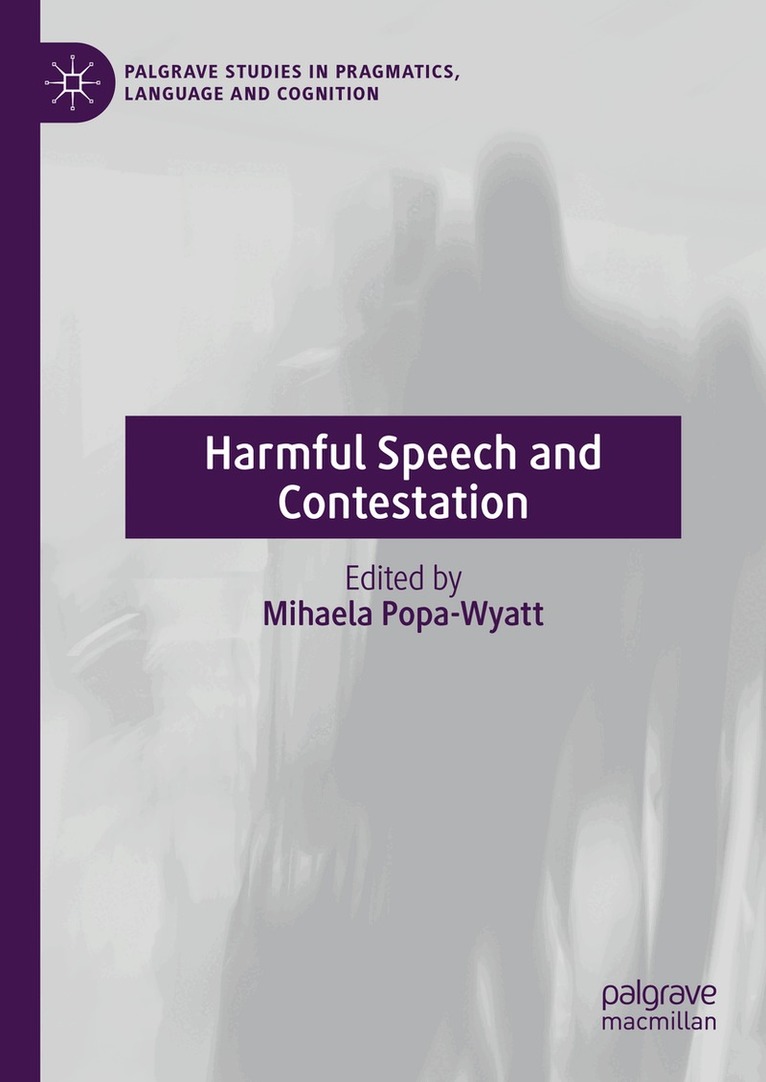
This edited book explores how harmful speech works, how it can be used to change societies in bad ways and how we can defend against it. Harmful speech comes in a variety of forms, including hate speech, dehumanizing speech, misogynistic speech, derogatory speech, misgendering, marginalizing speech, and much more. What is common to all these types of speech is that they don’t just offend but seek to harm members of vulnerable groups, so that they feel humiliated, attacked, denigrated, silenced, and dehumanised. These harms are not confined to the conversation in which such speech is used, but may involve various downstream effects such as moral, social, and epistemic harms. Harmful speech may also shift social norms by changing people’s opinions and ultimately changing norms about how targets ought to be treated. Harmful speech uses this effect to establish and maintain oppressive norms, entrench hierarchies and shape power relations. The contributions in this volume examine the mechanisms underlying various forms of harmful speech and possible responses and remedies. They combine a variety of tools and perspectives, including philosophy of language, linguistics, ethnography, with a particular focus on issues in the semantics/pragmatics of derogatory expressions, speech acts and conversational dynamics. The chapters bring these conversations together and highlight the ways in which philosophers of language have sought to build bridges in recent years with social and political philosophy concerned with the nature of oppression and responses to it. These topics offer the opportunity for a valuable integration of insights from different perspectives.
1 259 kr
Skickas inom 10-15 vardagar