Mike Dorcas - Böcker
Visar alla böcker från författaren Mike Dorcas. Handla med fri frakt och snabb leverans.
3 produkter
3 produkter
498 kr
Tillfälligt slut
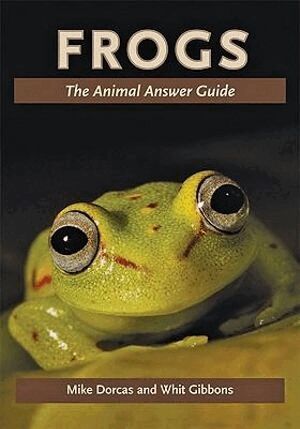
Frogs are amazingly diverse-ranging from the massive goliath frog, which weighs several pounds, to the recently discovered gold frog, which measures a mere three-eighths of an inch when fully grown-and have inhabited the earth for more than 200 million years. Today, however, these amphibians face more challenges than any other vertebrate group. In this fun and informative book, herpetologists Mike Dorcas and Whit Gibbons answer common and not-so-common questions people may have about these fascinating animals. Dorcas and Gibbons discuss how frogs evolved, which species currently exist in the world, and why some have recently gone extinct. They reveal what frogs eat and what eats them, their role in cultures across the globe, why many populations are declining and what we can do to reverse this dangerous trend, why there are deformed frogs, and much more. They answer expected questions such as "What is the difference between a frog and a toad?" and "Why do some people lick toads?" and unexpected ones such as "Why do some frogs lay their eggs in the leaves of trees?" and "Do frogs feel pain?"The authors' easy-to-understand yet thorough explanations provide insight into the amazing biology of this amphibian group. In addressing conservation questions, Dorcas and Gibbons highlight the frightening implications of the current worldwide amphibian crisis, which many scientists predict will bring extinction rates experienced by frog species to levels not seen in any vertebrate animal group in millions of years. Packed with facts and featuring two color galleries and 70 black-and-white photographs, Frogs: The Animal Answer Guide is sure to address the questions on the minds of curious naturalists.
317 kr
Skickas inom 7-10 vardagar
Frogs are amazingly diverse-ranging from the massive goliath frog, which weighs several pounds, to the recently discovered gold frog, which measures a mere three-eighths of an inch when fully grown-and have inhabited the earth for more than 200 million years. Today, however, these amphibians face more challenges than any other vertebrate group. In this fun and informative book, herpetologists Mike Dorcas and Whit Gibbons answer common and not-so-common questions people may have about these fascinating animals. Dorcas and Gibbons discuss how frogs evolved, which species currently exist in the world, and why some have recently gone extinct. They reveal what frogs eat and what eats them, their role in cultures across the globe, why many populations are declining and what we can do to reverse this dangerous trend, why there are deformed frogs, and much more. They answer expected questions such as "What is the difference between a frog and a toad?" and "Why do some people lick toads?" and unexpected ones such as "Why do some frogs lay their eggs in the leaves of trees?" and "Do frogs feel pain?"The authors' easy-to-understand yet thorough explanations provide insight into the amazing biology of this amphibian group. In addressing conservation questions, Dorcas and Gibbons highlight the frightening implications of the current worldwide amphibian crisis, which many scientists predict will bring extinction rates experienced by frog species to levels not seen in any vertebrate animal group in millions of years. Packed with facts and featuring two color galleries and 70 black-and-white photographs, Frogs: The Animal Answer Guide is sure to address the questions on the minds of curious naturalists.
334 kr
Skickas inom 3-6 vardagar
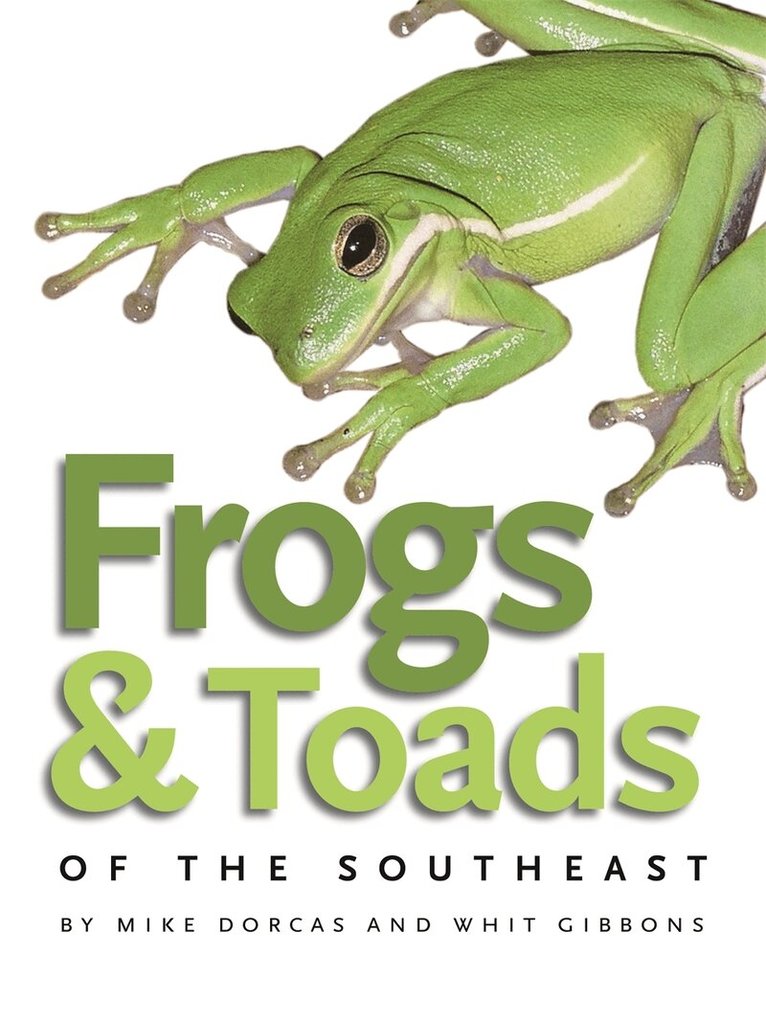
With more than forty native and introduced species of frogs and toads occurring in the southeastern United States, the region represents the heart of frog and toad diversity in the country. Renowned herpetologists Mike Dorcas and Whit Gibbons provide us with the most comprehensive and authoritative, yet accessible and fun-to-read, guide to these sometimes wet, sometimes warty wonders of nature.Dorcas and Gibbons enumerate the distinguishing characteristics of frogs and toads, including how they are different from other amphibians and the differences between a frog and a toad. Also discussed are the morphology of frogs and toads, the main groups to be found in the Southeast, and their habitats. Individual species accounts contain a physical description of the species plus information about distribution and habitat, behavior and activity, food and feeding, predators and defense, calls and vocalizations, reproduction and description of eggs and tadpoles, and conservation. Accompanying each account are photographs illustrating typical adults and variations and distribution maps for the Southeast and the United States.Given the recent worldwide decline in amphibian populations and increasing scientific and popular concern for what these declines mean for all other organisms, Frogs and Toads of the Southeast will appeal to people of all ages and levels of knowledge interested in natural history and conservation. The guide will help foster the growing interest in frogs and toads as well as cultivate a desire to protect and conserve these fascinating amphibians and their habitats.Features:Conservation-oriented approachApproximately 250 color photographsApproximately 45 distribution mapsClear description and photographs of each species in both tadpole and adult stagesChapters on identification, vocalizations, reproduction, global diversity (including remarkable species such as the gastric brooding frog, poison dart frogs, and saltwater frogs), and introduced speciesA selection of frog and toad vocalizations at www.ugapress.org/FrogsAndToads