Mike Hazas – författare
Visar alla böcker från författaren Mike Hazas. Handla med fri frakt och snabb leverans.
6 produkter
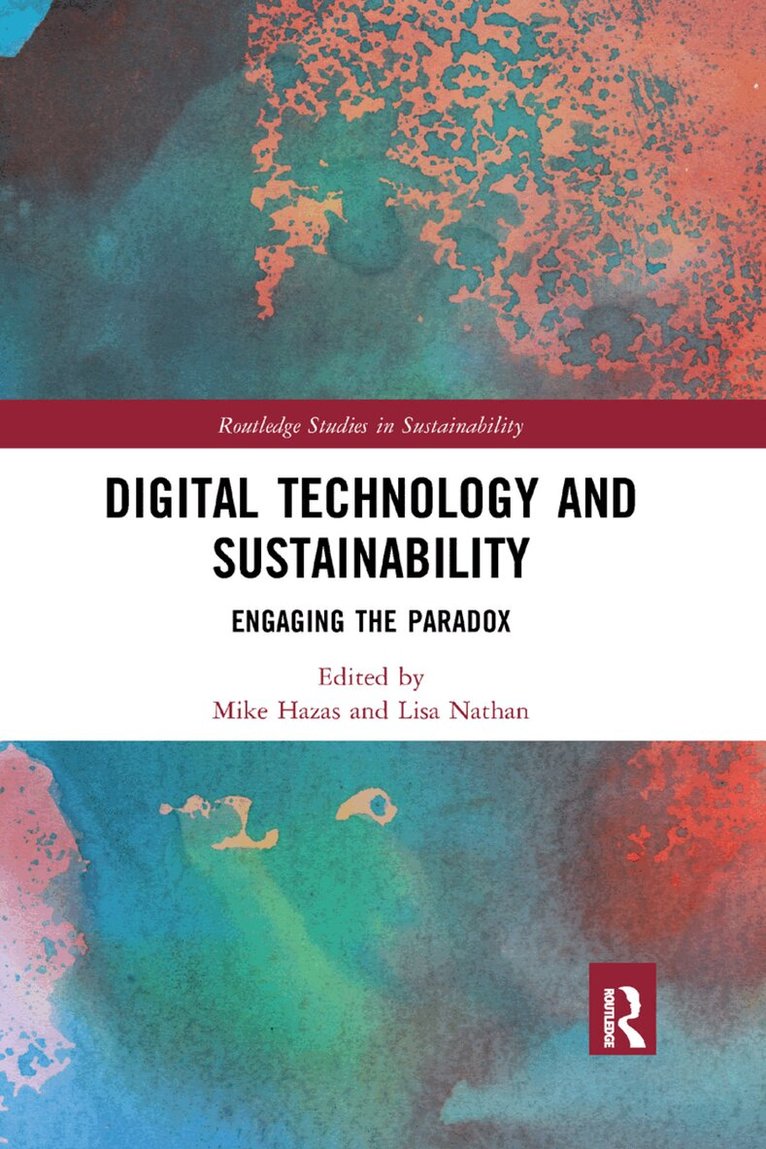
Digital Technology and Sustainability
Engaging the Paradox
Häftad, 2019
822 kr
Lägg i varukorg
This book brings together diverse voices from across the field of sustainable human computer interaction (SHCI) to discuss what it means for digital technology to support sustainability and how humans and technology can work together optimally for a more sustainable future.Contemporary digital …
Digital Technology and Sustainability
Engaging the Paradox
Inbunden, 2017
2510 kr
Lägg i varukorg
This book brings together diverse voices from across the field of sustainable human computer interaction (SHCI) to discuss what it means for digital technology to support sustainability and how humans and technology can work together optimally for a more sustainable future.Contemporary digital …
Digital Technology and Sustainability
Engaging the Paradox
E-bok, 2017
970 kr
Lägg i varukorg
This book brings together diverse voices from across the field of sustainable human computer interaction (SHCI) to discuss what it means for digital technology to support sustainability and how humans and technology can work together optimally for a more sustainable future. Contemporary digital …
Digital Technology and Sustainability
Engaging the Paradox
E-bok, 2017
970 kr
Lägg i varukorg
This book brings together diverse voices from across the field of sustainable human computer interaction (SHCI) to discuss what it means for digital technology to support sustainability and how humans and technology can work together optimally for a more sustainable future. Contemporary digital …
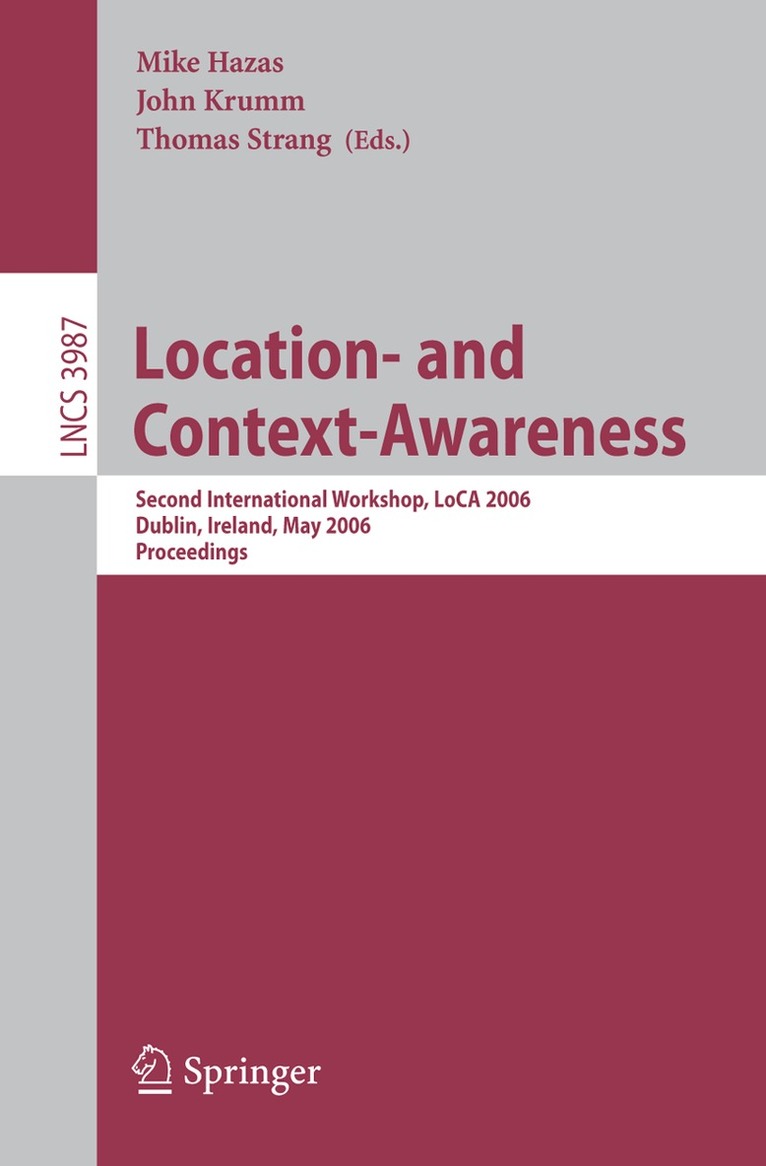
Location- and Context-Awareness
Second International Workshop, LoCA 2006, Dublin, Ireland, May 10-11, 2006, Proceedings
Av Mike Hazas, John Krumm m. fl.
Häftad, 2006
566 kr
Lägg i varukorg
nd These proceedings contain the papers presented at the 2 International Workshop on Location- and Context-Awareness in May of 2006. As computing moves increasingly into the everyday world, the importance of location and context knowledge grows. The range of contexts encountered while sitting at a …
Location- and Context-Awareness
Second International Workshop, LoCA 2006, Dublin, Ireland, May 10-11, 2006, Proceedings
Av Thomas Strang, John Krumm m. fl.
E-bok, 2006
739 kr
Lägg i varukorg
nd These proceedings contain the papers presented at the 2 International Workshop on Location- and Context-Awareness in May of 2006. As computing moves increasingly into the everyday world, the importance of location and context knowledge grows. The range of contexts encountered while sitting at a …