Miles Litvinoff – författare
Visar alla böcker från författaren Miles Litvinoff. Handla med fri frakt och snabb leverans.
11 produkter
Earthscan Action Handbook for People and Planet
Häftad, 2013
692 kr
Lägg i varukorg
We have poisoned the air and water on which our lives depend. Poor countries exhaust their land in the struggle to survive while rich countries demand more and more. The Earthscan Action Handbook spells out why things have gone so terribly wrong and what each of us can do to clean up the mess. Each …
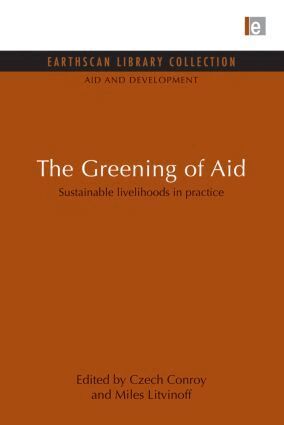
Greening of Aid
Sustainable livelihoods in practice
Av Czech Conroy, Miles Litvinoff
Häftad, 2013
692 kr
Lägg i varukorg
The development of poor countries has so often meant the export of Northern technology for ambitious schemes designed to make money � the latest giant dam, oil refinery, logging process or pesticide factory. But such 'aid' has frequently been ecologically destructive and its crippling cost has …
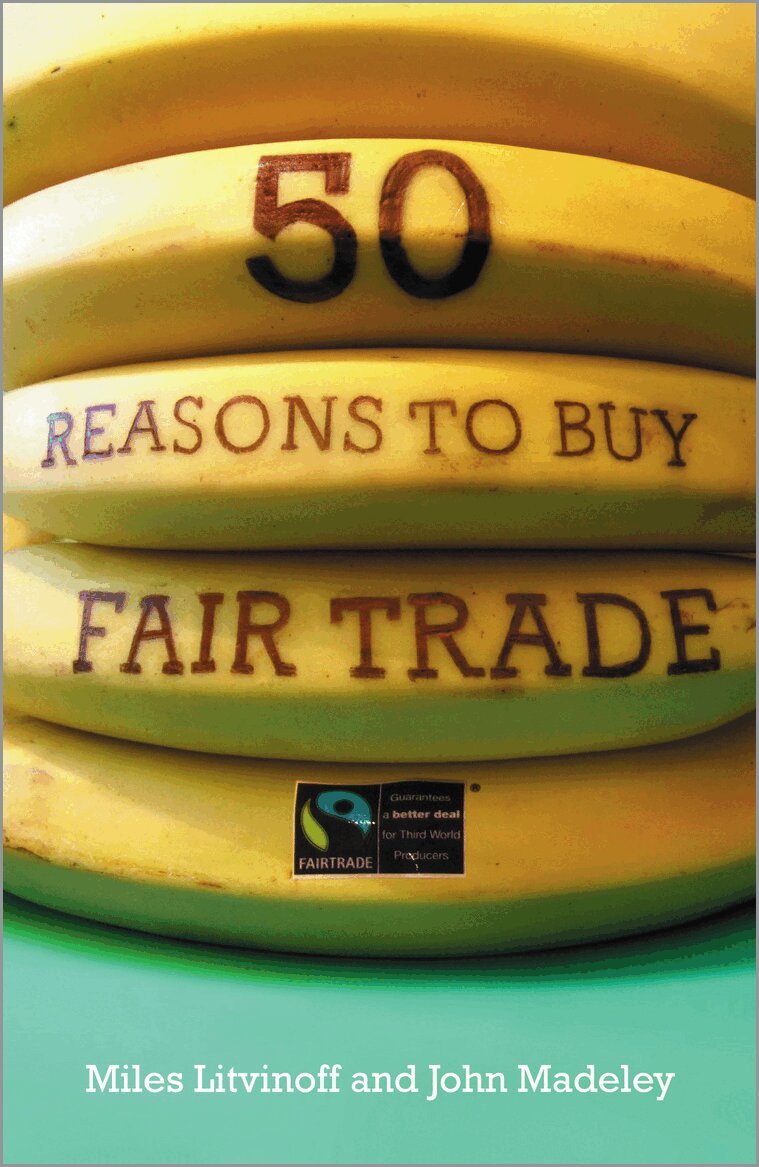
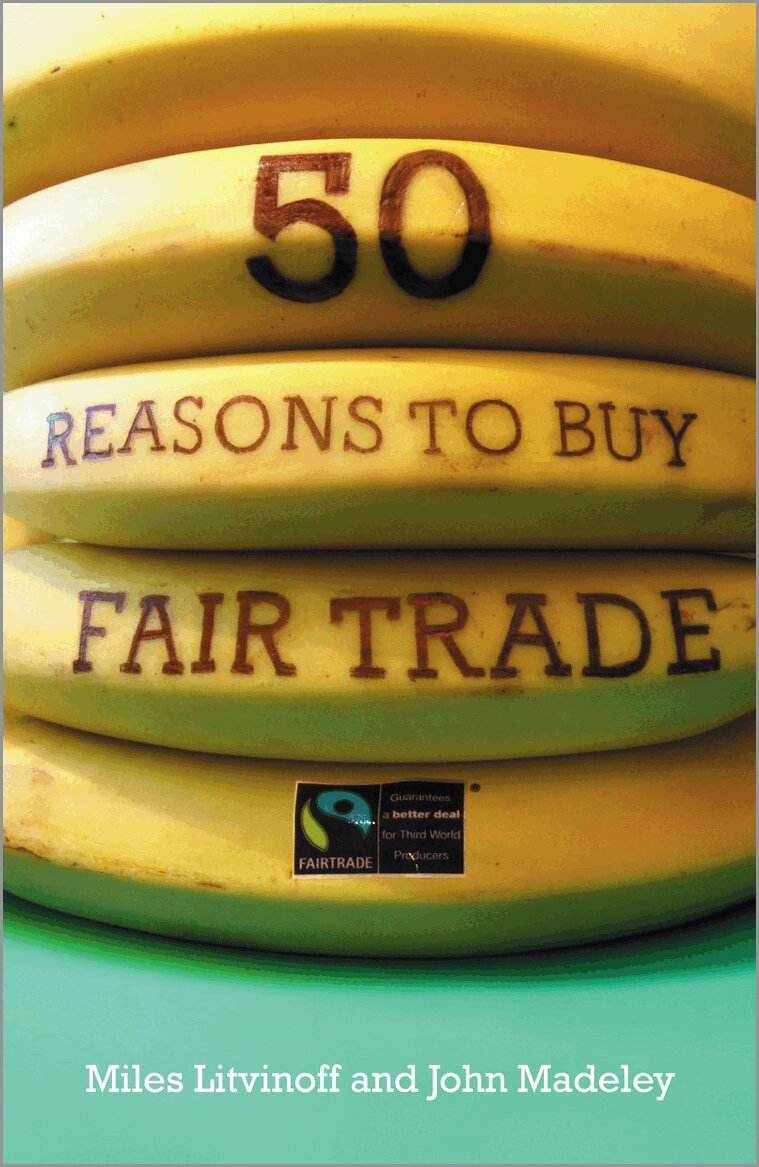
50 Reasons to Buy Fair Trade
Av Miles Litvinoff, John Madeley
Häftad, 2007
4,0 utav 5 stjärnor. Totalt antal röster: (1)
162 kr
Lägg i varukorg
Fair trade is a growing global movement. A huge and widening range of fair trade goods are now available in the shops. Why is fair trade so important? This book provides 50 reasons why buying fair trade delivers a host of benefits to people and the planet. It's an inspiring account of how every …
Earthscan Action Handbook for People and Planet
E-bok, 2013
796 kr
Lägg i varukorg
We have poisoned the air and water on which our lives depend. Poor countries exhaust their land in the struggle to survive while rich countries demand more and more. The Earthscan Action Handbook spells out why things have gone so terribly wrong and what each of us can do to clean up the mess. Each …
Earthscan Action Handbook for People and Planet
E-bok, 2013
814 kr
Lägg i varukorg
We have poisoned the air and water on which our lives depend. Poor countries exhaust their land in the struggle to survive while rich countries demand more and more. The Earthscan Action Handbook spells out why things have gone so terribly wrong and what each of us can do to clean up the mess. Each …
Greening of Aid
Sustainable livelihoods in practice
Av Miles Litvinoff, Czech Conroy
E-bok, 2013
814 kr
Lägg i varukorg
The development of poor countries has so often meant the export of Northern technology for ambitious schemes designed to make money , the latest giant dam, oil refinery, logging process or pesticide factory. But such ''aid'' has frequently been ecologically destructive and its crippling cost has …
Greening of Aid
Sustainable livelihoods in practice
Av Miles Litvinoff, Czech Conroy
E-bok, 2013
785 kr
Lägg i varukorg
The development of poor countries has so often meant the export of Northern technology for ambitious schemes designed to make money , the latest giant dam, oil refinery, logging process or pesticide factory. But such ''aid'' has frequently been ecologically destructive and its crippling cost has …
50 Reasons to Buy Fair Trade
Av John Madeley, Miles Litvinoff
E-bok, 2007
123 kr
Lägg i varukorg
Fair trade is a growing global movement. A huge and widening range of fair trade goods are now available in the shops. Why is fair trade so important? This book provides 50 reasons why buying fair trade delivers a host of benefits to people and the planet. It''s an inspiring account of how every …
Earthscan Action Handbook for People and Planet
Inbunden, 2009
2139 kr
Lägg i varukorg
We have poisoned the air and water on which our lives depend. Poor countries exhaust their land in the struggle to survive while rich countries demand more and more. The Earthscan Action Handbook spells out why things have gone so terribly wrong and what each of us can do to clean up the mess. Each …
Greening of Aid
Sustainable livelihoods in practice
Av Czech Conroy, Miles Litvinoff
Inbunden, 2009
2139 kr
Lägg i varukorg
The development of poor countries has so often meant the export of Northern technology for ambitious schemes designed to make money � the latest giant dam, oil refinery, logging process or pesticide factory. But such 'aid' has frequently been ecologically destructive and its crippling cost has …
50 Reasons to Buy Fair Trade
Av Miles Litvinoff, John Madeley
Inbunden, 2007
945 kr
Tillfälligt slut
Fair trade is a growing global movement. A huge and widening range of fair trade goods are now available in the shops. Why is fair trade so important? This book provides 50 reasons why buying fair trade delivers a host of benefits to people and the planet. It's an inspiring account of how every …