John Madeley - Böcker
Visar alla böcker från författaren John Madeley. Handla med fri frakt och snabb leverans.
9 produkter
9 produkter
142 kr
Skickas inom 7-10 vardagar
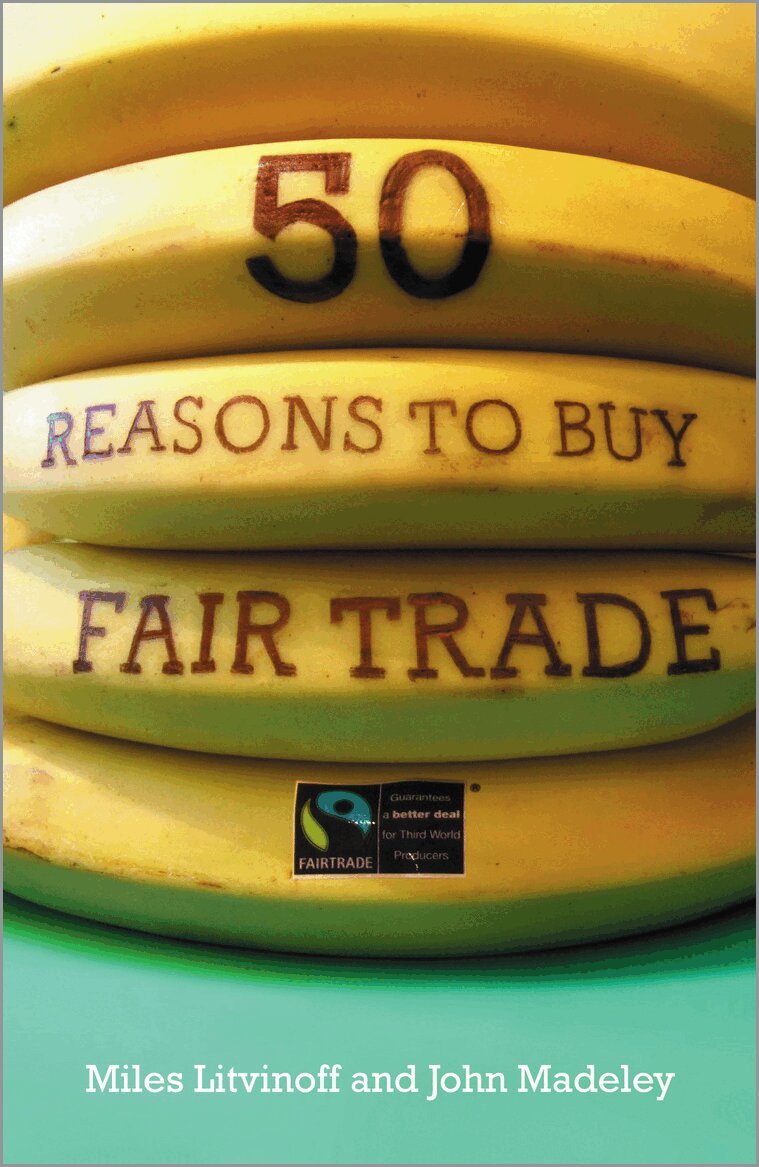
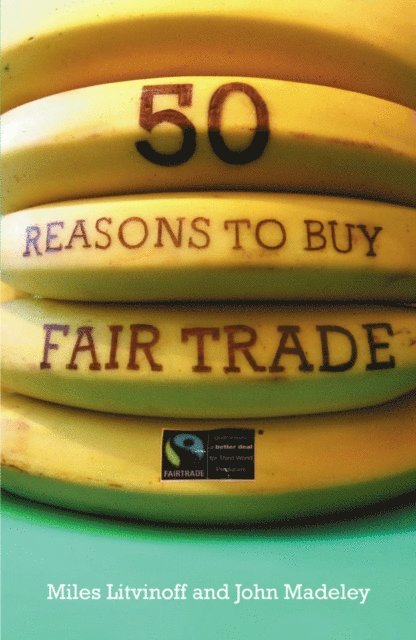
Fair trade is a growing global movement. A huge and widening range of fair trade goods are now available in the shops. Why is fair trade so important? This book provides 50 reasons why buying fair trade delivers a host of benefits to people and the planet. It's an inspiring account of how every consumer can play a part in improving and even saving lives and making global trade work better for poor people.Did you know that buying fair trade:-- Helps eradicate sweatshops-- Helps end child labour-- Reduces the debt burden on developing countries’ farmers-- Ensures small-scale farmers can earn a living wage-- Supports and protects the environment?This book provides a critical guide to international trade and shows that fair trade presents a realistic and positive alternative for farmers and producers in developing countries. By improving schools, healthcare and working conditions, the fair trade movement has already saved lives and empowered whole communities. This book shows how every consumer can help make a difference in the fight to end poverty and inequality.
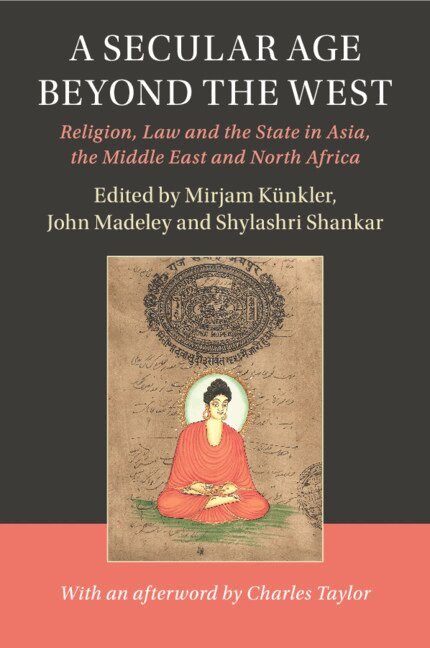
A Secular Age beyond the West
Religion, Law and the State in Asia, the Middle East and North Africa
Häftad, Engelska, 2019
507 kr
Skickas inom 7-10 vardagar
This book traces religion and secularity in eleven countries not shaped by Western Christianity (Japan, China, Indonesia, India, Pakistan, Iran, Russia, Turkey, Israel, Egypt, and Morocco), and how they parallel or diverge from Charles Taylor's grand narrative of the North Atlantic world, A Secular Age (2007). In all eleven cases, the state - enhanced by post-colonial and post-imperial legacies - highly determines religious experience, by variably regulating religious belief, practice, property, education and/or law. Taylor's core condition of secularity - namely, legal permissibility and social acceptance of open religious unbelief (Secularity III) - is largely absent in these societies. The areas affected by state regulation, however, differ greatly. In India, Israel and most Muslim countries, questions of religious law are central to state regulation. But it is religious education and organization in China, and church property and public practice in Russia that bear the brunt. This book explains these differences using the concept of 'differential burdening'.
A Secular Age beyond the West
Religion, Law and the State in Asia, the Middle East and North Africa
Inbunden, Engelska, 2018
1 455 kr
Skickas inom 7-10 vardagar
This book traces religion and secularity in eleven countries not shaped by Western Christianity (Japan, China, Indonesia, India, Pakistan, Iran, Russia, Turkey, Israel, Egypt, and Morocco), and how they parallel or diverge from Charles Taylor's grand narrative of the North Atlantic world, A Secular Age (2007). In all eleven cases, the state - enhanced by post-colonial and post-imperial legacies - highly determines religious experience, by variably regulating religious belief, practice, property, education and/or law. Taylor's core condition of secularity - namely, legal permissibility and social acceptance of open religious unbelief (Secularity III) - is largely absent in these societies. The areas affected by state regulation, however, differ greatly. In India, Israel and most Muslim countries, questions of religious law are central to state regulation. But it is religious education and organization in China, and church property and public practice in Russia that bear the brunt. This book explains these differences using the concept of 'differential burdening'.
488 kr
Skickas inom 10-15 vardagar
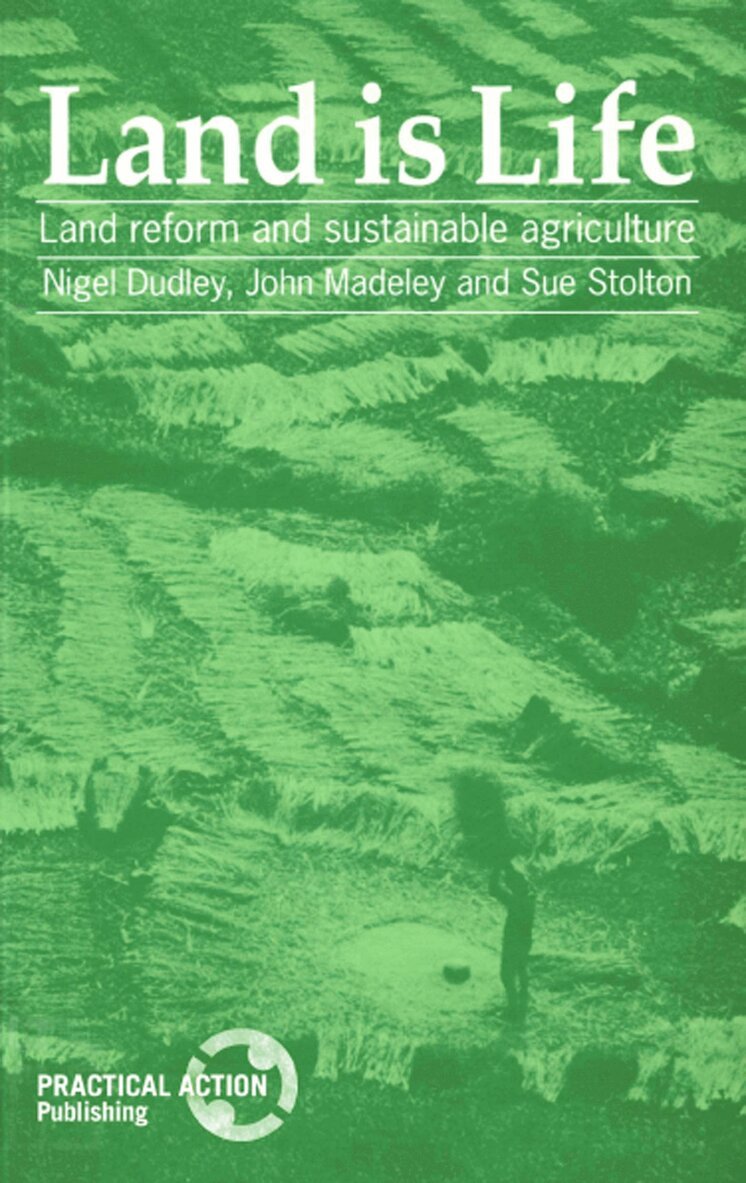
What kind of agriculture do we need to feed the world? World leaders have committed themselves to halving hunger by the year 2015 as a first step towards food for all. But is this an achievable target?John Madeley's new book shows we already have the experience on which to base a new approach to agricultural production and feeding the world's whole population. Millions need better access to the land from which the market forced them, and a more equitable income distribution so that the poor can afford the available food. This is part of the solution. But the other part is an innovative, multi-faceted move away from a monoculture production system dependent on ever more tractors and fossil fuels, dangerous chemicals, and hybrid seeds monopolized by a handful of giant corporations.Instead, he shows it is feasible to look to the spread of a low-external input approach, a reintegration of traditional farming techniques, new farming practices like organic agriculture and permaculture, and a range of 'green' technologies which can all play a role in bringing world agriculture back to a path which offers a viable livelihood to farmers, food for the hungry, and all without harming the environment.
1 209 kr
Skickas inom 10-15 vardagar
John Madeley has interviewed some of the world's most courageous campaigners and progressive thinkers, discovering their thoughts on globalization and what an alternative to it might look like. His interviewees include: Peggy Antrobus, Walden Bello, Barry Coates, Fiona Dove, Gustavo Esteva, Hazel Henderson, Francois Houtart, Martin Khor, David Korten, Caroline Lucas MEP, Helena Norberg-Hodge, Ann Pettifor, Devinder Sharma, Vandana Shiva, Victoria Tauli-Corpuz and many others. In doing so, Madelely strips bare the myth there are no alternatives to the present economic system.An inspiring and timely book of ideas and practical proposals for those campaigning for a world in which economic systems can benefit the poor, a world that is more just, humane, stable and conducive to the diversity of human cultures.
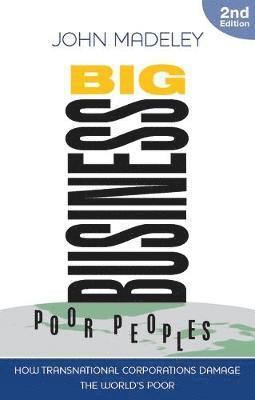
Big Business, Poor Peoples
How Transnational Corporations Damage the World's Poor
Häftad, Engelska, 2008
341 kr
Skickas inom 10-15 vardagar
Transnational corporations are one of the most important actors in the global economy, occupying a more powerful position than ever before. In their persistent battle to increase profits, they have increasingly turned to the developing world, a world that holds many attractions for them. But what is their impact on the poor?Now in its second edition, Big Business, Poor Peoples finds that these corporations are damaging the lives of millions of poor people in developing countries. Looking at every sector where transnational corporations are involved, this vital book is packed with detail on how the poor are affected. The book exposes how developing countries’ natural resources are being ceded to TNCs and how governments are unwilling or unable to control them. The author argues that TNCs, answerable to no one but their shareholders, have used their money, size and power to influence international negotiations and taken full advantage of the move towards privatization to influence government policies; sovereignty is passing into corporate hands, and the poor are paying the price. But people are fighting back: citizens, workers, and communities are exposing the corporations and looking for alternatives.The first edition of this path-breaking book put the issue of transnational corporations and the poor firmly on the agenda. This second edition contains significant new and updated material and is an essential read for anyone who wants to know more about the effects of corporate power on the poor.
258 kr
Skickas inom 5-8 vardagar
217 kr
Skickas inom 5-8 vardagar
314 kr
Skickas inom 10-15 vardagar
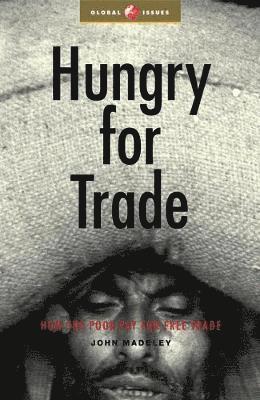
As the fallout from the Seattle meeting of the World Trade Organization (WTO) continues, John Madeley explores some key questions about the free trade that it advocates:Will free trade in food help or hinder the abolition of world hunger?Who benefits first? The poor? Or the transnational corporations?Will free trade help Third World farmers find new international markets?How can countries - North and South, rich and poor - protect their farmers?How can self-sufficiency in food production be achieved?His book exposes the contradiction between Western governments' rhetoric about reducing world poverty and the drive to yet more trade liberalization.