Milo Keynes – författare
Visar alla böcker från författaren Milo Keynes. Handla med fri frakt och snabb leverans.
14 produkter
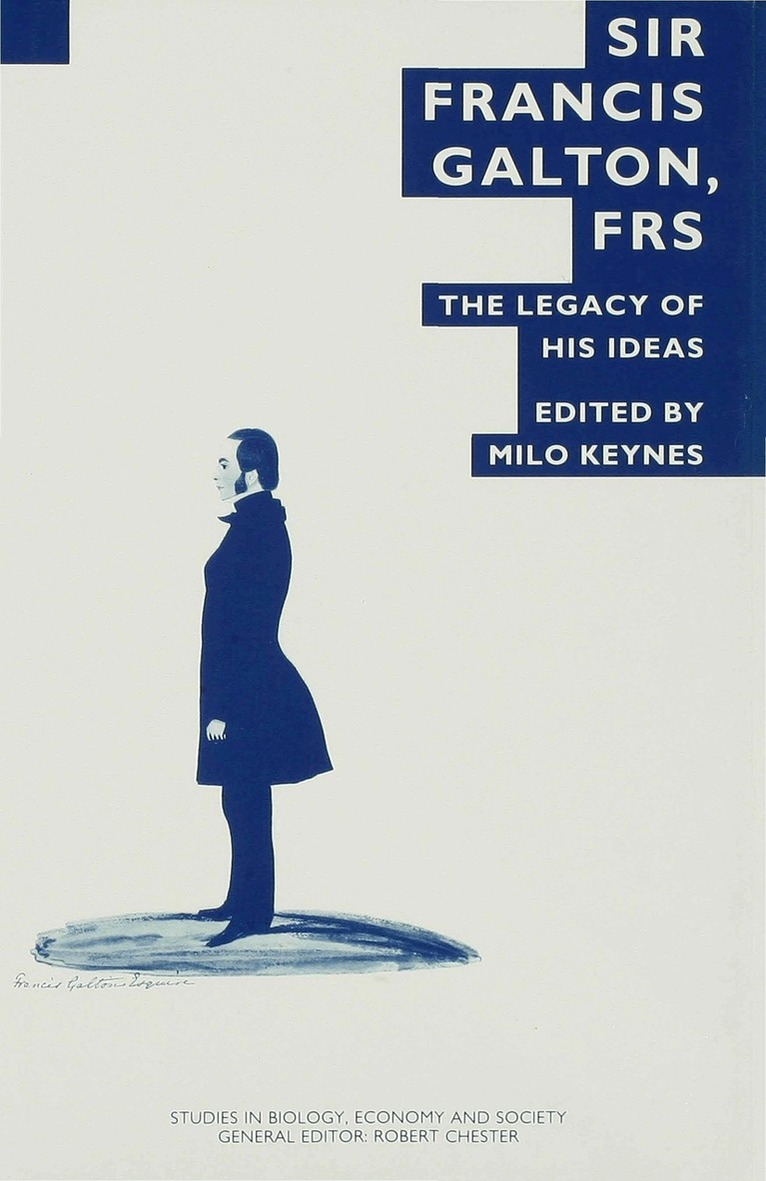
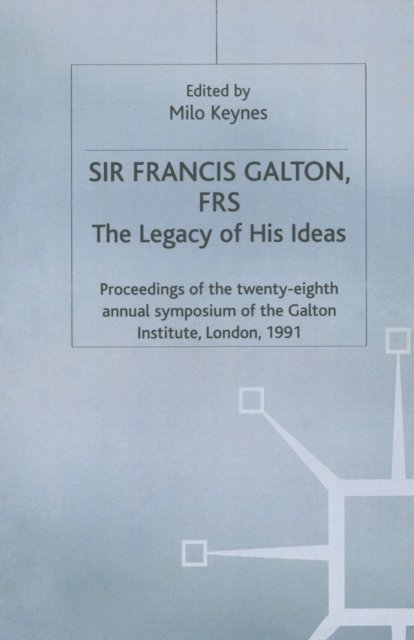
Sir Francis Galton, FRS
The Legacy of His Ideas
Av Milo Keynes
Inbunden, 1993
1740 kr
Lägg i varukorg
'...this is a splendid, first-class book, the definitive book on Francis Galton and his legacy. The editing has been superb...The timing of its publication is excellent in relation to the increasing interest in human genetics in all areas of the biological and behavioural sciences'.R.Plomin, …
Century of Mendelism in Human Genetics
Av Milo Keynes, A. W. F. Edwards m. fl.
Häftad, 2019
1069 kr
Lägg i varukorg
In 1901 William Bateson, Professor of Biology at Cambridge, published a renewed version of a lecture which he had delivered the year before to the Royal Horticultural Society in London (reprinted in the book as an appendix). In this lecture he recognized the importance of the work completed by …
Century of Mendelism in Human Genetics
Av Milo Keynes, A. W. F. Edwards m. fl.
Inbunden, 2004
3864 kr
Lägg i varukorg
In 1901 William Bateson, Professor of Biology at Cambridge, published a renewed version of a lecture which he had delivered the year before to the Royal Horticultural Society in London (reprinted in the book as an appendix). In this lecture he recognized the importance of the work completed by …
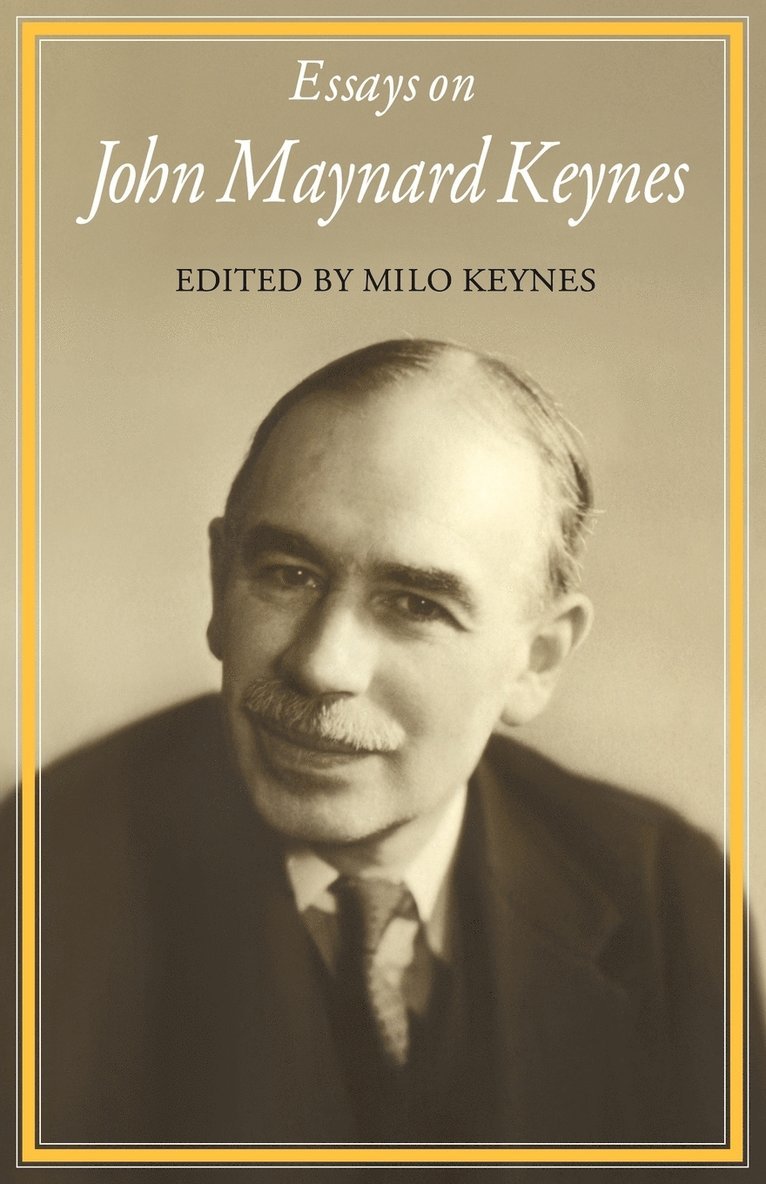
Essays on John Maynard Keynes
Av Milo Keynes
Häftad, 1979
838 kr
Lägg i varukorg
The twenty-eight essays in this fascinating and important collection may be divided into three groups: the first is concerned with Keynes's early life and his relations with 'Bloomsbury' and Cambridge, the second with his major contributions to economics and to British and world affairs (written …
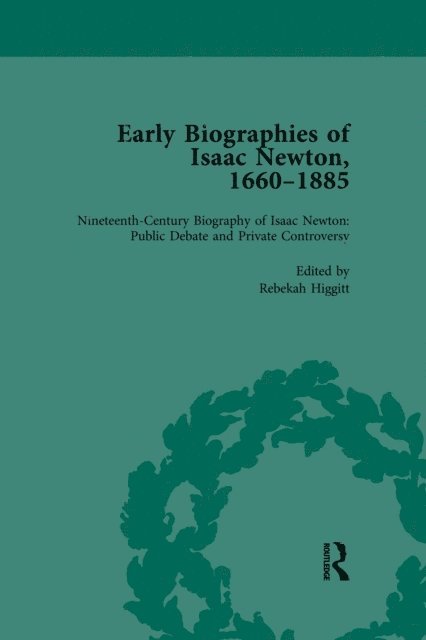
Early Biographies of Isaac Newton, 1660-1885 vol 2
Av Rebekah Higgitt, Milo Keynes m. fl.
E-bok, 2024
1061 kr
Lägg i varukorg
A collection of the many biographies of scientist Isaac Newton, demonstrating the ways in which his reputation continued to develop in the centuries after his death. It includes private letters, poetry and memoranda, and explores the debate over Newton''s reputation, work and personal life.
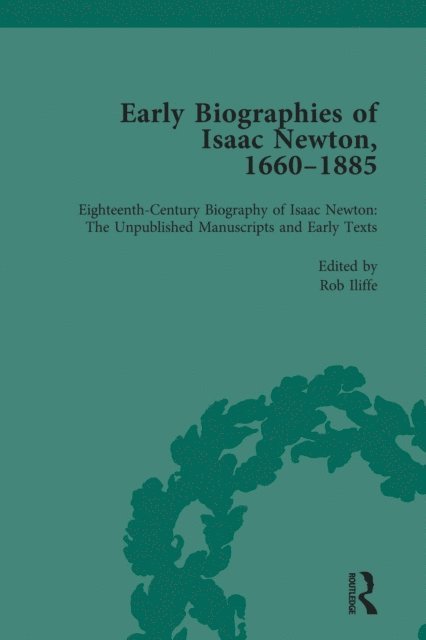
Early Biographies of Isaac Newton, 1660-1885 vol 1
Av Rebekah Higgitt, Milo Keynes m. fl.
E-bok, 2024
1085 kr
Lägg i varukorg
A collection of the many biographies of scientist Isaac Newton, demonstrating the ways in which his reputation continued to develop in the centuries after his death. It includes private letters, poetry and memoranda, and explores the debate over Newton''s reputation, work and personal life.
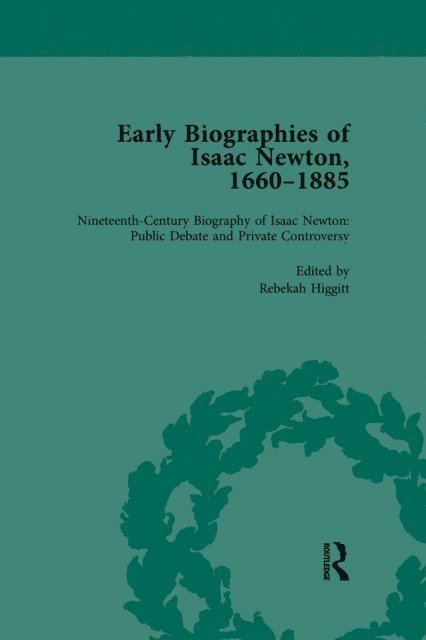
Early Biographies of Isaac Newton, 1660-1885 vol 2
Av Rebekah Higgitt, Milo Keynes m. fl.
E-bok, 2024
1085 kr
Lägg i varukorg
A collection of the many biographies of scientist Isaac Newton, demonstrating the ways in which his reputation continued to develop in the centuries after his death. It includes private letters, poetry and memoranda, and explores the debate over Newton''s reputation, work and personal life.
Early Biographies of Isaac Newton, 1660-1885 vol 1
Av Rebekah Higgitt, Milo Keynes m. fl.
E-bok, 2024
1085 kr
Lägg i varukorg
A collection of the many biographies of scientist Isaac Newton, demonstrating the ways in which his reputation continued to develop in the centuries after his death. It includes private letters, poetry and memoranda, and explores the debate over Newton''s reputation, work and personal life.
Century of Mendelism in Human Genetics
Av Robert Peel, A. W. F. Edwards m. fl.
E-bok, 2004
1239 kr
Lägg i varukorg
In 1901 William Bateson, Professor of Biology at Cambridge, published a renewed version of a lecture which he had delivered the year before to the Royal Horticultural Society in London (reprinted in the book as an appendix). In this lecture he recognized the importance of the work completed by …
Century of Mendelism in Human Genetics
Av Robert Peel, A. W. F. Edwards m. fl.
E-bok, 2004
1266 kr
Lägg i varukorg
In 1901 William Bateson, Professor of Biology at Cambridge, published a renewed version of a lecture which he had delivered the year before to the Royal Horticultural Society in London (reprinted in the book as an appendix). In this lecture he recognized the importance of the work completed by …
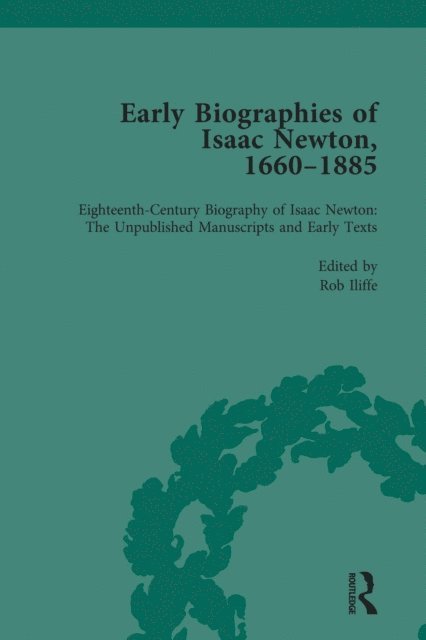
Early Biographies of Isaac Newton, 1660-1885 vol 1
Av Rob Iliffe, Milo Keynes m. fl.
Inbunden, 2005
1934 kr
Lägg i varukorg
A collection of the many biographies of scientist Isaac Newton, demonstrating the ways in which his reputation continued to develop in the centuries after his death. It includes private letters, poetry and memoranda, and explores the debate over Newton's reputation, work and personal life.
Early Biographies of Isaac Newton, 1660-1885 vol 2
Av Rob Iliffe, Milo Keynes m. fl.
Inbunden, 2005
1934 kr
Lägg i varukorg
A collection of the many biographies of scientist Isaac Newton, demonstrating the ways in which his reputation continued to develop in the centuries after his death. It includes private letters, poetry and memoranda, and explores the debate over Newton's reputation, work and personal life.
Sir Francis Galton, FRS
The Legacy of His Ideas
Av Milo Keynes
E-bok, 1993
2579 kr
Lägg i varukorg
''...this is a splendid, first-class book, the definitive book on Francis Galton and his legacy. The editing has been superb...The timing of its publication is excellent in relation to the increasing interest in human genetics in all areas of the biological and behavioural sciences''.R.Plomin, …
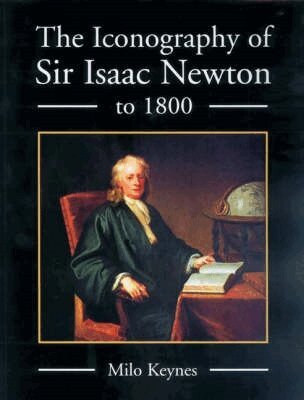
Iconography of Sir Isaac Newton to 1800
Av Milo Keynes
Inbunden, 2005
803 kr
Lägg i varukorg
Catalogue and iconography of the extraordinary wealth of images of Sir Isaac Newton, both before and after his death.Sir Isaac Newton [1642-1727] is rare among figures of the past for the number of authentic paintings, engravings and images of him which survive. He was painted by some nine …