Min Gyo Koo – författare
Visar alla böcker från författaren Min Gyo Koo. Handla med fri frakt och snabb leverans.
16 produkter
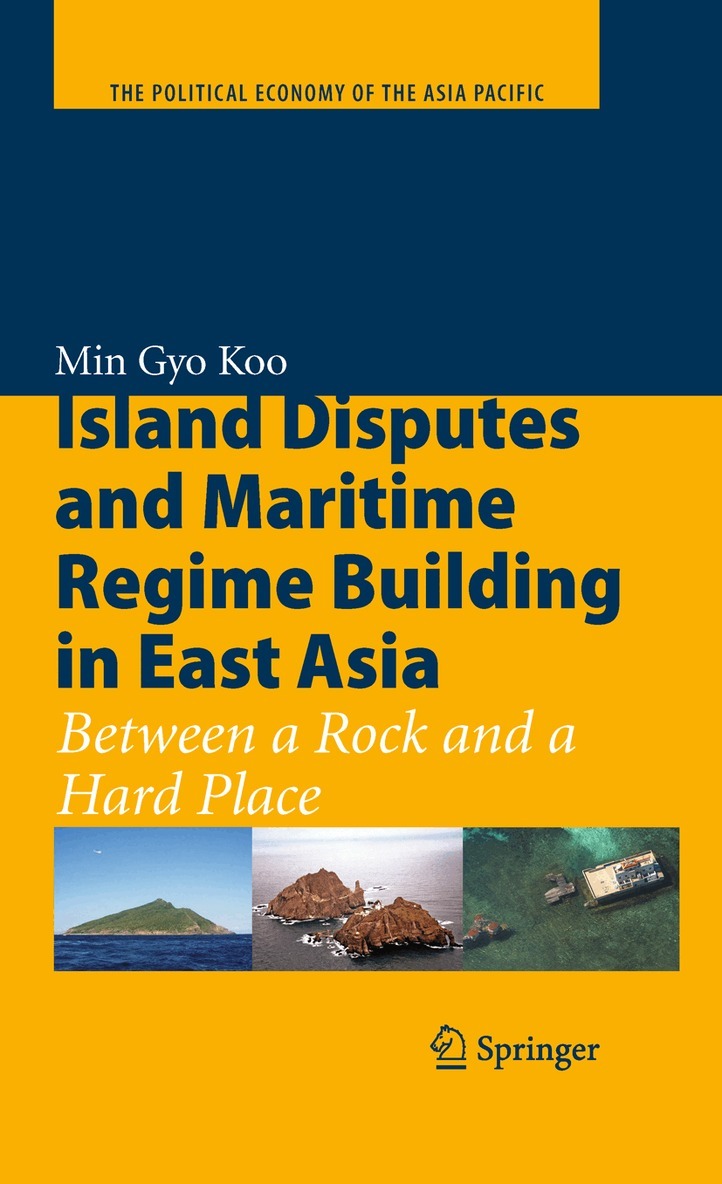
Island Disputes and Maritime Regime Building in East Asia
Between a Rock and a Hard Place
Av Min Gyo Koo
Inbunden, 2009
1008 kr
Lägg i varukorg
islands has emotional content far beyond any material significance because giving way on the island issue to Japan would be considered as once again compromising the sovereignty over the whole Korean peninsula. For Japan, the Dokdo issue may lack the same degree of strategic and economic values and …
Island Disputes and Maritime Regime Building in East Asia
Between a Rock and a Hard Place
Av Min Gyo Koo
E-bok, 2009
1427 kr
Lägg i varukorg
islands has emotional content far beyond any material significance because giving way on the island issue to Japan would be considered as once again compromising the sovereignty over the whole Korean peninsula. For Japan, the Dokdo issue may lack the same degree of strategic and economic values and …
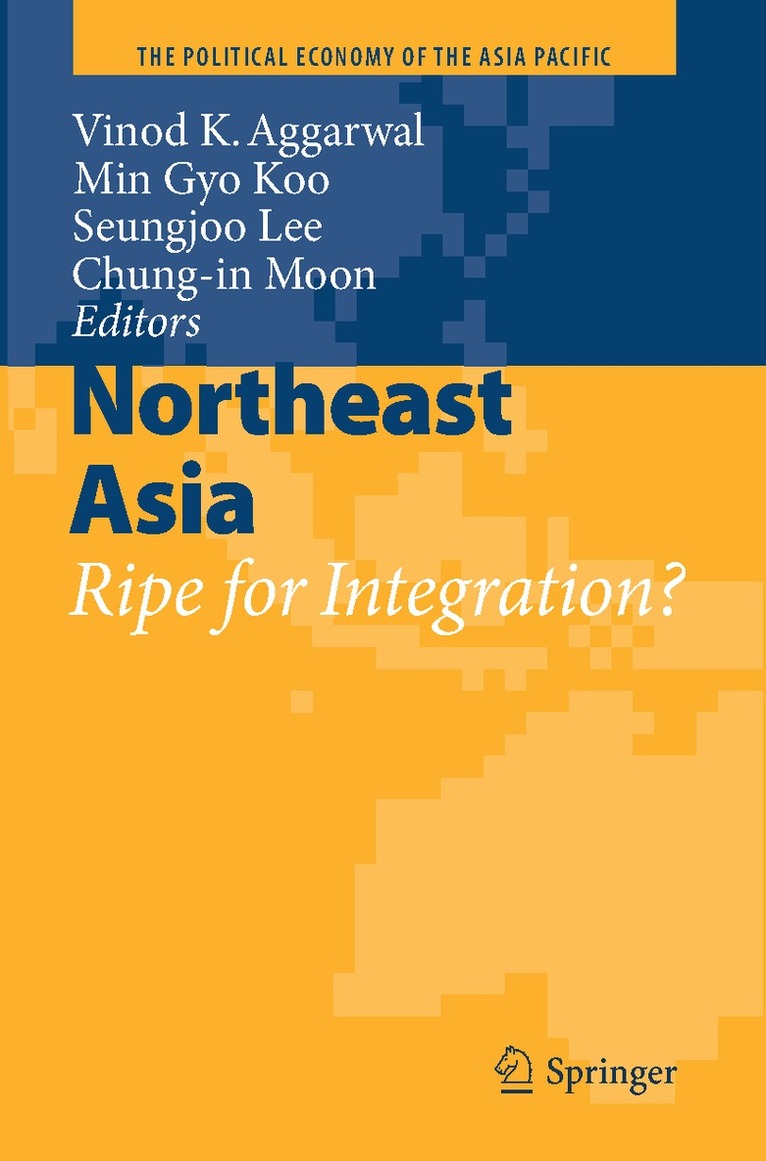
Northeast Asia
Ripe for Integration?
Av Vinod K. Aggarwal, Min Gyo Koo m. fl.
Häftad, 2009
568 kr
Lägg i varukorg
Can regional mechanisms better institutionalize the increasing complexity of economic and security ties among the countries in Northeast Asia? As the international state system undergoes dramatic changes in both security and economic relations in the wake of the end of the Cold War, the Asian …
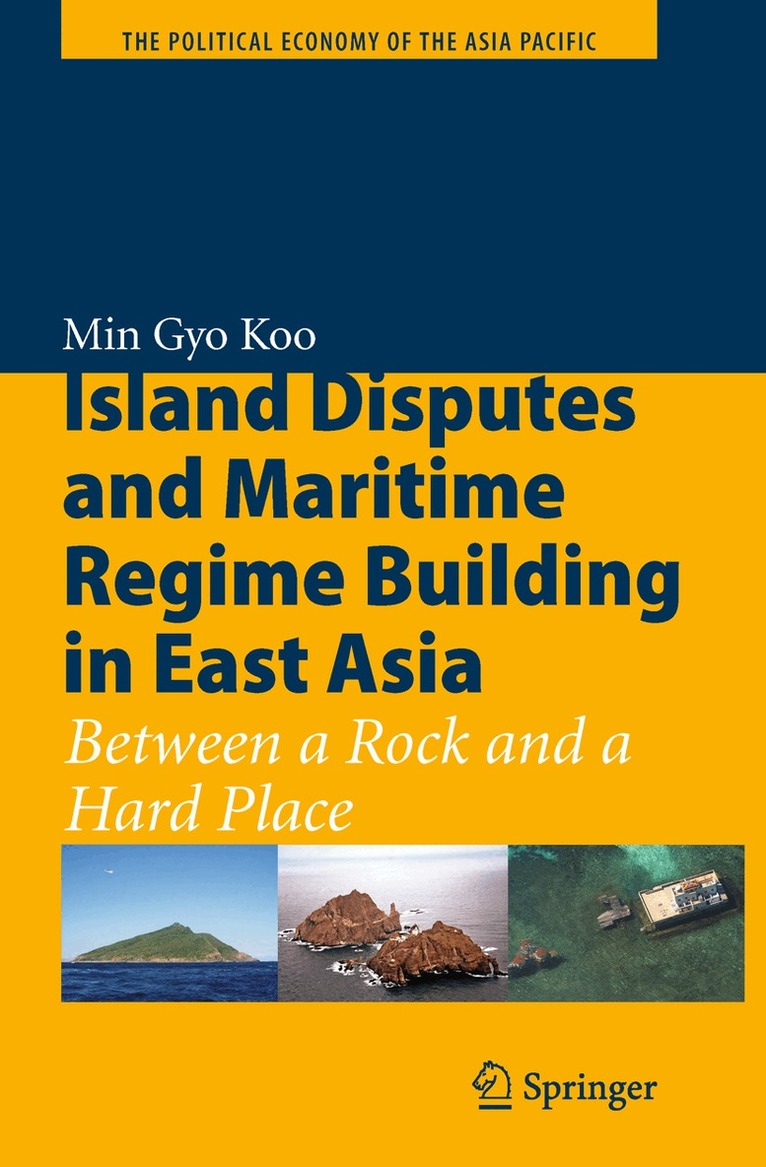
Island Disputes and Maritime Regime Building in East Asia
Between a Rock and a Hard Place
Av Min Gyo Koo
Häftad, 2010
1095 kr
Lägg i varukorg
islands has emotional content far beyond any material significance because giving way on the island issue to Japan would be considered as once again compromising the sovereignty over the whole Korean peninsula. For Japan, the Dokdo issue may lack the same degree of strategic and economic values and …
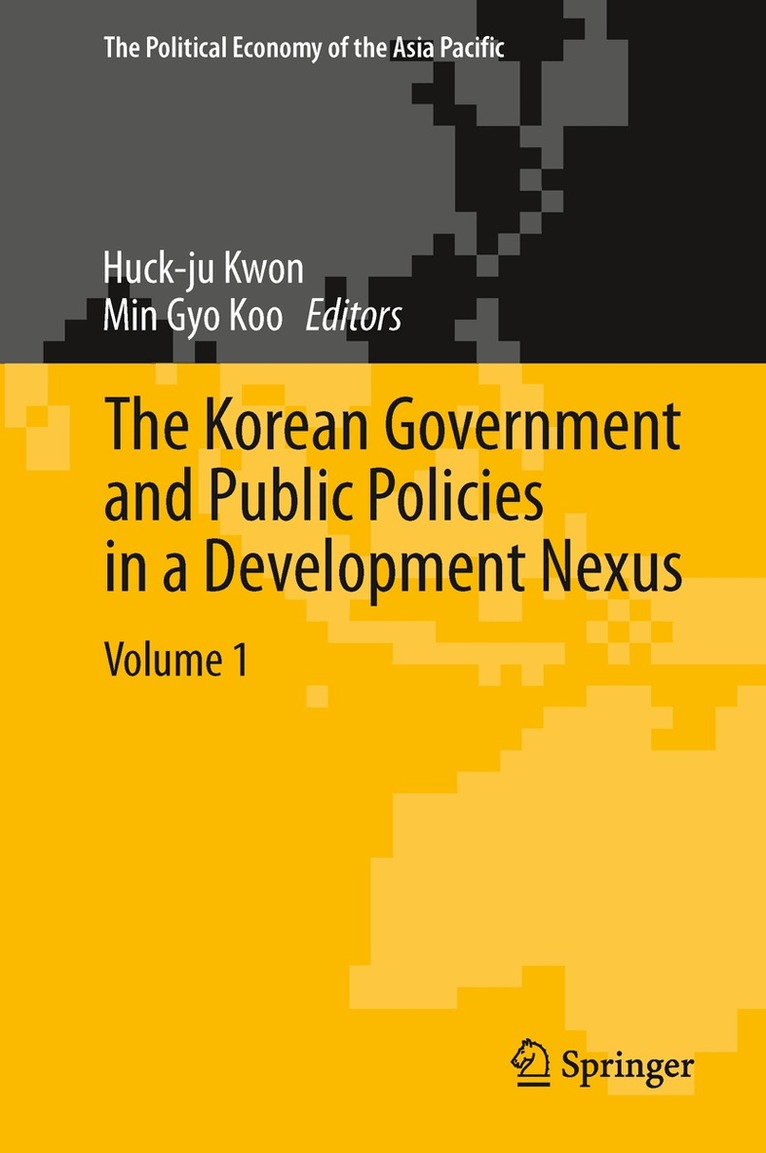
Korean Government and Public Policies in a Development Nexus, Volume 1
Inbunden, 2013
551 kr
Lägg i varukorg
In the postwar period, Korea’s economic and social-political metamorphosis is a rare example of a successful transition from one of the world’s poorest developing countries to a highly sophisticated industrial society—an experience which many developing countries are keen to emulate. The change is …
Korean Government and Public Policies in a Development Nexus, Volume 1
E-bok, 2013
734 kr
Lägg i varukorg
In the postwar period, Korea’s economic and social-political metamorphosis is a rare example of a successful transition from one of the world’s poorest developing countries to a highly sophisticated industrial society—an experience which many developing countries are keen to emulate. The change is …
Korean Government and Public Policies in a Development Nexus, Volume 1
Häftad, 2014
551 kr
Lägg i varukorg
In the postwar period, Korea’s economic and social-political metamorphosis is a rare example of a successful transition from one of the world’s poorest developing countries to a highly sophisticated industrial society—an experience which many developing countries are keen to emulate. The change is …
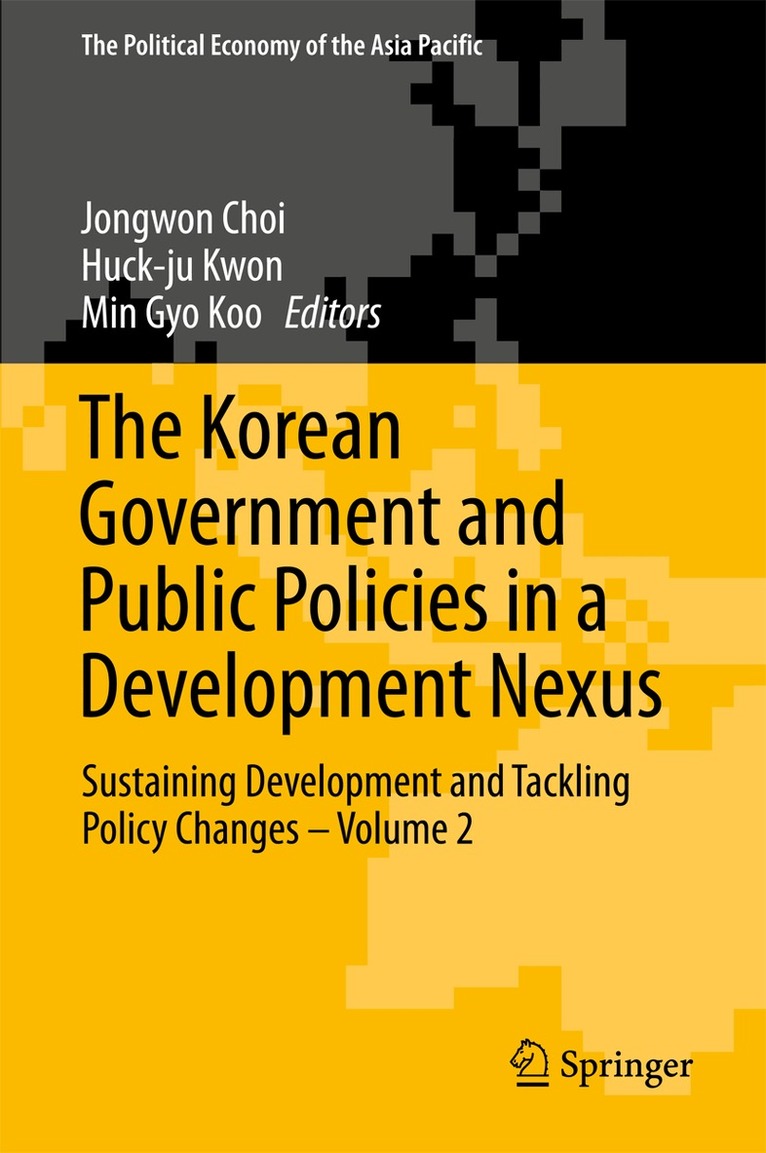
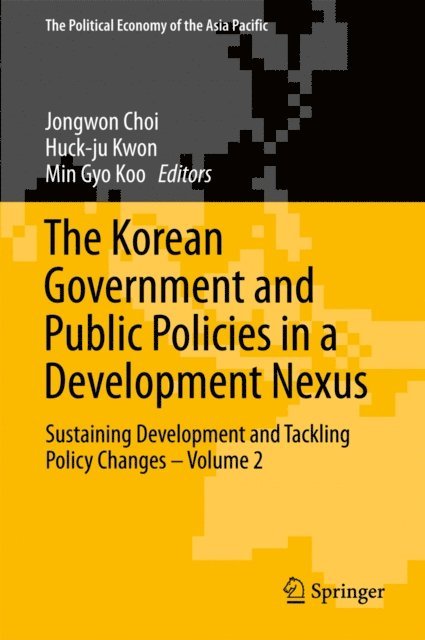
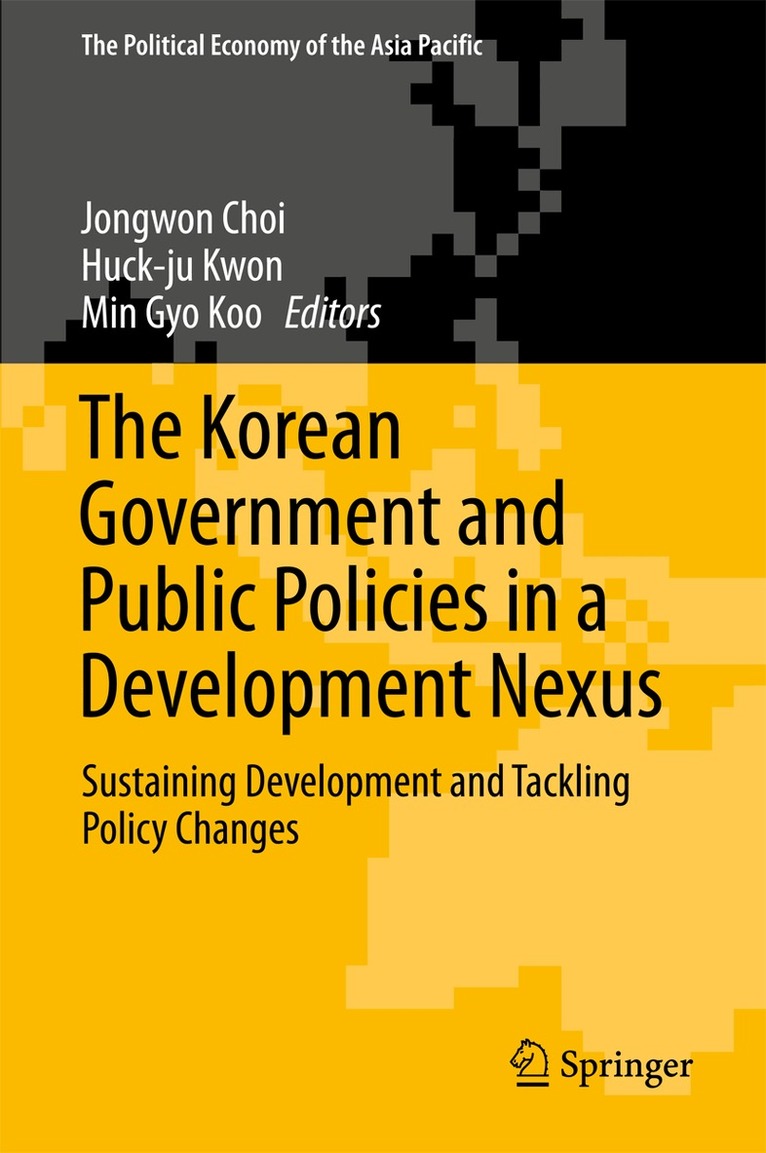
Korean Government and Public Policies in a Development Nexus
Sustaining Development and Tackling Policy Changes – Volume 2
Av Jongwon Choi, Huck-ju Kwon m. fl.
Inbunden, 2017
1258 kr
Lägg i varukorg
This volume chronicles the policy challenges and adaptations faced and made by the South Korean government during the post-industrialization and democratization period. Following the model set by the first volume in the series, which covered the economic and social development during the …
Korean Government and Public Policies in a Development Nexus
Sustaining Development and Tackling Policy Changes – Volume 2
Av Min Gyo Koo, Huck-ju Kwon m. fl.
E-bok, 2017
457 kr
Lägg i varukorg
This volume chronicles the policy challenges and adaptations faced and made by the South Korean government during the post-industrialization and democratization period. Following the model set by the first volume in the series, which covered the economic and social development during the …
Korean Government and Public Policies in a Development Nexus
Sustaining Development and Tackling Policy Changes – Volume 2
Av Jongwon Choi, Huck-ju Kwon m. fl.
Häftad, 2017
366 kr
Lägg i varukorg
This volume chronicles the policy challenges and adaptations faced and made by the South Korean government during the post-industrialization and democratization period. Following the model set by the first volume in the series, which covered the economic and social development during the …
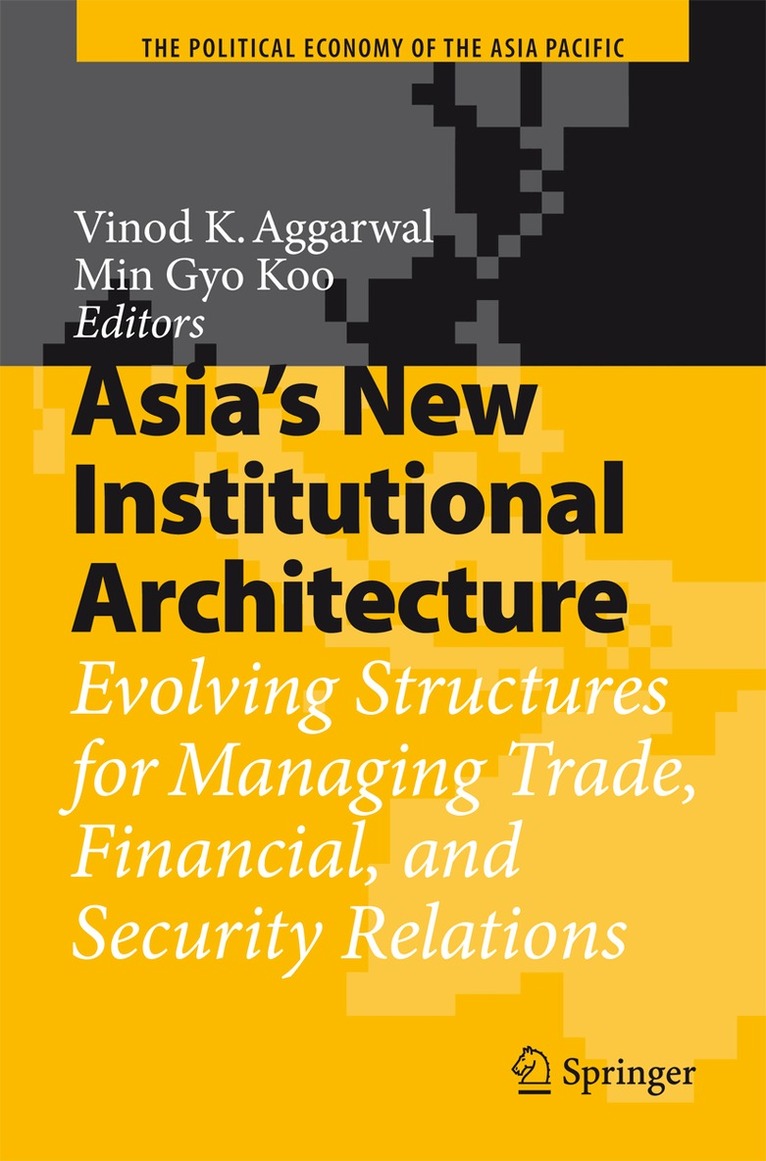
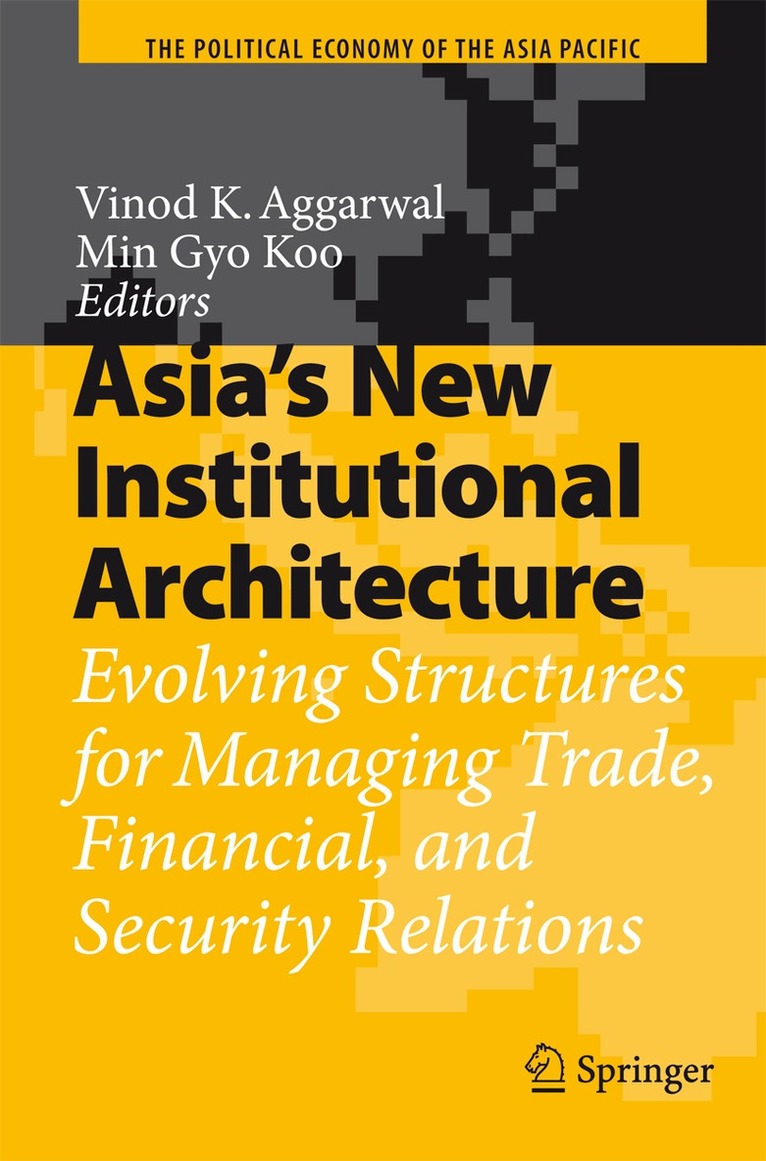
Asia's New Institutional Architecture
Evolving Structures for Managing Trade, Financial, and Security Relations
Av Vinod K. Aggarwal, Min Gyo Koo
Inbunden, 2007
2249 kr
Lägg i varukorg
Can regional and interregional mechanisms better institutionalize the - creasing complexity of economic and security ties among states in Nor- east, Southeast, and South Asia? As the international state system und- goes dramatic changes in both security and trade relations in the wake of the Cold …
Asia's New Institutional Architecture
Evolving Structures for Managing Trade, Financial, and Security Relations
Av Min Gyo Koo, Vinod K. Aggarwal
E-bok, 2007
3013 kr
Lägg i varukorg
Can regional and interregional mechanisms better institutionalize the - creasing complexity of economic and security ties among states in Nor- east, Southeast, and South Asia? As the international state system und- goes dramatic changes in both security and trade relations in the wake of the Cold …
Asia's New Institutional Architecture
Evolving Structures for Managing Trade, Financial, and Security Relations
Av Vinod K. Aggarwal, Min Gyo Koo
Häftad, 2008
2249 kr
Lägg i varukorg
Can regional and interregional mechanisms better institutionalize the - creasing complexity of economic and security ties among states in Nor- east, Southeast, and South Asia? As the international state system und- goes dramatic changes in both security and trade relations in the wake of the Cold …
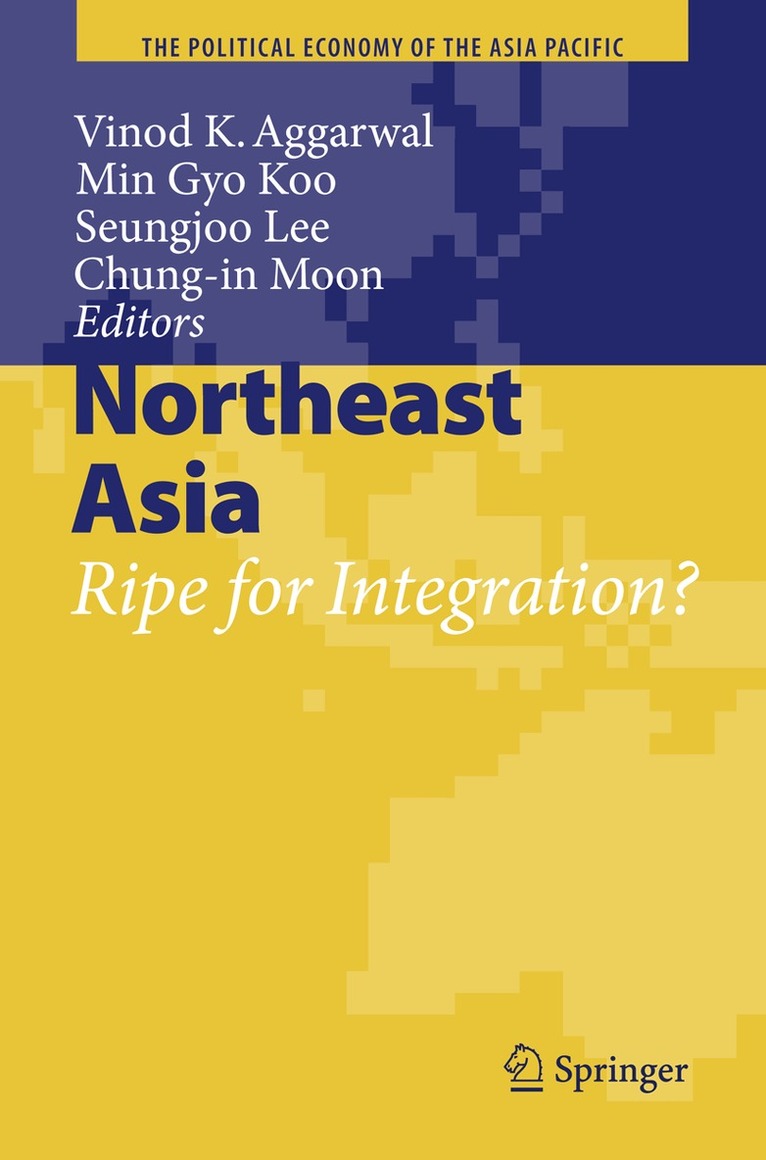
Northeast Asia
Ripe for Integration?
Av Vinod K. Aggarwal, Min Gyo Koo m. fl.
Inbunden, 2008
1095 kr
Lägg i varukorg
Can regional mechanisms better institutionalize the increasing complexity of economic and security ties among the countries in Northeast Asia? As the international state system undergoes dramatic changes in both security and economic relations in the wake of the end of the Cold War, the Asian …
Northeast Asia
Ripe for Integration?
Av Chung-in Moon, Seungjoo Lee m. fl.
E-bok, 2008
1459 kr
Lägg i varukorg
Can regional mechanisms better institutionalize the increasing complexity of economic and security ties among the countries in Northeast Asia? As the international state system undergoes dramatic changes in both security and economic relations in the wake of the end of the Cold War, the Asian …
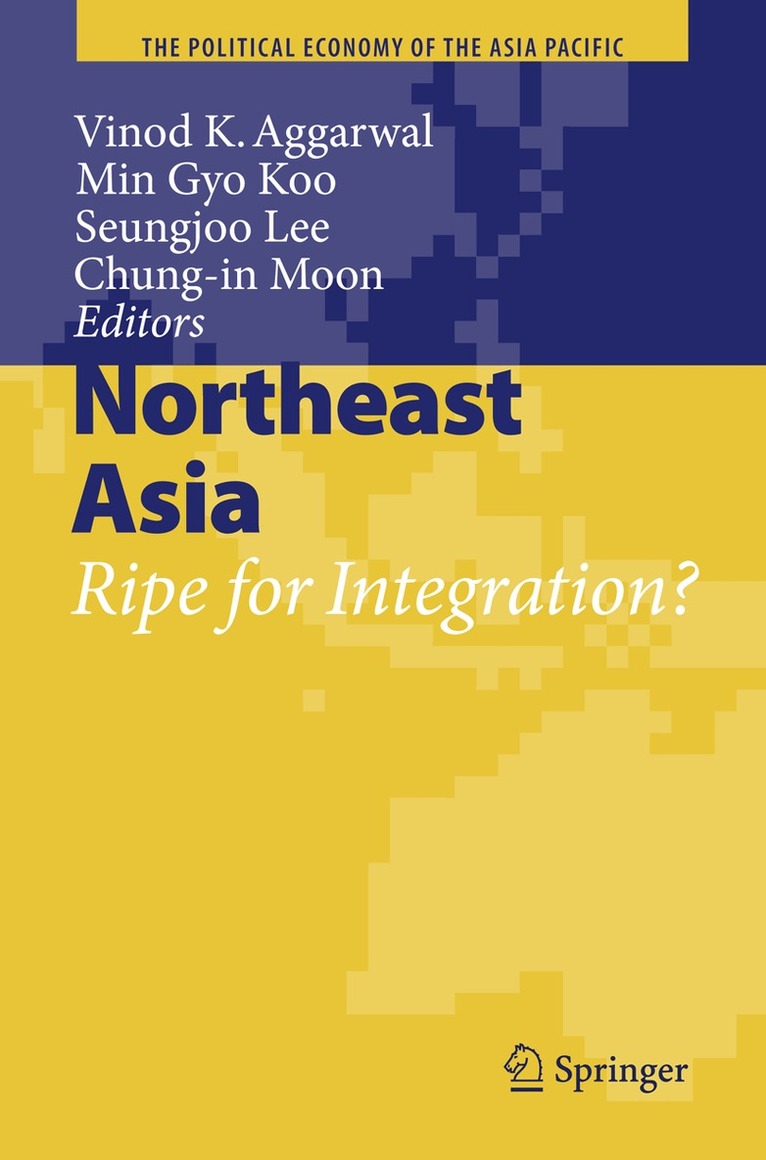
Northeast Asia
Ripe for Integration?
Av Vinod K. Aggarwal, Min Gyo Koo m. fl.
Häftad, 2014
1095 kr
Lägg i varukorg
Can regional mechanisms better institutionalize the increasing complexity of economic and security ties among the countries in Northeast Asia? As the international state system undergoes dramatic changes in both security and economic relations in the wake of the end of the Cold War, the Asian …