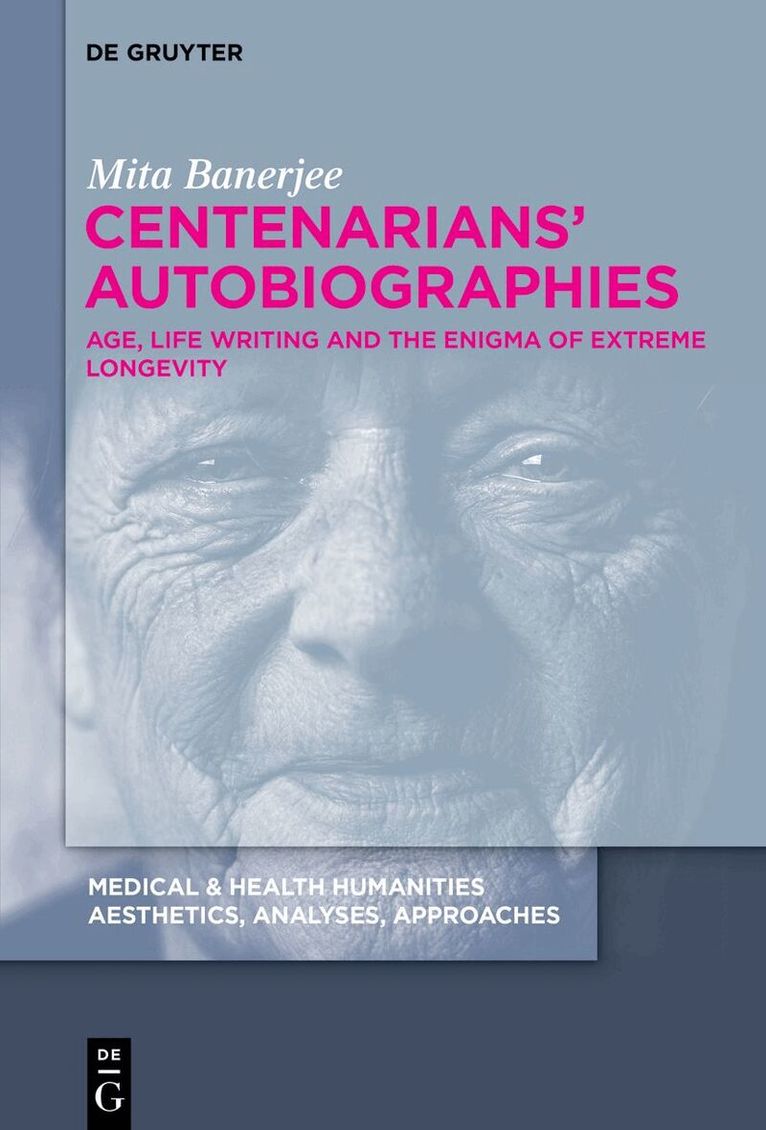
Situated at the intersection between medical humanities, aging studies, autobiographical studies, disability studies and ethic studies, this book explores the fascination of centenarians' autobiographies for humanites research. It can be argued that the growing presence of centenarians' autobiographies on book markets across the globe may by rooted in the public's desire for positive images of aging, in contrast to the image of inevitable decay.
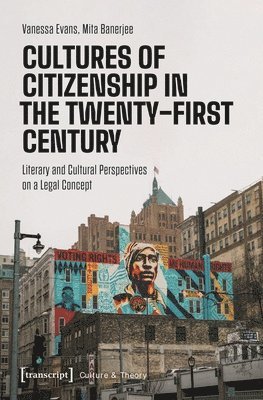
In the early twenty-first century, the concept of citizenship is more contested than ever. As refugees set out to cross the Mediterranean, European nation-states refer to »cultural integrity« and »immigrant inassimilability,« revealing citizenship to be much more than a legal concept. The contributors to this volume take an interdisciplinary approach to considering how cultures of citizenship are being envisioned and interrogated in literary and cultural (con)texts. Through this framework, they attend to the tension between the citizen and its spectral others – a tension determined by how a country defines difference at a given moment.
What does aging mean in a globalized world torn between imperatives of success and fears of decline? The contributors bring together a variety of perspectives and approaches regarding the conceptualization of age between narratives of successful aging and decline. Drawing from the rich field of American studies in conversation with the social sciences, the interdisciplinary volume presents a new approach to aging that may serve as a starting point for ongoing discussion.
Mita Banerjee erinnert uns an die US-amerikanische Geschichte der Einbürgerung - daran, dass auch Iren, Italiener und Griechen in den USA einmal als `colored´ galten und letztlich nur dadurch zu `Weißen´ wurden, weil es die `Schwarzen´ gab. Das ist ein klassischer Fall, der zeigt, wie hybride und instabil auch das Eigene ist. Banerjee spricht von einer Odyssee, die Fremde durchmachen müssen, um Eigene zu werden. Im Zentrum der Einbürgerungsdebatte in den USA, ebenso wie in der deutschen Flüchtlingsdebatte der Gegenwart, stand und steht die Frage der Assimilation; die Angst vor `Parallelgesellschaften´ war und ist dieselbe.