Mitchell B. Reiss – författare
Visar alla böcker från författaren Mitchell B. Reiss. Handla med fri frakt och snabb leverans.
5 produkter
5 produkter
Häftad, Engelska, 2004
361 kr
Skickas inom 10-15 vardagar
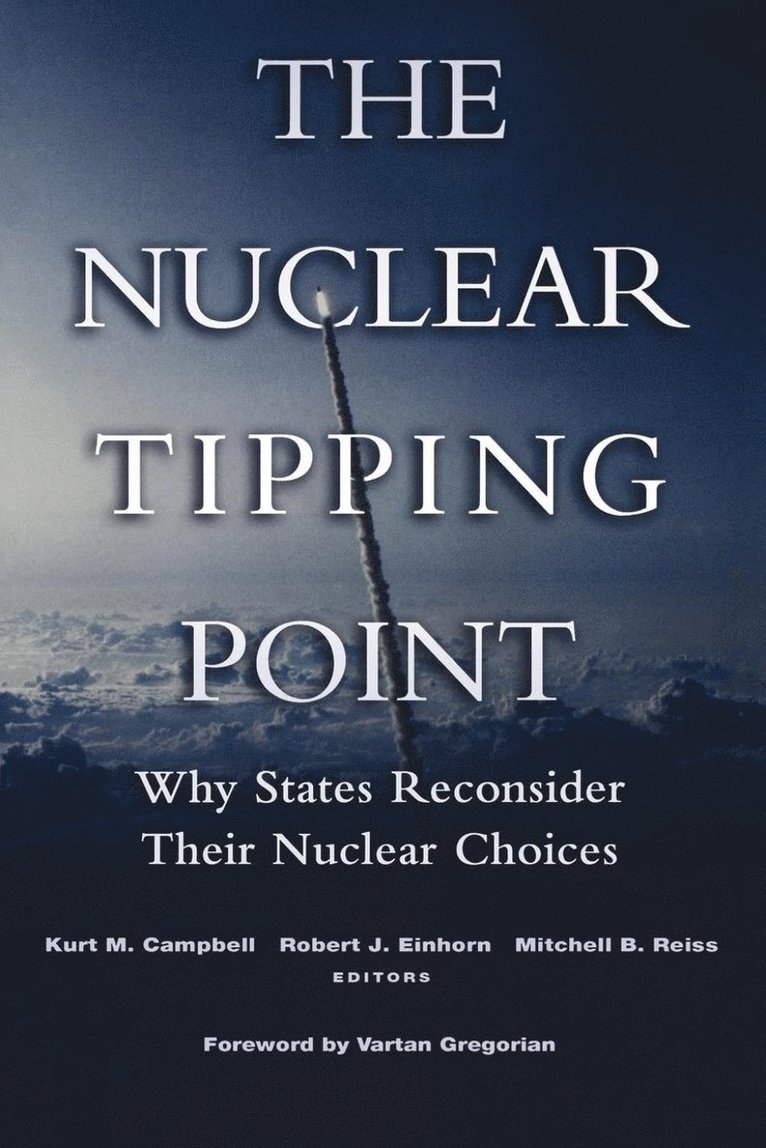
More than half a century after the advent of the nuclear age, is the world approaching a tipping point that will unleash an epidemic of nuclear proliferation? Today many of the building blocks of a nuclear arsenalscientific and engineering expertise, precision machine tools, software, design informationare more readily available than ever before. The nuclear pretensions of so-called rogue states and terrorist organizations are much discussed. But how firm is the resolve of those countries that historically have chosen to forswear nuclear weapons? A combination of changes in the international environment could set off a domino effect, with countries scrambling to develop nuclear weapons so as not to be left behindor to develop nuclear ""hedge"" capacities that would allow them to build nuclear arsenals relatively quickly, if necessary. Th e Nuclear Tipping Point examines the factors, both domestic and transnational, that shape nuclear policy. The authors, distinguished scholars and foreign policy practitioners with extensive government experience, develop a framework for understanding why certain countries may originally have decided to renounce nuclear weaponsand pinpoint some more recent country-specific factors that could give them cause to reconsider. Case studies of eight long-term stalwarts of the nonproliferation regimeEgypt, Germany, Japan, Saudi Arabia, South Korea, Syria, Turkey, and Taiwanflesh out this framework and show how even these countries might be pushed over the edge of a nuclear tipping point. The authors offer prescriptions that would both prevent such countries from reconsidering their nuclear option and avert proliferation by others. The stakes are enormous and success is far from assured. To keep the tipping point beyond reach, the authors argue, the international community will have to act with unity, imagination, and strength, and Washington's leadership will be essential. Contributors include Leon Feurth, George Washington University; Ellen Laipson, Stimson Center; Thomas W. Lippman, Middle East Institute; Jenifer Mackby, Center for Strategic and International Studies; Derek J. Mitchell, Center for Strategic and International Studies; Jonathan D. Pollack, U.S. Naval War College; Walter B. Slocombe, Caplin and Drysdale; and Tsuyoshi Sunohara, Center for Strategic and International Studies.
E-bok
PDF, Engelska, 2005380 kr
Läs direkt efter köp
More than half a century after the advent of the nuclear age, is the world approaching a tipping point that will unleash an epidemic of nuclear proliferation? Today many of the building blocks of a nuclear arsenalscientific and engineering expertise, precision machine tools, software, design informationare more readily available than ever before. The nuclear pretensions of so-called rogue states and terrorist organizations are much discussed. But how firm is the resolve of those countries that historically have chosen to forswear nuclear weapons? A combination of changes in the international environment could set off a domino effect, with countries scrambling to develop nuclear weapons so as not to be left behindor to develop nuclear ""hedge"" capacities that would allow them to build nuclear arsenals relatively quickly, if necessary. Th e Nuclear Tipping Point examines the factors, both domestic and transnational, that shape nuclear policy. The authors, distinguished scholars and foreign policy practitioners with extensive government experience, develop a framework for understanding why certain countries may originally have decided to renounce nuclear weaponsand pinpoint some more recent country-specific factors that could give them cause to reconsider. Case studies of eight long-term stalwarts of the nonproliferation regimeEgypt, Germany, Japan, Saudi Arabia, South Korea, Syria, Turkey, and Taiwanflesh out this framework and show how even these countries might be pushed over the edge of a nuclear tipping point. The authors offer prescriptions that would both prevent such countries from reconsidering their nuclear option and avert proliferation by others. The stakes are enormous and success is far from assured. To keep the tipping point beyond reach, the authors argue, the international community will have to act with unity, imagination, and strength, and Washington's leadership will be essential. Contributors include Leon Feurth, George Washington University; Ellen Laipson, Stimson Center; Thomas W. Lippman, Middle East Institute; Jenifer Mackby, Center for Strategic and International Studies; Derek J. Mitchell, Center for Strategic and International Studies; Jonathan D. Pollack, U.S. Naval War College; Walter B. Slocombe, Caplin and Drysdale; and Tsuyoshi Sunohara, Center for Strategic and International Studies.
E-bok
Engelska, 2010143 kr
Läs direkt efter köp
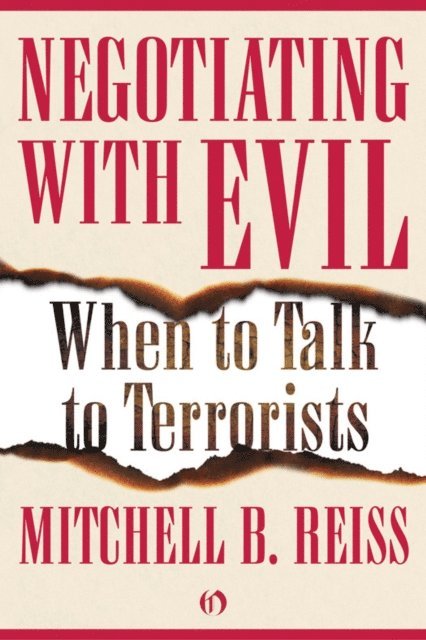
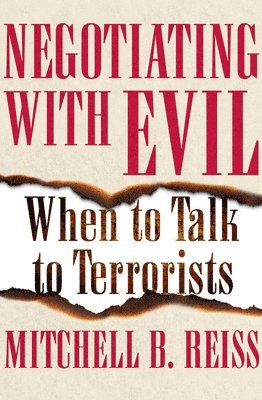
In a career spanning decades, Mitchell B. Reiss has been at the center of some of America’s most sensitive diplomatic negotiations. He is internationally recognized for his negotiation efforts to forge peace in Northern Ireland and to stem the nuclear crisis in North Korea. In Negotiating with Evil, Reiss distills his experience to answer two questions more vital today than ever: Should we talk to terrorists? And if we do, how should we conduct the negotiations in order to gain what we want? To research this book, Reiss traveled the globe for three years, unearthing hidden aspects of the most secret and sensitive negotiations from recent history. He has interviewed hundreds of individuals, including prime ministers, generals, intelligence operatives, and former terrorists in conflict-torn regions of Europe, Asia, North Africa, and the Middle East. The result is a fascinating examination of the different methods countries have employed to confront terrorist movements, the mistakes made, the victories achieved, and the lessons learned. Negotiating with Evil is a penetrating and insightful look into high-stakes diplomacy in the post-9/11 world and a vital contribution to the global security debate as the United States and its allies struggle to confront terrorist threats abroad and at home.
E-bok
PDF, Engelska, 2010143 kr
Läs direkt efter köp
In a career spanning decades, Mitchell B. Reiss has been at the center of some of America’s most sensitive diplomatic negotiations. He is internationally recognized for his negotiation efforts to forge peace in Northern Ireland and to stem the nuclear crisis in North Korea. In Negotiating with Evil, Reiss distills his experience to answer two questions more vital today than ever: Should we talk to terrorists? And if we do, how should we conduct the negotiations in order to gain what we want? To research this book, Reiss traveled the globe for three years, unearthing hidden aspects of the most secret and sensitive negotiations from recent history. He has interviewed hundreds of individuals, including prime ministers, generals, intelligence operatives, and former terrorists in conflict-torn regions of Europe, Asia, North Africa, and the Middle East. The result is a fascinating examination of the different methods countries have employed to confront terrorist movements, the mistakes made, the victories achieved, and the lessons learned. Negotiating with Evil is a penetrating and insightful look into high-stakes diplomacy in the post-9/11 world and a vital contribution to the global security debate as the United States and its allies struggle to confront terrorist threats abroad and at home.
Häftad, Engelska, 2010
243 kr
Skickas inom 5-8 vardagar