Mitra Moussa Nabo – författare
Visar alla böcker från författaren Mitra Moussa Nabo. Handla med fri frakt och snabb leverans.
5 produkter
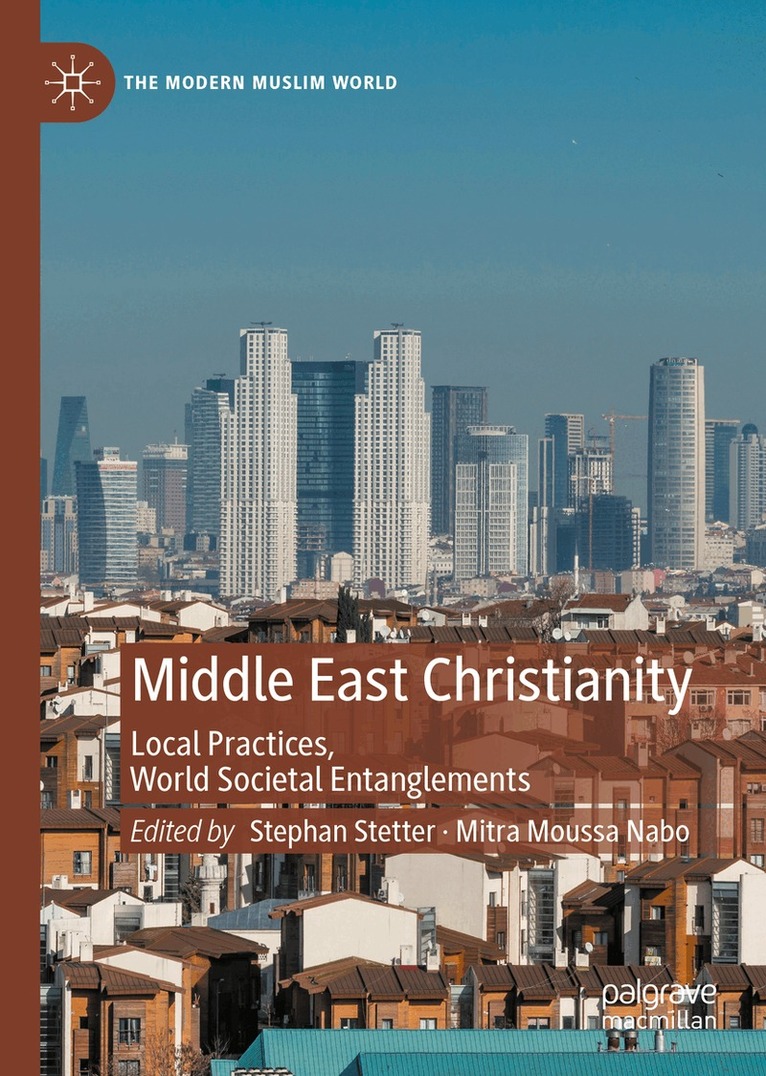
Middle East Christianity
Local Practices, World Societal Entanglements
Av Stephan Stetter, Mitra Moussa Nabo
Inbunden, 2020
660 kr
Lägg i varukorg
Drawing from theories of world society and from historical-sociological theories the book studies the past, present, and future of Middle East Christianity. It focuses on the interplay between local practices and post-colonial entanglements in global modernity. The chapters of this book engage, …
Middle East Christianity
Local Practices, World Societal Entanglements
Av Mitra Moussa Nabo, Stephan Stetter
E-bok, 2020
897 kr
Lägg i varukorg
Drawing from theories of world society and from historical-sociological theories the book studies the past, present, and future of Middle East Christianity. It focuses on the interplay between local practices and post-colonial entanglements in global modernity. The chapters of this book engage, …
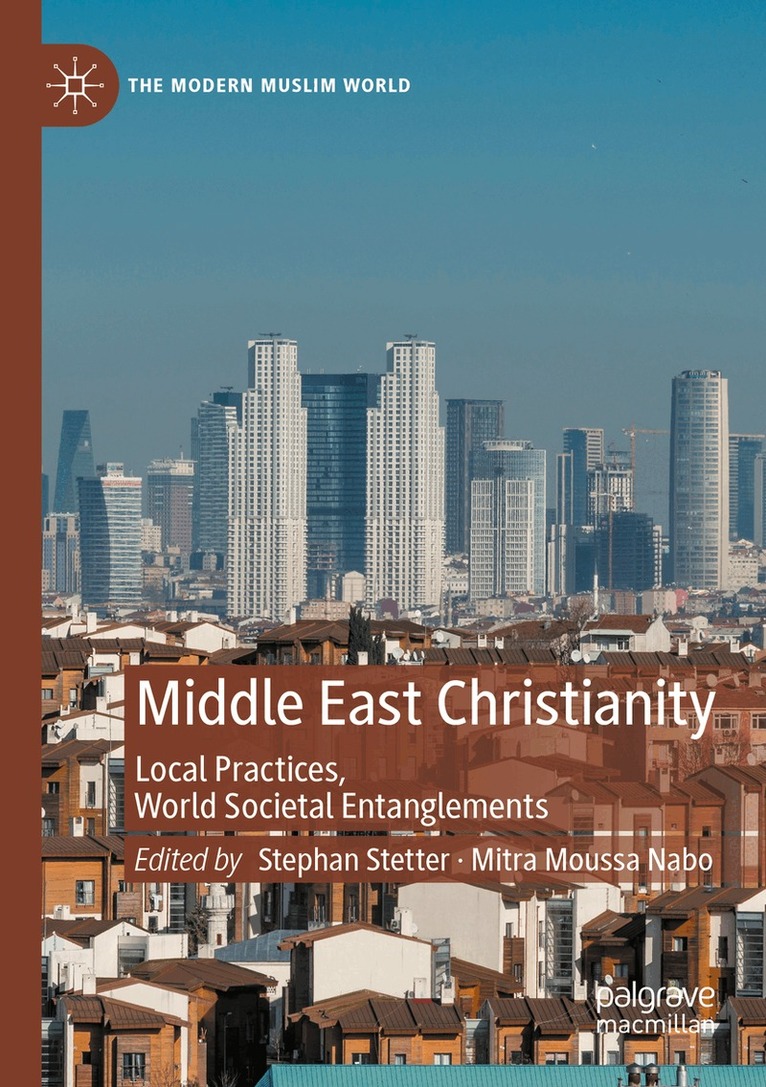
Middle East Christianity
Local Practices, World Societal Entanglements
Av Stephan Stetter, Mitra Moussa Nabo
Häftad, 2021
660 kr
Lägg i varukorg
Drawing from theories of world society and from historical-sociological theories the book studies the past, present, and future of Middle East Christianity. It focuses on the interplay between local practices and post-colonial entanglements in global modernity. The chapters of this book engage, …
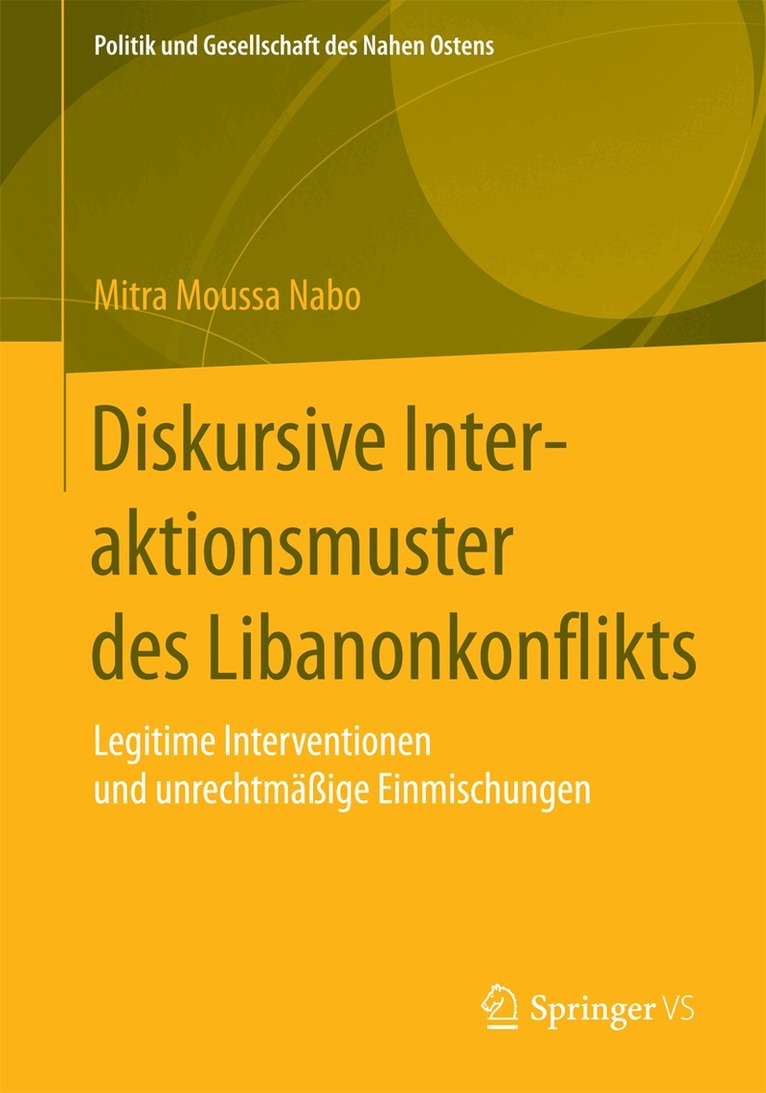
Diskursive Interaktionsmuster des Libanonkonflikts
Legitime Interventionen und unrechtmäßige Einmischungen
Häftad, 2015
567 kr
Lägg i varukorg
Mitra Moussa Nabo präsentiert eine systematische Analyse des libanesischen Konflikts in den Jahren 2005 bis 2008. Darin ist die Konfliktdynamik als das Zusammenspiel der regionalen, nationalen sowie lokalen Ebenen zu verstehen. In der Untersuchung gilt der Libanon als integraler Bestandteil der …
Diskursive Interaktionsmuster des Libanonkonflikts
Legitime Interventionen und unrechtmäßige Einmischungen
E-bok, 2014
367 kr
Lägg i varukorg
Mitra Moussa Nabo präsentiert eine systematische Analyse des libanesischen Konflikts in den Jahren 2005 bis 2008. Darin ist die Konfliktdynamik als das Zusammenspiel der regionalen, nationalen sowie lokalen Ebenen zu verstehen. In der Untersuchung gilt der Libanon als integraler Bestandteil der …