Mladen Adamovic – författare
Visar alla böcker från författaren Mladen Adamovic. Handla med fri frakt och snabb leverans.
3 produkter
3 produkter
E-bok
PDF, Engelska, 2026341 kr
Läs direkt efter köp
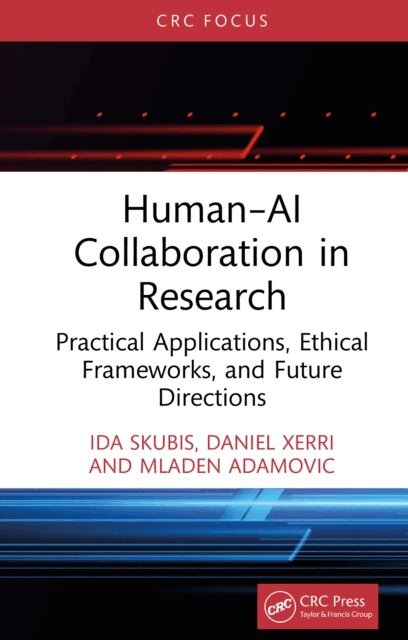
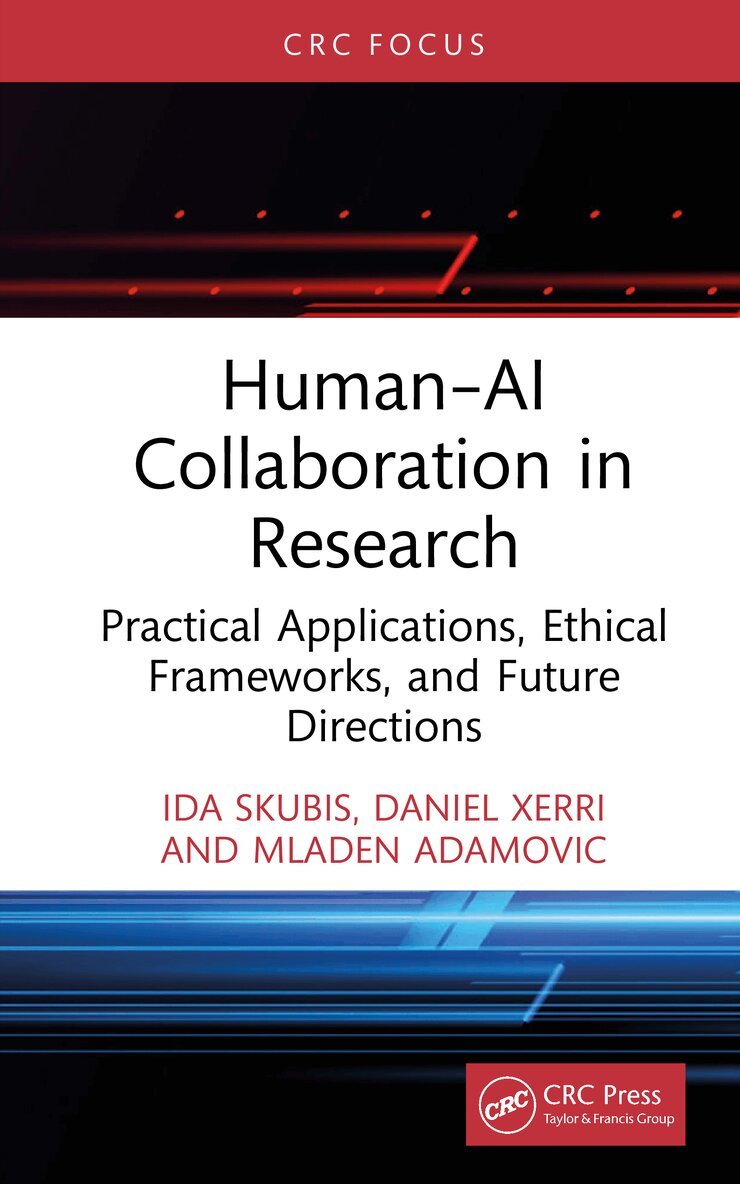
Human-AI Collaboration in Research: Practical Applications, Ethical Frameworks, and Future Directions positions human-AI collaboration (HAIC) as a defining feature of contemporary research ecosystems. The book examines the incorporation of AI across the research lifecycle, including research design, literature work, data collection and processing, analysis, interpretation, academic writing, and dissemination. It highlights the opportunities created by automation and generative systems, alongside the challenges raised for research integrity, accountability, transparency, privacy, and epistemic authority. Ethical and regulatory foundations are addressed through established frameworks such as the Belmont Report and the Declaration of Helsinki, as well as European governance instruments including the Ethics Guidelines for Trustworthy AI, the General Data Protection Regulation, and the EU Artificial Intelligence Act. By combining interdisciplinary perspectives from robotics, management research, and education, the volume translates abstract ethical principles into concrete research-relevant practices, offering a coherent and human-centred approach to trustworthy AI-supported inquiry.The book offers original, research-ready frameworks and applied guidance for responsible HAIC, combining real-world case studies with practical strategies for trustworthy AI use. It equips researchers, educators, and management scholars with tools for human oversight, transparency, bias mitigation, and accountable AI-supported workflows, ensuring scientific rigour alongside innovation.
E-bok
Engelska, 2026344 kr
Läs direkt efter köp
Human-AI Collaboration in Research: Practical Applications, Ethical Frameworks, and Future Directions positions human-AI collaboration (HAIC) as a defining feature of contemporary research ecosystems. The book examines the incorporation of AI across the research lifecycle, including research design, literature work, data collection and processing, analysis, interpretation, academic writing, and dissemination. It highlights the opportunities created by automation and generative systems, alongside the challenges raised for research integrity, accountability, transparency, privacy, and epistemic authority. Ethical and regulatory foundations are addressed through established frameworks such as the Belmont Report and the Declaration of Helsinki, as well as European governance instruments including the Ethics Guidelines for Trustworthy AI, the General Data Protection Regulation, and the EU Artificial Intelligence Act. By combining interdisciplinary perspectives from robotics, management research, and education, the volume translates abstract ethical principles into concrete research-relevant practices, offering a coherent and human-centred approach to trustworthy AI-supported inquiry.The book offers original, research-ready frameworks and applied guidance for responsible HAIC, combining real-world case studies with practical strategies for trustworthy AI use. It equips researchers, educators, and management scholars with tools for human oversight, transparency, bias mitigation, and accountable AI-supported workflows, ensuring scientific rigour alongside innovation.
Inbunden, Engelska, 2026
801 kr
Skickas inom 10-15 vardagar
Human–AI Collaboration in Research: Practical Applications, Ethical Frameworks, and Future Directions positions human–AI collaboration (HAIC) as a defining feature of contemporary research ecosystems. The book examines the incorporation of AI across the research lifecycle, including research design, literature work, data collection and processing, analysis, interpretation, academic writing, and dissemination. It highlights the opportunities created by automation and generative systems, alongside the challenges raised for research integrity, accountability, transparency, privacy, and epistemic authority. Ethical and regulatory foundations are addressed through established frameworks such as the Belmont Report and the Declaration of Helsinki, as well as European governance instruments including the Ethics Guidelines for Trustworthy AI, the General Data Protection Regulation, and the EU Artificial Intelligence Act. By combining interdisciplinary perspectives from robotics, management research, and education, the volume translates abstract ethical principles into concrete research-relevant practices, offering a coherent and human-centred approach to trustworthy AI-supported inquiry.The book offers original, research-ready frameworks and applied guidance for responsible HAIC, combining real-world case studies with practical strategies for trustworthy AI use. It equips researchers, educators, and management scholars with tools for human oversight, transparency, bias mitigation, and accountable AI-supported workflows, ensuring scientific rigour alongside innovation.