Mohamed Fawzy Ramadan – författare
Visar alla böcker från författaren Mohamed Fawzy Ramadan. Handla med fri frakt och snabb leverans.
53 produkter
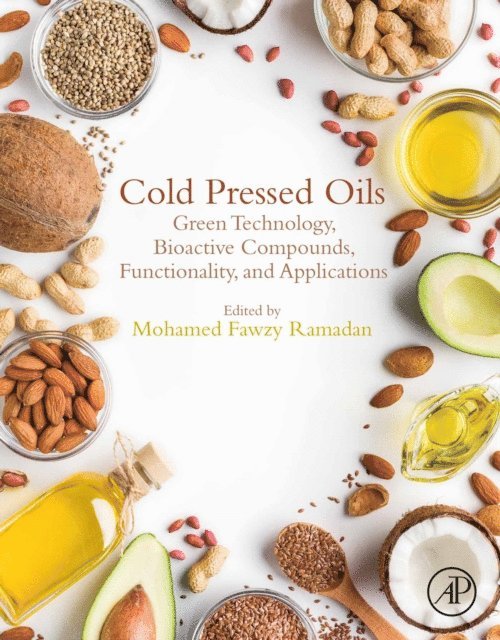
Cold Pressed Oils
Green Technology, Bioactive Compounds, Functionality, and Applications
Häftad, 2020
1521 kr
Lägg i varukorg
Cold Pressed Oils: Green Technology, Bioactive Compounds, Functionality, and Applications creates a multidisciplinary forum of discussion on recent advances in chemistry and the functionality of bioactive phytochemicals in lipids found in cold pressed oils. Chapters explore different cold pressed …
Cold Pressed Oils
Green Technology, Bioactive Compounds, Functionality, and Applications
E-bok, 2020
2109 kr
Lägg i varukorg
Cold Pressed Oils: Green Technology, Bioactive Compounds, Functionality, and Applications creates a multidisciplinary forum of discussion on recent advances in chemistry and the functionality of bioactive phytochemicals in lipids found in cold pressed oils. Chapters explore different cold pressed …
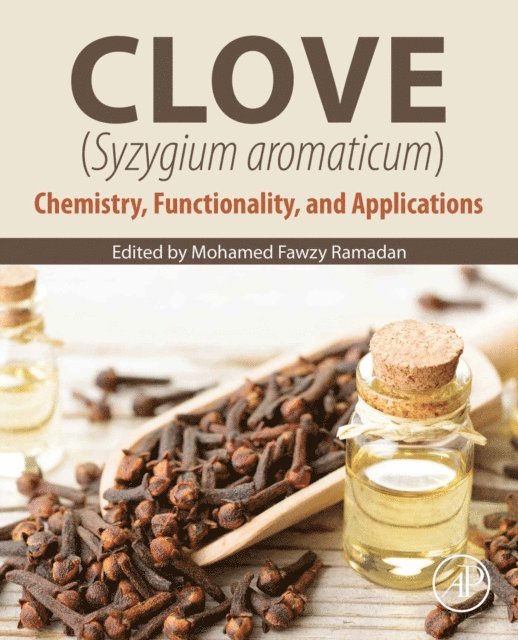
Clove (Syzygium aromaticum)
Chemistry, Functionality and Applications
Häftad, 2022
2056 kr
Lägg i varukorg
Organized into four sections, Clove (Syzygium aromaticum): Chemistry, Functionality, and Applications addresses the cultivation, composition, and applications of clove, along with the chemistry, functionality, and applications of clove fixed oil, clove essential oil, and clove extracts and their …
Clove (Syzygium aromaticum)
Chemistry, Functionality and Applications
E-bok, 2022
2927 kr
Lägg i varukorg
Organized into four sections, Clove (Syzygium aromaticum): Chemistry, Functionality, and Applications addresses the cultivation, composition, and applications of clove, along with the chemistry, functionality, and applications of clove fixed oil, clove essential oil, and clove extracts and their …
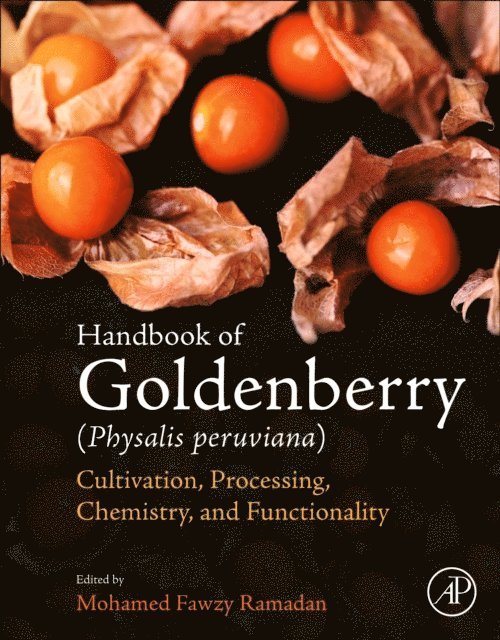
Handbook of Goldenberry (Physalis peruviana)
Cultivation, Processing, Chemistry, and Functionality
Häftad, 2024
2056 kr
Lägg i varukorg
Handbook of Goldenberry (Physalis peruviana): Cultivation, Processing, Chemistry, and Functionality presents multidisciplinary coverage of P. peruviana and its role as in food, cosmetic, and pharmaceutical products. Broken into three sections, the book addresses the cultivation, species, and …
Handbook of Goldenberry (Physalis peruviana)
Cultivation, Processing, Chemistry, and Functionality
E-bok, 2024
2927 kr
Lägg i varukorg
Handbook of Goldenberry (Physalis peruviana): Cultivation, Processing, Chemistry, and Functionality presents multidisciplinary coverage of P. peruviana and its role as in food, cosmetic, and pharmaceutical products. Broken into three sections, the book addresses the cultivation, species, and …
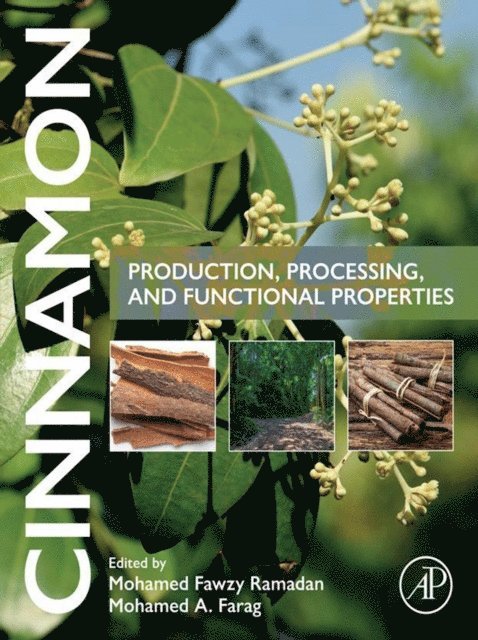
Cinnamon
Production, Processing, and Functional Properties
Av Mohamed Fawzy Ramadan, Mohamed Farag
Häftad, 2025
2188 kr
Lägg i varukorg
Cinnamon: Production, Processing, and Functional Properties is the first book to cover the composition, production, and applications of cinnamon for food, pharmaceutical, cosmetic, and industrial uses. Cinnamon and cinnamon extracts are common ingredients in food and cosmetics, and various studies …
Cinnamon
Production, Processing, and Functional Properties
Av Mohamed Farag, Mohamed Fawzy Ramadan
E-bok, 2025
2689 kr
Lägg i varukorg
Cinnamon: Production, Processing, and Functional Properties is the first book to cover the composition, production, and applications of cinnamon for food, pharmaceutical, cosmetic, and industrial uses. Cinnamon and cinnamon extracts are common ingredients in food and cosmetics, and various studies …
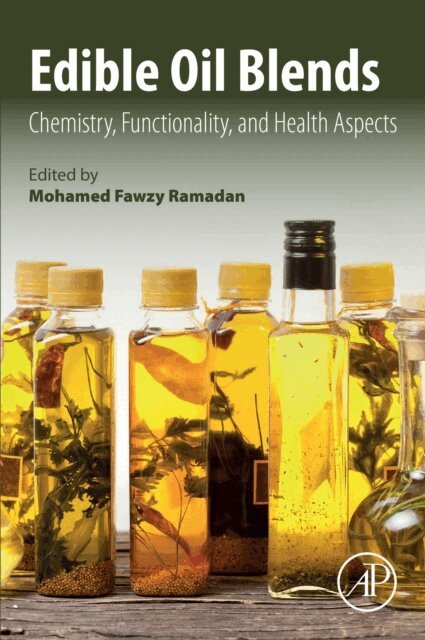
Edible Oil Blends
Chemistry, Functionality, and Health Aspects
Häftad, 2025
2099 kr
Lägg i varukorg
Edible Oil Blends: Chemistry, Functionality and Health Aspects , gives readers insight into the advantages of blending traditional and non-traditional oils for optimal nutrition and enhanced product development. The book sheds light on how the intricate concoctions of triacylglycerol, …
Edible Oil Blends
Chemistry, Functionality, and Health Aspects
E-bok, 2025
2656 kr
Lägg i varukorg
Edible Oil Blends: Chemistry, Functionality and Health Aspects, gives readers insight into the advantages of blending traditional and non-traditional oils for optimal nutrition and enhanced product development. The book sheds light on how the intricate concoctions of triacylglycerol, phospholipids, …
Natural Food Colorants
Chemistry, Health Aspects, and Industrial Applications
Av Mohamed Fawzy Ramadan, Ahmad Cheikhyoussef m. fl.
Häftad, 2026
2327 kr
Kommande
Natural Food Colorants: Chemistry, Health Aspects and Industrial Applications is a comprehensive resource designed for food scientists, food technologists, and food chemists interested in the use of sustainable food colorants for product development, functional foods, and nutraceuticals. The volume …
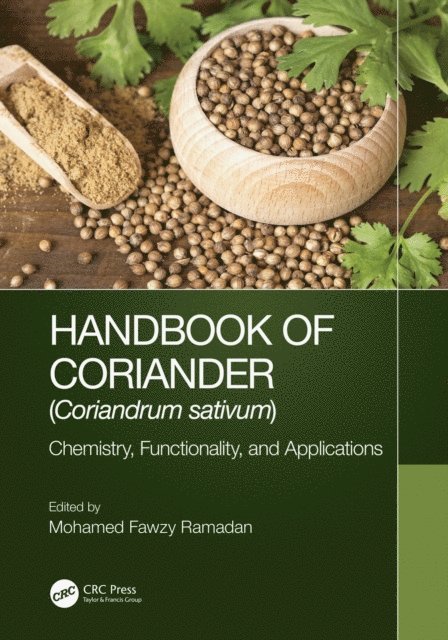
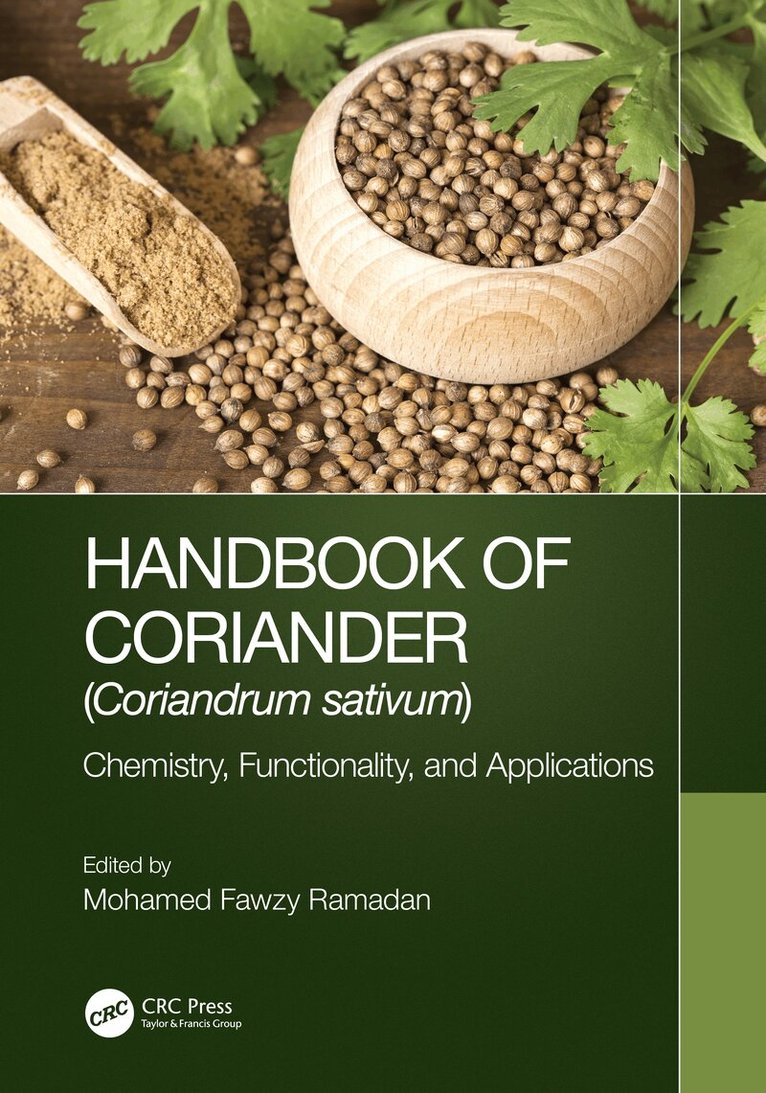
Handbook of Coriander (Coriandrum sativum)
Chemistry, Functionality, and Applications
E-bok, 2023
1284 kr
Lägg i varukorg
Coriander ( Coriandrum sativum L., family Umbelliferae/Apiaceae) is one of the most popular spices globally. Different parts of Coriandrum sativum are edible and widely used as a seasoning due to their unique flavor and aroma. Coriandrum sativum medical uses have been recognized since ancient …
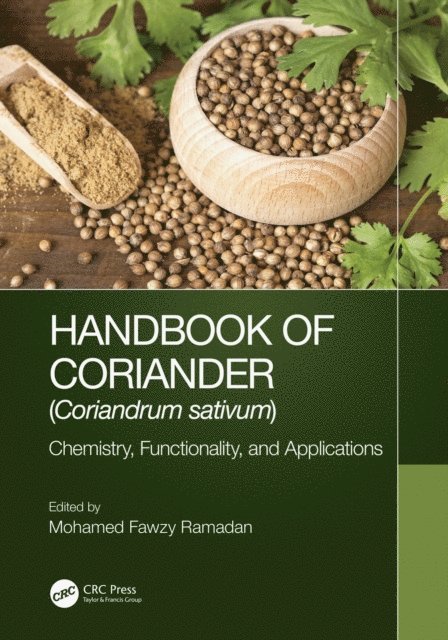
Handbook of Coriander (Coriandrum sativum)
Chemistry, Functionality, and Applications
E-bok, 2023
1284 kr
Lägg i varukorg
Coriander ( Coriandrum sativum L., family Umbelliferae/Apiaceae) is one of the most popular spices globally. Different parts of Coriandrum sativum are edible and widely used as a seasoning due to their unique flavor and aroma. Coriandrum sativum medical uses have been recognized since ancient …
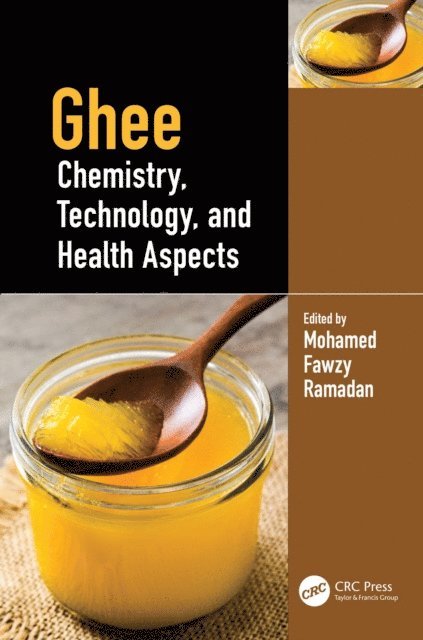
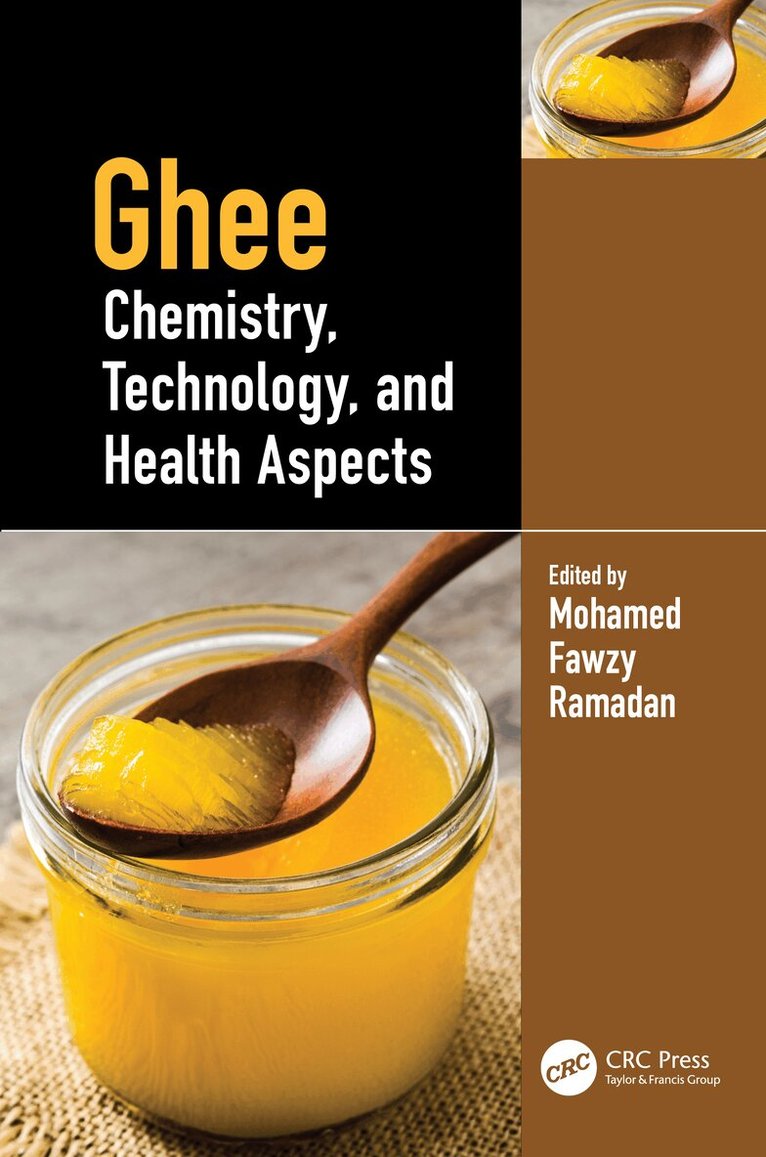
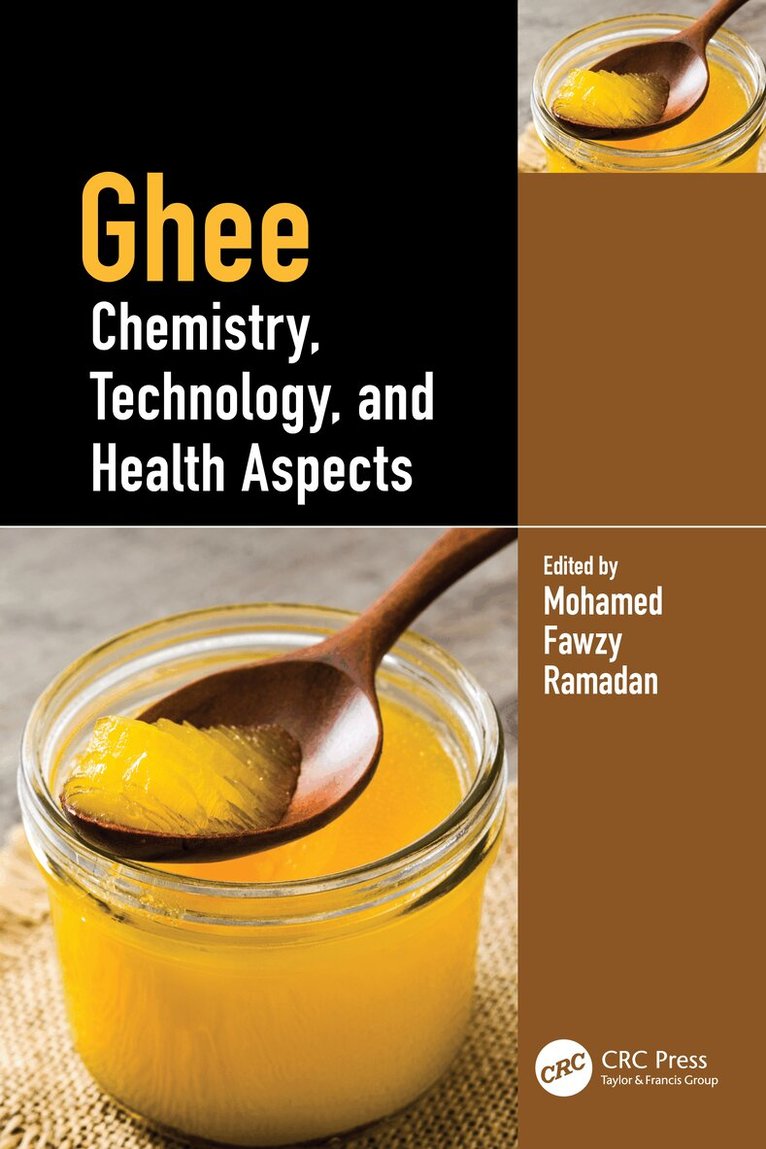
Ghee
Chemistry, Technology, and Health Aspects
E-bok, 2023
1919 kr
Lägg i varukorg
Ghee (clarified milk fat) is a dairy product composed mainly of milk fat and minor components, such as vitamins, minerals, and enzymes; and butter oil has a bland flavor, whereas ghee has a pleasing flavor. In 18 chapters, Ghee: Chemistry, Technology, and Health Aspects covers topics focusing on …
Ghee
Chemistry, Technology, and Health Aspects
E-bok, 2023
1962 kr
Lägg i varukorg
Ghee (clarified milk fat) is a dairy product composed mainly of milk fat and minor components, such as vitamins, minerals, and enzymes; and butter oil has a bland flavor, whereas ghee has a pleasing flavor. In 18 chapters, Ghee: Chemistry, Technology, and Health Aspects covers topics focusing on …
Handbook of Coriander (Coriandrum sativum)
Chemistry, Functionality, and Applications
Inbunden, 2023
2588 kr
Lägg i varukorg
Coriander (Coriandrum sativum L., family Umbelliferae/Apiaceae) is one of the most popular spices globally. Different parts of Coriandrum sativum are edible and widely used as a seasoning due to their unique flavor and aroma. Coriandrum sativum medical uses have been recognized since ancient times. …
Handbook of Coriander (Coriandrum sativum)
Chemistry, Functionality, and Applications
Häftad, 2024
1087 kr
Lägg i varukorg
Coriander (Coriandrum sativum L., family Umbelliferae/Apiaceae) is one of the most popular spices globally. Different parts of Coriandrum sativum are edible and widely used as a seasoning due to their unique flavor and aroma. Coriandrum sativum medical uses have been recognized since ancient times. …
Ghee
Chemistry, Technology, and Health Aspects
Inbunden, 2023
3158 kr
Lägg i varukorg
Ghee (clarified milk fat) is a dairy product composed mainly of milk fat and minor components, such as vitamins, minerals, and enzymes; and butter oil has a bland flavor, whereas ghee has a pleasing flavor. In 18 chapters, Ghee: Chemistry, Technology, and Health Aspects covers topics focusing on …
Ghee
Chemistry, Technology, and Health Aspects
Häftad, 2025
1657 kr
Lägg i varukorg
Ghee (clarified milk fat) is a dairy product composed mainly of milk fat and minor components, such as vitamins, minerals, and enzymes; and butter oil has a bland flavor, whereas ghee has a pleasing flavor. In 18 chapters, Ghee: Chemistry, Technology, and Health Aspects covers topics focusing on …
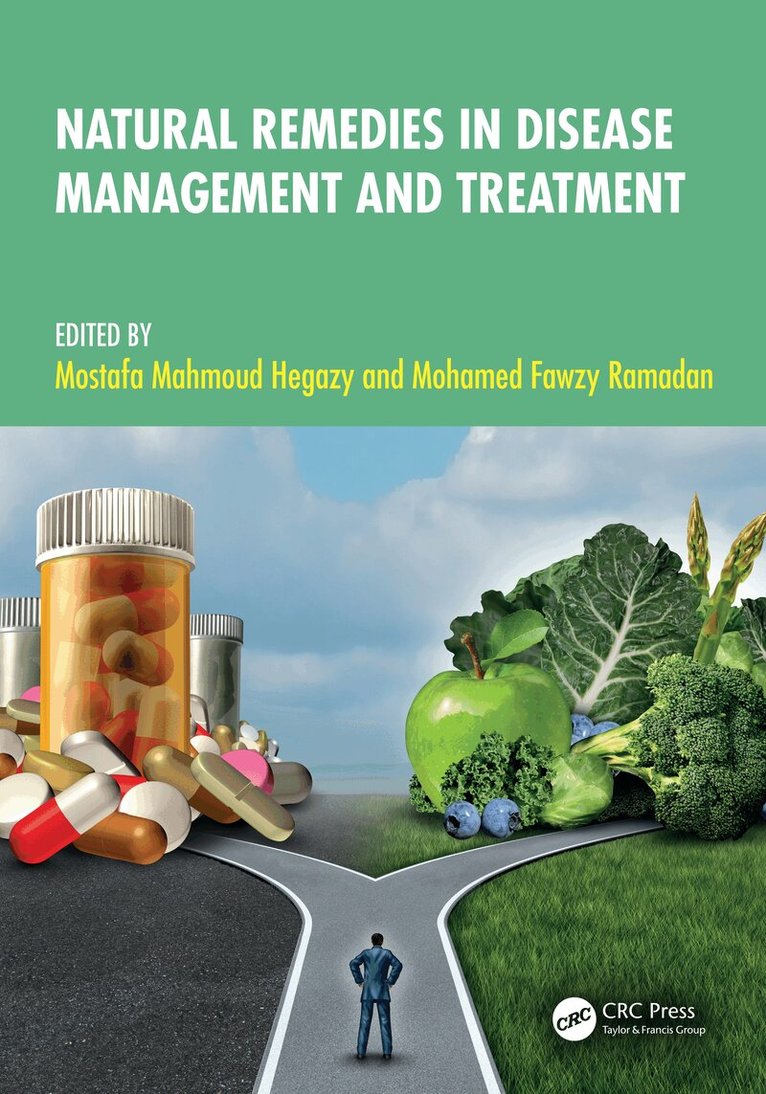
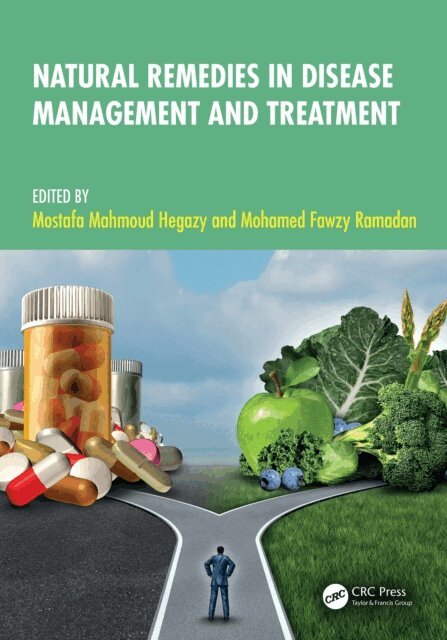
Natural Remedies in Disease Management and Treatment
Av Mostafa Mahmoud Hegazy, Mohamed Fawzy Ramadan
Inbunden, 2025
3158 kr
Lägg i varukorg
This book explores the preclinical and clinical aspects of herbal remedies, focusing on common diseases treated and managed with natural solutions. It includes comprehensive information on diseases and their most suitable natural remedies, discussing active constituents, pharmacological activities, …
Natural Remedies in Disease Management and Treatment
Av Mohamed Fawzy Ramadan, Mostafa Mahmoud Hegazy
E-bok, 2025
3454 kr
Lägg i varukorg
This book explores the preclinical and clinical aspects of herbal remedies, focusing on common diseases treated and managed with natural solutions. It includes comprehensive information on diseases and their most suitable natural remedies, discussing active constituents, pharmacological activities, …
Natural Remedies in Disease Management and Treatment
Av Mohamed Fawzy Ramadan, Mostafa Mahmoud Hegazy
E-bok, 2025
3454 kr
Lägg i varukorg
This book explores the preclinical and clinical aspects of herbal remedies, focusing on common diseases treated and managed with natural solutions. It includes comprehensive information on diseases and their most suitable natural remedies, discussing active constituents, pharmacological activities, …
Fruit Oils: Chemistry and Functionality
Inbunden, 2019
1420 kr
Lägg i varukorg
Fruit Oils: Chemistry and Functionality presents a comprehensive overview of recent advances in the chemistry and functionality of lipid bioactive phytochemicals found in fruit oils. The chapters in this text examine the composition, physicochemical characteristics and organoleptic attributes of …
Fruit Oils: Chemistry and Functionality
E-bok, 2019
1296 kr
Lägg i varukorg
Fruit Oils: Chemistry and Functionality presents a comprehensive overview of recent advances in the chemistry and functionality of lipid bioactive phytochemicals found in fruit oils. The chapters in this text examine the composition, physicochemical characteristics and organoleptic attributes of …
Fruit Oils: Chemistry and Functionality
Häftad, 2020
986 kr
Lägg i varukorg
Fruit Oils: Chemistry and Functionality presents a comprehensive overview of recent advances in the chemistry and functionality of lipid bioactive phytochemicals found in fruit oils. The chapters in this text examine the composition, physicochemical characteristics and organoleptic attributes of …
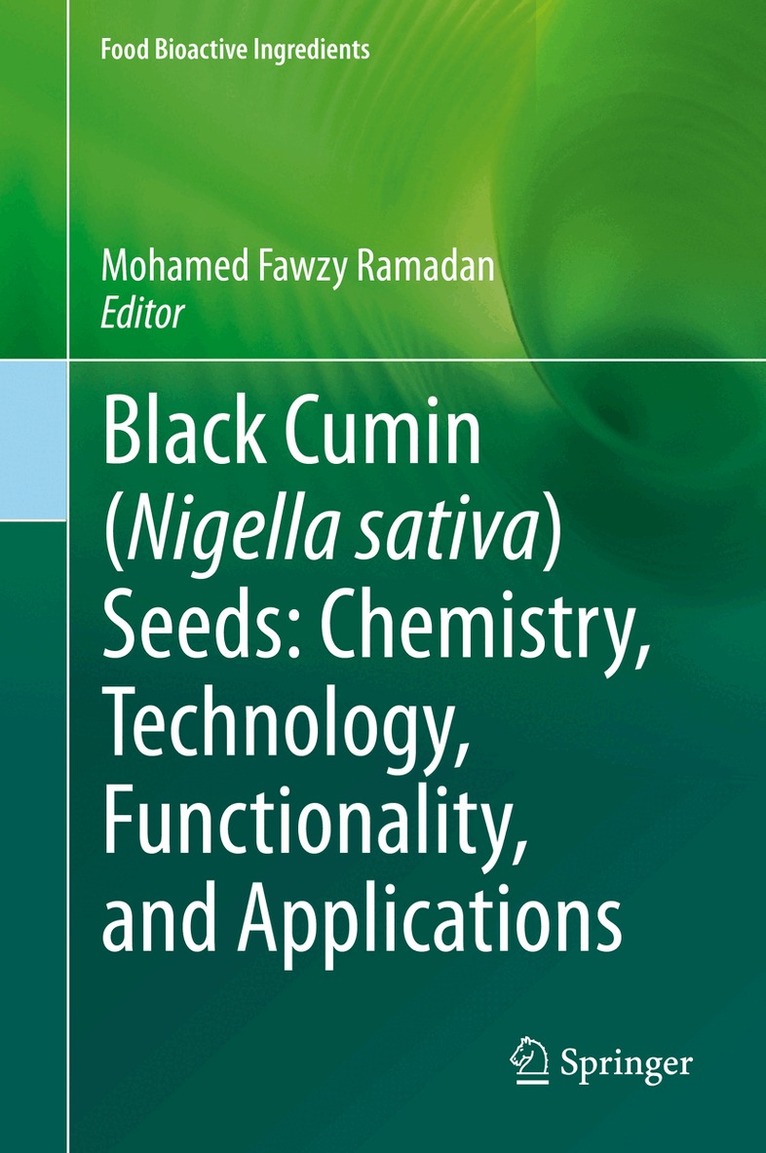
Black cumin (Nigella sativa) seeds: Chemistry, Technology, Functionality, and Applications
Inbunden, 2020
2725 kr
Lägg i varukorg
Recent developments in the field of nutrition have led to increased interest in herbs and medicinal plants as phytochemical-rich sources for functional food, nutraceuticals, and drugs. As research sheds light on the therapeutic potential of various bioactive phytochemicals, the demand for plant …
Black cumin (Nigella sativa) seeds: Chemistry, Technology, Functionality, and Applications
E-bok, 2020
3684 kr
Lägg i varukorg
Recent developments in the field of nutrition have led to increased interest in herbs and medicinal plants as phytochemical-rich sources for functional food, nutraceuticals, and drugs. As research sheds light on the therapeutic potential of various bioactive phytochemicals, the demand for plant …
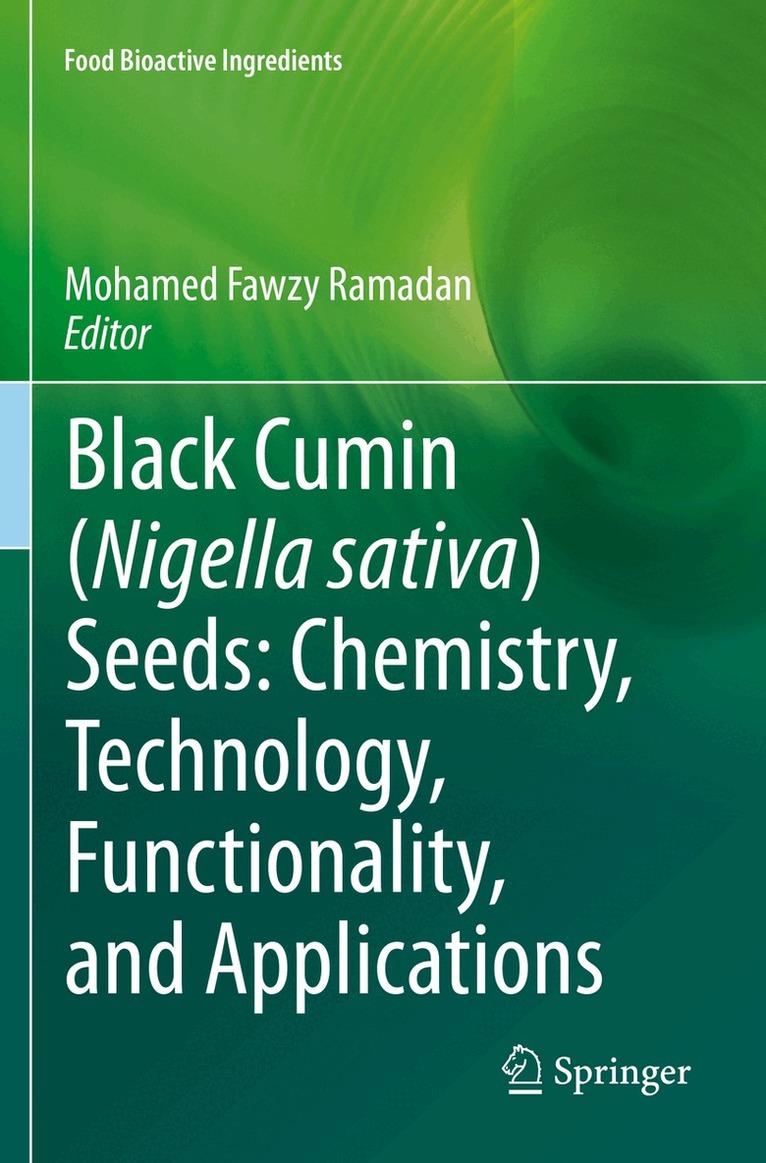
Black cumin (Nigella sativa) seeds: Chemistry, Technology, Functionality, and Applications
Häftad, 2021
2725 kr
Lägg i varukorg
Recent developments in the field of nutrition have led to increased interest in herbs and medicinal plants as phytochemical-rich sources for functional food, nutraceuticals, and drugs. As research sheds light on the therapeutic potential of various bioactive phytochemicals, the demand for plant …
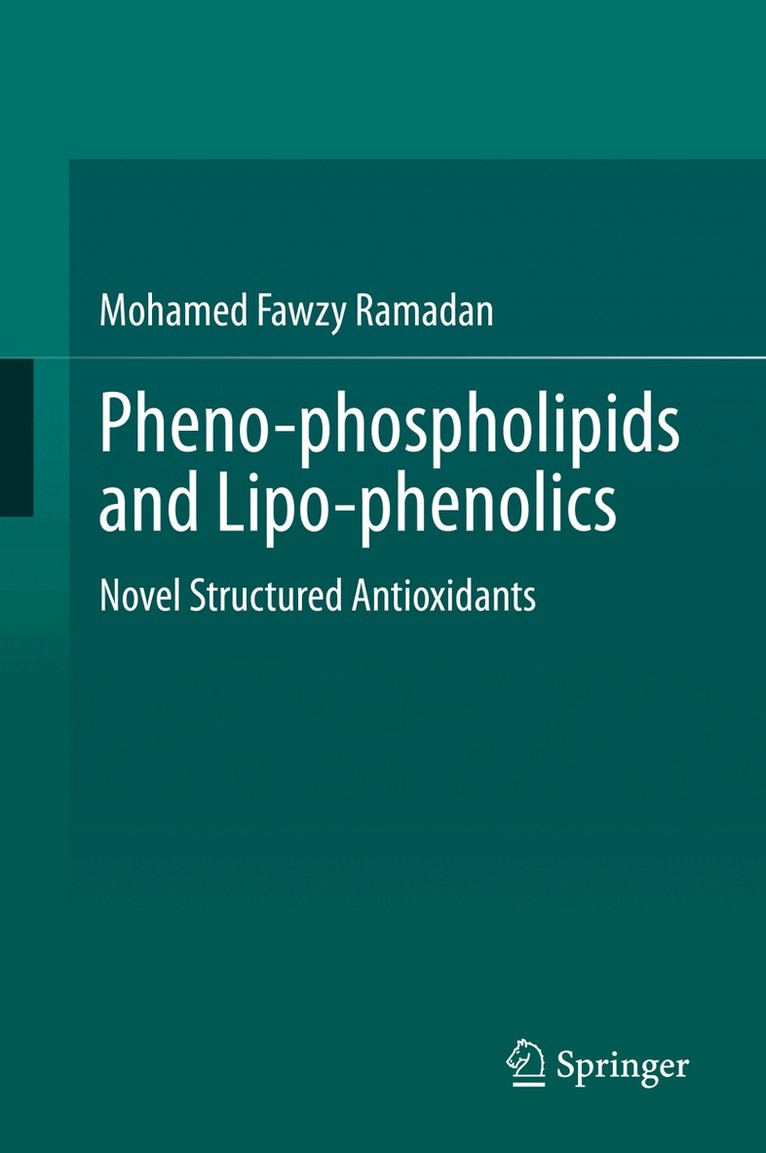
Pheno-phospholipids and Lipo-phenolics
Novel Structured Antioxidants
Inbunden, 2021
1094 kr
Lägg i varukorg
Natural phenolics are powerful bioactive compounds, but their use as antioxidant agents in lipid-based foodstuffs and cosmetics is limited due to their hydrophilic traits. A promising technique to overcome low solubility of phenolics is to increase their hydrophobicity by grafting with lipophilic …
Pheno-phospholipids and Lipo-phenolics
Novel Structured Antioxidants
E-bok, 2021
1427 kr
Lägg i varukorg
Natural phenolics are powerful bioactive compounds, but their use as antioxidant agents in lipid-based foodstuffs and cosmetics is limited due to their hydrophilic traits. A promising technique to overcome low solubility of phenolics is to increase their hydrophobicity by grafting with lipophilic …