Mohamed Mahgoub Azooz – författare
Visar alla böcker från författaren Mohamed Mahgoub Azooz. Handla med fri frakt och snabb leverans.
11 produkter
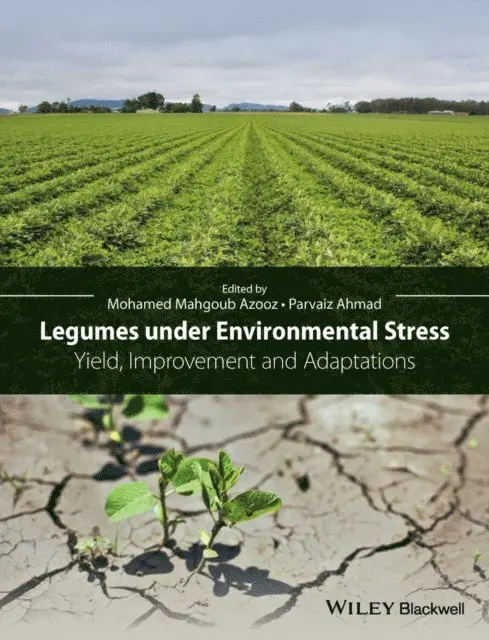
Legumes under Environmental Stress
Yield, Improvement and Adaptations
Av Mohamed Mahgoub Azooz, Parvaiz Ahmad
Inbunden, 2015
2101 kr
Lägg i varukorg
Legumes under Environmental Stress Legumes under Environmental StressYield, Improvement and Adaptations Leguminous crops have been found to contribute almost 27% of the world’s primary crop production. However, due to environmental fluctuations, legumes are often exposed to different environmental …
Legumes under Environmental Stress
Yield, Improvement and Adaptations
Av Parvaiz Ahmad, Mohamed Mahgoub Azooz
E-bok, 2014
2391 kr
Lägg i varukorg
Legumes under Environmental Stress Legumes under Environmental Stress Yield, Improvement and Adaptations Leguminous crops have been found to contribute almost 27% of the world’s primary crop production. However, due to environmental fluctuations, legumes are often exposed to different environmental …
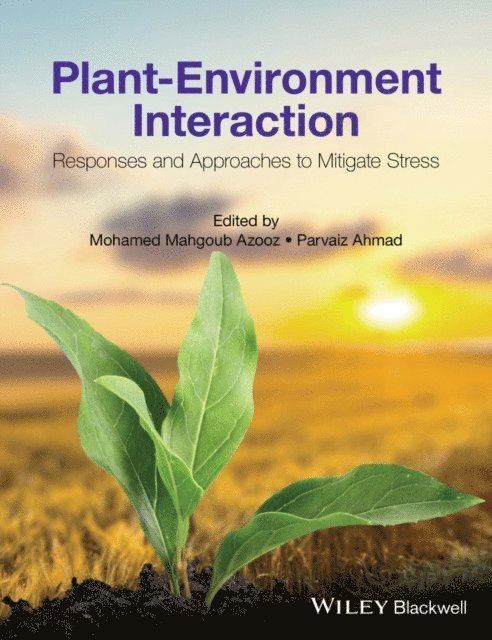
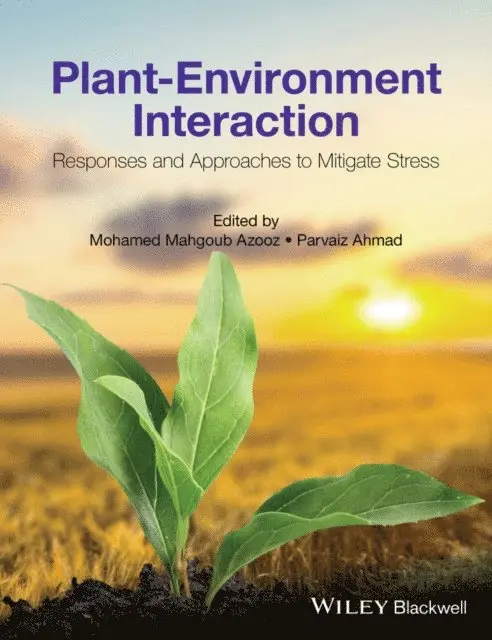
Plant-Environment Interaction
Responses and Approaches to Mitigate Stress
Av Mohamed Mahgoub Azooz, Parvaiz Ahmad
Inbunden, 2016
1988 kr
Lägg i varukorg
The increase in global population, urbanization and industrialization is resulting in the conversion of cultivated land into wasteland. Providing food from these limited resources to an ever-increasing population is one of the biggest challenges that present agriculturalists and plant scientists …
Plant-Environment Interaction
Responses and Approaches to Mitigate Stress
Av Parvaiz Ahmad, Mohamed Mahgoub Azooz
E-bok, 2015
2265 kr
Lägg i varukorg
The increase in global population, urbanization and industrialization is resulting in the conversion of cultivated land into wasteland. Providing food from these limited resources to an ever-increasing population is one of the biggest challenges that present agriculturalists and plant scientists …
Plant-Environment Interaction
Responses and Approaches to Mitigate Stress
Av Parvaiz Ahmad, Mohamed Mahgoub Azooz
E-bok, 2015
2216 kr
Lägg i varukorg
The increase in global population, urbanization and industrialization is resulting in the conversion of cultivated land into wasteland. Providing food from these limited resources to an ever-increasing population is one of the biggest challenges that present agriculturalists and plant scientists …
Improvement of Crops in the Era of Climatic Changes
Volume 2
Av Parvaiz Ahmad, Mohd Rafiq Wani m. fl.
Inbunden, 2014
1636 kr
Lägg i varukorg
Abiotic stress drastically limits agricultural crop productivity worldwide. Climate change threatens the sustainable agriculture with its rapid and unpredictable effects, making it difficult for agriculturists and farmers to respond to the challenges cropping up from environmental stresses. In …
Improvement of Crops in the Era of Climatic Changes
Volume 2
Av Lam-Son Phan Tran, Mohamed Mahgoub Azooz m. fl.
E-bok, 2014
2111 kr
Lägg i varukorg
Abiotic stress drastically limits agricultural crop productivity worldwide. Climate change threatens the sustainable agriculture with its rapid and unpredictable effects, making it difficult for agriculturists and farmers to respond to the challenges cropping up from environmental stresses. In …
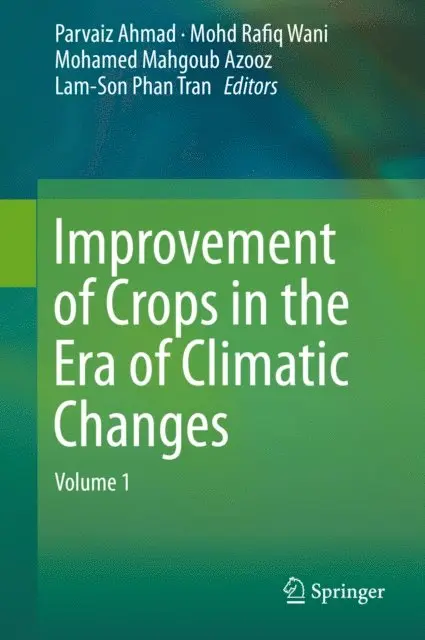
Improvement of Crops in the Era of Climatic Changes
Volume 1
Av Parvaiz Ahmad, Mohd Rafiq Wani m. fl.
Inbunden, 2013
1636 kr
Lägg i varukorg
Current trends in population growth hint that global food production is unlikely to gratify future demands under predicted climate change scenarios unless the rates of crop improvement are accelerated. Crop production faces numerous challenges, due to changing environmental conditions and evolving …
Improvement of Crops in the Era of Climatic Changes
Volume 1
Av Lam-Son Phan Tran, Mohamed Mahgoub Azooz m. fl.
E-bok, 2013
2111 kr
Lägg i varukorg
Current trends in population growth hint that global food production is unlikely to gratify future demands under predicted climate change scenarios unless the rates of crop improvement are accelerated. Crop production faces numerous challenges, due to changing environmental conditions and evolving …
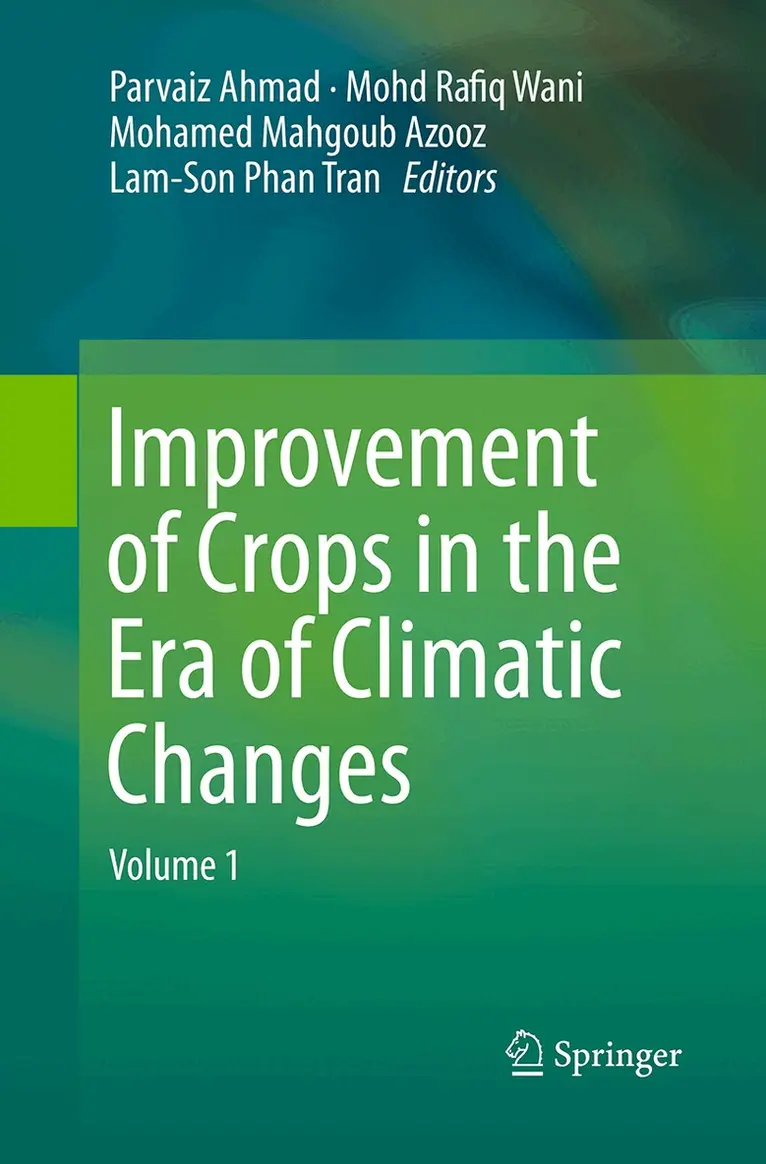
Improvement of Crops in the Era of Climatic Changes
Volume 1
Av Parvaiz Ahmad, Mohd Rafiq Wani m. fl.
Häftad, 2016
1728 kr
Lägg i varukorg
Current trends in population growth hint that global food production is unlikely to gratify future demands under predicted climate change scenarios unless the rates of crop improvement are accelerated. Crop production faces numerous challenges, due to changing environmental conditions and evolving …
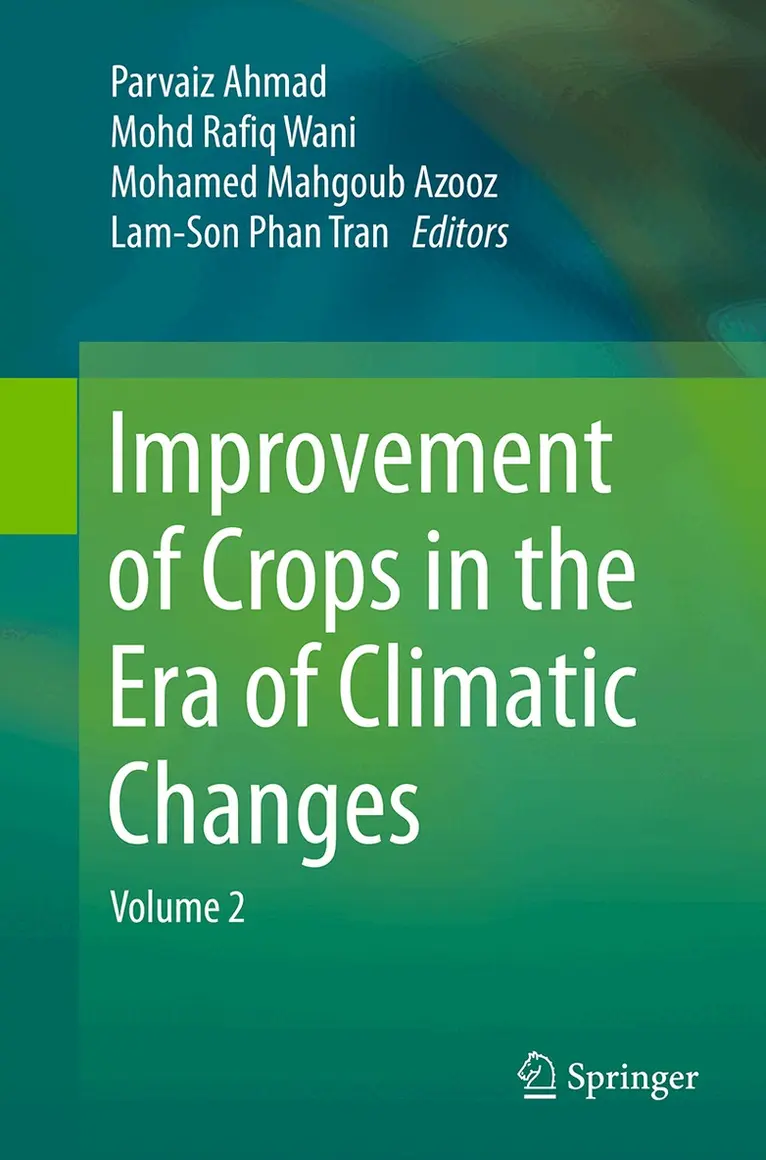
Improvement of Crops in the Era of Climatic Changes
Volume 2
Av Parvaiz Ahmad, Mohd Rafiq Wani m. fl.
Häftad, 2016
2133 kr
Tillfälligt slut
The world-leading contributors to Volume 2 demonstrate effective strategies for crop improvement and suggest priorities for future plant research. The book also elucidates strategies for translating current research into applied solutions.