Mohammad Abass Ahanger – författare
1 774 kr
Skickas inom 10-15 vardagar
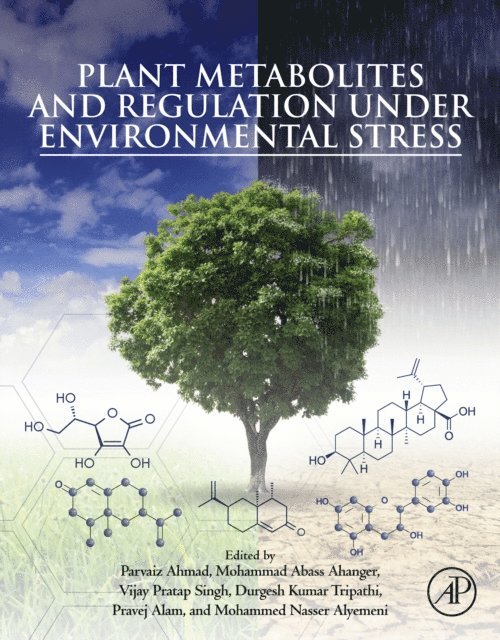
Plant Metabolites and Regulation Under Environmental Stress presents the latest research on both primary and secondary metabolites. The book sheds light on the metabolic pathways of primary and secondary metabolites, the role of these metabolites in plants, and the environmental impact on the regulation of these metabolites. Users will find a comprehensive, practical reference that aids researchers in their understanding of the role of plant metabolites in stress tolerance.
Highlights new advances in the understanding of plant metabolism Features 17 protocols and methods for analysis of important plant secondary metabolites Includes sections on environmental adaptations and plant metabolites, plant metabolites and breeding, plant microbiome and metabolites, and plant metabolism under non-stress conditions2 617 kr
Läs direkt efter köp
Improving Stress Resilience in Plants
Physiological and Biochemical Basis and Utilization in Breeding
1 871 kr
Skickas inom 10-15 vardagar
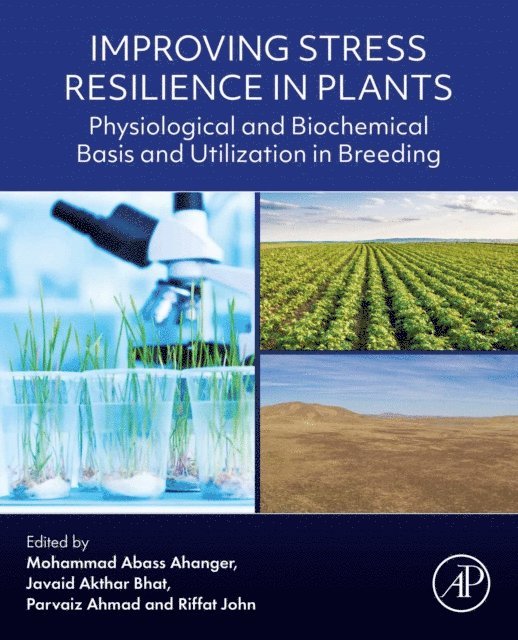
Improving Stress Resilience in Plants: Physiological and Biochemical Basis and Utilization in Breeding addresses the urgent need for improved understanding of major plant stress tolerance mechanisms, the identification of the genes, and gene products that are key to improving those mechanisms and means of optimizing those genes through molecular approaches. With a focus on plant physiological and biochemical attributes at both cellular and whole plant levels, this book includes the latest information on crosstalk between the various signaling molecules and quantitative trait locus (QTL). Further, it explores the extension of these mechanisms to breeding approaches, confirming overall understanding and inspiring further research. Written by a team of global experts, and presented in three thematic sections, the book provides insights into physical adaptations, metabolism and pathways, and breeding techniques including CRISPR and conventional approaches to reduce the negative effects of stresses and improve crop yield even under stress conditions. It is an ideal resource for researchers, academics and advanced students seeking to improve stress tolerance among crop plants and developing key future strategies for sustainable food production.
Explores key strategies, including signaling molecules and Quantitative Trait Locus (QTLs)Highlights stress mitigating agents for improved crop yieldProvides an integrated and holistic overview, enabling and inspiring further research toward improved food securityImproving Stress Resilience in Plants
Physiological and Biochemical Basis and Utilization in Breeding
2 662 kr
Läs direkt efter köp
2 117 kr
Skickas inom 11-20 vardagar
2 510 kr
Läs direkt efter köp
A guide to environmental fluctuations that examines photosynthesis under both controlled and stressed conditions
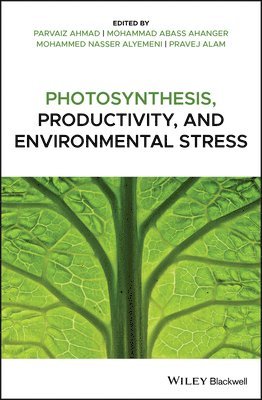
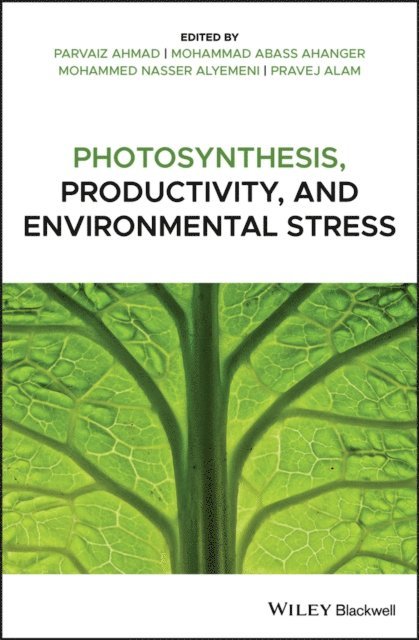
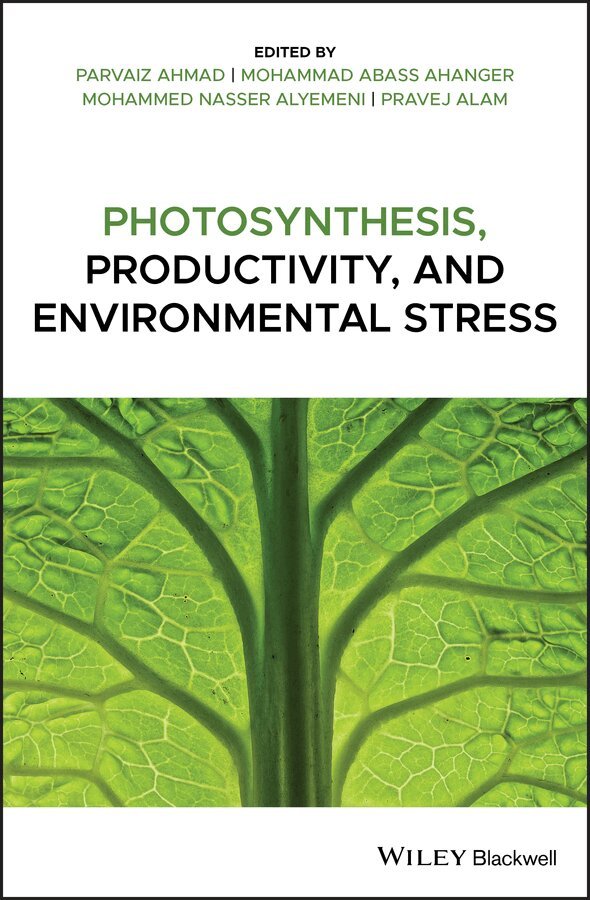
Photosynthesis, Productivity and Environmental Stress is a much-needed guide that explores the topics related to photosynthesis (both terrestrial and aquatic) and puts the focus on the basic effect of environmental fluctuations. The authors—noted experts on the topic—discuss photosynthesis under both controlled and stressed conditions and review new techniques for mitigating stressors including methods such as transgeneics, proteomics, genomics, ionomics, metabolomics, micromics, and more.
In order to feed our burgeoning world population, it is vital that we must increase food production. Photosynthesis is directly related to plant growth and crop production and any fluctuation in the photosynthetic activity imposes great threat to crop productivity. Due to the environmental fluctuations plants are often exposed to the different environmental stresses that cause decreased photosynthetic rate and problems in the plant growth and development. This important book addresses this topic and:
Covers topics related to terrestrial and aquatic photosynthesis Highlights the basic effect of environmental fluctuations Explores common stressors such as drought, salinity, alkalinity, temperature, UV-radiations, oxygen deficiency, and more Contains methods and techniques for improving photosynthetic efficiency for greater crop yieldWritten for biologists and environmentalists, Photosynthesis, Productivity and Environmental Stress offers an overview of the stressors affecting photosynthesis and includes possible solutions for improved crop production.
2 488 kr
Läs direkt efter köp
A guide to environmental fluctuations that examines photosynthesis under both controlled and stressed conditions
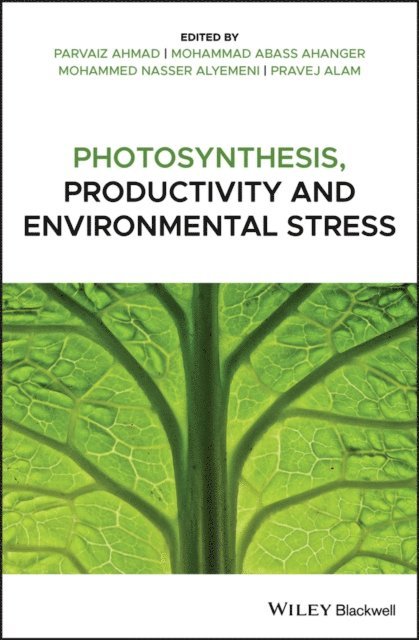
Photosynthesis, Productivity and Environmental Stress is a much-needed guide that explores the topics related to photosynthesis (both terrestrial and aquatic) and puts the focus on the basic effect of environmental fluctuations. The authors—noted experts on the topic—discuss photosynthesis under both controlled and stressed conditions and review new techniques for mitigating stressors including methods such as transgeneics, proteomics, genomics, ionomics, metabolomics, micromics, and more.
In order to feed our burgeoning world population, it is vital that we must increase food production. Photosynthesis is directly related to plant growth and crop production and any fluctuation in the photosynthetic activity imposes great threat to crop productivity. Due to the environmental fluctuations plants are often exposed to the different environmental stresses that cause decreased photosynthetic rate and problems in the plant growth and development. This important book addresses this topic and:
Covers topics related to terrestrial and aquatic photosynthesis Highlights the basic effect of environmental fluctuations Explores common stressors such as drought, salinity, alkalinity, temperature, UV-radiations, oxygen deficiency, and more Contains methods and techniques for improving photosynthetic efficiency for greater crop yieldWritten for biologists and environmentalists, Photosynthesis, Productivity and Environmental Stress offers an overview of the stressors affecting photosynthesis and includes possible solutions for improved crop production.
2 230 kr
Skickas inom 5-8 vardagar
2 519 kr
Läs direkt efter köp
Examines the beneficial roles of nitric oxide in growth and stress tolerance regulation through its involvement in tolerance mechanisms
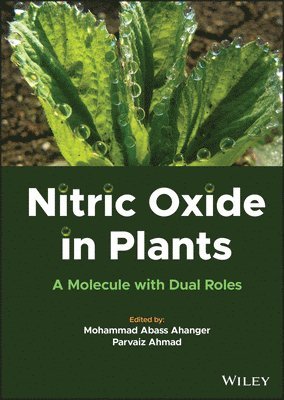
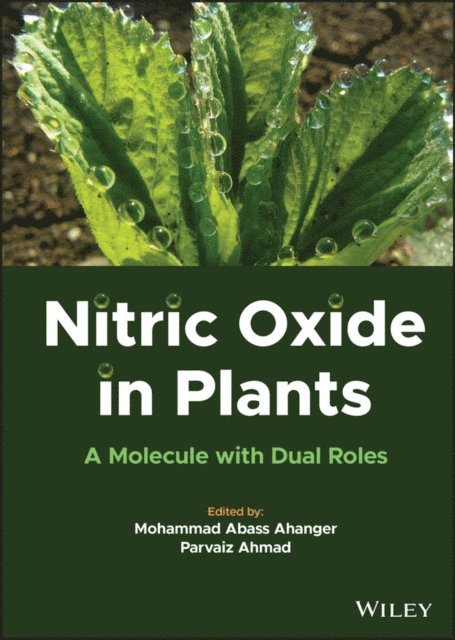
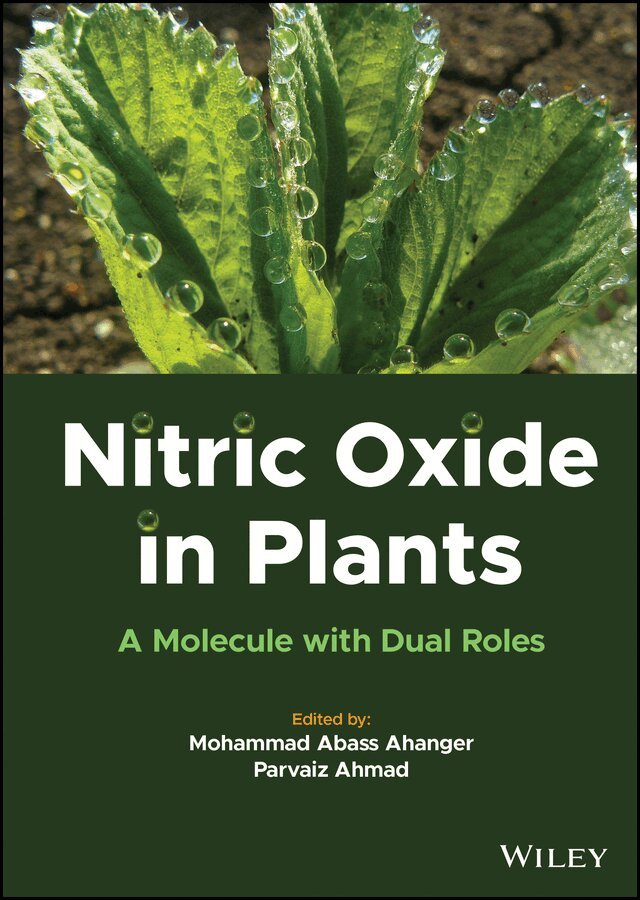
Studies have identified the central role of nitric oxide in stress mitigation through the modulation of physiological and biochemical pathways including germination, photosynthesis regulation, and programmed cell death. Nitric Oxide in Plants: A Molecule with Dual Roles provides a detailed account of the physio-biochemical, molecular, and omic basis of NO-mediated responses in crop plants under different stresses.
Summarizing recent work from leading researchers in the field, this up-to-date volume presents the current understanding of the modulation of the endogenous nitric oxide concentration following exogenous treatments and nitric oxide scavengers or inhibitors. The contributors discuss topics such as NO-mediated regulation of growth, photosynthesis, and tolerance mechanisms, the reductive and oxidative pathways of NO synthesis, molecular interventions for enhancing NO synthesis, the role of nitrogen in production of NO, beneficial microbes in NO production under normal and changing environmental conditions, and more.
Includes an overview of the biosynthesis and regulation of NO synthesis in plants Describes the enzymatic and non-enzymatic biosynthesis of NO and the influence of different stress factors on NO synthesis Explores the role of reactive oxygen, sulphur, and nitrogen species in stress signaling Discusses endogenous and exogenous NO in modifying the ascorbate-glutathione cycle Explains the crosstalk mechanisms underlying NO and phytohormones, including auxins, cytokinins, abscisic acid, and ethyleneNitric Oxide in Plants: A Molecule with Dual Roles is an essential resource for academics, students, and industry professionals studying the role of nitric oxide in environmental stress tolerance and its interaction with key signaling molecules.
2 519 kr
Läs direkt efter köp
Examines the beneficial roles of nitric oxide in growth and stress tolerance regulation through its involvement in tolerance mechanisms
Studies have identified the central role of nitric oxide in stress mitigation through the modulation of physiological and biochemical pathways including germination, photosynthesis regulation, and programmed cell death. Nitric Oxide in Plants: A Molecule with Dual Roles provides a detailed account of the physio-biochemical, molecular, and omic basis of NO-mediated responses in crop plants under different stresses.
Summarizing recent work from leading researchers in the field, this up-to-date volume presents the current understanding of the modulation of the endogenous nitric oxide concentration following exogenous treatments and nitric oxide scavengers or inhibitors. The contributors discuss topics such as NO-mediated regulation of growth, photosynthesis, and tolerance mechanisms, the reductive and oxidative pathways of NO synthesis, molecular interventions for enhancing NO synthesis, the role of nitrogen in production of NO, beneficial microbes in NO production under normal and changing environmental conditions, and more.
Includes an overview of the biosynthesis and regulation of NO synthesis in plants Describes the enzymatic and non-enzymatic biosynthesis of NO and the influence of different stress factors on NO synthesis Explores the role of reactive oxygen, sulphur, and nitrogen species in stress signaling Discusses endogenous and exogenous NO in modifying the ascorbate-glutathione cycle Explains the crosstalk mechanisms underlying NO and phytohormones, including auxins, cytokinins, abscisic acid, and ethyleneNitric Oxide in Plants: A Molecule with Dual Roles is an essential resource for academics, students, and industry professionals studying the role of nitric oxide in environmental stress tolerance and its interaction with key signaling molecules.