Mohammad B. Hossain – författare
1 871 kr
Skickas inom 10-15 vardagar
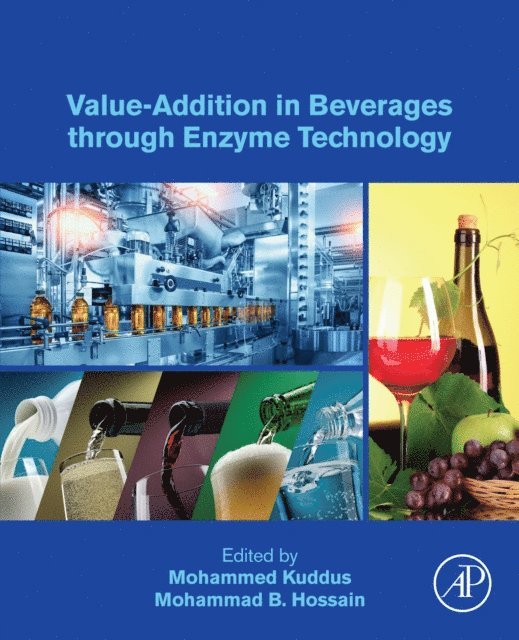
Value-Addition in Beverages through Enzyme Technology covers the potential impact of new enzymes and enzyme technology on the beverages sector. The book brings together novel sources and technologies regarding all aspects of enzymes for value addition in beverage production and processing. Sections primarily focus on alcoholic (e.g., beer, wine, cider, and distilled spirits) and non-alcoholic beverages (e.g., fruit juices, milk-based, tea, coffee, ready to drink and functional foods), but also cover innovative enzyme technologies to keep endogenous enzymes under control. It is essential reading for researchers and scientists, including food and beverage biotechnologists and students studying enzyme biotechnology and food-related courses.
This book will comprise updated research from various independent scientists from around the world who are working on value-addition and production of beverage products using enzyme technology.
Provides new genetic approaches for protein engineering for both alcoholic and non-alcoholic beverages Includes enzyme applications in the production and processing of beverages Offers updates on the latest biotechnological tools in the production of value-added beverages Discusses various types of enzymes extensively used in the beverage industry for improving yield of extraction, clarification, aroma enhancement, and more2 662 kr
Läs direkt efter köp
2 191 kr
Skickas inom 5-8 vardagar
2 564 kr
Läs direkt efter köp
The latest research on the health benefits and optimal processing technologies of herbs and spices
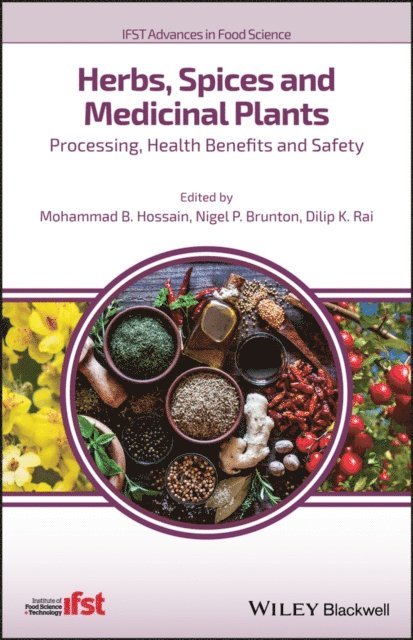
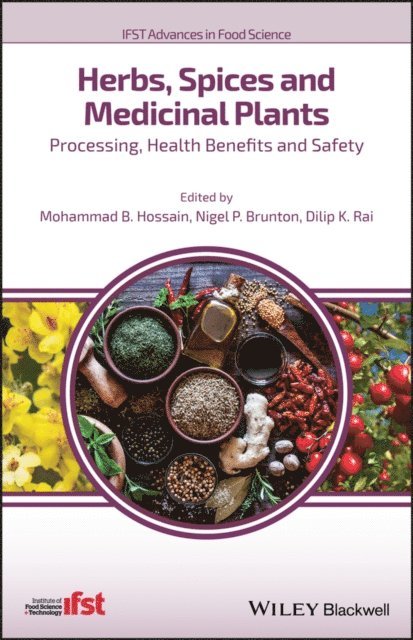
This book provides a comprehensive overview of the health benefits, analytical techniques used, and effects of processing upon the physicochemical properties of herbs and spices. Presented in three parts, it opens with a section on the technological and health benefits of herbs and spices. The second part reviews the effect of classical and novel processing techniques on the properties of herbs/spices. The third section examines extraction techniques and analytical methodologies used for herbs and spices.
Filled with contributions from experts in academia and industry, Herbs, Spices and Medicinal Plants: Processing, Health Benefits and Safety offers chapters covering thermal and non-thermal processing of herbs and spices, recent developments in high-quality drying of herbs and spices, conventional and novel techniques for extracting bioactive compounds from herbs and spices, and approaches to analytical techniques. It also examines purification and isolation techniques for enriching bioactive phytochemicals, medicinal properties of herbs and spices, synergy in whole-plant medicine, potential applications of polyphenols from herbs and spices in dairy products, biotic and abiotic safety concerns, and adverse human health effects and regulation of metal contaminants in terrestrial plant-derived food and phytopharmaceuticals.
Covers the emerging health benefits of herbs and spices, including their use as anti-diabetics, anti-inflammatories, and anti-oxidants Reviews the effect of classical and novel processing techniques on the properties of herbs and spices Features informed perspectives from noted academics and professionals in the industry Part of Wiley''s new IFST Advances in Food Science seriesHerbs, Spices and Medicinal Plants is an important book for companies, research institutions, and universities active in the areas of food processing and the agri-food environment. It will appeal to food scientists and engineers, environmentalists, and food regulatory agencies.
2 564 kr
Läs direkt efter köp
The latest research on the health benefits and optimal processing technologies of herbs and spices
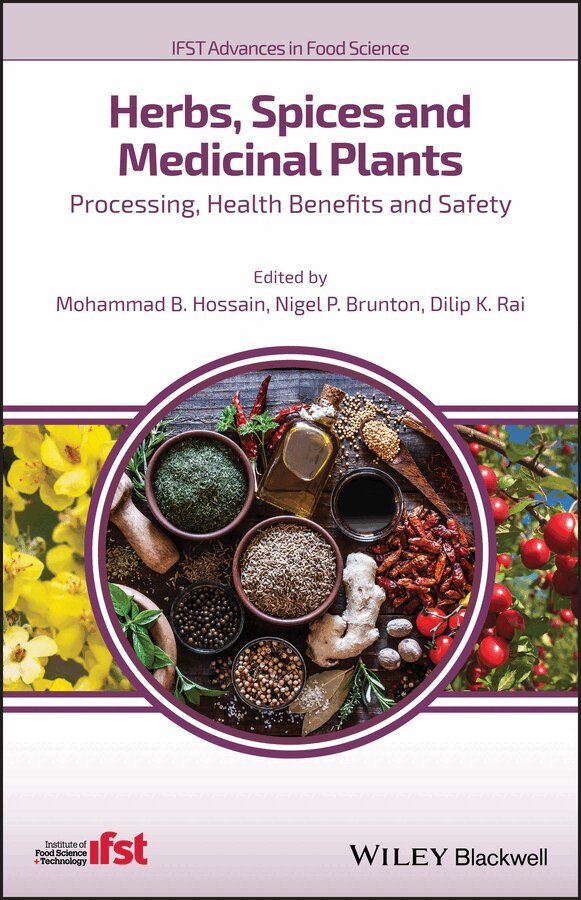
This book provides a comprehensive overview of the health benefits, analytical techniques used, and effects of processing upon the physicochemical properties of herbs and spices. Presented in three parts, it opens with a section on the technological and health benefits of herbs and spices. The second part reviews the effect of classical and novel processing techniques on the properties of herbs/spices. The third section examines extraction techniques and analytical methodologies used for herbs and spices.
Filled with contributions from experts in academia and industry, Herbs, Spices and Medicinal Plants: Processing, Health Benefits and Safety offers chapters covering thermal and non-thermal processing of herbs and spices, recent developments in high-quality drying of herbs and spices, conventional and novel techniques for extracting bioactive compounds from herbs and spices, and approaches to analytical techniques. It also examines purification and isolation techniques for enriching bioactive phytochemicals, medicinal properties of herbs and spices, synergy in whole-plant medicine, potential applications of polyphenols from herbs and spices in dairy products, biotic and abiotic safety concerns, and adverse human health effects and regulation of metal contaminants in terrestrial plant-derived food and phytopharmaceuticals.
Covers the emerging health benefits of herbs and spices, including their use as anti-diabetics, anti-inflammatories, and anti-oxidants Reviews the effect of classical and novel processing techniques on the properties of herbs and spices Features informed perspectives from noted academics and professionals in the industry Part of Wiley''s new IFST Advances in Food Science seriesHerbs, Spices and Medicinal Plants is an important book for companies, research institutions, and universities active in the areas of food processing and the agri-food environment. It will appeal to food scientists and engineers, environmentalists, and food regulatory agencies.