Monica T. Whitty – författare
Visar alla böcker från författaren Monica T. Whitty. Handla med fri frakt och snabb leverans.
7 produkter
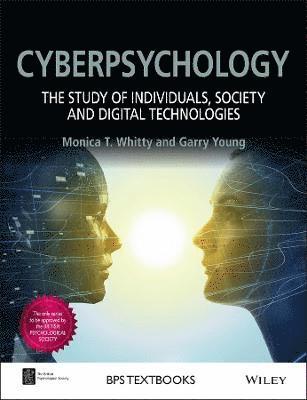
Cyberpsychology
The Study of Individuals, Society and Digital Technologies
Av Monica T. Whitty, Garry Young
Häftad, 2016
477 kr
Lägg i varukorg
CYBERPSYCHOLOGY An important new textbook for an exciting area of contemporary psychological study and research... The field of cyberpsychology examines the psychology of interactions between individuals, societies and digital technologies. This engaging and accessible textbook offers a complete …
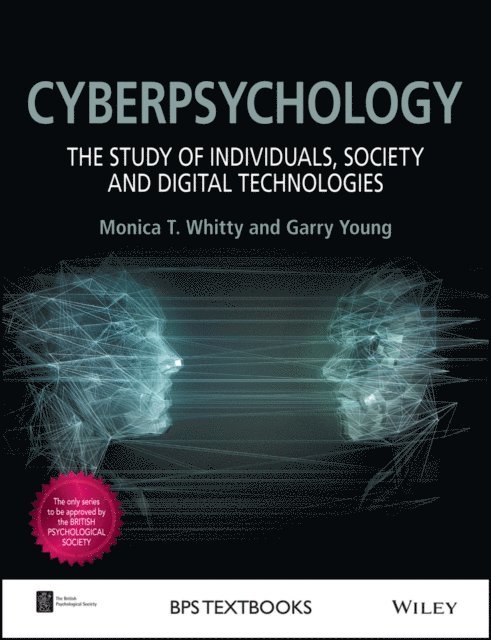
Cyberpsychology
The Study of Individuals, Society and Digital Technologies
Av Monica T. Whitty, Garry Young
E-bok, 2016
557 kr
Lägg i varukorg
CYBERPSYCHOLOGY An important new textbook for an exciting area of contemporary psychological study and research... The field of cyberpsychology examines the psychology of interactions between individuals, societies and digital technologies. This engaging and accessible textbook offers a complete …
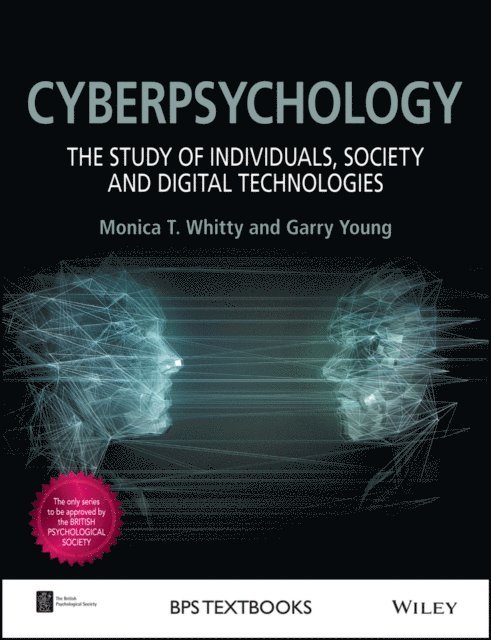
Cyberpsychology
The Study of Individuals, Society and Digital Technologies
Av Monica T. Whitty, Garry Young
E-bok, 2016
553 kr
Lägg i varukorg
CYBERPSYCHOLOGY An important new textbook for an exciting area of contemporary psychological study and research... The field of cyberpsychology examines the psychology of interactions between individuals, societies and digital technologies. This engaging and accessible textbook offers a complete …
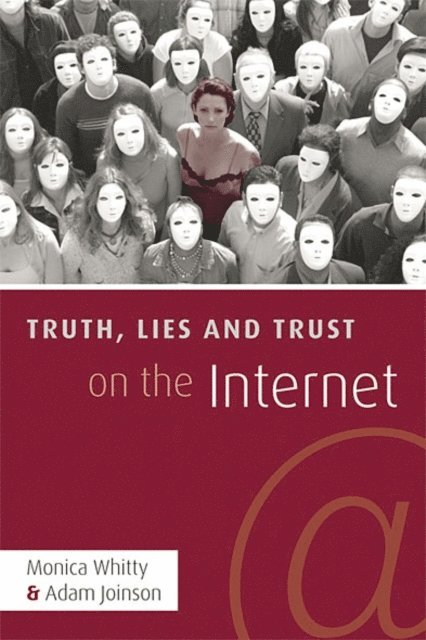
Truth, Lies and Trust on the Internet
Av Adam Joinson, Monica T. Whitty
E-bok, 2008
955 kr
Lägg i varukorg
The Internet is often presented as an unsafe or untrustworthy space: where children are preyed upon by paedophiles, cannibals seek out victims, offline relationships are torn apart by online affairs and where individuals are addicted to gambling, love, and cybersex. While many of these stories are …
Truth, Lies and Trust on the Internet
Av Adam Joinson, Monica T. Whitty
E-bok, 2008
955 kr
Lägg i varukorg
The Internet is often presented as an unsafe or untrustworthy space: where children are preyed upon by paedophiles, cannibals seek out victims, offline relationships are torn apart by online affairs and where individuals are addicted to gambling, love, and cybersex. While many of these stories are …
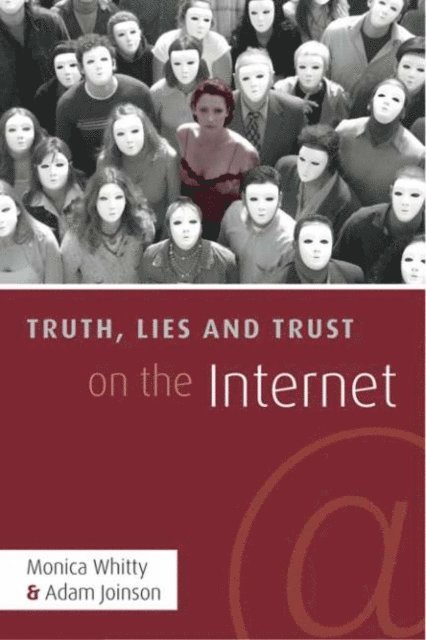
Truth, Lies and Trust on the Internet
Av Monica T. Whitty, Adam Joinson
Häftad, 2015
830 kr
Lägg i varukorg
The Internet is often presented as an unsafe or untrustworthy space: where children are preyed upon by paedophiles, cannibals seek out victims, offline relationships are torn apart by online affairs and where individuals are addicted to gambling, love, and cybersex. While many of these stories are …
Truth, Lies and Trust on the Internet
Av Monica T. Whitty, Adam Joinson
Inbunden, 2008
2448 kr
Lägg i varukorg
The Internet is often presented as an unsafe or untrustworthy space: where children are preyed upon by paedophiles, cannibals seek out victims, offline relationships are torn apart by online affairs and where individuals are addicted to gambling, love, and cybersex. While many of these stories are …