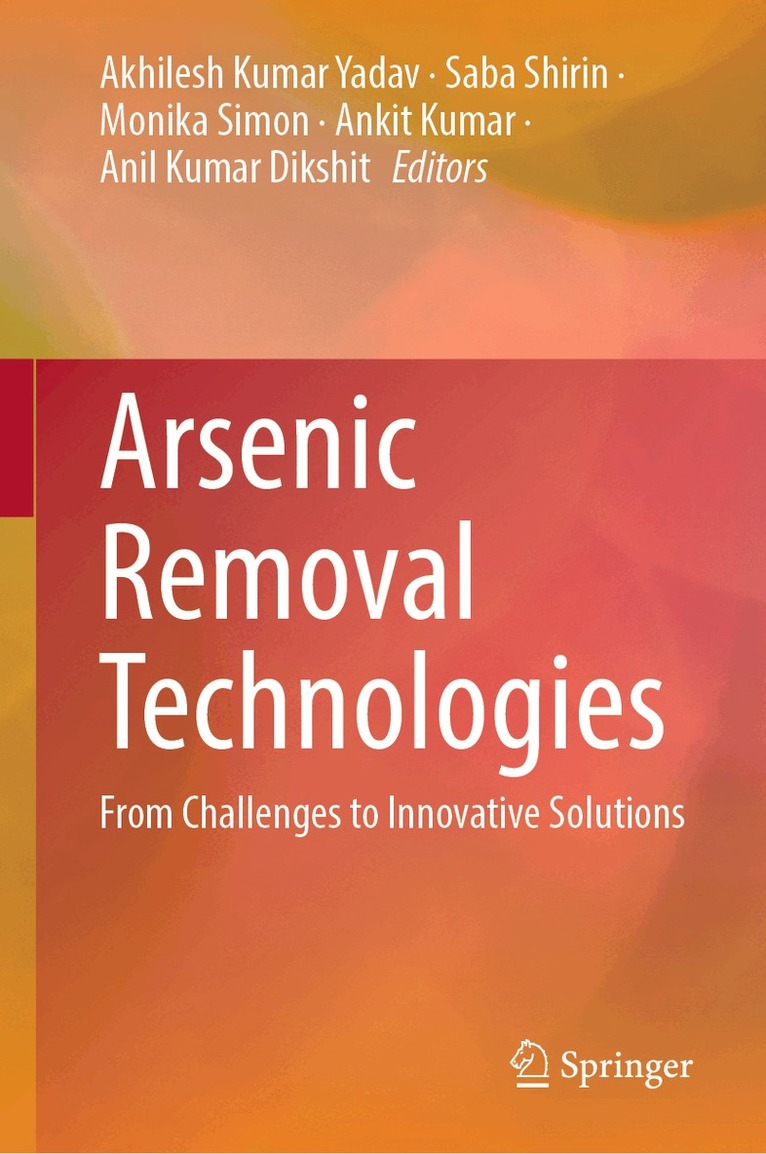
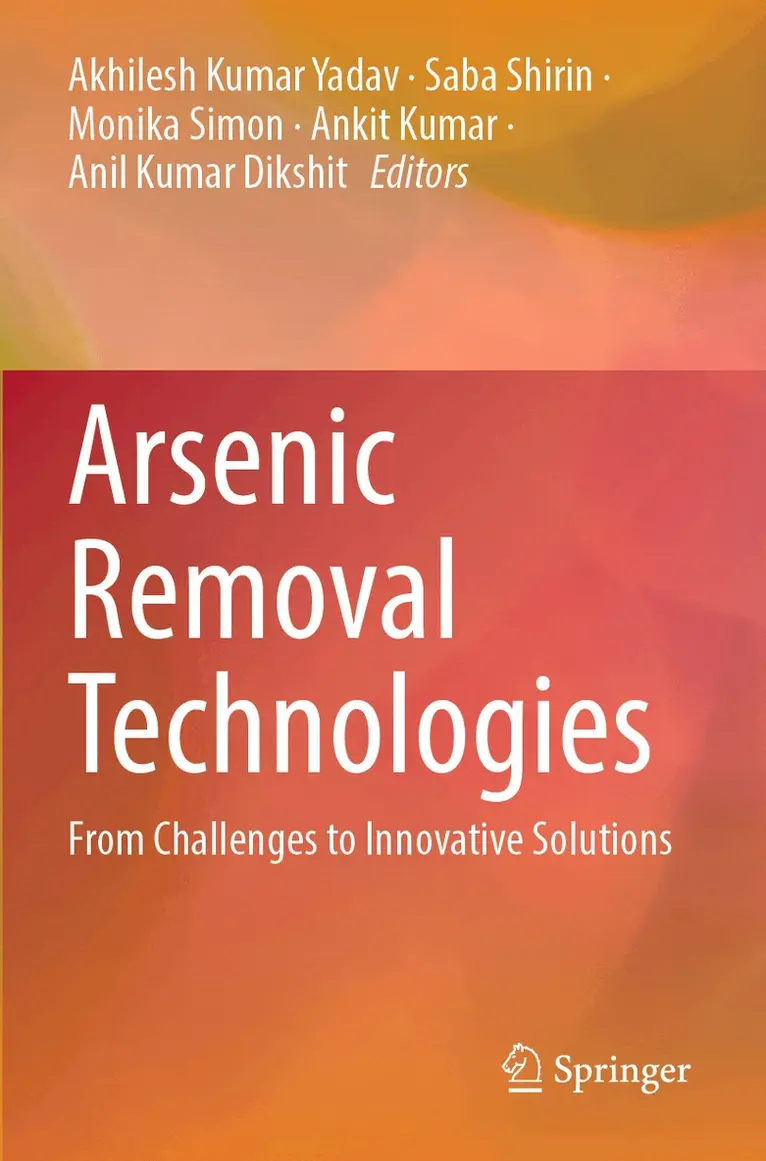
This book tackles the critical issue of arsenic contamination in water resources, a significant global threat impacting both developed and developing nations. Arsenic exposure poses severe health risks, including cancer, necessitating innovative solutions that prioritize both effectiveness and environmental responsibility. This book explores the diverse sources of arsenic contamination, from naturally occurring minerals to industrial pollutants, and the severe health impacts of chronic exposure, including cancer and cardiovascular diseases. It also covers the latest advancements in bioremediation and nanotechnology, featuring cutting-edge sustainable arsenic removal technologies that go beyond traditional methods like coagulation and filtration.Divided into 14 chapters, the book addresses topics such as bioremediation using microorganisms and natural plant-based systems, integrated bioremediation technologies, and the application of nanotechnology for enhanced efficiency and affordability. It also outlines the development and use of low-cost adsorptive materials and sustainable adsorbents, providing a comprehensive overview of their strengths, limitations, and future prospects. With a focus on both developed and developing countries, the book examines the current state of arsenic removal methods, the challenges faced, and the innovative solutions being developed. It highlights the importance of building capacity and knowledge sharing for sustainable arsenic management.This book is an essential resource for researchers, environmental scientists, engineers, and policymakers working in the fields of environmental science, water treatment, and public health. It equips readers with a detailed and up-to-date perspective on the technologies and strategies needed to effectively mitigate arsenic pollution.
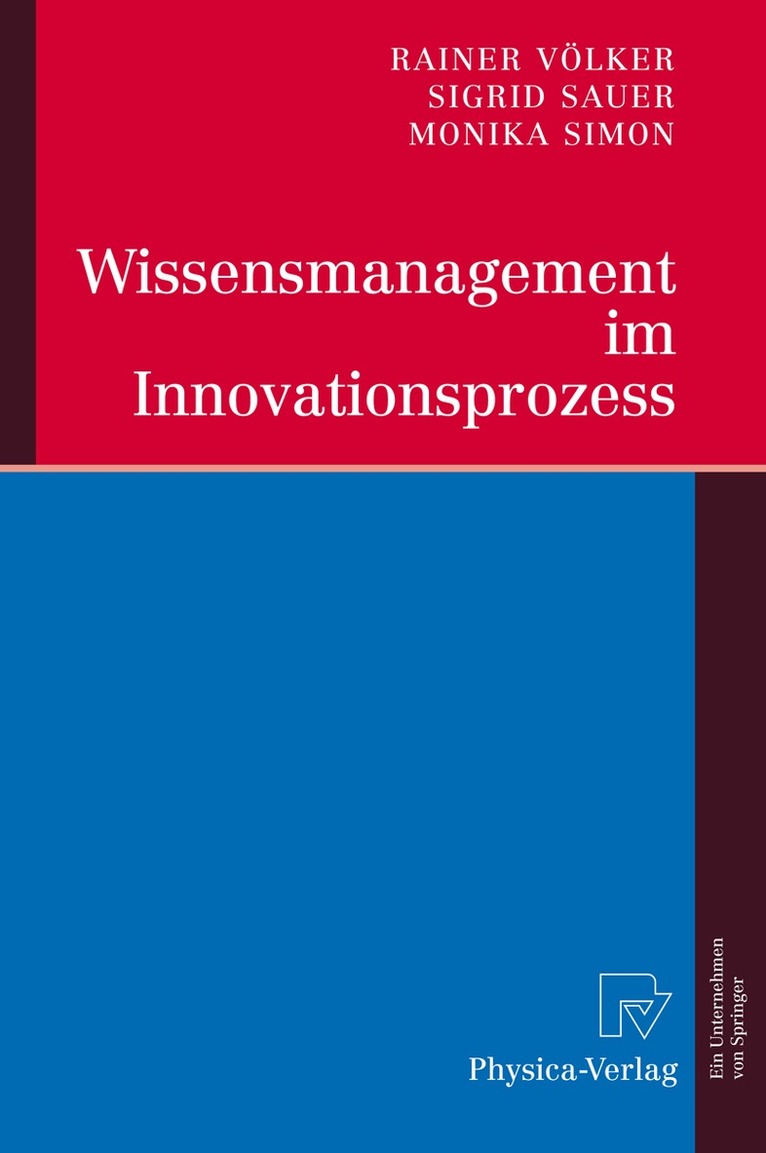
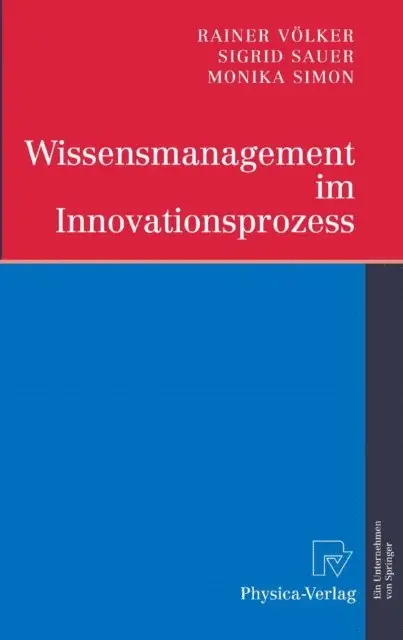
Das Wissen über die Anwendung neuer Technologien sowie über Kunden und Märkte ist ein elementarer Bestandteil des Innovationsmanagements. Ebenso gehört zu einer erfolgreichen Produktentwicklung, dass das notwendige Wissen rasch diffundiert und eingesetzt werden kann. Hierzu müssen spezielle Rahmenbedingungen wie organisatorische Strukturen und Kulturen geschaffen sowie spezifische IT-Tools eingesetzt werden. Das Buch zeigt zum einen die Bedeutung des Wissensmanagements für den Innovationsprozess auf. Zum anderen werden konkrete Gestaltungsempfehlungen für den Aufbau eines Wissensmanagements im Innovationsprozess gegeben. Grundlage sind vor allem - neben theoretischen Überlegungen - empirische Analysen wie Best Practices bei Konzernen, Fallstudien bei KMU und eine Breitenbefragung.
This book provides a forward-looking and practical examination of how Artificial Intelligence (AI) is reshaping wastewater treatment and advancing sustainable environmental management. Organized into four thematic parts, it bridges foundational knowledge with cutting-edge innovations, offering an integrated view of the future of water technologies.The book begins with the fundamentals of AI and machine learning as applied to core wastewater processes. Readers learn how intelligent algorithmsranging from neural networks to optimization modelsenable accurate forecasting, dynamic control, and enhanced biological treatment efficiency. The second part highlights AI-driven monitoring and automation, including smart sensors, SCADA-enabled systems, and real-time process adjustments that improve operational stability and regulatory compliance.Decision-support tools and emerging technologies form the focus of Part III. This section explores multi-criteria evaluation frameworks, IoT-connected smart plants, predictive analytics, and next-generation advancements such as explainable AI. The final part addresses sustainability and specialized applications, detailing AI-driven strategies for sludge valorization, zero-waste initiatives, high-salinity wastewater treatment, and optimized water reuse.Combining scientific depth with practical insights, this book serves as an essential resource for researchers, engineers, utility managers, environmental consultants, and policymakers committed to building smarter, more resilient, and sustainable wastewater management systems.