Morten Boas – författare
Visar alla böcker från författaren Morten Boas. Handla med fri frakt och snabb leverans.
10 produkter
Global Institutions and Development
Framing the World?
Av Morten Boas, Desmond McNeill
Inbunden, 2003
2512 kr
Lägg i varukorg
This unique book explores a very broad range of ideas and institutions and provides thorough and detailed case studies in the context of broader theoretical analysis. Key topics such as poverty, global governance, sustainable development and the environment are closely examined, with detailed case …
Global Institutions and Development
Framing the World?
Av Morten Boas, Desmond McNeill
Häftad, 2003
1012 kr
Lägg i varukorg
This unique book explores a very broad range of ideas and institutions and provides thorough and detailed case studies in the context of broader theoretical analysis. Key topics such as poverty, global governance, sustainable development and the environment are closely examined, with detailed case …
Global Institutions and Development
Framing the World?
Av Desmond McNeill, Morten Boas
E-bok, 2004
1169 kr
Lägg i varukorg
This unique book explores a very broad range of ideas and institutions and provides thorough and detailed case studies in the context of broader theoretical analysis. Key topics such as poverty, global governance, sustainable development and the environment are closely examined, with detailed case …
Global Institutions and Development
Framing the World?
Av Desmond McNeill, Morten Boas
E-bok, 2004
1169 kr
Lägg i varukorg
This unique book explores a very broad range of ideas and institutions and provides thorough and detailed case studies in the context of broader theoretical analysis. Key topics such as poverty, global governance, sustainable development and the environment are closely examined, with detailed case …
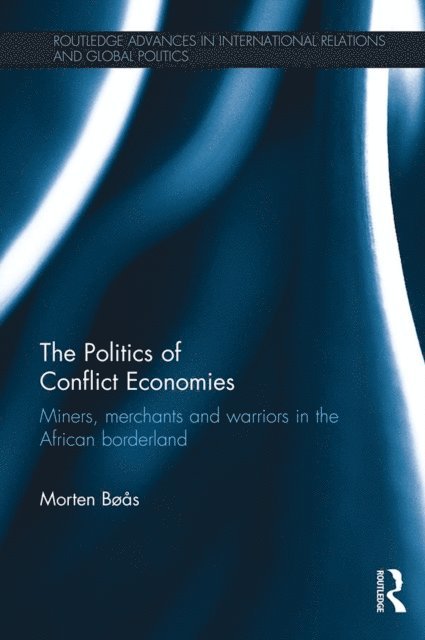
Politics of Conflict Economies
Miners, merchants and warriors in the African borderland
Av Morten Boas
E-bok, 2014
883 kr
Lägg i varukorg
Conflict economies cannot be approached in isolation but must instead be contextualised socially and historically. These economies did not emerge in vacuum, but are part and parcel of the history of people and place. This book explores the informal and illicit extraction and trade of minerals and …
Politics of Conflict Economies
Miners, merchants and warriors in the African borderland
Av Morten Boas
E-bok, 2014
864 kr
Lägg i varukorg
Conflict economies cannot be approached in isolation but must instead be contextualised socially and historically. These economies did not emerge in vacuum, but are part and parcel of the history of people and place. This book explores the informal and illicit extraction and trade of minerals and …
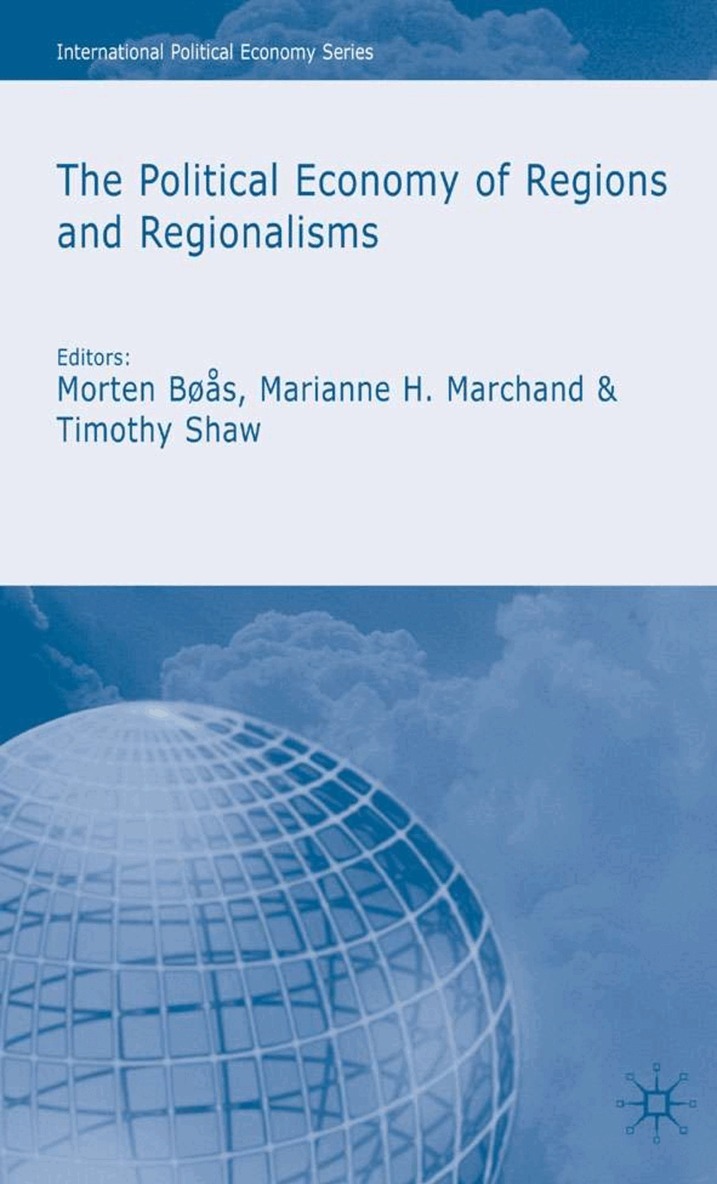
Political Economy of Regions and Regionalisms
Av Morten Boas, Timothy M. Shaw m. fl.
Inbunden, 2005
570 kr
Lägg i varukorg
This volume takes the debates on the political economy of regionalization beyond their current stage, utilizing the insight that regionalization entails profound socio-cultural, economic and political restructuring. The contributions challenge the traditional formal interstate and institutional …
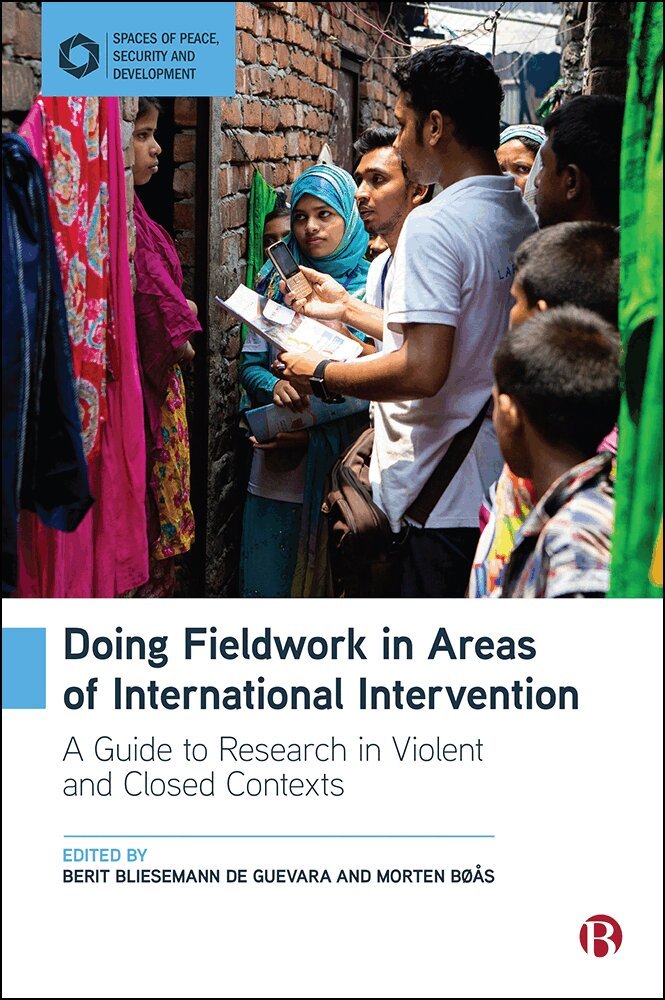
Doing Fieldwork in Areas of International Intervention
A Guide to Research in Violent and Closed Contexts
Av Berit Bliesemann de Guevara, Morten Boas m. fl.
Häftad, 2021
428 kr
Lägg i varukorg
Using detailed insights from those with first-hand experience of conducting research in areas of international intervention and conflict, this handbook provides essential practical guidance for researchers and students embarking on fieldwork in violent, repressive and closed contexts.Contributors …
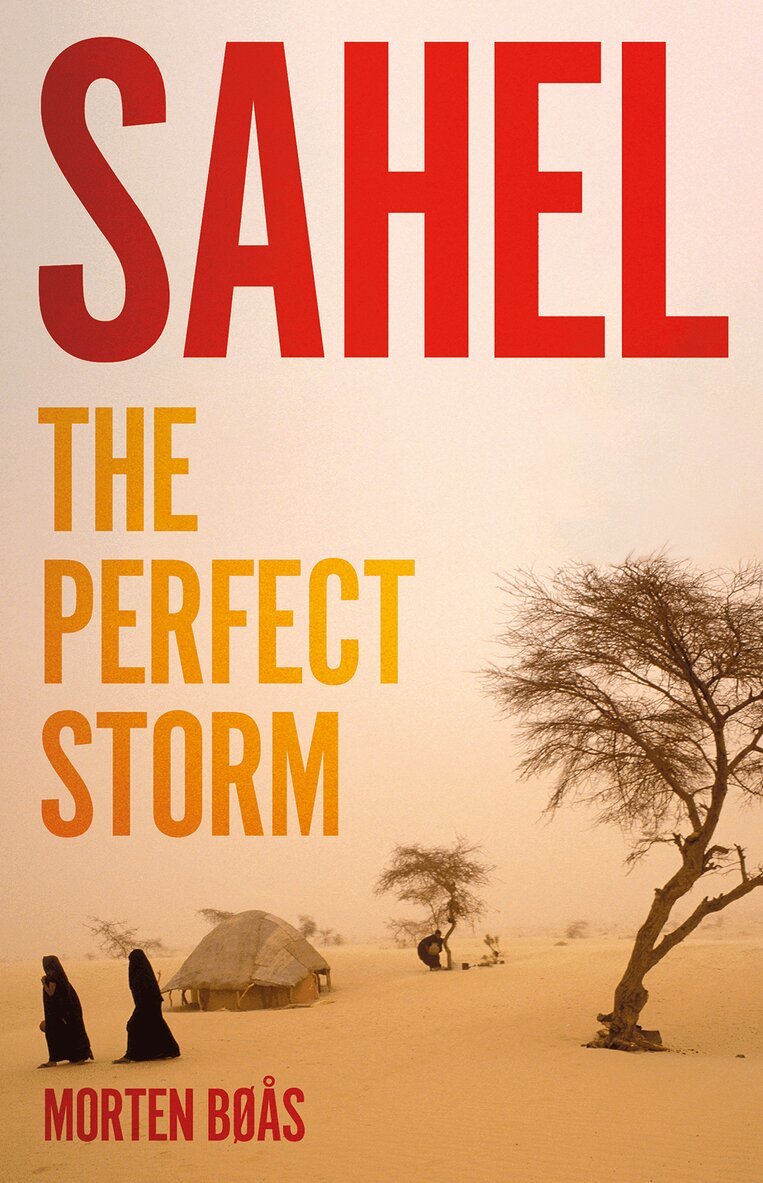
Sahel
The Perfect Storm
Av Morten Boas
Inbunden, 2025
338 kr
Lägg i varukorg
The Sahel is the borderland of 3 million square kilometres between the Sahara Desert and the African savannah and forest lands further south. Much of this huge area is inhospitable. Insurgencies are common, as are migration and smuggling, jobs being as rare here as effective government …
Sahel
The Perfect Storm
Av Morten Boas
E-bok, 2025
312 kr
Lägg i varukorg
The Sahel is the borderland of 3 million square kilometres between the Sahara Desert and the African savannah and forest lands further south. Much of this huge area is inhospitable. Insurgencies are common, as are migration and smuggling, jobs being as rare here as effective government …