Muchaparara Musemwa – författare
Visar alla böcker från författaren Muchaparara Musemwa. Handla med fri frakt och snabb leverans.
6 produkter
6 produkter
E-bok
PDF, Engelska, 2021384 kr
Läs direkt efter köp
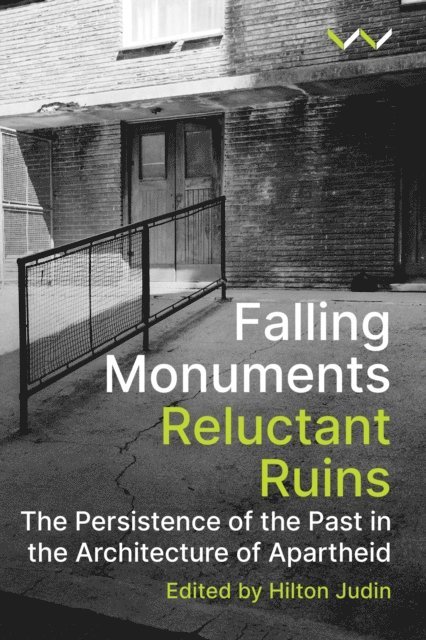
Falling Monuments, Reluctant Ruins: The Persistence of the Past in the Architecture of Apartheid interrogates how, in the era of decolonisation, post-apartheid South Africa reckons with its past in order to shape its future. Architects, historians, artists, social anthropologists and urban planners seek answers in this book to complex and unsettling questions around heritage, ruins and remembrance. What do we do with hollow memorials and political architectural remnants? Which should remain, which forgotten, and which dismantled? Are these vacant buildings, cemeteries, statues, and derelict grounds able to serve as inspiration in the fight against enduring racism and social neglect? Should they become exemplary as spaces for restitution and justice? The contributors examine the influence of public memory, planning and activism on such anguished places of oppression, resistance and defiance. Their focus on visible markers in the landscape to interrogate our past will make readers reconsider these spaces, looking at their landscape and history anew. Through a series of 14 empirically grounded chapters and 48 images, the contributors seek to understand how architecture contests or subverts these persistent conditions in order to promote social justice, land reclamation and urban rehabilitation. The decades following the dismantling of apartheid are surveyed in light of contemporary heritage projects, where building ruins and abandoned spaces are challenged and renegotiated across the country to become sites of protest, inspiration and anger. This ground-breaking collection is an important resource for professionals, academics and activists working in South Africa today.
E-bok
Engelska, 2021384 kr
Läs direkt efter köp
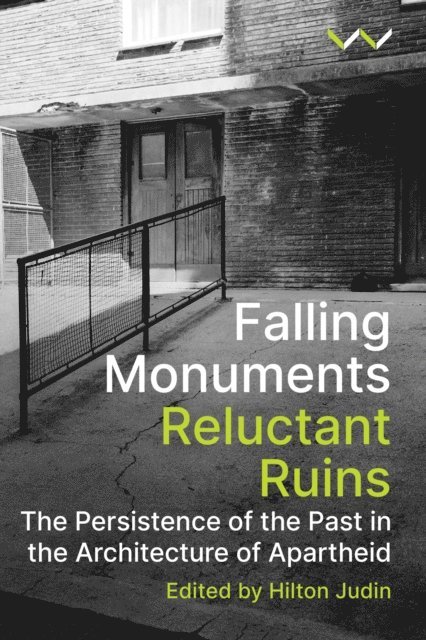
Falling Monuments, Reluctant Ruins: The Persistence of the Past in the Architecture of Apartheid interrogates how, in the era of decolonisation, post-apartheid South Africa reckons with its past in order to shape its future. Architects, historians, artists, social anthropologists and urban planners seek answers in this book to complex and unsettling questions around heritage, ruins and remembrance. What do we do with hollow memorials and political architectural remnants? Which should remain, which forgotten, and which dismantled? Are these vacant buildings, cemeteries, statues, and derelict grounds able to serve as inspiration in the fight against enduring racism and social neglect? Should they become exemplary as spaces for restitution and justice? The contributors examine the influence of public memory, planning and activism on such anguished places of oppression, resistance and defiance. Their focus on visible markers in the landscape to interrogate our past will make readers reconsider these spaces, looking at their landscape and history anew. Through a series of 14 empirically grounded chapters and 48 images, the contributors seek to understand how architecture contests or subverts these persistent conditions in order to promote social justice, land reclamation and urban rehabilitation. The decades following the dismantling of apartheid are surveyed in light of contemporary heritage projects, where building ruins and abandoned spaces are challenged and renegotiated across the country to become sites of protest, inspiration and anger. This ground-breaking collection is an important resource for professionals, academics and activists working in South Africa today.
Häftad, Engelska, 2022
380 kr
Skickas inom 5-8 vardagar
This volume critically examines sources of evidence and material from the archive that historically have been used to tell southern Africa's pre-colonial story.
Inbunden, Engelska, 2022
1 304 kr
Skickas inom 5-8 vardagar
This volume critically examines sources of evidence and material from the archive that historically have been used to tell southern Africa's pre-colonial story.
E-bok
PDF, Engelska, 2022443 kr
Läs direkt efter köp
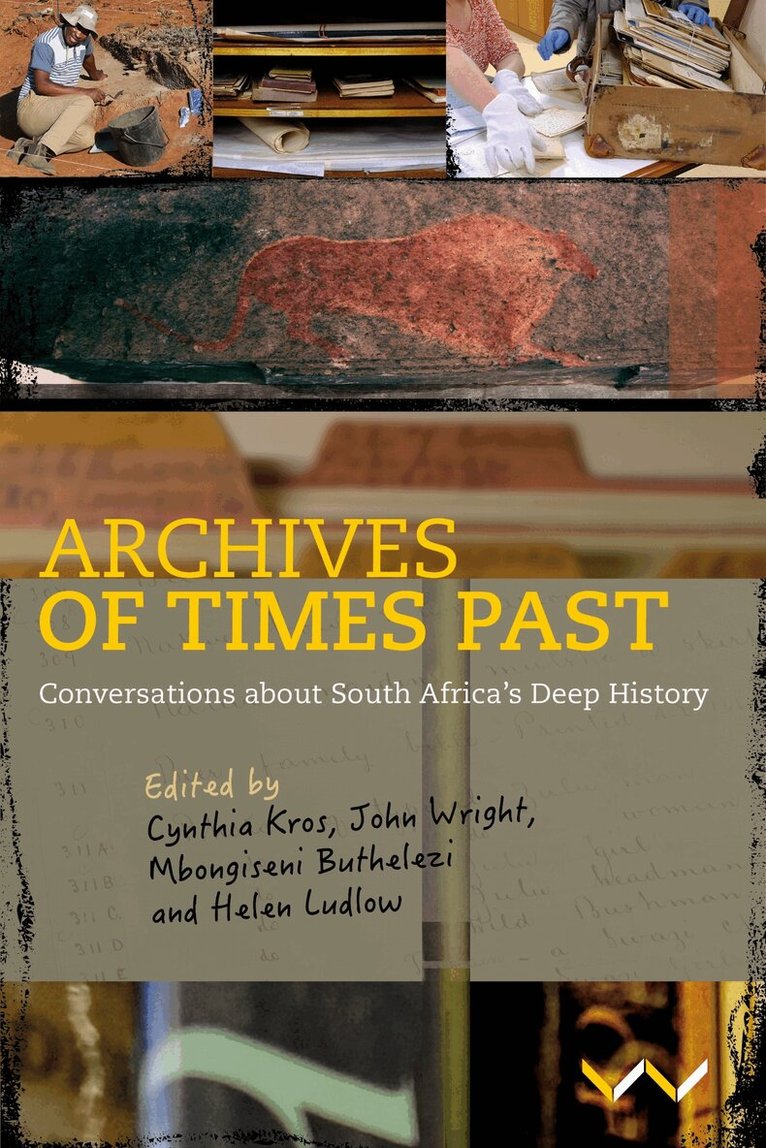
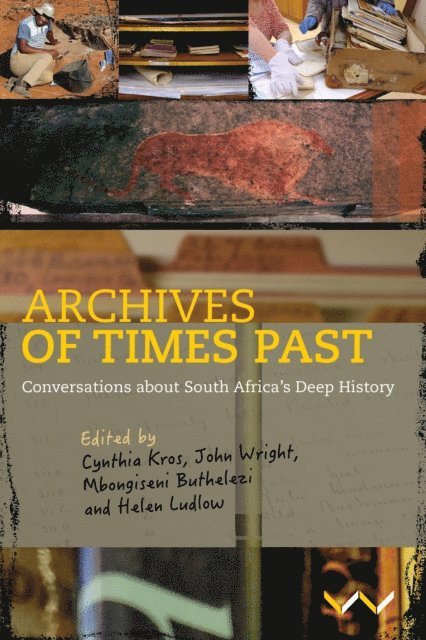
Archives of Times Past: Conversations about South Africa’s Deep History explores particular sources of evidence on southern Africa’s time before the colonial era. It gathers recent ideas about archives and archiving from scholars in southern Africa and elsewhere, focusing on the question: ‘How do we know, or think we know, what happened in the times before European colonialism?’ Historians who specialise in researching early history have learnt to use a wide range of materials from the past as source materials. What are these materials? Where can we find them? Who made them? When? Why? What are the problems with using them? The essays by well-known historians, archaeologists and researchers engage these questions from a range of perspectives and in illuminating ways. Written from personal experience, they capture how these experts encountered their archives of knowledge beyond the textbook. The book aims to make us think critically about where ideas about the time before the colonial era originate. It encourages us to think about why people in South Africa often refer to this ‘deep history’ when arguing about public affairs in the present. The essays are written at a time when public discussion about the history of southern Africa before the colonial era is taking place more openly than at any other time in the last hundred years. They will appeal to students, academics, educationists, teachers, archivists, and heritage, museum practitioners and the general public.
E-bok
Engelska, 2022443 kr
Läs direkt efter köp
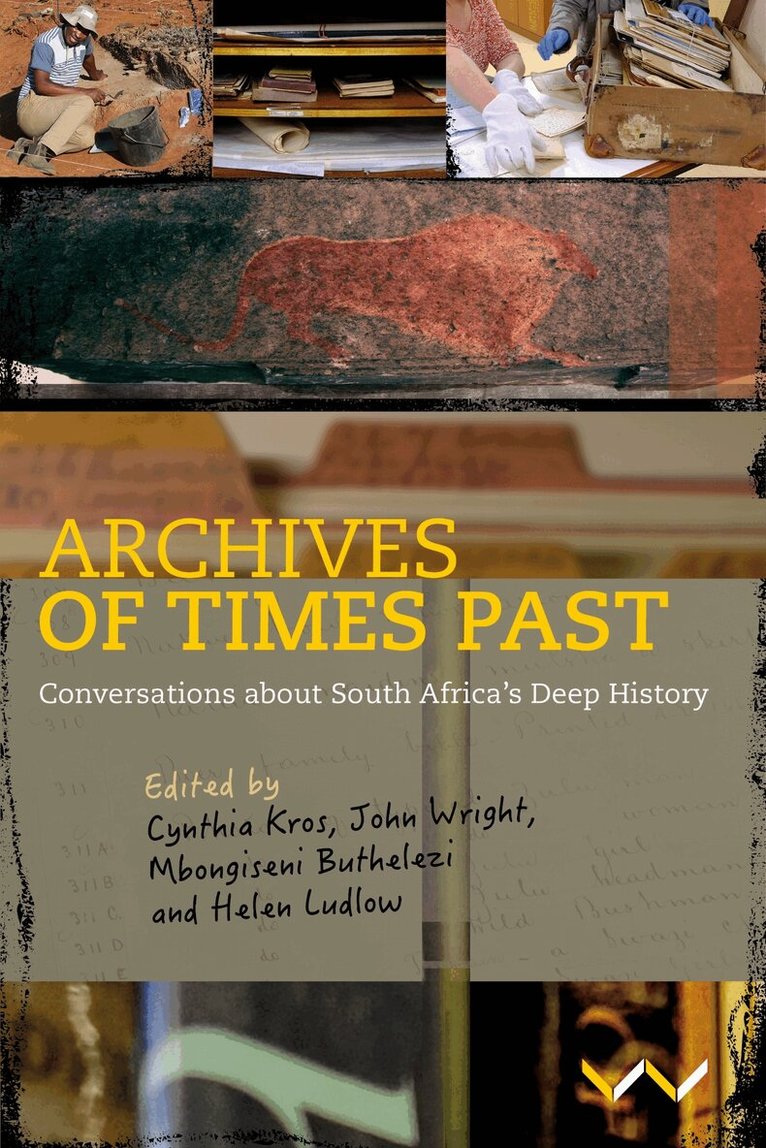
Archives of Times Past: Conversations about South Africa’s Deep History explores particular sources of evidence on southern Africa’s time before the colonial era. It gathers recent ideas about archives and archiving from scholars in southern Africa and elsewhere, focusing on the question: ‘How do we know, or think we know, what happened in the times before European colonialism?’ Historians who specialise in researching early history have learnt to use a wide range of materials from the past as source materials. What are these materials? Where can we find them? Who made them? When? Why? What are the problems with using them? The essays by well-known historians, archaeologists and researchers engage these questions from a range of perspectives and in illuminating ways. Written from personal experience, they capture how these experts encountered their archives of knowledge beyond the textbook. The book aims to make us think critically about where ideas about the time before the colonial era originate. It encourages us to think about why people in South Africa often refer to this ‘deep history’ when arguing about public affairs in the present. The essays are written at a time when public discussion about the history of southern Africa before the colonial era is taking place more openly than at any other time in the last hundred years. They will appeal to students, academics, educationists, teachers, archivists, and heritage, museum practitioners and the general public.