Murray Moo-Young – författare
Visar alla böcker från författaren . Handla med fri frakt och snabb leverans.
14 produkter
14 produkter
Inbunden, Engelska, 1996
3 248 kr
Skickas inom 10-15 vardagar
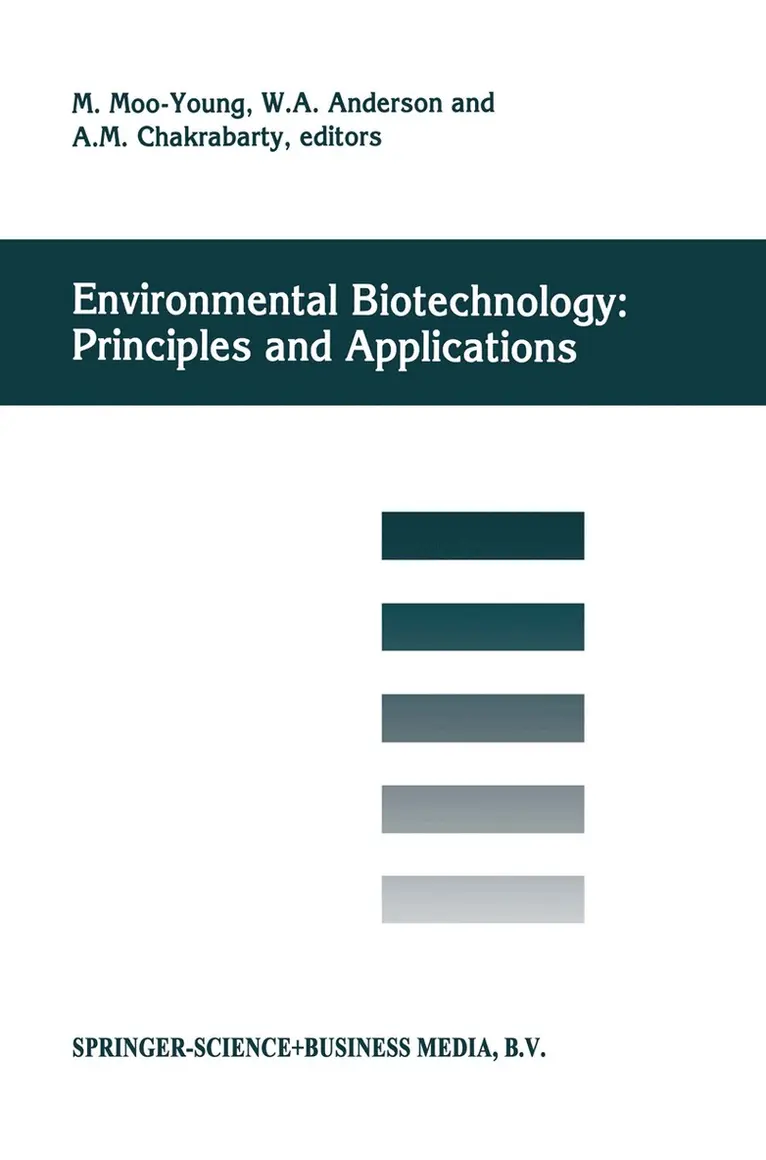
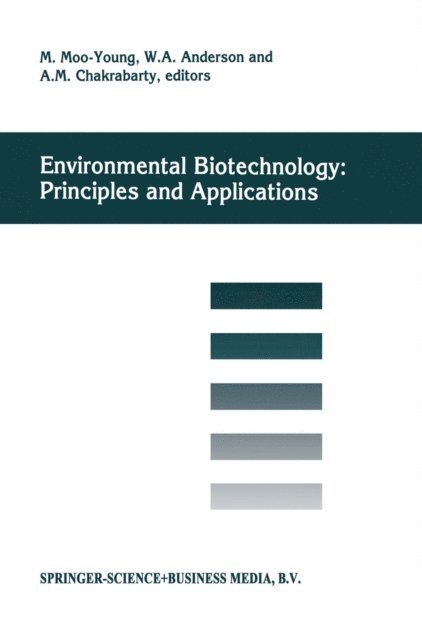
Biotechnology offers a `natural' way of addressing environmental problems, ranging from identification of biohazards to bioremediation techniques for industrial, agricultural and municipal effluents and residues. Biotechnology is also a crucial element in the paradigm of `sustainable development'. This collection of 66 papers, by authors from 20 countries spanning 4 continents, addresses many of these issues. The material presented will interest scientists, engineers, and others in industry, government and academia. It incorporates both introductory and advanced aspects of the subject matter, which includes water, air and soil treatment, biosensor and biomonitoring technology, genetic engineering of microorganisms, and policy issues in applying biotechnology to environmental problems. The papers present a variety of aspects ranging from current state-of-the-art research, to examples of applications of these technologies.
Inbunden, Engelska, 2001
1 627 kr
Skickas inom 10-15 vardagar
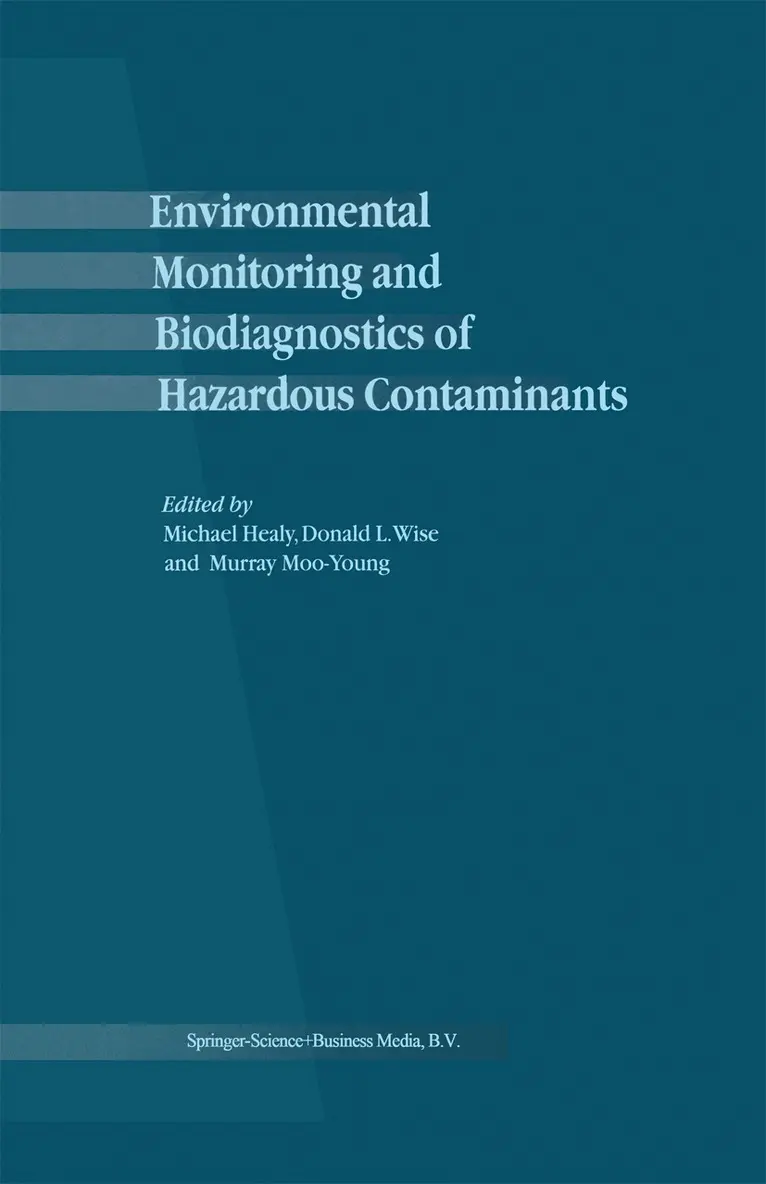
The fourth International Symposium of the International Society for Environmental Biotechnology was held at Queen's University, Belfast, Northern Ireland, on June 20-25, 1998. This meeting included technical presentations of state-of-the-art research which were integrated with tutorials and workshops by practising technologists in the broad field of environmental biotechnology. This meeting was designed to be, in every respect, truly global. Over 100 abstracts from around the world were accepted. For example, presentations were heard from technical workers in Southeast Asia, Iran, China, many countries in Europe, India, and the United States. By having these selected presenters, as well as identified experienced tutors with focused workshops, all participants benefited from this interactive symposium. A number of social events further promoted informal exchange of ideas, discussions of technical problems, and exploration of new applications. The symposium, with an attendance of several hundred people, was considered a major success. Workers with experience in one area of environmental biotechnology learned from the wealth of established backgrounds of those in other areas.To formally disseminate conference results, it was pre-arranged that all technical presentations were reviewed for formal publication. Environmental biotechnology is an emerging field of scientific and technological investigations that is truly global. People around the world are now joined together by a common technical bond. Furthermore, popular recognition is high for the environmental problems being faced and solved by biotechnology methods. With a feeling of "winning", but recognizing there is much work to be done, workers with in-depth experience in solving one problem in environmental biotechnology learned from the background of other workers how they, too, are addressing and solving environmental problems. In every respect, support for this highly focused global symposium was merited. As with all meetings of the International Society for Environmental Biotechnology, papers were invited especially for the following sessions: metals - mine drainage, removal, toxicity; waste treatment/monitoring; integrated systems; bioremediation - in situ/reactors/basic studies; water quality; biodegradation; local/national/international issues.
E-bok
PDF, Engelska, 20131 015 kr
Läs direkt efter köp
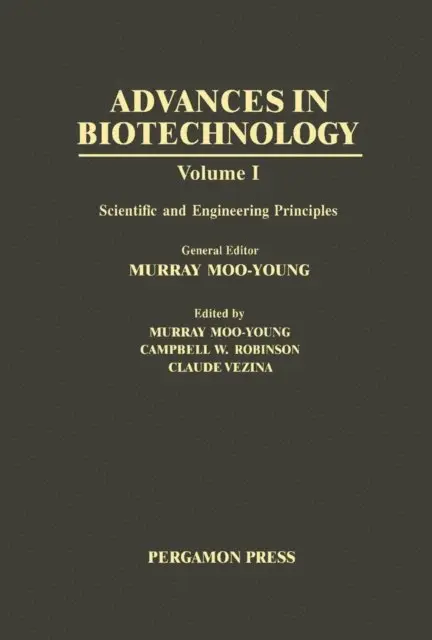
Advances in Biotechnology, Volume I: Scientific and Engineering Principles is the first of a series of three volumes and is based on the proceedings of the Sixth International Fermentation Symposium (IFS-6) held in London, Ontario, Canada, 20-25 July 1980. This volume is organized into 13 sections and contains 111 papers which represent about 80% of the total submitted. Section I contains papers on microbial cultures. Section II presents studies on recombinant DNA and microbial genetics. The papers in Section III deal with plant and animal cell and tissue culture. Section IV examines the microbial oxidation of hydrocarbons. Sections V and VI focus on continuous cultures and free-cell fermentation, respectively. Section VII examines process dynamics and control. Section VIII takes up computer applications in biotechnology, while Section IX covers process instrumentation and analytical methods. Section X contains papers on transport phenomena, mixing and scale-up. Section XI examines the design and operation of unconventional bioreactors. Sections XII covers fixed-, fluidized- and semi-fluidized bed bioreactors, while Section XIII presents studies on immobilization bioreactors. The volume also includes invited keynote addresses of Nobel Laureate, Professor Joshua Lederberg, and Professor Elmer L. Gaden, Jr. Abstracts of the round-table discussion on Technology Transfer and Economics, and on Biotechnology Training Programs are presented as appendices.
E-bok
PDF, Engelska, 2013807 kr
Läs direkt efter köp
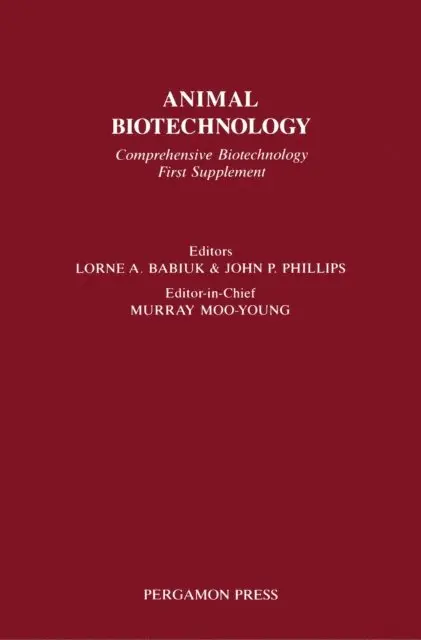
The advent of biotechnology has the potential to develop a variety of novel or better quality products for the treatment of a large number of diseases in livestock. In addition, as we understand more about the reproductive physiology of animals, the potential exists to dramatically increase the productivity of animals through better therapeutics and diagnostics for the control of many infectious diseases. Productivity can also be increased through animal breeding strategies including gene transfer, micromanipulation of embryos and gamete sex selection. As well as being a valuable reference to current knowledge in these areas, this first supplement to Comprehensive Biotechnology also looks at societal concerns over the use of antibiotics and chemical residues in meat and milk products, which are forcing biotechnologists to investigate more natural means of controlling infection by stimulating the animal''s own immune system to combat infection. The identification of a variety of cytokines which are involved in regulating immune responses provides opportunities to use the animal''s natural defence mechanisms to combat many infections or increase the animal''s resistance to such infections. These approaches should provide tools for eventual elimination of specific diseases from counties, regions or whole continents.
E-bok
PDF, Engelska, 2013783 kr
Läs direkt efter köp
Today it is generally accepted that one of the key areas of biotechnology for the next century will be in plant-based biotechnology. Biotechnology has created new opportunities for plant scientists, with important applications to agriculture and forestry. This reference text is divided into five sections for ease of presentation. The first section focuses on the structure, composition and functionality of plant cells and genes with particular emphasis on the cellular and molecular biology of plants and cultured cells. Section two is concerned with the direct exploitation of cell cultures for the production of useful substances. The third section deals with regeneration and propagation systems. The fourth section considers the increasingly central area of genetic manipulation of plant cell systems. The last section is on specific applications in plant biotechnology. This reference work is a survey of these various facets of plant biotechnology. The individual chapters and the follow-up literature cited allow an easy access to the various subject areas and will, hopefully, stimulate interest in these rapidly moving and exciting fields of research.
Inbunden, Engelska, 1986
1 625 kr
Skickas inom 10-15 vardagar
Inbunden, Engelska, 1987
1 086 kr
Skickas inom 10-15 vardagar
Häftad, Engelska, 2010
3 243 kr
Skickas inom 10-15 vardagar
Biotechnology offers a 'natural' way of addressing environmental problems, ranging from identification of biohazards to bioremediation techniques for industrial, agricultural and municipal effluents and residues. Biotechnology is also a crucial element in the paradigm of 'sustainable development'. This collection of 66 papers, by authors from 20 countries spanning 4 continents, addresses many of these issues. The material presented will interest scientists, engineers, and others in industry, government and academia. It incorporates both introductory and advanced aspects of the subject matter, which includes water, air and soil treatment, biosensor and biomonitoring technology, genetic engineering of microorganisms, and policy issues in applying biotechnology to environmental problems. The papers present a variety of aspects ranging from current state-of-the-art research, to examples of applications of these technologies.
Häftad, Engelska, 2010
1 625 kr
Skickas inom 10-15 vardagar
In recent years public awareness of the long term toxic affects heavy metal ions in waters and wastewaters has increased significantly. Environmental agencies have been imposing more and more stringent discharge limits on industries involved in processes using metal ions. Numerous industries produce aqueous effluents con taining metal ions and particularly copper and cadmium. Copper sulfate is used on a large scale in the electroplating industries. In addition, copper salts are used as fungicides, timber preservatives, insecticides, paint corrosion inhibitors and in dyestuffs. Cadmium is used in the manufacture of nickel-cadmium batteries, as a corrosion inhibitor and control rods in the nuclear industry. The European Com munity has listed cadmium as one of the most dangerous metal due to its toxicity, persistence and bioaccumulation in List 1 of its Directive 76/464/EEC. Therefore, it is important that methods for the removal of these metal ions are found and that the mechanism of removal is characterized and understood. A number of adsorb ents have been identified which are capable of removing copper (Panday et aI. , 1985; Ho et aI. , 1996; Low and Lee, 1987; Low et aI. , 1993; Quek et aI. , 1998) and cadmium (Battacharya and Venkobachar, 1984; Namasivayam and Ranganathan, 1995; Periasamy and Namasivayam, 1994) from aqueous solutions. Sorption kin etic models have been proposed for some systems.
E-bok
PDF, Engelska, 2012712 kr
Läs direkt efter köp
Upon an invitation from Arab Bureau of Education for the Gulf States "ABEGS"; an International Conference on Biotechnology and Applied Microbiol ogy was held in Riyadh, Saudi Arabia, 12-15 November 1984. The Conference was sponsored by ABEGS and organized through coopera tion with Saudi Biological Society "SBS". ABEGS was established in 1976 with the aim of coordinating, unifying and developing all aspects of Education, Culture and Science in the Gulf States. In the field of publications, ABEGS is publishing various books, pamphlets and two scientific journals, one in Arabic and the other in English entitled: the Arab Gulf Journal of Scientific Research. This volume contains topics presented by the invited speakers and selected papers from among those submitted by participants. Selection was done on basis of some of the invited talks. Main topics of the conference were grouped into sections representing seven themes of Biotechnology and Applied Microbiology: - production of microbial proteins - utilization of microorganisms for the production of chemicals - microbial treatment and utilization of waste - continuous culture - application of biotechnology in plant science - applied microbiology and environment and - applied microbiology and biotechnology: international cooperation - tween developed and developing countries. Some of the topics in this volume present surveys of recent developments in several important areas of biotechnology and applied microbiology, while the remaining papers carry detailed research contributions.
Häftad, Engelska, 2014
546 kr
Skickas inom 10-15 vardagar
Upon an invitation from Arab Bureau of Education for the Gulf States "ABEGS"; an International Conference on Biotechnology and Applied Microbiol ogy was held in Riyadh, Saudi Arabia, 12-15 November 1984. The Conference was sponsored by ABEGS and organized through coopera tion with Saudi Biological Society "SBS". ABEGS was established in 1976 with the aim of coordinating, unifying and developing all aspects of Education, Culture and Science in the Gulf States. In the field of publications, ABEGS is publishing various books, pamphlets and two scientific journals, one in Arabic and the other in English entitled: the Arab Gulf Journal of Scientific Research. This volume contains topics presented by the invited speakers and selected papers from among those submitted by participants. Selection was done on basis of some of the invited talks. Main topics of the conference were grouped into sections representing seven themes of Biotechnology and Applied Microbiology: - production of microbial proteins - utilization of microorganisms for the production of chemicals - microbial treatment and utilization of waste - continuous culture - application of biotechnology in plant science - applied microbiology and environment and - applied microbiology and biotechnology: international cooperation - tween developed and developing countries. Some of the topics in this volume present surveys of recent developments in several important areas of biotechnology and applied microbiology, while the remaining papers carry detailed research contributions.
Häftad, Engelska, 2014
546 kr
Skickas inom 10-15 vardagar
E-bok
PDF, Engelska, 20133 948 kr
Läs direkt efter köp
Biotechnology offers a `natural'' way of addressing environmental problems, ranging from identification of biohazards to bioremediation techniques for industrial, agricultural and municipal effluents and residues. Biotechnology is also a crucial element in the paradigm of `sustainable development''. This collection of 66 papers, by authors from 20 countries spanning 4 continents, addresses many of these issues. The material presented will interest scientists, engineers, and others in industry, government and academia. It incorporates both introductory and advanced aspects of the subject matter, which includes water, air and soil treatment, biosensor and biomonitoring technology, genetic engineering of microorganisms, and policy issues in applying biotechnology to environmental problems. The papers present a variety of aspects ranging from current state-of-the-art research, to examples of applications of these technologies.
E-bok
PDF, Engelska, 20131 977 kr
Läs direkt efter köp
In recent years public awareness of the long term toxic affects heavy metal ions in waters and wastewaters has increased significantly. Environmental agencies have been imposing more and more stringent discharge limits on industries involved in processes using metal ions. Numerous industries produce aqueous effluents con taining metal ions and particularly copper and cadmium. Copper sulfate is used on a large scale in the electroplating industries. In addition, copper salts are used as fungicides, timber preservatives, insecticides, paint corrosion inhibitors and in dyestuffs. Cadmium is used in the manufacture of nickel-cadmium batteries, as a corrosion inhibitor and control rods in the nuclear industry. The European Com munity has listed cadmium as one of the most dangerous metal due to its toxicity, persistence and bioaccumulation in List 1 of its Directive 76/464/EEC. Therefore, it is important that methods for the removal of these metal ions are found and that the mechanism of removal is characterized and understood. A number of adsorb ents have been identified which are capable of removing copper (Panday et aI. , 1985; Ho et aI. , 1996; Low and Lee, 1987; Low et aI. , 1993; Quek et aI. , 1998) and cadmium (Battacharya and Venkobachar, 1984; Namasivayam and Ranganathan, 1995; Periasamy and Namasivayam, 1994) from aqueous solutions. Sorption kin etic models have been proposed for some systems.