Nadine Ansorg – författare
Visar alla böcker från författaren Nadine Ansorg. Handla med fri frakt och snabb leverans.
12 produkter
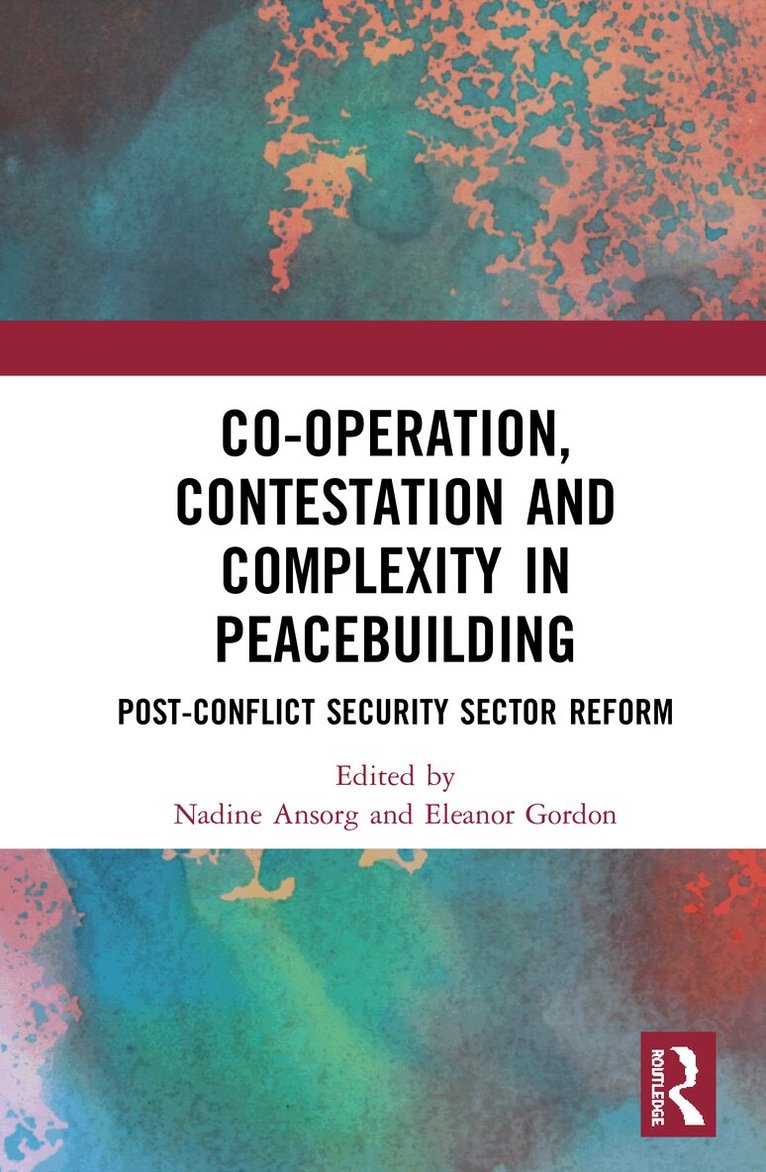
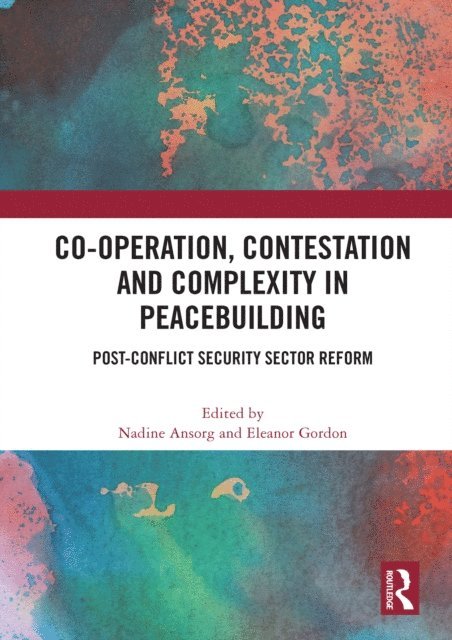
Co-operation, Contestation and Complexity in Peacebuilding
Post-Conflict Security Sector Reform
Av Nadine Ansorg, Eleanor Gordon
Inbunden, 2020
1518 kr
Lägg i varukorg
Security Sector Reform (SSR) remains a key feature of peacebuilding interventions and is usually undertaken by a state alongside national and international partners. External actors engaged in SSR tend to follow a normative agenda that often has little regard for the context in post-conflict …
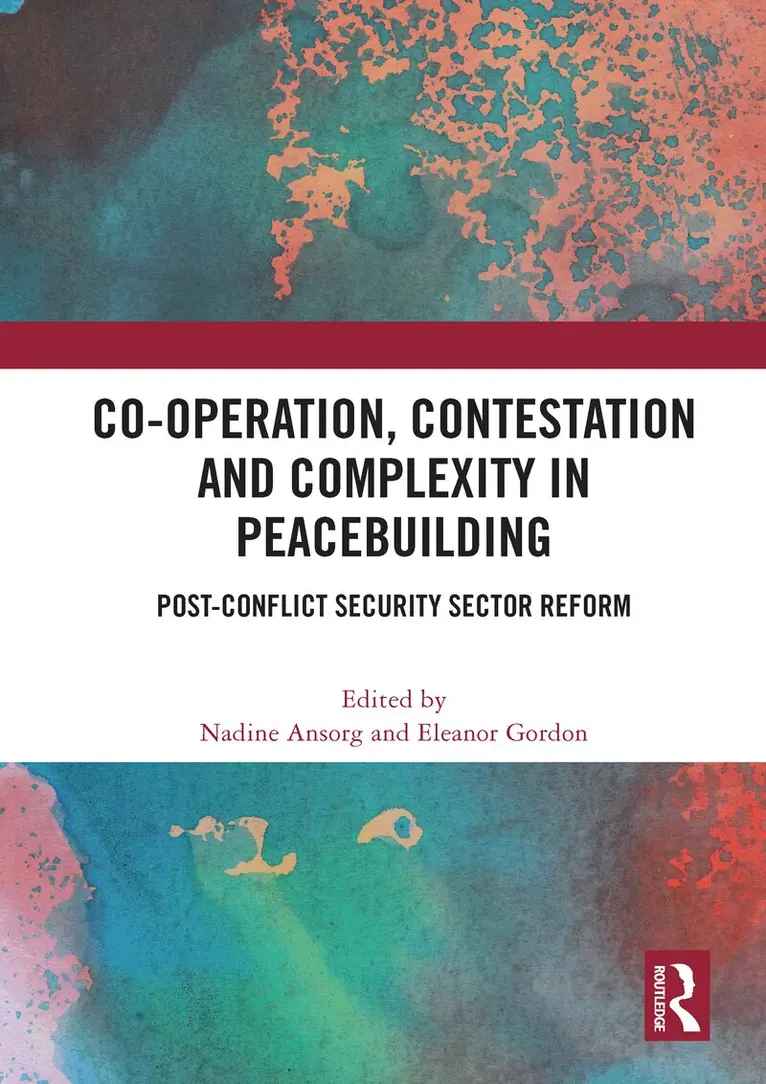
Co-operation, Contestation and Complexity in Peacebuilding
Post-Conflict Security Sector Reform
Av Nadine Ansorg, Eleanor Gordon
Häftad, 2023
690 kr
Lägg i varukorg
Security Sector Reform (SSR) remains a key feature of peacebuilding interventions and is usually undertaken by a state alongside national and international partners. External actors engaged in SSR tend to follow a normative agenda that often has little regard for the context in post-conflict …
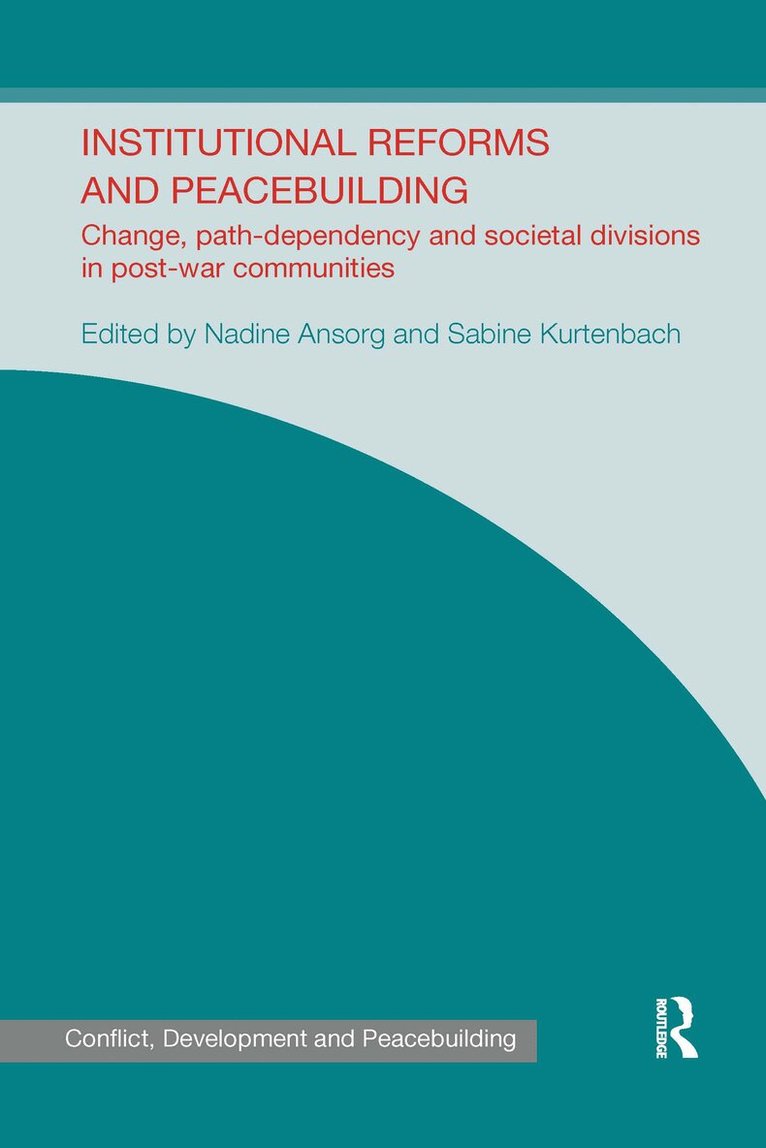
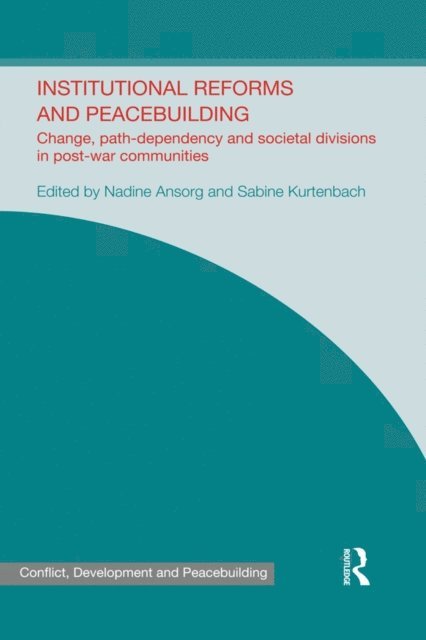
Institutional Reforms and Peacebuilding
Change, Path-Dependency and Societal Divisions in Post-War Communities
Av Nadine Ansorg, Sabine Kurtenbach
Häftad, 2020
692 kr
Lägg i varukorg
This book deals with the question how institutional reform can contribute to peacebuilding in post-war and divided societies. In the context of armed conflict and widespread violence, two important questions shape political agendas inside and outside the affected societies: How can we stop the …
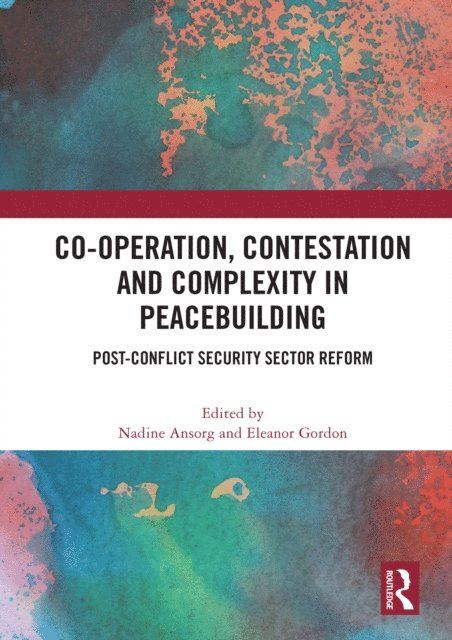
Co-operation, Contestation and Complexity in Peacebuilding
Post-Conflict Security Sector Reform
Av Eleanor Gordon, Nadine Ansorg
E-bok, 2020
814 kr
Lägg i varukorg
Security Sector Reform (SSR) remains a key feature of peacebuilding interventions and is usually undertaken by a state alongside national and international partners. External actors engaged in SSR tend to follow a normative agenda that often has little regard for the context in post-conflict …
Co-operation, Contestation and Complexity in Peacebuilding
Post-Conflict Security Sector Reform
Av Eleanor Gordon, Nadine Ansorg
E-bok, 2020
814 kr
Lägg i varukorg
Security Sector Reform (SSR) remains a key feature of peacebuilding interventions and is usually undertaken by a state alongside national and international partners. External actors engaged in SSR tend to follow a normative agenda that often has little regard for the context in post-conflict …
Building Pathways to Peace
State-Society Relations and Security Sector Reform
Av Sabine Kurtenbach, Nadine Ansorg
E-bok, 2023
287 kr
Lägg i varukorg
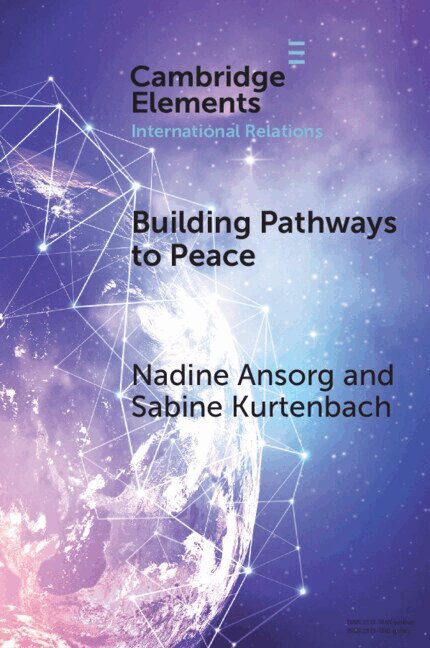
Building Pathways to Peace
State-Society Relations and Security Sector Reform
Av Nadine Ansorg, Sabine Kurtenbach
Häftad, 2023
308 kr
Lägg i varukorg
SSR is a key element of the transitions out of war, aiming at the establishment of accountable and legitimate institutions able to prevent and sanction the use of violence. While recognizing the need to include local actors, donor policies still focus mostly on the state as a provider of security. …
Building Pathways to Peace
State-Society Relations and Security Sector Reform
Av Nadine Ansorg, Sabine Kurtenbach
Inbunden, 2023
911 kr
Lägg i varukorg
SSR is a key element of the transitions out of war, aiming at the establishment of accountable and legitimate institutions able to prevent and sanction the use of violence. While recognizing the need to include local actors, donor policies still focus mostly on the state as a provider of security. …
Institutional Reforms and Peacebuilding
Change, Path-Dependency and Societal Divisions in Post-War Communities
Av Sabine Kurtenbach, Nadine Ansorg
E-bok, 2016
796 kr
Lägg i varukorg
This book deals with the question how institutional reform can contribute to peacebuilding in post-war and divided societies. In the context of armed conflict and widespread violence, two important questions shape political agendas inside and outside the affected societies: How can we stop the …
Institutional Reforms and Peacebuilding
Change, Path-Dependency and Societal Divisions in Post-War Communities
Av Nadine Ansorg, Sabine Kurtenbach
Inbunden, 2016
2515 kr
Lägg i varukorg
This book deals with the question how institutional reform can contribute to peacebuilding in post-war and divided societies. In the context of armed conflict and widespread violence, two important questions shape political agendas inside and outside the affected societies: How can we stop the …
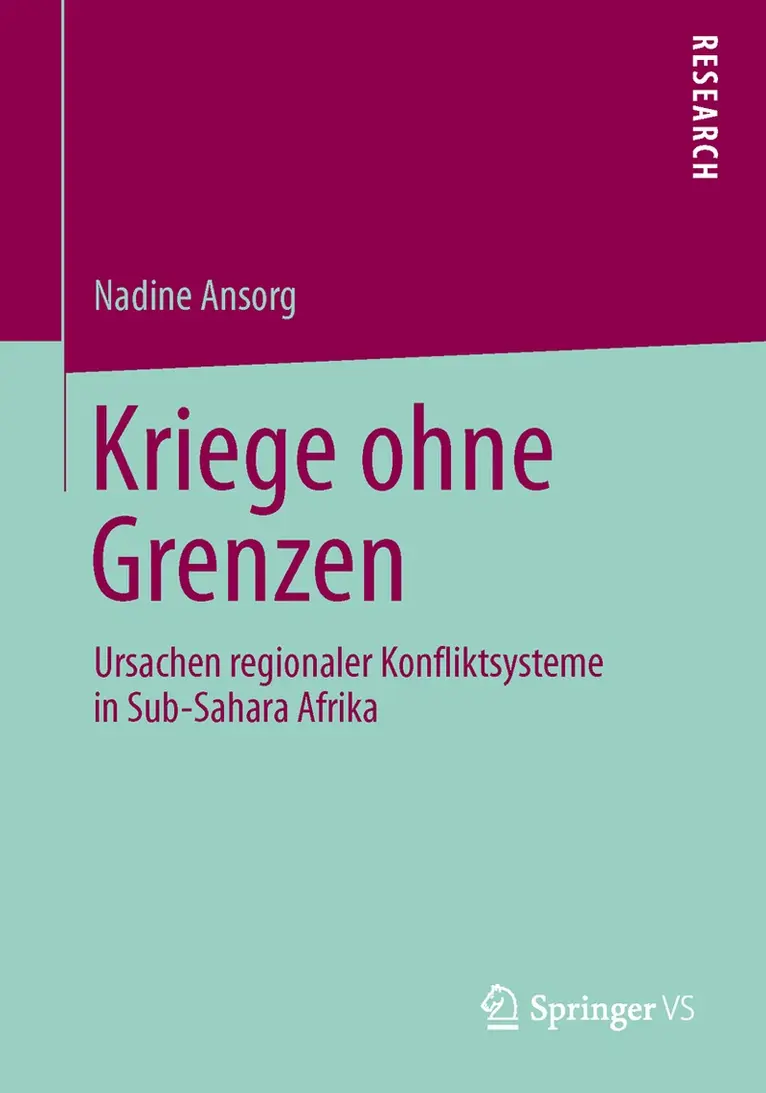
Kriege ohne Grenzen
Ursachen regionaler Konfliktsysteme in Sub-Sahara Afrika
Häftad, 2013
567 kr
Lägg i varukorg
In den letzten Jahrzehnten ist ein Wandel im Kriegsgeschehen zu verzeichnen, der sich auch auf die Kriegsforschung auswirkt.Prozesse der staatlichen Entgrenzung und Denationalisierung führten zu neuen Formen der Kriegsführung. Damit verbunden sind auch eine Regionalisierung und …
Kriege ohne Grenzen
Ursachen regionaler Konfliktsysteme in Sub-Sahara Afrika
E-bok, 2013
367 kr
Lägg i varukorg
In den letzten Jahrzehnten ist ein Wandel im Kriegsgeschehen zu verzeichnen, der sich auch auf die Kriegsforschung auswirkt.Prozesse der staatlichen Entgrenzung und Denationalisierung führten zu neuen Formen der Kriegsführung. Damit verbunden sind auch eine Regionalisierung und …