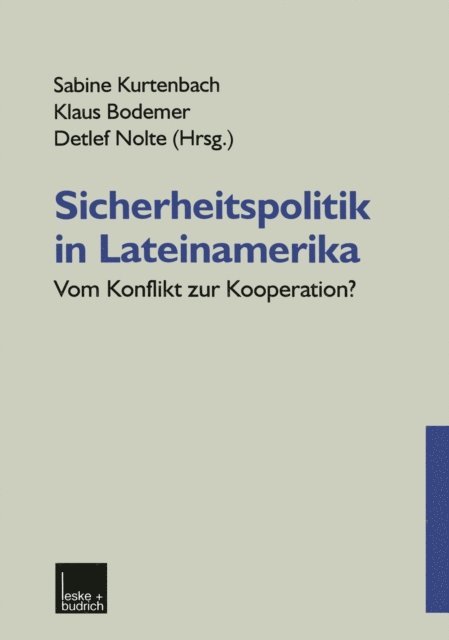
Sabine Kurtenbach – författare
2 193 kr
Skickas inom 10-15 vardagar
642 kr
Skickas inom 10-15 vardagar
757 kr
Läs direkt efter köp
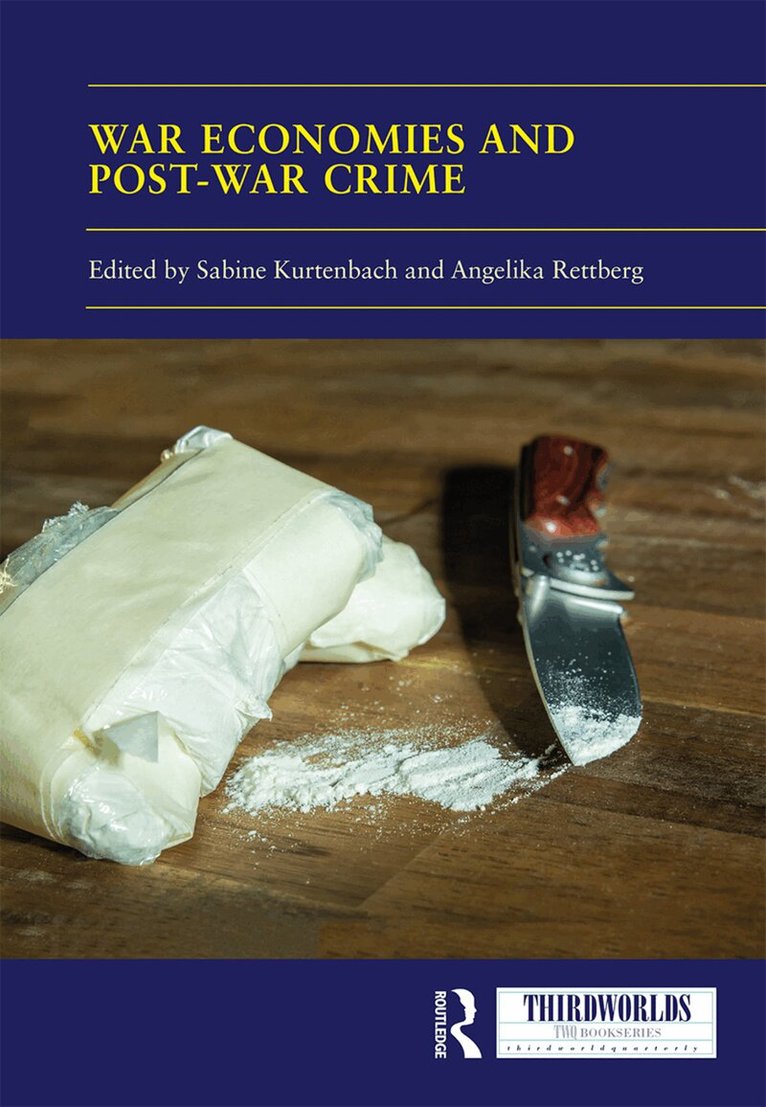
Even when armed conflicts formally end, the transition to peace is not clear-cut. This comprehensive volume explores the mounting evidence which suggests that it is rather ‘unlikely to see a clean break from violence to consent, from theft to production, from repression to democracy, or from impunity to accountability’. The authors analyse the complex endeavour of transitioning out of war, studying how it is often interrelated with other transformations such as changes in the political regime (democratisation) and in the economy (opening of markets to globalisation). They explore how, in the same way as wars and conflicts reflect the societies they befall, post-war orders may replicate and perpetuate some of the drivers of war-related violence, such as high levels of instability, institutional fragility, corruption, and inequality. This book thus suggests that, even in the absence of a formal relapse into war and the re-mobilisation of former insurgents, many transitional contexts are marked by the steady and ongoing reconfiguration of criminal and illegal groups and practices.
This book will be of great interest to students and researchers of political science and peace studies. It was originally published as an online special issue of Third World Thematics.
757 kr
Läs direkt efter köp
Even when armed conflicts formally end, the transition to peace is not clear-cut. This comprehensive volume explores the mounting evidence which suggests that it is rather ‘unlikely to see a clean break from violence to consent, from theft to production, from repression to democracy, or from impunity to accountability’. The authors analyse the complex endeavour of transitioning out of war, studying how it is often interrelated with other transformations such as changes in the political regime (democratisation) and in the economy (opening of markets to globalisation). They explore how, in the same way as wars and conflicts reflect the societies they befall, post-war orders may replicate and perpetuate some of the drivers of war-related violence, such as high levels of instability, institutional fragility, corruption, and inequality. This book thus suggests that, even in the absence of a formal relapse into war and the re-mobilisation of former insurgents, many transitional contexts are marked by the steady and ongoing reconfiguration of criminal and illegal groups and practices.
This book will be of great interest to students and researchers of political science and peace studies. It was originally published as an online special issue of Third World Thematics.
285 kr
Läs direkt efter köp
278 kr
Läs direkt efter köp
239 kr
Skickas inom 7-10 vardagar
769 kr
Skickas inom 7-10 vardagar
642 kr
Skickas inom 10-15 vardagar
757 kr
Läs direkt efter köp
This book deals with the question how institutional reform can contribute to peacebuilding in post-war and divided societies.
In the context of armed conflict and widespread violence, two important questions shape political agendas inside and outside the affected societies: How can we stop the violence? And how can we prevent its recurrence? Comprehensive negotiated war terminations and peace accords recommend a set of mechanisms to bring an end to war and establish peace, including institutional reforms that promote democratization and state building. Although the role of institutions is widely recognized, their specific effects are highly contested in research as well as in practice. This book highlights the necessity to include path-dependency, pre-conflict institutions and societal divisions to understand the patterns of institutional change in post-war societies and the ongoing risk of civil war recurrence. It focuses on the general question of how institutional reform contributes to the establishment of peace in post-war societies. This book comprises three separate but interrelated parts on the relation between institutions and societal divisions, on institutional reform and on security sector reform. The chapters contribute to the understanding of the relationship between societal cleavages, pre-conflict institutions, path dependency, and institutional reform.
This book will be of much interest to students of peacebuilding, conflict resolution, development studies, security studies and IR.
757 kr
Läs direkt efter köp
This book deals with the question how institutional reform can contribute to peacebuilding in post-war and divided societies.
In the context of armed conflict and widespread violence, two important questions shape political agendas inside and outside the affected societies: How can we stop the violence? And how can we prevent its recurrence? Comprehensive negotiated war terminations and peace accords recommend a set of mechanisms to bring an end to war and establish peace, including institutional reforms that promote democratization and state building. Although the role of institutions is widely recognized, their specific effects are highly contested in research as well as in practice. This book highlights the necessity to include path-dependency, pre-conflict institutions and societal divisions to understand the patterns of institutional change in post-war societies and the ongoing risk of civil war recurrence. It focuses on the general question of how institutional reform contributes to the establishment of peace in post-war societies. This book comprises three separate but interrelated parts on the relation between institutions and societal divisions, on institutional reform and on security sector reform. The chapters contribute to the understanding of the relationship between societal cleavages, pre-conflict institutions, path dependency, and institutional reform.
This book will be of much interest to students of peacebuilding, conflict resolution, development studies, security studies and IR.
2 336 kr
Skickas inom 10-15 vardagar
570 kr
Läs direkt efter köp
560 kr
Skickas inom 10-15 vardagar