Nancy C. Andreasen - Böcker
Visar alla böcker från författaren Nancy C. Andreasen. Handla med fri frakt och snabb leverans.
10 produkter
10 produkter
4 900 kr
Over its two editions, The New Oxford Textbook of Psychiatry has come to be regarded as one of the most popular and trusted standard psychiatry texts among psychiatrists and trainees. Bringing together 146 chapters from the leading figures in the discipline, it presents a comprehensive account of clinical psychiatry, with reference to its scientific basis and to the patient's perspective throughout.The New Oxford Textbook of Psychiatry, Third Edition has been extensively re-structured and streamlined to keep pace with the significant developments that have taken place in the fields of clinical psychiatry and neuroscience since publication of the second edition in 2009. The new edition has been updated throughout to include the most recent versions of the two main classification systems---the DSM-5 and the ICD-11---used throughout the world for the diagnosis of mental disorders.In the years since publication of the first edition, many new and exciting discoveries have occurred in the biological sciences, which are having a major impact on how we study and practise psychiatry. In addition, psychiatry has fostered closer ties with philosophy, and these are leading to healthy discussions about how we should diagnose and treat mental illness. This new edition recognises these and other developments.Throughout, accounts of clinical practice are linked to the underlying science, and to the evidence for the efficacy of treatments. Physical and psychological treatments, including psychodynamic approaches, are covered in depth. The history of psychiatry, ethics, public health aspects, and public attitudes to psychiatry and to patients are all given due attention.
355 kr
Skickas inom 7-10 vardagar
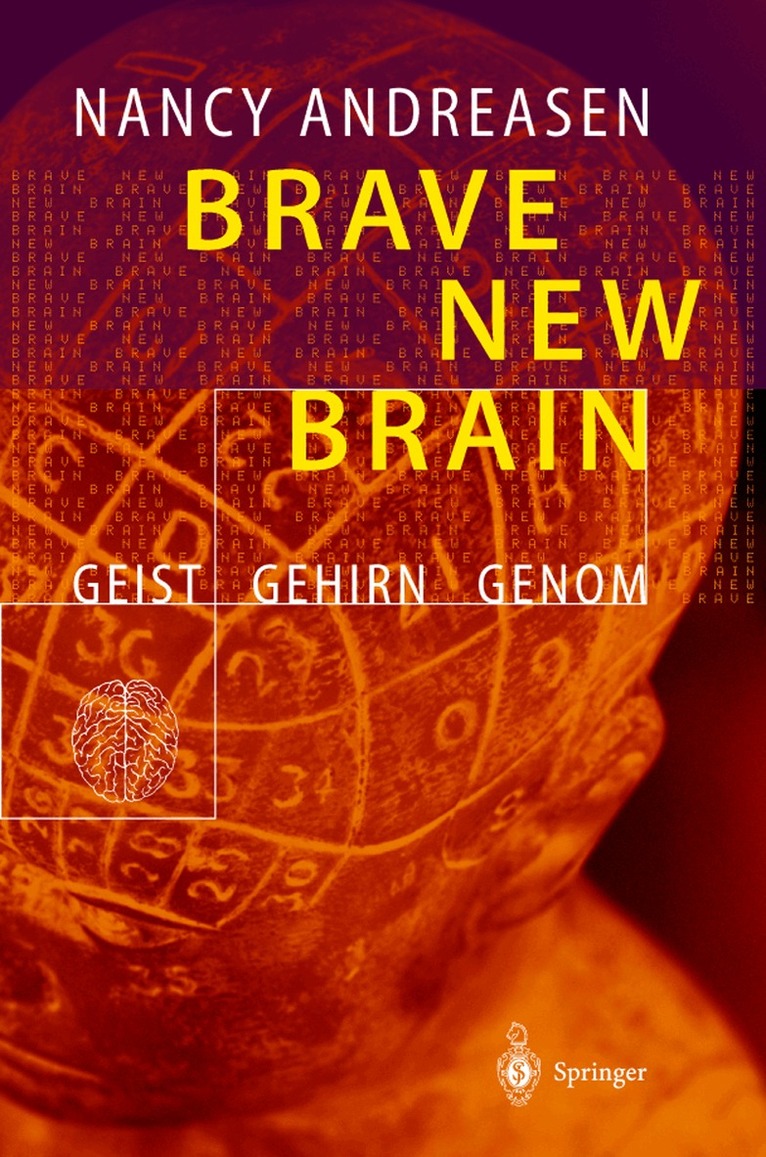
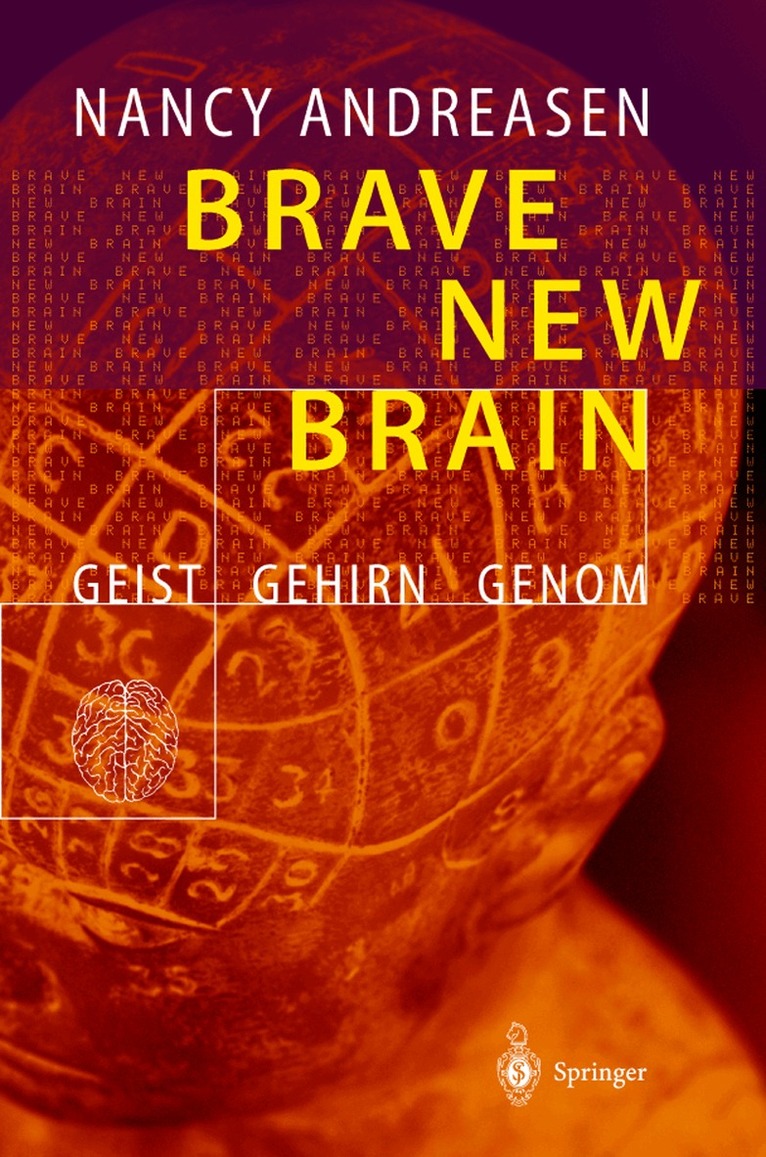
Brave New Brain is a travel guide to the future. Scientists are presently mapping both the terrain of the brain and the geography of the genome. Psychiatry has joined them on a quest to conquer mental illnesses - those illnesses that strike the most human part of our bodies, our brains and minds. Brave New Brain is designed as a resource book for following this voyage of discovery. It explains the nature of mental illness and genome and brain mapping. using clear simple language, interesting case histories, and extensive illustrations. Scientists today know more about the brain than ever before. Andreasen gives us an engaging and readable description of how it all works, from the billions of neurons to the tiny thalamus to the moral monitor in our prefrontal cortex. She also shows the progress made in mapping the human genome, whose 30,000-40,000 genes are almost all active in the brain.
863 kr
Skickas inom 7-10 vardagar
Schizophrenia: From Mind to Molecule presents a change in the scientific understanding and outlook regarding this devastating disorder. It provides a thorough look at schizophrenia that includes neurobehavioral studies, traditional and emerging technologies, psychosocial and medical treatments, and future research opportunities.
396 kr
Skickas inom 7-10 vardagar
Research Advances in Genetics and Genomics: Implications for Psychiatry introduces mental health professionals to exciting breakthroughs in endophenotypes, animal models, microarrays, and genetic mapping, as well as general strategies for identifying the genetic mechanisms of mental illnesses. Uniquely valuable both as summary and signpost, this concise volume provides a fascinating overview of recent cutting-edge developments in the application of molecular genetics, genomics, and proteomics to the study of psychiatric populations. By reading Research Advances in Genetics and Genomics, you will gain a better understanding of Psychiatric Genetics - Reviews and assesses the major research paradigms that have emerged in the field of psychiatric genetics over the several past decades, exploring the major conceptual and philosophical issues they pose and the value of their integration. Molecular Structure of Nucleic Acids - An overview of the double-helix discovery and provides a context for current endeavors, the original one-page April 1953 Nature paper by Watson and Crick, which sparked a revolution in the life sciences.Psychiatry in the Genomics Era - Posits that one of the most important consequences of genomics will be the development of individualized treatments that allow a clinician to tailor therapy on the basis of the unique genotype of each patient rather than on the mean responses of groups of unrelated patients. The Genomics Revolution - Details the implications of the genome for future medical practice, including the potential for developing methods and tools to better understand, treat, and prevent major mental disorders. The Endophenotype Concept in Psychiatry - Explains the etymology and strategy behind the use of endophenotypes in neuropsychiatric research and, more generally, in research on other diseases with complex genetics, such as schizophrenia. The Genes and Brains of Mice and Men - Shows why a detailed assessment of brain function in mice is so important for advancing psychiatric research in humans. Humans and mice share numerous features-in fact, for an estimated 99 per cent of human genes a mouse version may be identified-of brain organization and behavioral responses to many pharmacological agents.Microarray Technology - Asserts that microarrays present a methodology for identifying genes or pathways for new and unique potential drug targets, determining premorbid diagnosis, predicting drug responsiveness for individual patients, and, eventually, initiating gene therapy and prevention strategies. Meticulously referenced, this volume is exceptionally useful as a starting point for understanding the impact of genetics and genomics on psychiatry, serving to introduce psychiatrists, psychologists, neurologists, and geneticists to this exciting field.
1 419 kr
Skickas inom 5-8 vardagar
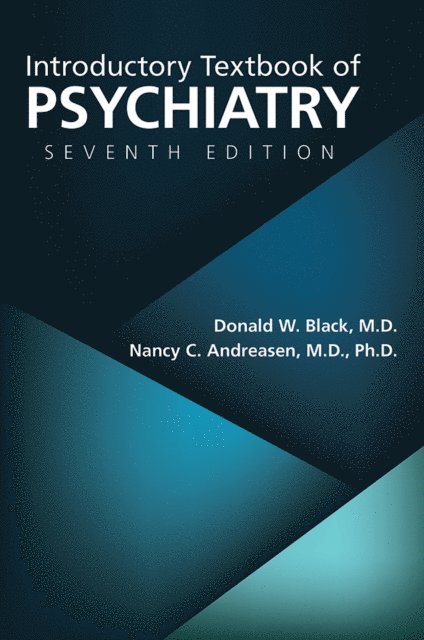
The prevalence of psychiatry in popular culture has coincided with the rise of amateur “armchair” psychiatrists—and this often serves to muddy the waters about what, exactly, the field entails. For all the misconceptions, though, psychiatry is an endlessly fascinating field, charged with defining and recognizing mental illnesses, identifying methods for treating them, and discovering their causes and developing measures to prevent them.The Introductory Textbook of Psychiatry dispels common misunderstandings and delves into what makes this such an exciting discipline. Now in its seventh edition, this bestselling guide is organized along the lines of DSM-5® and has been updated to reflect changes to the manual, including new medications and therapies.Rigorous in scope, Introductory Textbook of Psychiatry is nevertheless accessible and conversational in tone. It employs fascinating case vignettes, clinical pearls, self-assessment questions, and tables and figures as it offers a summary of:The DSM-5® diagnostic systemThe neurobiological basis of psychiatryInterviewing and assessment—including specific questions that patients can be askedThe various psychiatric disordersLegal issuesPsychiatric emergenciesTreatmentInitially developed for medical students and beginning residents, this guide is also a valuable reference for nurse practitioners, physician assistants, social workers, and psychologists. And because it has been edited to align with the Pocket Guide to Psychiatric Practice, it makes an excellent companion piece to that volume, as well.
915 kr
Skickas
This volume summarizes the DSM-5 diagnostic system, various psychiatric disorders and treatments, interviewing and assessment, psychiatric emergencies, legal issues, and more. Other features, such as clinical points, self-assessment questions, and an exhaustive glossary of terms, add to the educational value and enhance learning.
517 kr
Skickas inom 10-15 vardagar
Nancy Andreasen, führende Neurowissenschaftlerin, Herausgeberin des angesehenen American Journal of Psychiatry und ausgezeichnet mit der National Medal of Science, zeigt uns in ihrem neuen Buch die Zusammenhänge zwischen Gehirn und Genom. Dank modernster Methoden und Entdeckungen in Neurowissenschaften und Molekularbiologie wissen Forscher mehr denn je über die Funktionen des Gehirns. Die Autorin beschreibt auf faszinierende und verständliche Weise, wie alles zusammenhängt - von Milliarden kleinster Neuronen im Thalamus bis hin zur moralischen Kontrollinstanz im präfrontalen Kortex. Sie erklärt die Entschlüsselung des Genoms, dessen 30000-40000 Gene fast alle in irgendeiner Form in unserem Gehirn aktiv sind. In fesselnden Geschichten beleuchtet sie aber auch, wie sich psychische Störungen entwickeln und welche Auswirkungen sie auf Patienten und Angehörige haben. Nancy Andreasen gelingt der Brückenschlag zwischen hochkomplexen Inhalten und spannender Lektüre.
293 kr
Skickas inom 10-15 vardagar
Nancy Andreasen, führende Neurowissenschaftlerin, Herausgeberin des angesehenen American Journal of Psychiatry und ausgezeichnet mit der National Medal of Science, zeigt uns in ihrem neuen Buch die Zusammenhänge zwischen Gehirn und Genom. Dank modernster Methoden und Entdeckungen in Neurowissenschaften und Molekularbiologie wissen Forscher mehr denn je über die Funktionen des Gehirns. Die Autorin beschreibt auf faszinierende und verständliche Weise, wie alles zusammenhängt - von Milliarden kleinster Neuronen im Thalamus bis hin zur moralischen Kontrollinstanz im präfrontalen Kortex. Sie erklärt die Entschlüsselung des Genoms, dessen 30000-40000 Gene fast alle in irgendeiner Form in unserem Gehirn aktiv sind. In fesselnden Geschichten beleuchtet sie aber auch, wie sich psychische Störungen entwickeln und welche Auswirkungen sie auf Patienten und Angehörige haben. Nancy Andreasen gelingt der Brückenschlag zwischen hochkomplexen Inhalten und spannender Lektüre.
1 099 kr
Skickas inom 10-15 vardagar
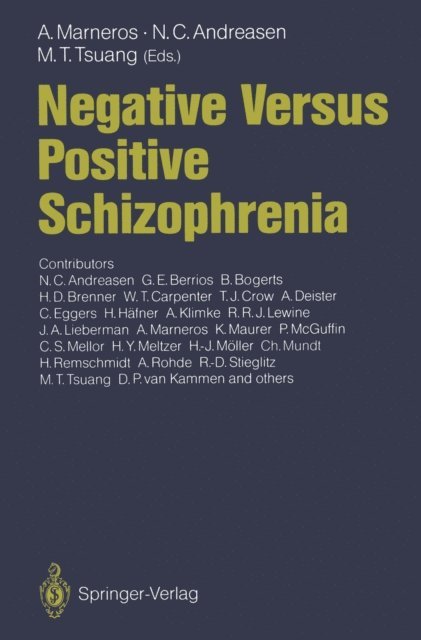
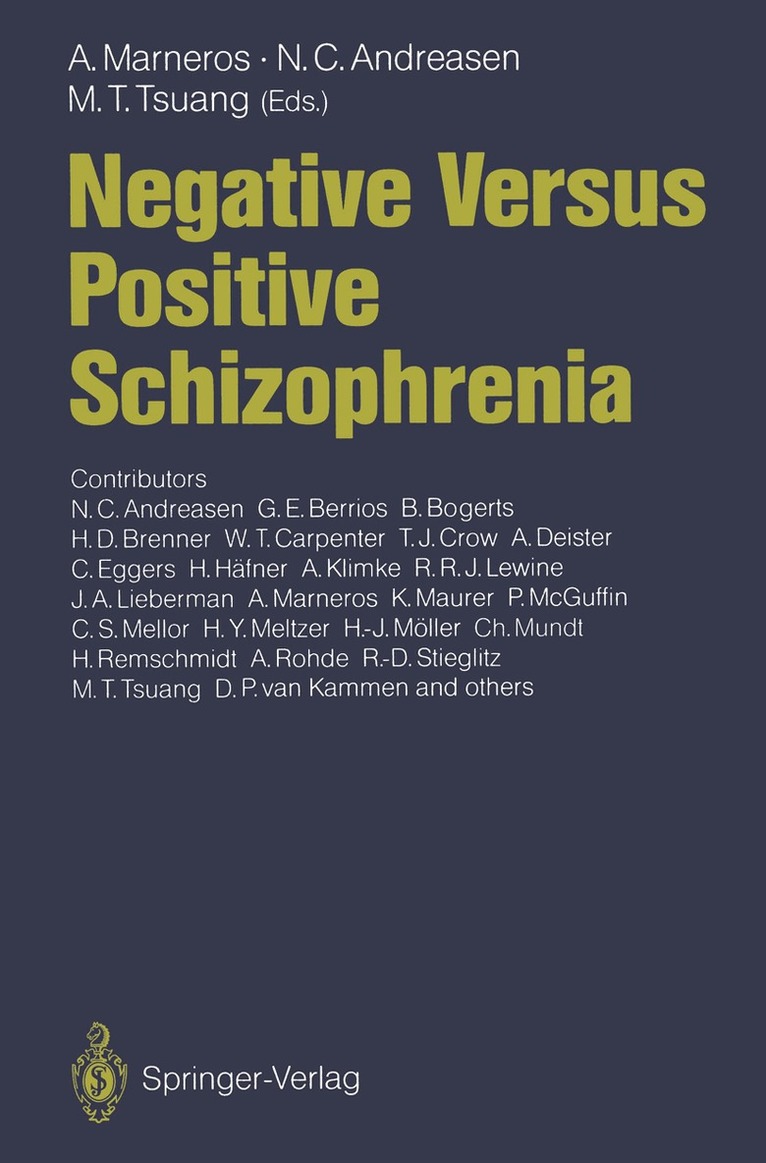
The positive versus negative distinction of schizophrenic disorders has pro- moted ongoing research. Phenomenology, psychopathology, biology, genet- ics, pharmacological and nonpharmacological treatment, psychosocial and longitudinal research: all have found a new focus of interest. This volume attempts to provide an unbiased picture of the status of American and Eu- ropean knowledge regarding the positive/negative distinction. Researchers from North America and Europe describe the relation of modern concepts of positive and negative symptomatology to the original models of Rey- nolds and Jackson. Integrating phenomenological, genetic, and biological factors, the authors depict current methods of assessing positive and nega- tive symptomatology, differentiating between primary and secondary symp- tomatology, and using pharmacological and nonpharmacological treatment. The stability of positive and negative symptoms over time and evidence for the occurrence of separate positive and negative episodes over a long-term course of schizophrenia are extensively discussed in terms of their implica- tions on the positive/negative construct.The relevance of the positive/nega- tive dichotomy to child and adolescent schizophrenia is also debated. The main aim of this book is not to advocate a single concept and present only arguments supporting it, but to discuss important controversies. Prob- lems concerning a concept cannot be solved by ignoring them. However, unanswered questions may be resolved through discussion, debate, and con- structive compromise.
1 099 kr
Skickas inom 10-15 vardagar
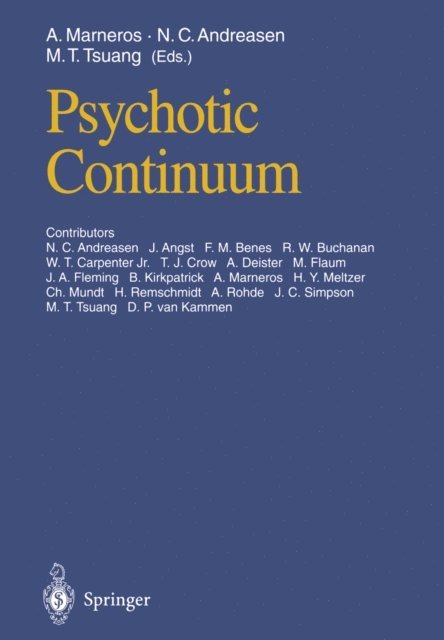
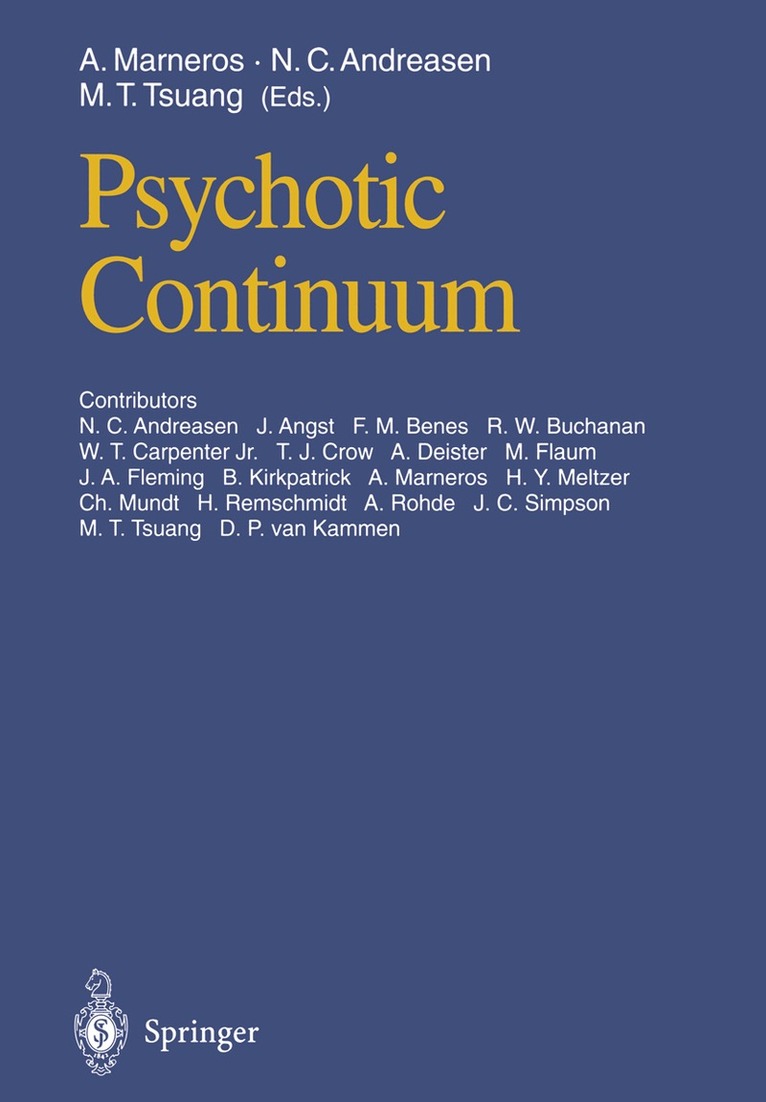
One of the most important questions of our previous common volumes about affective, schizoaffective, and schizophrenic disorders was the question of what connects and what separates psychotic disorders (Marneros and Tsuang, Schizo affective Psychoses, Springer-Verlag, 1986; Marneros and Tsuang Affective and Schizoaffective Disorders, Springer-Verlag, 1990; Marneros, Andreasen, and Tsuang, Negative and Positive Schizophrenia, Springer-Verlag 1993). The boundaries between various psychotic disorders are not always clearly defined. Some groups of psychotic disorders, such as schizoaffective disorders and all the other "atypical" psychoses, occupy a position between "typical" mental disorders, such as schizophrenia, and affective disorders. The question is: Do psychotic disorders form a continuum, or are they, despite their unclear boundaries, distinct entities? On what basis should we assume there is a continuity of psychotic disorders? Solely symptomatology? Or perhaps also a continuity in genetic predispositions? Or in biological, pharmacological, and other dimensions? Is the old idea of "Einheitspsychose" (unitary psychosis) really always wrong? The contributions contained in this new volume cannot provide a definite answer to the above questions. But they try to describe some relevant aspects of the problem, and to give some partial answers. Halle-Wittenberg, Germany A. MARNEROS Brockton, USA M. T. TSUANG Iowa, USA N. C. ANDREASEN October 1994 Contents Part I Psychotic Continuum: An Introduction A. MARNEROS . . . . . . . . . . . . . . . . . . . . . . . . . . . . . . . . . . . . . . . . . . . . . . . . . . . 3 Psychotic Continuum or Distinct Entities: Perspectives from Psychopathology CH. MUNDT. . . . . . . . . . . . . . . . . . . . . . . . . . . . . . . . . . . . . .. . . . . . . . . . . . . . 7 Psychotic Continuum Under Longitudinal Considerations A. MARNEROS, A. ROHDE, and A. DEISTER. . . . . . . . . . . . . . . . . . . . . . . . . . 17 Psychotic Continuum or Distinct Entities: Perspective from Psychopharmacology H. Y. MELTZER. . . . . . . . . . . . . . . . . . . . . . . . . . . . . . . . . . . . . . . . . . . . . . . . .