Nancy Duxbury – författare
Visar alla böcker från författaren Nancy Duxbury. Handla med fri frakt och snabb leverans.
15 produkter
15 produkter
Inbunden, Engelska, 2021
2 151 kr
Skickas inom 10-15 vardagar
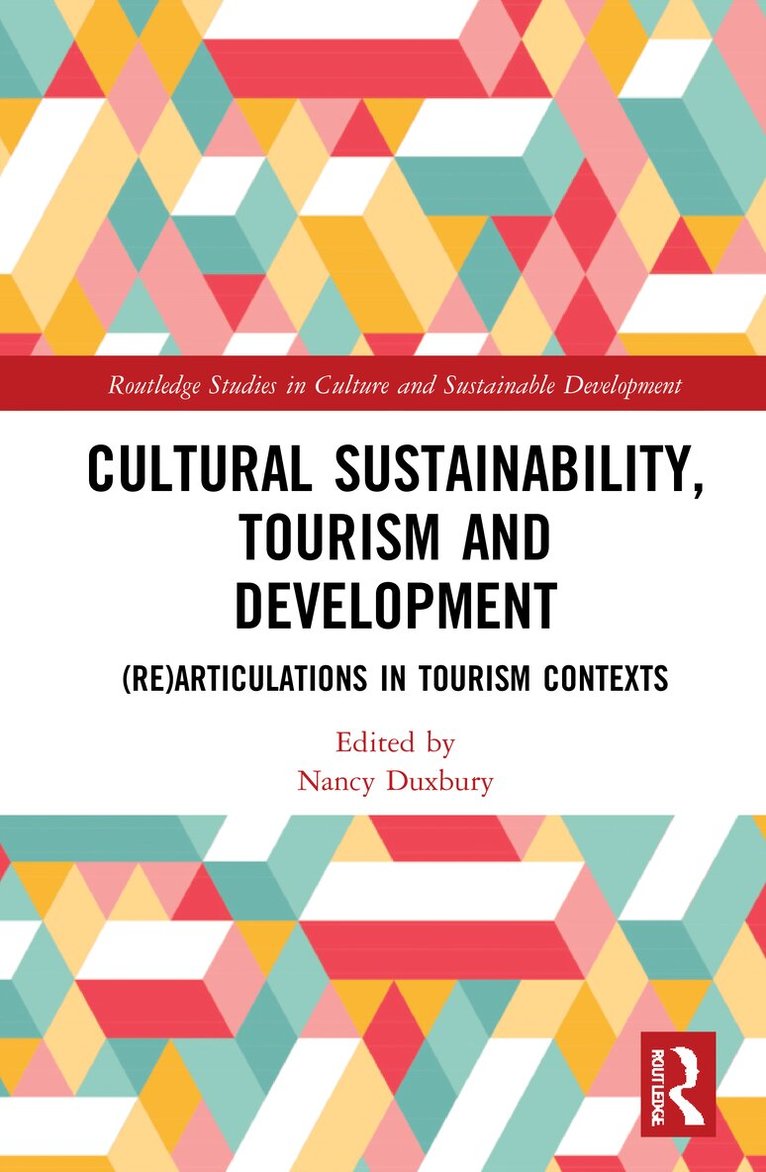
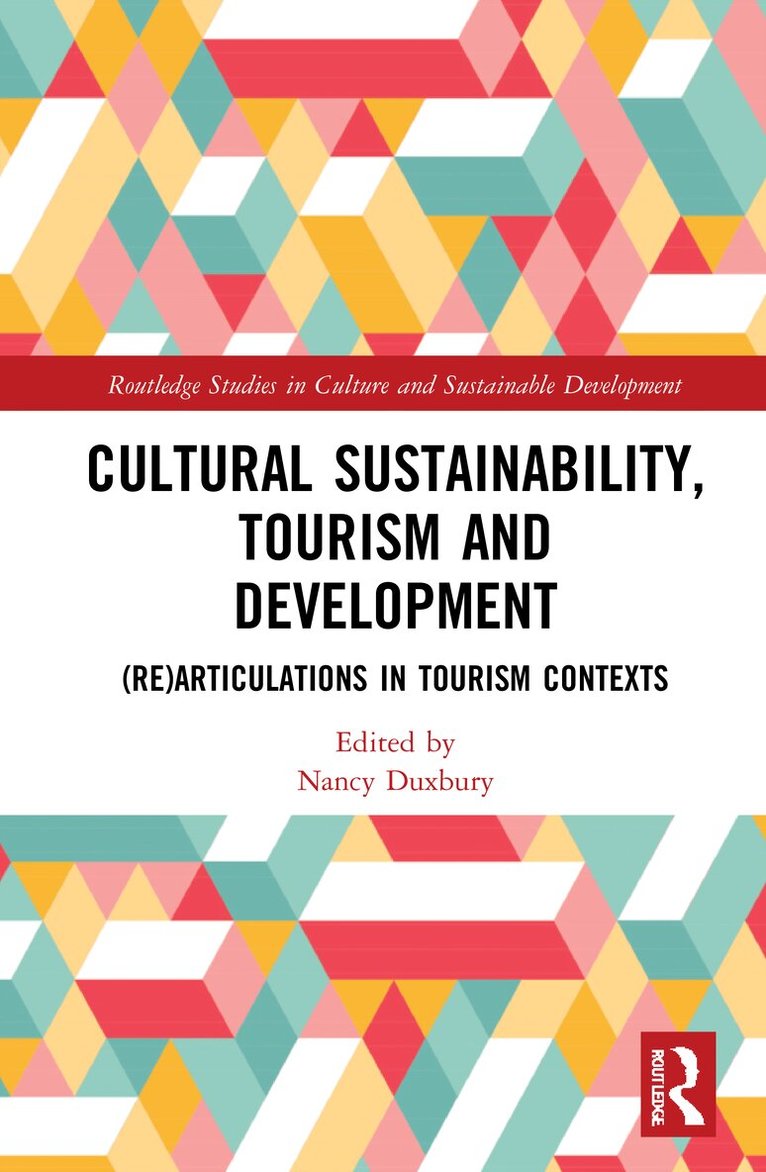
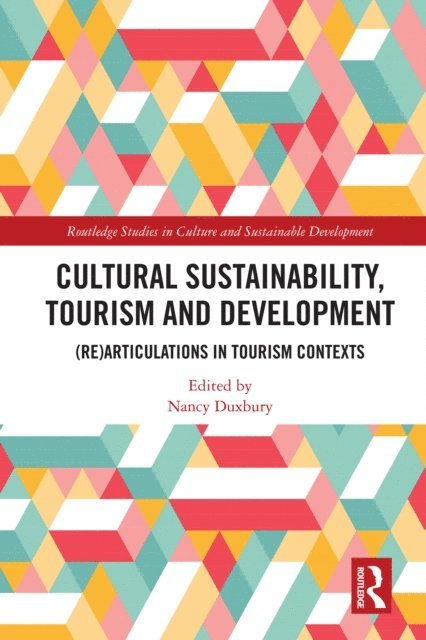
Cultural Sustainability, Tourism and Development considers how tourism provides a lens to examine issues of cultural sustainability and change. It discusses how cultural and natural assets, artistic interventions, place identity, policy strategies, and community well-being are intertwined in (re)articulations of place and local dynamics that occur in tourist locations. With a primary focus on culture in sustainable development, the book clarifies connections between culture as a core dimension of local sustainability and cultural dimensions of sustainable tourism. It highlights the roles and place of cultural expression, artistic activity, and heritage resources in local or regional sustainable development contexts. Chapters critically examine the dimensions of tourism-invoked dynamics of change and the cultural impacts of tourism-related activities. The book concludes with proposals for new culture-informed and creativity-based approaches, mediations, and relations to encourage a better balance between visitors and residents’ quality of life and the broader sustainability of the area. Interdisciplinary and international in scope, contributions reflect on communities and rural areas located in Brazil, Canada, Croatia, India, Italy, Japan, the Netherlands, Poland, Portugal, and the United States.This book will be of great interest to students and scholars of cultural development and policy, heritage studies, cultural tourism and sustainable tourism, cultural geography, and regional development.
Häftad, Engelska, 2020
629 kr
Skickas inom 10-15 vardagar
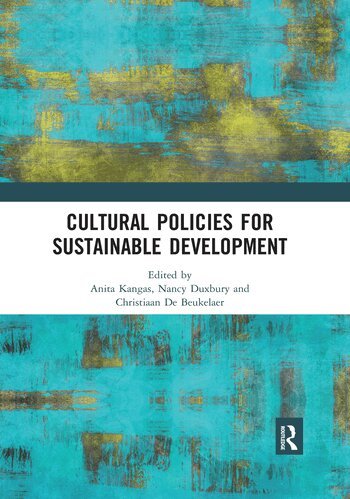
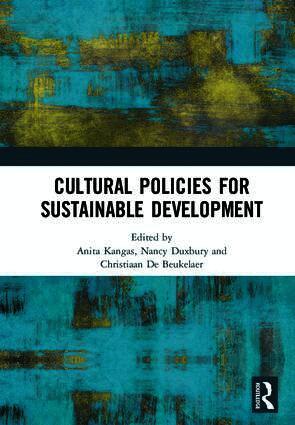
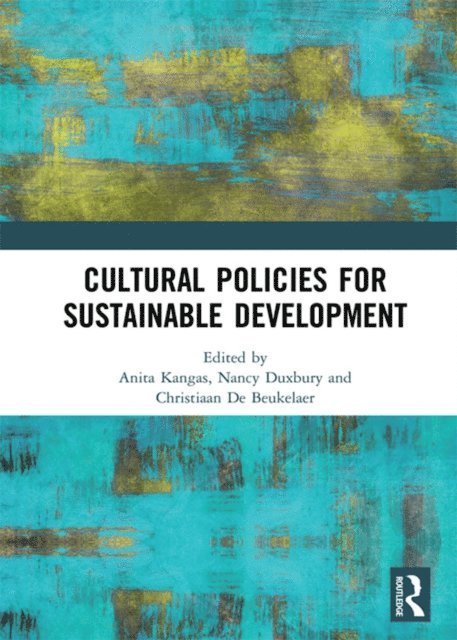
The concept of sustainable development is commonly divided into environmental, economic, social and cultural dimensions. While a variety of international actors have declared the importance of culture in sustainable development, jointly articulating this clearly has been difficult. For example, the Sustainable Development Goals (SDGs) that were adopted by the UN General Assembly in September 2015 contained only the most fleeting mention of culture. None of the SDGs referred directly to the case for integrating culture into sustainable development planning and decision-making. The role of cultural policy has remained unclear.This book contributes to a better understanding of the role of culture in achieving sustainability, focusing on the particular roles for cultural policy in this context. Cultural sustainability is conceptualised as the sustainability of cultural and artistic practices and patterns, and to the role of cultural traits and actions to inform and compose part of the pathways towards more sustainable societies. The links between culture and sustainable development are analysed in ways that articulate and contemplate different roles for cultural policy. The contributors take up the concerns and perspectives of international, national, and local authorities and actors, illuminating ways in which these multi-scale efforts both intersect and diverge.This book was originally published as a special issue of the International Journal of Cultural Policy.
Häftad, Engelska, 2020
677 kr
Skickas inom 10-15 vardagar
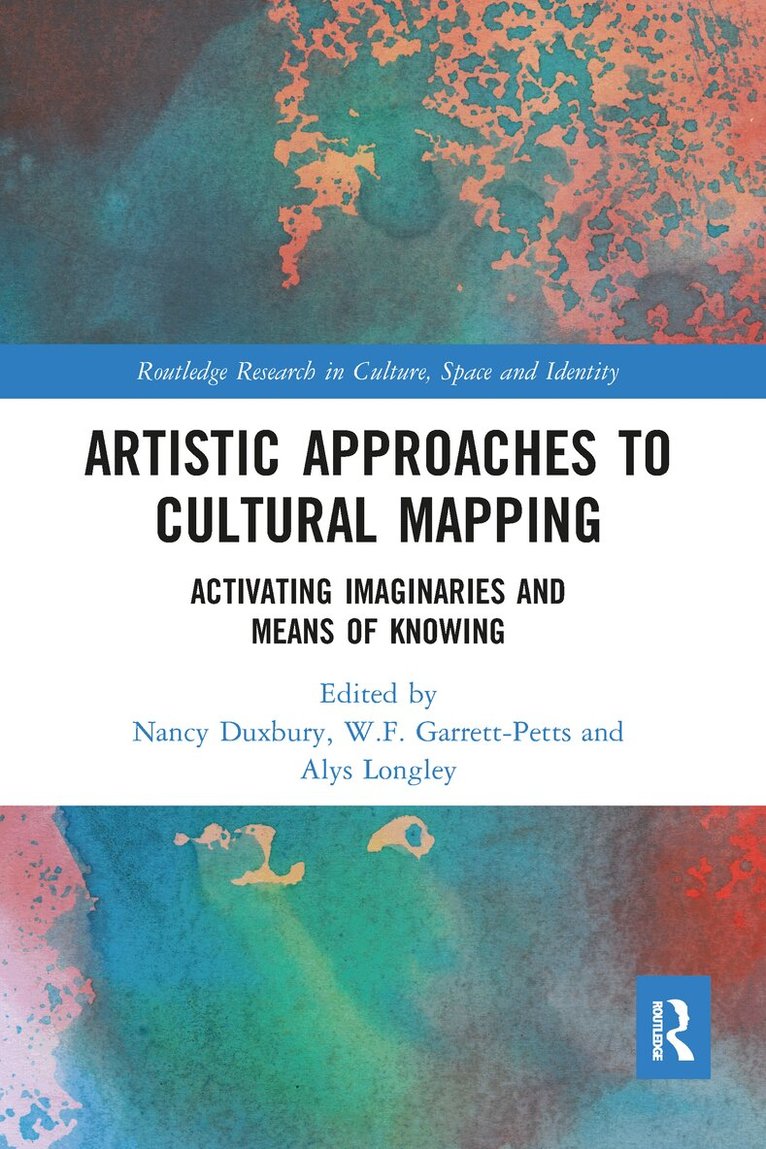
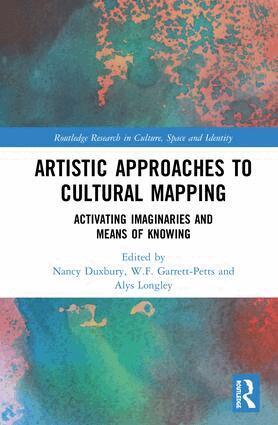
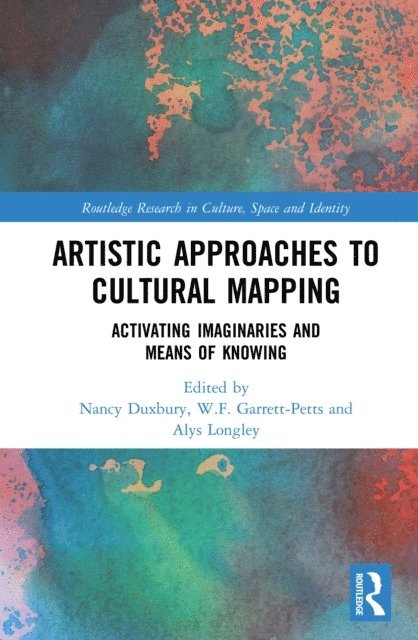
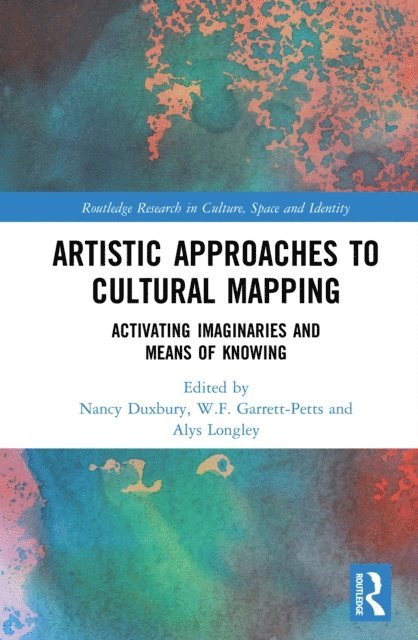
Making space for imagination can shift research and community planning from a reflective stance to a "future forming" orientation and practice. Cultural mapping is an emerging discourse of collaborative, community-based inquiry and advocacy. This book looks at artistic approaches to cultural mapping, focusing on imaginative cartography. It emphasizes the importance of creative process that engages with the "felt sense" of community experiences, an element often missing from conventional mapping practices. International artistic contributions in this book reveal the creative research practices and languages of artists, a prerequisite to understanding the multi-modal interface of cultural mapping. The book examines how contemporary artistic approaches can challenge conventional asset mapping by animating and honouring the local, giving voice and definition to the vernacular, or recognizing the notion of place as inhabited by story and history. It explores the processes of seeing and listening and the importance of the aesthetic as a key component of community self-expression and self-representation. Innovative contributions in this book champion inclusion and experimentation, expose unacknowledged power relations, and catalyze identity formation, through multiple modes of artistic representation and performance. It will be a valuable resource for individuals involved with creative research methods, performance, and cultural mapping as well as social and urban planning.
Häftad, Engelska, 2020
629 kr
Skickas inom 10-15 vardagar
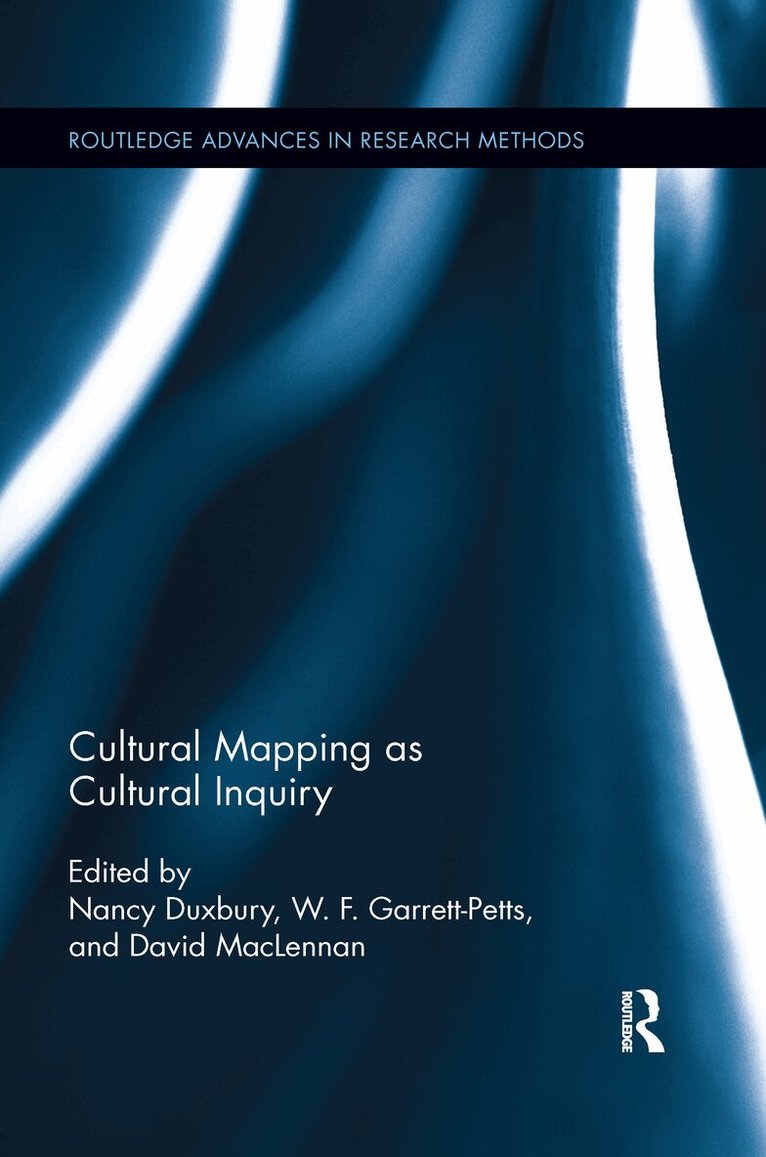
This edited collection provides an introduction to the emerging interdisciplinary field of cultural mapping, offering a range of perspectives that are international in scope. Cultural mapping is a mode of inquiry and a methodological tool in urban planning, cultural sustainability, and community development that makes visible the ways local stories, practices, relationships, memories, and rituals constitute places as meaningful locations. The chapters address themes, processes, approaches, and research methodologies drawn from examples in Australia, Canada, Estonia, the United Kingdom, Egypt, Italy, Malaysia, Malta, Palestine, Portugal, Singapore, Sweden, Syria, the United Arab Emirates, the United States, and Ukraine. Contributors explore innovative ways to encourage urban and cultural planning, community development, artistic intervention, and public participation in cultural mapping—recognizing that public involvement and artistic practices introduce a range of challenges spanning various phases of the research process, from the gathering of data, to interpreting data, to presenting "findings" to a broad range of audiences. The book responds to the need for histories and case studies of cultural mapping that are globally distributed and that situate the practice locally, regionally, nationally, and internationally.
Häftad, Engelska, 2020
677 kr
Skickas inom 10-15 vardagar
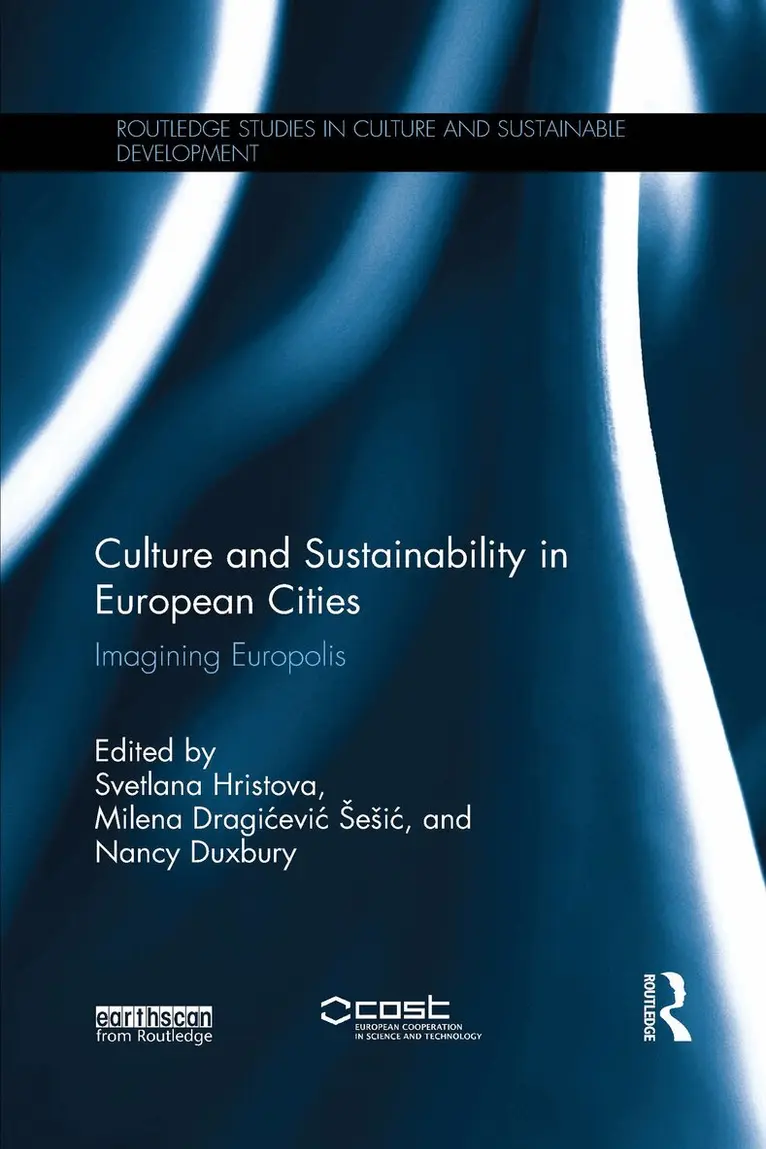
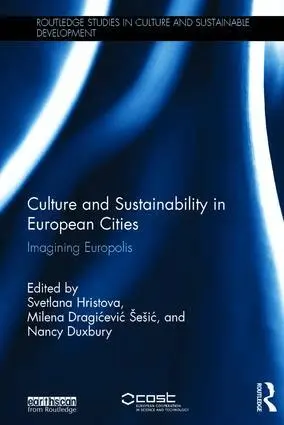
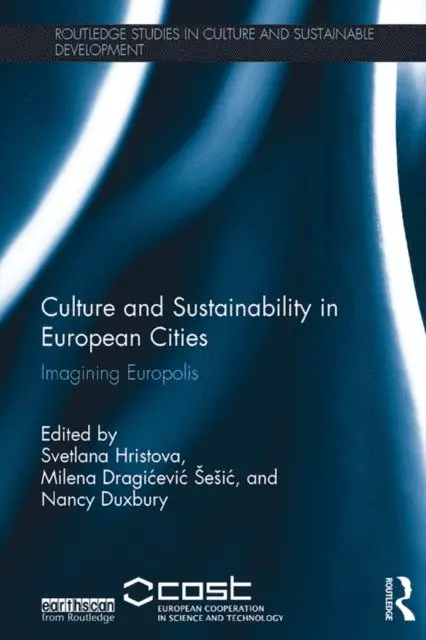
European cities are contributing to the development of a more sustainable urban system that is capable of coping with economic crises, ecological challenges and social disparities in different nation-states and regions throughout Europe.This book reveals in a pluralistic way how European cities are generating new approaches to their sustainable development, and the special contribution of culture to these processes. It addresses both a deficit of attention to small and medium-sized cities in the framework of European sustainable development, and an underestimation of the role of culture, artistic expression and creativity for integrated development of the city as a prerequisite to urban sustainability. On the basis of a broad collection of case studies throughout Europe, representing a variety of regionally specific cultural models of sustainable development, the book investigates how participative culture, community arts, and more generally, creativity of civic imagination are conducive to the goal of a sustainable future of small and medium-sized cities. This is an essential volume for researchers and postgraduate students in urban studies, cultural studies, cultural geography and urban sociology as well as for policymakers and practitioners wanting to understand the specificity of European cities as hubs of innovation, creativity and artistic industriousness.
Häftad, Engelska, 2023
533 kr
Skickas inom 10-15 vardagar
Cultural Sustainability, Tourism and Development considers how tourism provides a lens to examine issues of cultural sustainability and change. It discusses how cultural and natural assets, artistic interventions, place identity, policy strategies, and community well-being are intertwined in (re)articulations of place and local dynamics that occur in tourist locations. With a primary focus on culture in sustainable development, the book clarifies connections between culture as a core dimension of local sustainability and cultural dimensions of sustainable tourism. It highlights the roles and place of cultural expression, artistic activity, and heritage resources in local or regional sustainable development contexts. Chapters critically examine the dimensions of tourism-invoked dynamics of change and the cultural impacts of tourism-related activities. The book concludes with proposals for new culture-informed and creativity-based approaches, mediations, and relations to encourage a better balance between visitors and residents’ quality of life and the broader sustainability of the area. Interdisciplinary and international in scope, contributions reflect on communities and rural areas located in Brazil, Canada, Croatia, India, Italy, Japan, the Netherlands, Poland, Portugal, and the United States.This book will be of great interest to students and scholars of cultural development and policy, heritage studies, cultural tourism and sustainable tourism, cultural geography, and regional development.
Inbunden, Engelska, 2025
2 151 kr
Skickas inom 10-15 vardagar
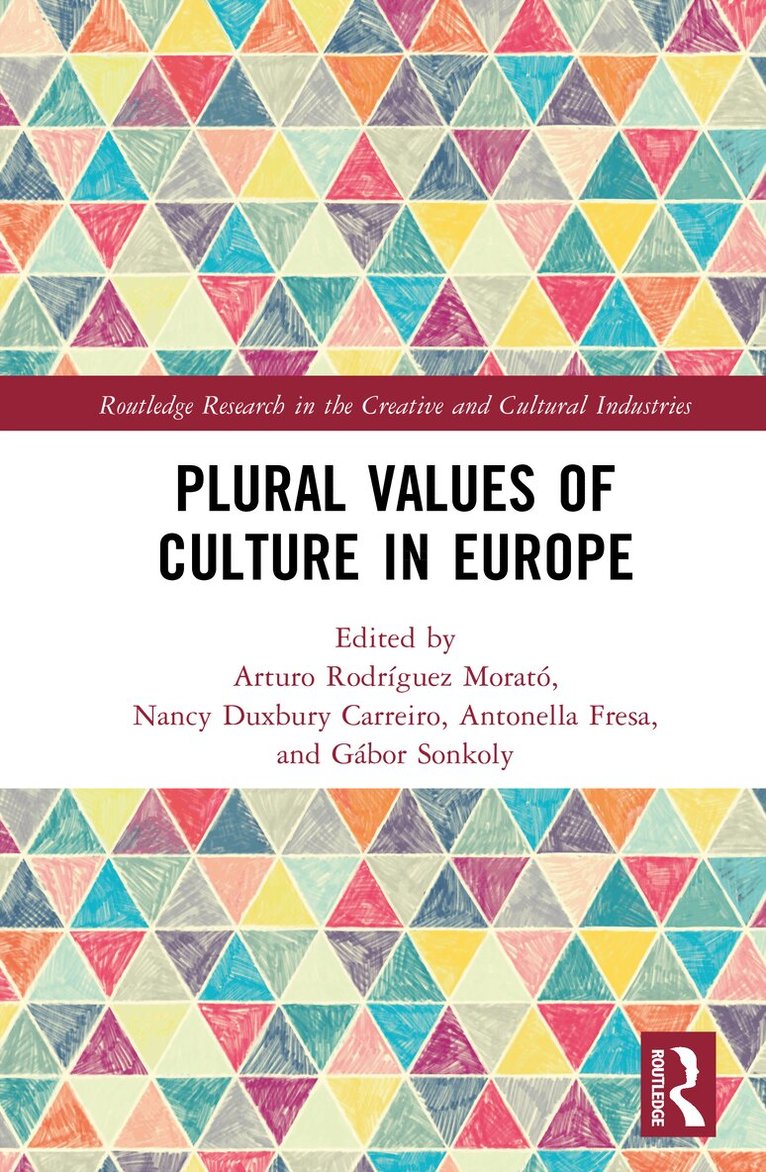
In recent years, the plurality of values of culture has been increasingly recognized in practical, academic, and policymaking contexts. Beyond its traditional intrinsic values—linked to aesthetics, authenticity, and excellence—its capacity to contribute to well-being, to promote identity and belonging and tolerance and inclusiveness, to stimulate creativity, and to foster innovation are ever more acknowledged by a great variety of social actors. However, an economy- and market-oriented perspective has come to dominate the administrative and managerial discourse on cultural valuation for a few decades. This has resulted in a predominance of an approach to valuing culture that is expressed exclusively in terms of its economic impact, obscuring other values of culture. The European research project UNCHARTED has tried to counteract this predominance by providing a broader vision of the societal value of culture in the European context and by applying this alternative view to some of the most relevant areas in which cultural valuation impinges on cultural management and cultural policy today. This book presents its main results.Based on a pragmatist perspective, we have carried out an extensive multiple case study (65 cases in seven countries) that considers the multiplicity of agents who participate in cultural valuation processes (citizens, professionals of creation and preservation, experts, and politicians) and the diversity of evaluative practices in which they engage within three main areas: the field of cultural participation, the field of cultural production and heritage, and the field of cultural administration. The book shows the irreducible plurality of the values of culture, the characteristic complexity of the dynamics of valuation and evaluation in the cultural sphere, and the current shortcomings and possible improvements in institutional processes of cultural evaluation. It is essential reading for cultural professionals, policymakers, and scholars of culture.
Inbunden, Engelska, 2018
2 215 kr
Skickas inom 10-15 vardagar
Making space for imagination can shift research and community planning from a reflective stance to a "future forming" orientation and practice. Cultural mapping is an emerging discourse of collaborative, community-based inquiry and advocacy. This book looks at artistic approaches to cultural mapping, focusing on imaginative cartography. It emphasizes the importance of creative process that engages with the "felt sense" of community experiences, an element often missing from conventional mapping practices. International artistic contributions in this book reveal the creative research practices and languages of artists, a prerequisite to understanding the multi-modal interface of cultural mapping. The book examines how contemporary artistic approaches can challenge conventional asset mapping by animating and honouring the local, giving voice and definition to the vernacular, or recognizing the notion of place as inhabited by story and history. It explores the processes of seeing and listening and the importance of the aesthetic as a key component of community self-expression and self-representation. Innovative contributions in this book champion inclusion and experimentation, expose unacknowledged power relations, and catalyze identity formation, through multiple modes of artistic representation and performance. It will be a valuable resource for individuals involved with creative research methods, performance, and cultural mapping as well as social and urban planning.
Inbunden, Engelska, 2018
2 151 kr
Skickas inom 10-15 vardagar
The concept of sustainable development is commonly divided into environmental, economic, social and cultural dimensions. While a variety of international actors have declared the importance of culture in sustainable development, jointly articulating this clearly has been difficult. For example, the Sustainable Development Goals (SDGs) that were adopted by the UN General Assembly in September 2015 contained only the most fleeting mention of culture. None of the SDGs referred directly to the case for integrating culture into sustainable development planning and decision-making. The role of cultural policy has remained unclear.This book contributes to a better understanding of the role of culture in achieving sustainability, focusing on the particular roles for cultural policy in this context. Cultural sustainability is conceptualised as the sustainability of cultural and artistic practices and patterns, and to the role of cultural traits and actions to inform and compose part of the pathways towards more sustainable societies. The links between culture and sustainable development are analysed in ways that articulate and contemplate different roles for cultural policy. The contributors take up the concerns and perspectives of international, national, and local authorities and actors, illuminating ways in which these multi-scale efforts both intersect and diverge.This book was originally published as a special issue of the International Journal of Cultural Policy.
Inbunden, Engelska, 2015
2 359 kr
Skickas inom 10-15 vardagar
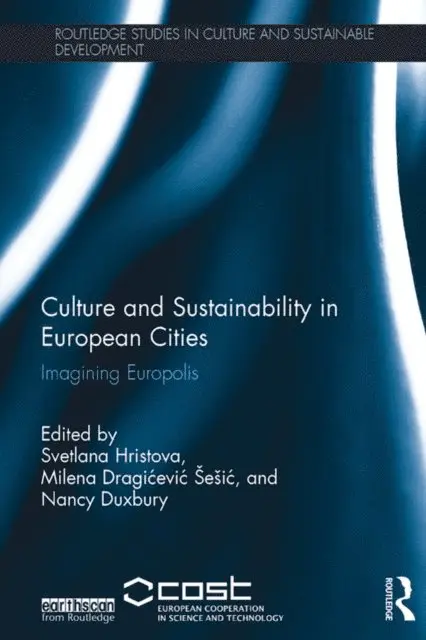
European cities are contributing to the development of a more sustainable urban system that is capable of coping with economic crises, ecological challenges and social disparities in different nation-states and regions throughout Europe.This book reveals in a pluralistic way how European cities are generating new approaches to their sustainable development, and the special contribution of culture to these processes. It addresses both a deficit of attention to small and medium-sized cities in the framework of European sustainable development, and an underestimation of the role of culture, artistic expression and creativity for integrated development of the city as a prerequisite to urban sustainability. On the basis of a broad collection of case studies throughout Europe, representing a variety of regionally specific cultural models of sustainable development, the book investigates how participative culture, community arts, and more generally, creativity of civic imagination are conducive to the goal of a sustainable future of small and medium-sized cities. This is an essential volume for researchers and postgraduate students in urban studies, cultural studies, cultural geography and urban sociology as well as for policymakers and practitioners wanting to understand the specificity of European cities as hubs of innovation, creativity and artistic industriousness.
Inbunden, Engelska, 2015
2 359 kr
Skickas inom 10-15 vardagar
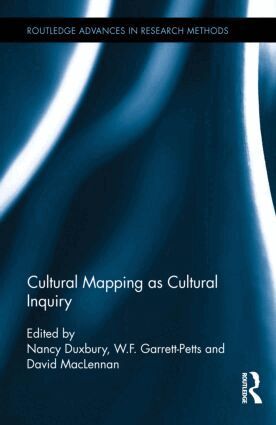
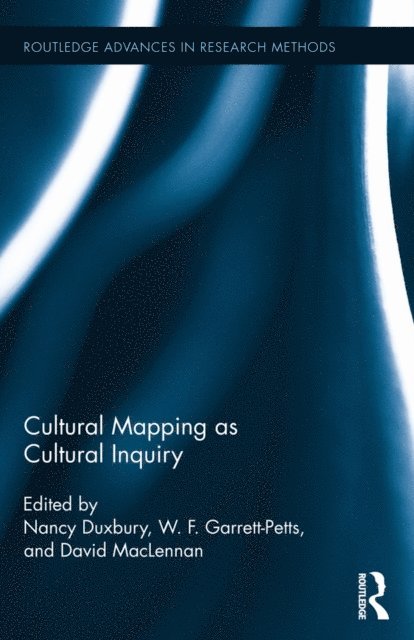
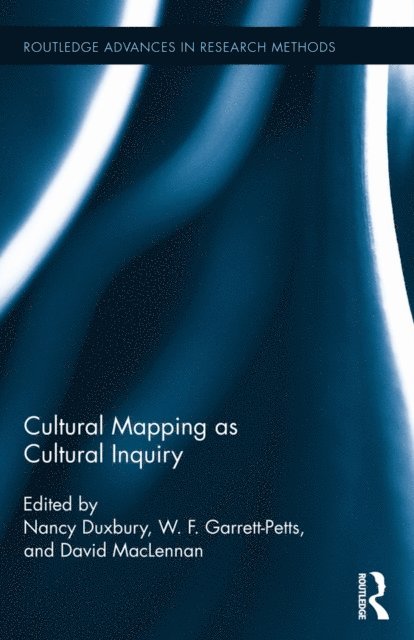
This edited collection provides an introduction to the emerging interdisciplinary field of cultural mapping, offering a range of perspectives that are international in scope. Cultural mapping is a mode of inquiry and a methodological tool in urban planning, cultural sustainability, and community development that makes visible the ways local stories, practices, relationships, memories, and rituals constitute places as meaningful locations. The chapters address themes, processes, approaches, and research methodologies drawn from examples in Australia, Canada, Estonia, the United Kingdom, Egypt, Italy, Malaysia, Malta, Palestine, Portugal, Singapore, Sweden, Syria, the United Arab Emirates, the United States, and Ukraine. Contributors explore innovative ways to encourage urban and cultural planning, community development, artistic intervention, and public participation in cultural mapping—recognizing that public involvement and artistic practices introduce a range of challenges spanning various phases of the research process, from the gathering of data, to interpreting data, to presenting "findings" to a broad range of audiences. The book responds to the need for histories and case studies of cultural mapping that are globally distributed and that situate the practice locally, regionally, nationally, and internationally.
Inbunden, Engelska, 2019
1 741 kr
Skickas inom 5-8 vardagar
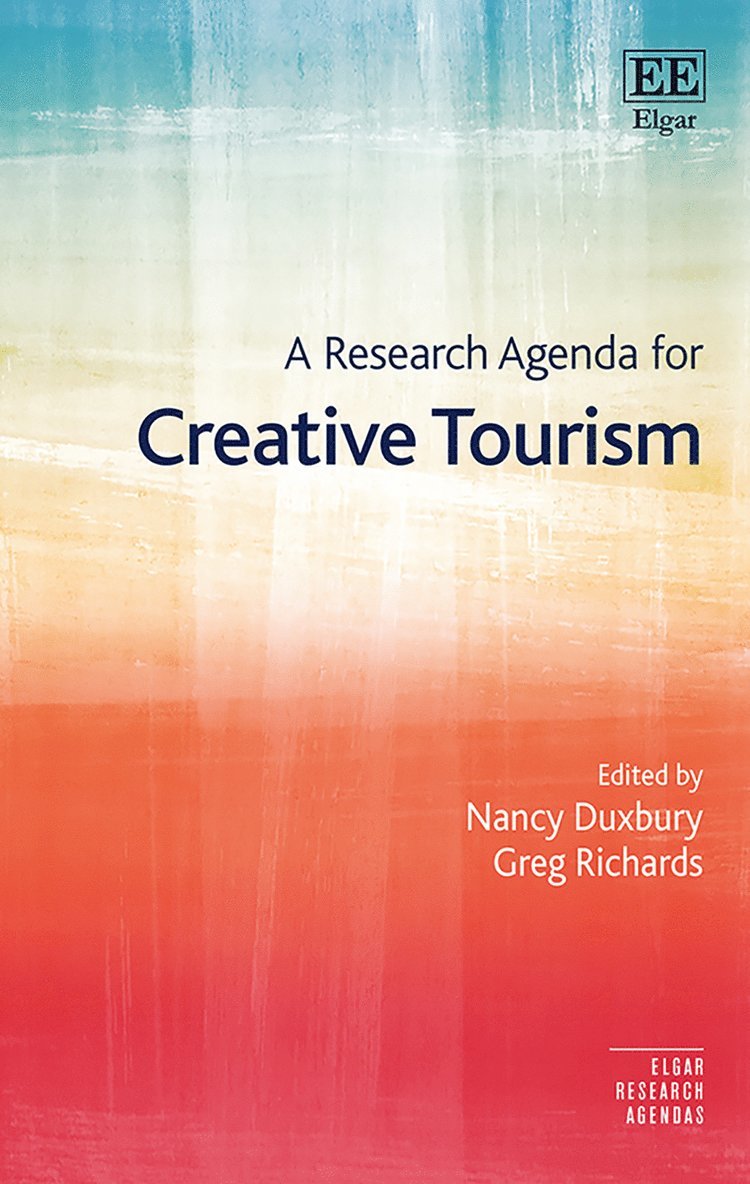
Elgar Research Agendas outline the future of research in a given area. Leading scholars are given the space to explore their subject in provocative ways, and map out the potential directions of travel. They are relevant but also visionary.Original and thought-provoking, this book investigates how creative experiences, interactions, and place-specific dynamics and contexts are shaping the expanding field of creative tourism across the globe. Exploring the evolution of research in this field, the authors investigate pathways for future research that advance conceptual questions and pragmatic issues.Bringing together an array of international perspectives and research approaches, this book investigates the growing synergies between creativity and tourism. Contributors from a variety of disciplines utilize key case studies to examine the development of creative tourism in both the global North and South, including: World Heritage Sites in Malaysia; small communities in Thailand; small town 'creative outposts' in Canada; community-engaged projects in rural Russia; Gangneung, Korea's 'coffee city'; the pioneering creative tourism city of Santa Fe; and a participatory museum in Croatia.Both the growing diversity and scope of creative tourism and the expanding body of literature on this topic makes this timely Research Agenda a vital read for scholars of tourism studies, especially as it offers much-needed suggestions of areas for future research, at doctoral and post-doctoral levels. Tourism policy makers and creative tourism practitioners will also find this a useful read.Contributors: M. Blapp, P. Brouder, M.-A. Delisle, N. Duxbury, M.L. Emmendoerfer, J. Erkkilä-Hill, I. Freitas, R. Gôja, B. Hanifl, M. Hiltunen, D.A. Jelincic, T. Jokela, S.-M. Koistinen, H.d.S. Lopes, M. Matetskaya, O. Matos, S. Miettinen, O. Mitas, M. Pereira, P. Remoaldo, V. Ribeiro, G. Richards, M. Senkic, U.-S. Seo, A. Svyatunenko, S.-H. Tan, S.-K. Tan, T. Vongvisitsin, J. Wisansing
Inbunden, Engelska, 2021
1 558 kr
Skickas inom 5-8 vardagar
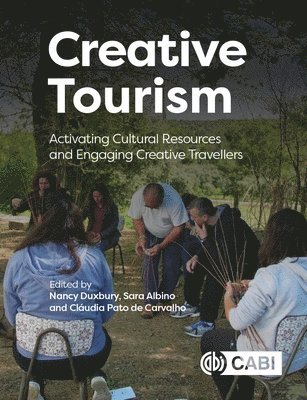
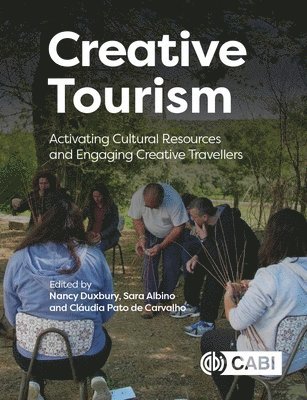
This book provides a synthesis of current research and international best practice in the emerging field of creative tourism. Including knowledge, insights, and reflections from both practitioners and researchers, it covers types of creative tourist, trends, designing and implementing creative tourism products, embedding activities in a community and place, and addressing sustainability challenges. Applying lessons learned from the CREATOUR project and other initiatives, the editors present key information in an actionable manner best suited to people working on the ground. The book: - Addresses important issues such as local economic benefit, social and collaborative economy, community engagement, social inclusion, youth empowerment, cross-cultural exchange, and responsible travel. - Provides a core, introductory text plus a wide range of cases examining creative tourism development in practice in the following 15 countries: Austria, Brazil, Canada, Colombia, Denmark, Finland, Kenya, Namibia, Portugal, the Netherlands, New Zealand, Slovenia, Spain, Thailand, and the USA. - Includes colour photos, diagrams, text boxes, and call-out quotations throughout to help guide and engage readers. A vital resource for tourism agencies, practitioners, planners and policymakers interested in developing creative tourism programmes and activities, this book will also be of interest to cultural and creative tourism researchers, students, and teachers of tourism and culture-based development.
Häftad, Engelska, 2021
742 kr
Skickas inom 5-8 vardagar
This book provides a synthesis of current research and international best practice in the emerging field of creative tourism. Including knowledge, insights, and reflections from both practitioners and researchers, it covers types of creative tourist, trends, designing and implementing creative tourism products, embedding activities in a community and place, and addressing sustainability challenges. Applying lessons learned from the CREATOUR project and other initiatives, the editors present key information in an actionable manner best suited to people working on the ground. The book: - Addresses important issues such as local economic benefit, social and collaborative economy, community engagement, social inclusion, youth empowerment, cross-cultural exchange, and responsible travel. - Provides a core, introductory text plus a wide range of cases examining creative tourism development in practice in the following 15 countries: Austria, Brazil, Canada, Colombia, Denmark, Finland, Kenya, Namibia, Portugal, the Netherlands, New Zealand, Slovenia, Spain, Thailand, and the USA. - Includes colour photos, diagrams, text boxes, and call-out quotations throughout to help guide and engage readers. A vital resource for tourism agencies, practitioners, planners and policymakers interested in developing creative tourism programmes and activities, this book will also be of interest to cultural and creative tourism researchers, students, and teachers of tourism and culture-based development.
Häftad, Engelska, 2020
469 kr
Skickas inom 5-8 vardagar
Elgar Research Agendas outline the future of research in a given area. Leading scholars are given the space to explore their subject in provocative ways, and map out the potential directions of travel. They are relevant but also visionary.Original and thought-provoking, this book investigates how creative experiences, interactions, and place-specific dynamics and contexts are shaping the expanding field of creative tourism across the globe. Exploring the evolution of research in this field, the authors investigate pathways for future research that advance conceptual questions and pragmatic issues.Bringing together an array of international perspectives and research approaches, this book investigates the growing synergies between creativity and tourism. Contributors from a variety of disciplines utilize key case studies to examine the development of creative tourism in both the global North and South, including: World Heritage Sites in Malaysia; small communities in Thailand; small town 'creative outposts' in Canada; community-engaged projects in rural Russia; Gangneung, Korea's 'coffee city'; the pioneering creative tourism city of Santa Fe; and a participatory museum in Croatia.Both the growing diversity and scope of creative tourism and the expanding body of literature on this topic makes this timely Research Agenda a vital read for scholars of tourism studies, especially as it offers much-needed suggestions of areas for future research, at doctoral and post-doctoral levels. Tourism policy makers and creative tourism practitioners will also find this a useful read.Contributors: M. Blapp, P. Brouder, M.-A. Delisle, N. Duxbury, M.L. Emmendoerfer, J. Erkkilä-Hill, I. Freitas, R. Gôja, B. Hanifl, M. Hiltunen, D.A. Jelincic, T. Jokela, S.-M. Koistinen, H.d.S. Lopes, M. Matetskaya, O. Matos, S. Miettinen, O. Mitas, M. Pereira, P. Remoaldo, V. Ribeiro, G. Richards, M. Senkic, U.-S. Seo, A. Svyatunenko, S.-H. Tan, S.-K. Tan, T. Vongvisitsin, J. Wisansing