Nandor Bardi – författare
Visar alla böcker från författaren Nandor Bardi. Handla med fri frakt och snabb leverans.
4 produkter
Minority Hungarian Communities in the Twentieth Century
Av Nandor Bardi, Csilla Fedinec m. fl.
Inbunden, 2011
712 kr
Lägg i varukorg
The authors review the twentieth-century history of Hungarian communities that became minorities within Czechoslovakia, Romania, Yugoslavia, and Austria after World War I. They trace these developments over ninety years of social, political, economic, and cultural upheaval and examine in detail the …
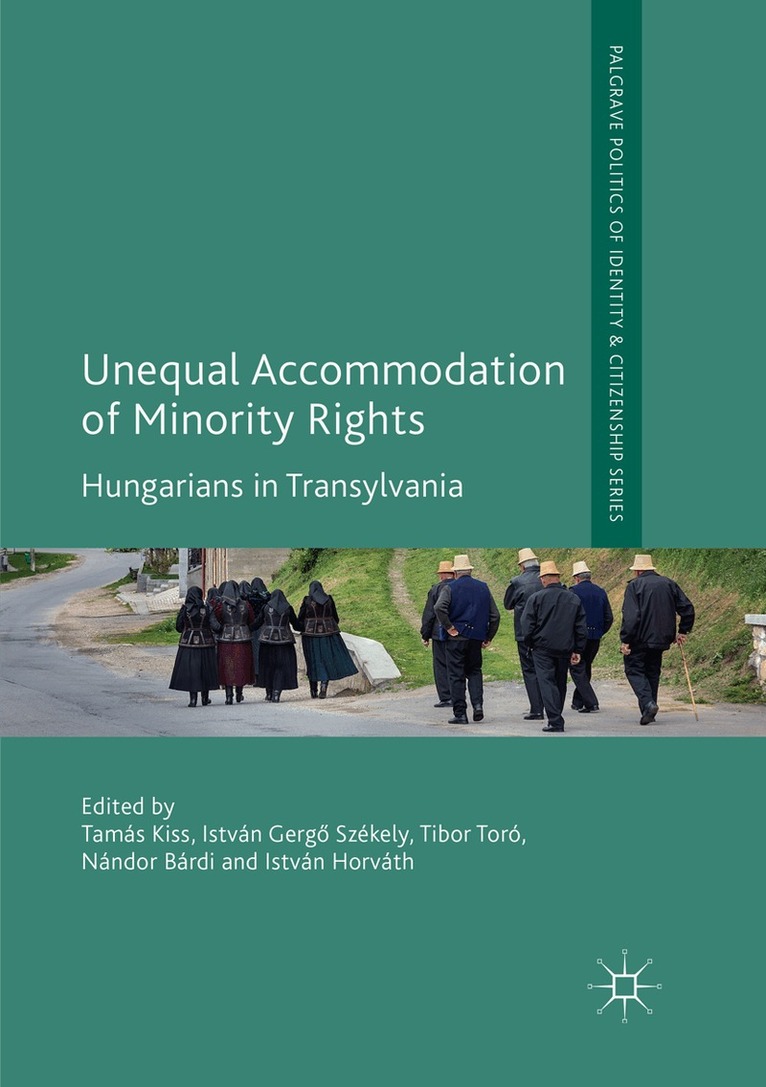
Unequal Accommodation of Minority Rights
Hungarians in Transylvania
Av Tamás Kiss, István Gergő Székely m. fl.
Häftad, 2018
1095 kr
Lägg i varukorg
This book provides an in-depth multidisciplinary analysis of the major social and political processes affecting Hungarians in Romania after the overthrow of the Communist regime in 1989. The volume highlights the interdependence between the ethno-political strategies of minority elites and …
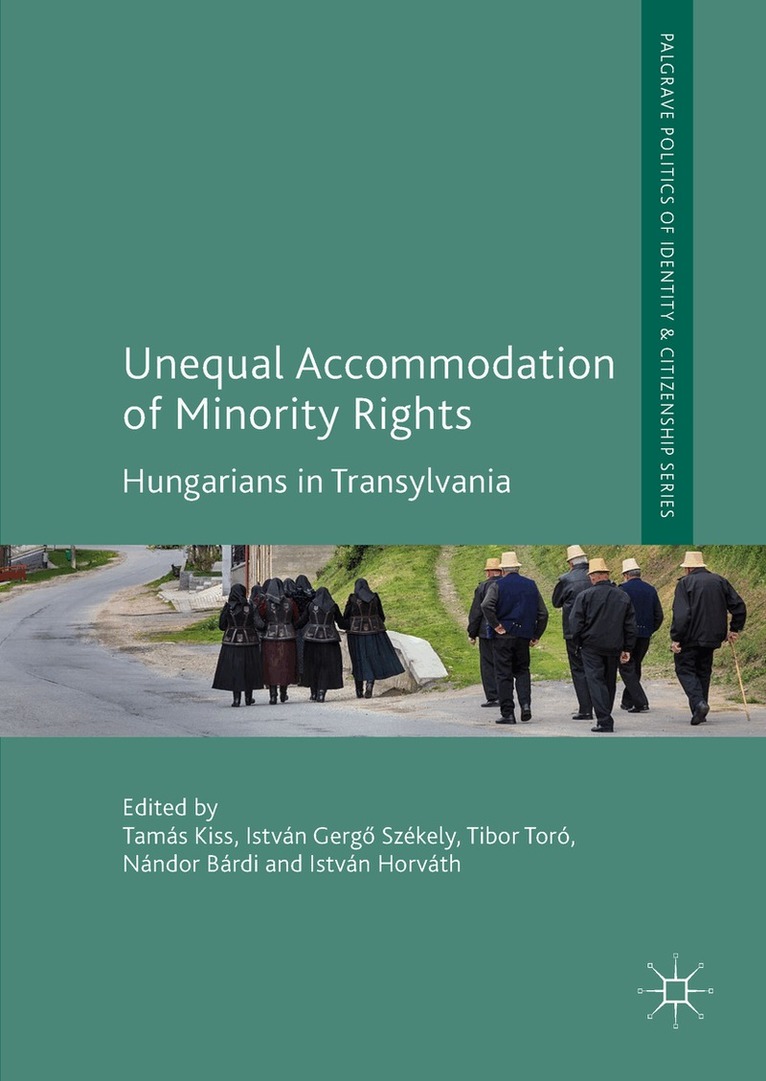
Unequal Accommodation of Minority Rights
Hungarians in Transylvania
Av Tamás Kiss, István Gergő Székely m. fl.
Inbunden, 2018
1530 kr
Lägg i varukorg
This book provides an in-depth multidisciplinary analysis of the major social and political processes affecting Hungarians in Romania after the overthrow of the Communist regime in 1989. The volume highlights the interdependence between the ethno-political strategies of minority elites and …
Unequal Accommodation of Minority Rights
Hungarians in Transylvania
Av Istvan Horvath, Nandor Bardi m. fl.
E-bok, 2018
1427 kr
Lägg i varukorg
This book provides an in-depth multidisciplinary analysis of the major social and political processes affecting Hungarians in Romania after the overthrow of the Communist regime in 1989. The volume highlights the interdependence between the ethno-political strategies of minority elites and …