Narendra Reddy – författare
1 666 kr
Skickas inom 10-15 vardagar
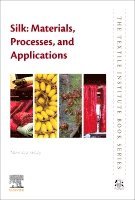
Silk: Materials, Processes, and Applications addresses the latest research on the structure and properties of silk fibers, properties of silk-based materials, and cutting edge-related industrial practices. It pays particular attention to mulberry silk, but unconventional silks such as spider silk and marine silk fibers are also covered.
Although silk is one of the oldest known fibers, new research continues to shed light on its properties, leading it to be applied in new contexts particularly in the medical field, and new non-textile areas. In addition to structural and mechanical qualities, this book also includes a great deal of new research on the chemical modifications of silk fibers, and other processing methods.
With a focus on practical methodologies, this is the most readable and readily applicable book on silk so far, making it a perfect guide for readers with a range of backgrounds.
Addresses the fundamental differences between mulberry, spider, and wild silks Describes silk fiber and non-fiber forms, including hydrogels and films In-depth coverage of silk-processing methods provides the perfect starting point for biotechnologists interested in the use of silk for non-textile applications2 370 kr
Läs direkt efter köp
2 748 kr
Läs direkt efter köp
2 171 kr
Skickas inom 10-15 vardagar
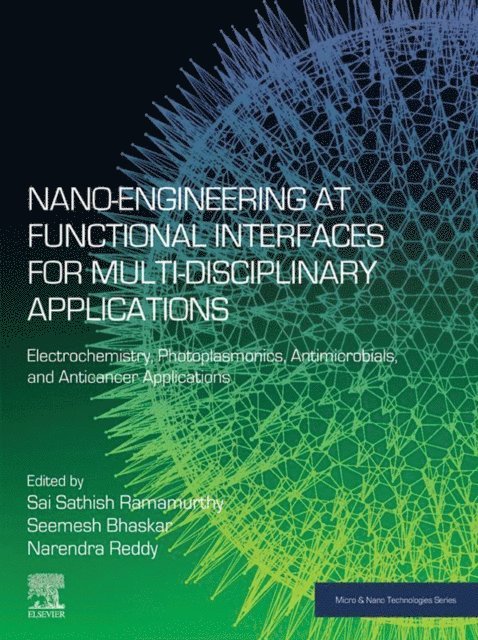
Nano-Engineering at Functional Interfaces for Multi-disciplinary Applications: Electrochemistry, Photoplasmonics, Antimicrobials, and Anticancer Applications provides a comprehensive overview of the fundamentals and latest advances of nano-engineering strategies for the design, development, and fabrication of novel nanostructures for different applications in the fields of photoplasmonics and electrochemistry, as well as antibacterial and anticancer research areas. The book begins with an introduction to the fundamentals and characteristics of nanostructured interfaces and their associated technologies, including an overview of their potential applications in different fields.The following chapters present a thorough discussion of the synthesis, processing, and characterization methods of nanomaterials with unique functionalities suitable for energy harvesting, food and textile applications, electrocatalysis, biomedical applications and more. It then concludes outlining research future directions and potential industrial applications.
Presents the advantages and impact of nano-engineering in technological advances, with up-to-date discussions on their applicationsCovers research directions and potential future applications of nano-engineering in industryIncludes case studies that illustrate important processes1 666 kr
Kommande
1 704 kr
Läs direkt efter köp
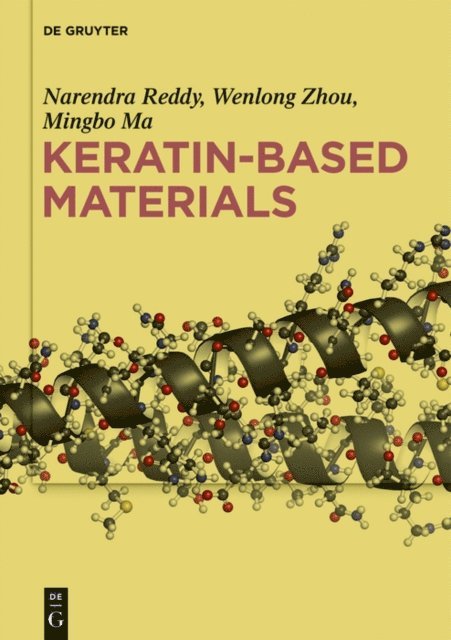
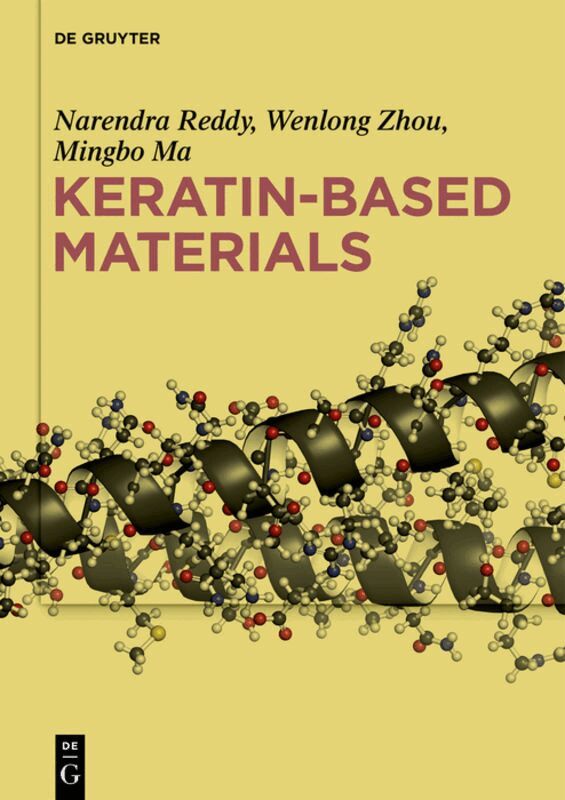
The book introduces readers to the unique aspects of keratin and opportunities to develop various bioproducts and biomaterials from keratins. It discusses the structure, properties and specific applications of keratins extracted from different sources. Applications include keratins as absorbents, reinforcements or matrices for composites, hydrogels and fibres.
1 704 kr
Läs direkt efter köp
The book introduces readers to the unique aspects of keratin and opportunities to develop various bioproducts and biomaterials from keratins. It discusses the structure, properties and specific applications of keratins extracted from different sources. Applications include keratins as absorbents, reinforcements or matrices for composites, hydrogels and fibres.
1 981 kr
Skickas inom 5-8 vardagar
1 083 kr
Skickas inom 10-15 vardagar
1 367 kr
Läs direkt efter köp
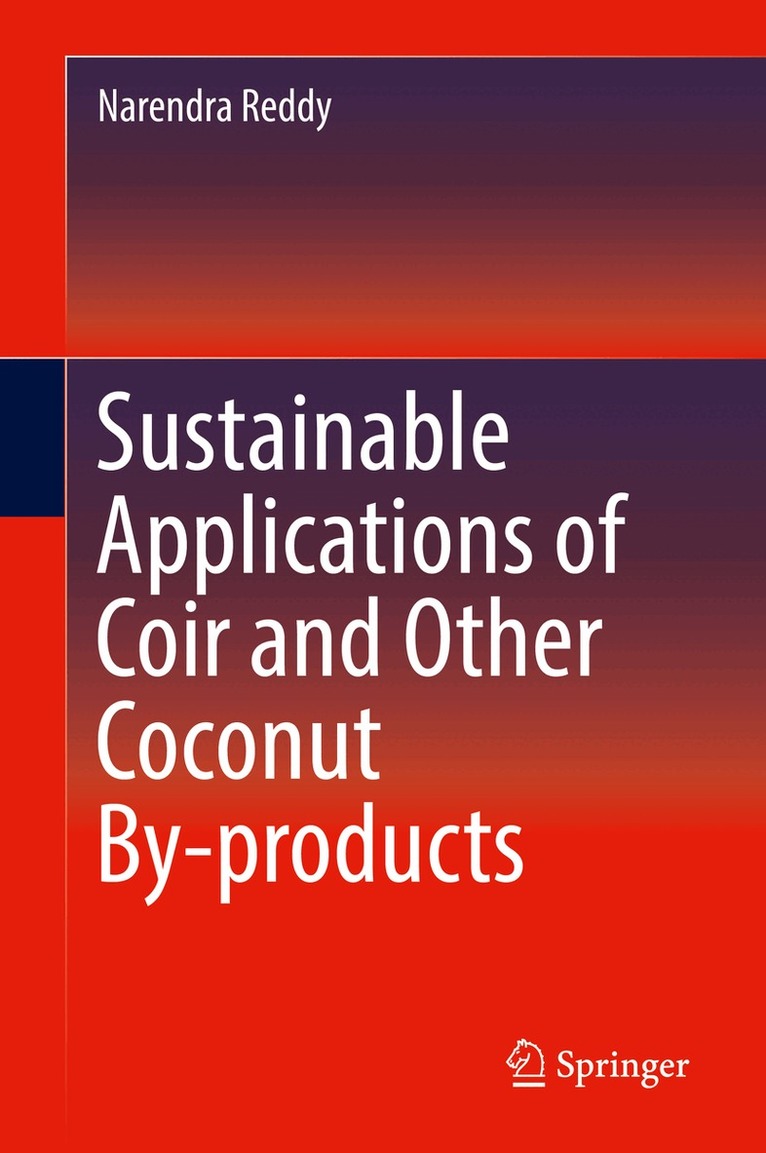
This book provides detailed information on the methods and techniques that can be used to process coir, cocopeat and other coconut byproducts for developing various bioproducts. Coir is a unique raw material in that it is abundant, green, and sustainable. The most common industrial application of coir is to use it as a reinforcement of composites with other natural or synthetic fibers and resins. Coir-based composites are used in automotive, construction, and packaging, among other applications. Recently cocopeat, coconut shells and other byproducts have been used for energy, environmental remediation and agricultural applications. This is the first reference describing the properties, processability, and applications of all the coconut byproducts. Properties of the products developed are also covered with a major focus on industrial applications.
Provides a single, comprehensive reference source on the biorenewable material coir and other coconut byproductsAddresses properties, processing and a broad range of industrial applicationsEnables researchers spanning the materials, polymer, agricultural, composites and environmental areas to identify unique and useful applications of coir and other coconut byproducts1 083 kr
Skickas inom 10-15 vardagar
1 836 kr
Skickas inom 10-15 vardagar
2 283 kr
Läs direkt efter köp
1 209 kr
Skickas inom 11-20 vardagar
1 542 kr
Läs direkt efter köp
Explore this authoritative guide to transforming the silk industry written by two experts in biopolymers and materials science
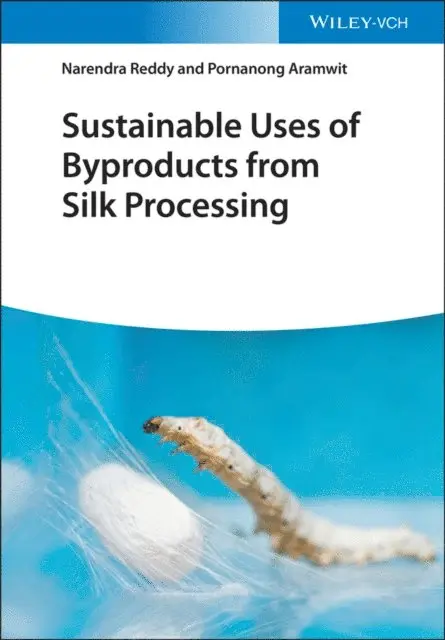
Sustainable Uses of Byproducts from Silk Processing delivers a detailed treatment of the properties and potential applications of silk sources, by-products, and waste. The book describes the composition, structure, processability, and potential applications of all of the different kinds of silk by-products. Highly relevant to those working in mulberry cultivation, silkworm rearing, and silk processing, the distinguished authors offer information on how to transform silk by-products into new materials, energy, fuel, fibers, composites, food, cosmetics, and feed.
Using a valorisation approach to the silk protein sericin and its by-products and taking an application-oriented view of materials sources and wastes in the silk industry. Implementation of these techniques promises to further industries as diverse as cancer treatment, pharmaceuticals, nutraceuticals, and environmental cleanup.
Readers will also benefit from the inclusion of:
A thorough introduction to sericin, including its structure and properties, how to process it, and its various applicationsAn exploration of mulberry leaves, stems, and fruits, including their composition and properties, processing, and non-feed applicationsDiscussions of the various uses of silkworm pupae, including food and feed, pupae oil properties and applications, biodiesel, byproducts of biodiesel, and the extraction of chitin and proteins from the pupae shellAn examination of the applications of silkworm litterPerfect for protein chemists, biotechnologists, cosmetics industry professionals, and materials scientists, Sustainable Uses of Byproducts from Silk Processing will also earn a place in the libraries of polymer and cosmetic chemists who seek a one-stop reference for current and emerging sustainability practices in the silk industry.
1 542 kr
Läs direkt efter köp
Explore this authoritative guide to transforming the silk industry written by two experts in biopolymers and materials science
Sustainable Uses of Byproducts from Silk Processing delivers a detailed treatment of the properties and potential applications of silk sources, by-products, and waste. The book describes the composition, structure, processability, and potential applications of all of the different kinds of silk by-products. Highly relevant to those working in mulberry cultivation, silkworm rearing, and silk processing, the distinguished authors offer information on how to transform silk by-products into new materials, energy, fuel, fibers, composites, food, cosmetics, and feed.
Using a valorisation approach to the silk protein sericin and its by-products and taking an application-oriented view of materials sources and wastes in the silk industry. Implementation of these techniques promises to further industries as diverse as cancer treatment, pharmaceuticals, nutraceuticals, and environmental cleanup.
Readers will also benefit from the inclusion of:
A thorough introduction to sericin, including its structure and properties, how to process it, and its various applicationsAn exploration of mulberry leaves, stems, and fruits, including their composition and properties, processing, and non-feed applicationsDiscussions of the various uses of silkworm pupae, including food and feed, pupae oil properties and applications, biodiesel, byproducts of biodiesel, and the extraction of chitin and proteins from the pupae shellAn examination of the applications of silkworm litterPerfect for protein chemists, biotechnologists, cosmetics industry professionals, and materials scientists, Sustainable Uses of Byproducts from Silk Processing will also earn a place in the libraries of polymer and cosmetic chemists who seek a one-stop reference for current and emerging sustainability practices in the silk industry.
2 156 kr
Skickas inom 10-15 vardagar
2 741 kr
Läs direkt efter köp
2 156 kr
Skickas inom 10-15 vardagar