Nat Cutter – författare
Visar alla böcker från författaren Nat Cutter. Handla med fri frakt och snabb leverans.
6 produkter
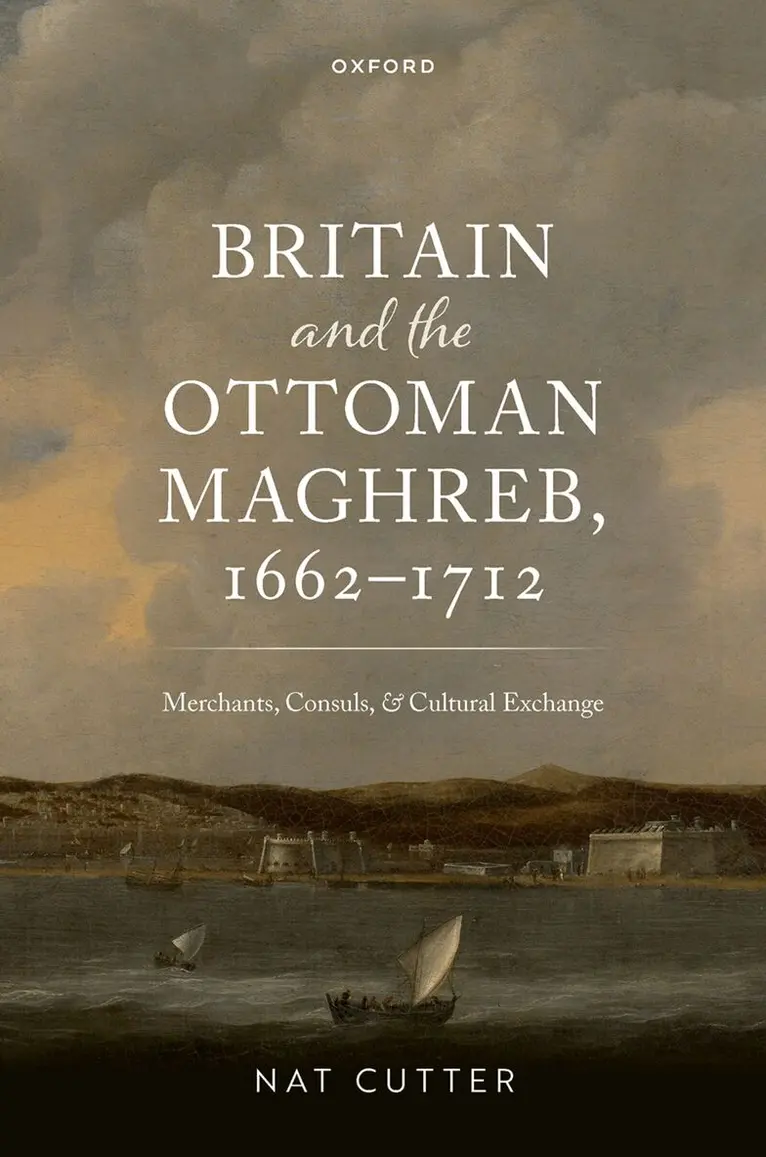
Britain and the Ottoman Maghreb, 1662–1712
Merchants, Consuls, and Cultural Exchange
Av Nat Cutter
Inbunden, 2026
1534 kr
Lägg i varukorg
From the mid-seventeenth to early eighteenth century, a wide network of English-speaking men, women, and children took up residence in the Ottoman Maghrebi regencies of Algiers, Tunis, and Tripoli. There they formed expatriate communities, engaged with the societies around them, and undertook their …
Britain and the Ottoman Maghreb, 1662-1712
Merchants, Consuls, and Cultural Exchange
Av Nat Cutter
E-bok, 2026
873 kr
Lägg i varukorg
From the mid-seventeenth to early eighteenth century, a wide network of English-speaking men, women, and children took up residence in the Ottoman Maghrebi regencies of Algiers, Tunis, and Tripoli. There they formed expatriate communities, engaged with the societies around them, and undertook their …
Britain and the Ottoman Maghreb, 1662a "e;1712
Merchants, Consuls, and Cultural Exchange
Av Nat Cutter
E-bok, 2026
873 kr
Lägg i varukorg
From the mid-seventeenth to early eighteenth century, a wide network of English-speaking men, women, and children took up residence in the Ottoman Maghrebi regencies of Algiers, Tunis, and Tripoli. There they formed expatriate communities, engaged with the societies around them, and undertook their …
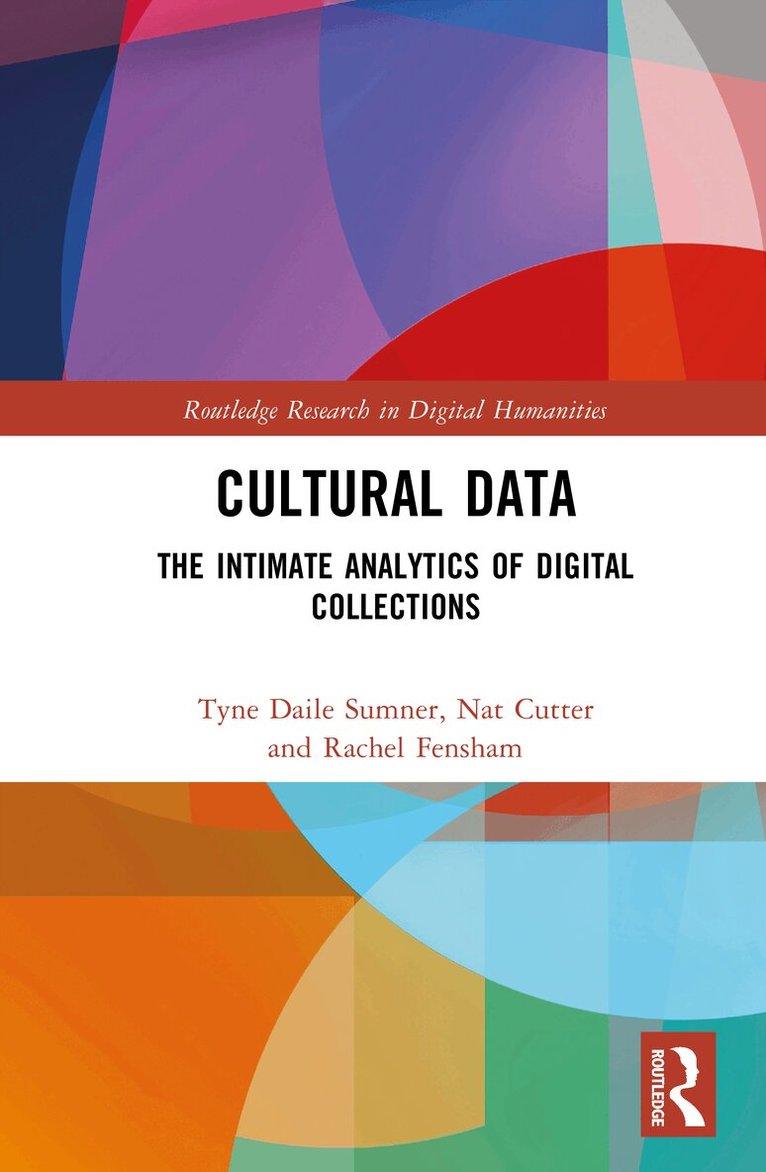
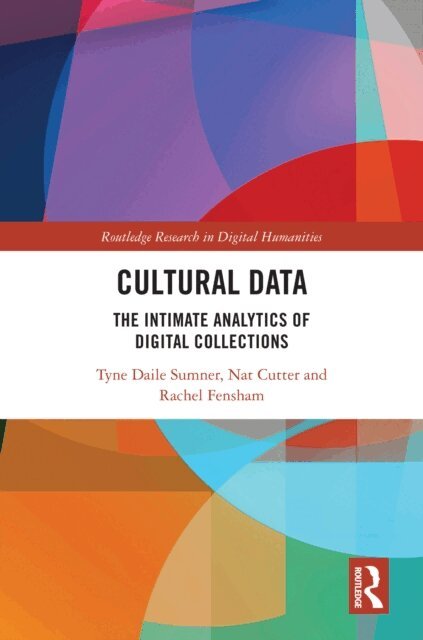
Cultural Data
The Intimate Analytics of Digital Collections
Av Tyne Daile Sumner, Nat Cutter m. fl.
Inbunden, 2026
2504 kr
Lägg i varukorg
This book presents a timely and original study of the meaning, uses, and impact of cultural data today. Working across critical and creative strands of inquiry, the book situates cultural data in the context of contemporary social, environmental, and political challenges such as the future of the …
Cultural Data
The Intimate Analytics of Digital Collections
Av Rachel Fensham, Nat Cutter m. fl.
E-bok, 2026
831 kr
Lägg i varukorg
This book presents a timely and original study of the meaning, uses, and impact of cultural data today. Working across critical and creative strands of inquiry, the book situates cultural data in the context of contemporary social, environmental, and political challenges such as the future of the …
Cultural Data
The Intimate Analytics of Digital Collections
Av Rachel Fensham, Nat Cutter m. fl.
E-bok, 2026
831 kr
Lägg i varukorg
This book presents a timely and original study of the meaning, uses, and impact of cultural data today. Working across critical and creative strands of inquiry, the book situates cultural data in the context of contemporary social, environmental, and political challenges such as the future of the …