Natan M. Meir – författare
Visar alla böcker från författaren Natan M. Meir. Handla med fri frakt och snabb leverans.
5 produkter
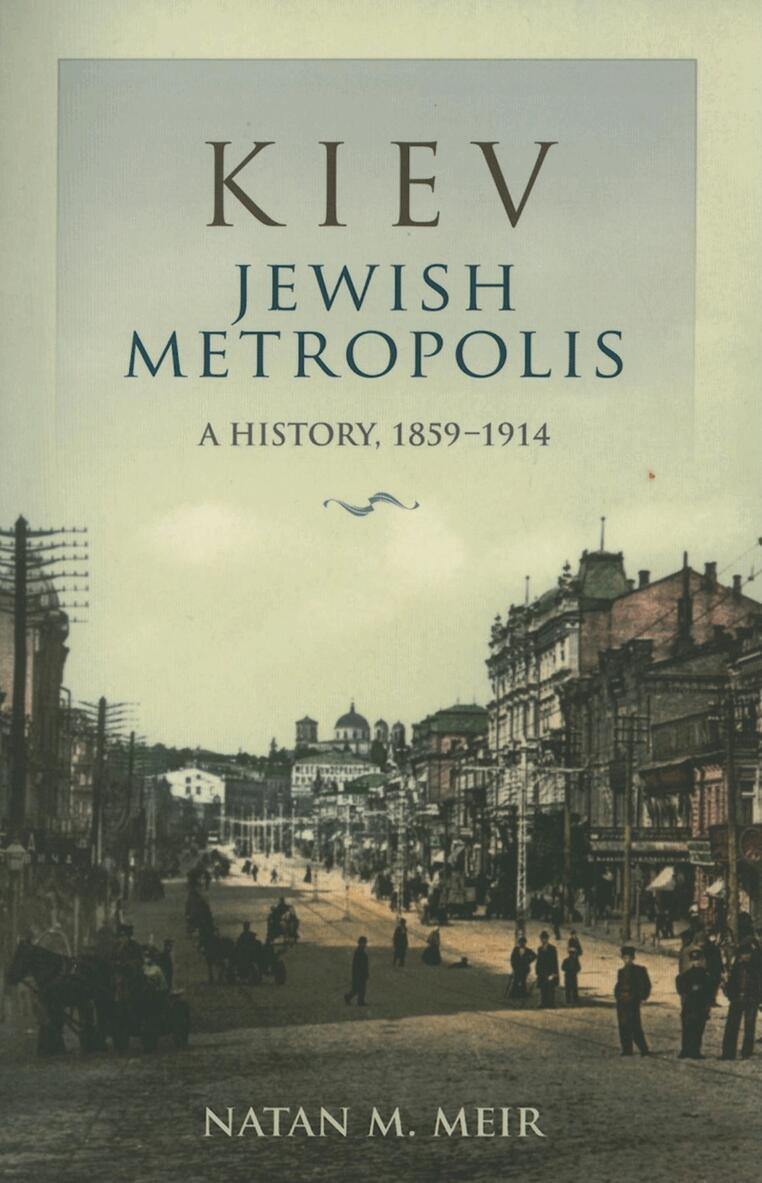
Kiev, Jewish Metropolis
A History, 1859–1914
Häftad, 2010
339 kr
Lägg i varukorg
Populated by urbane Jewish merchants and professionals as well as new arrivals from the shtetl, imperial Kiev was acclaimed for its opportunities for education, culture, employment, and entrepreneurship but cursed for the often pitiless persecution of its Jews. Kiev, Jewish Metropolis limns the …
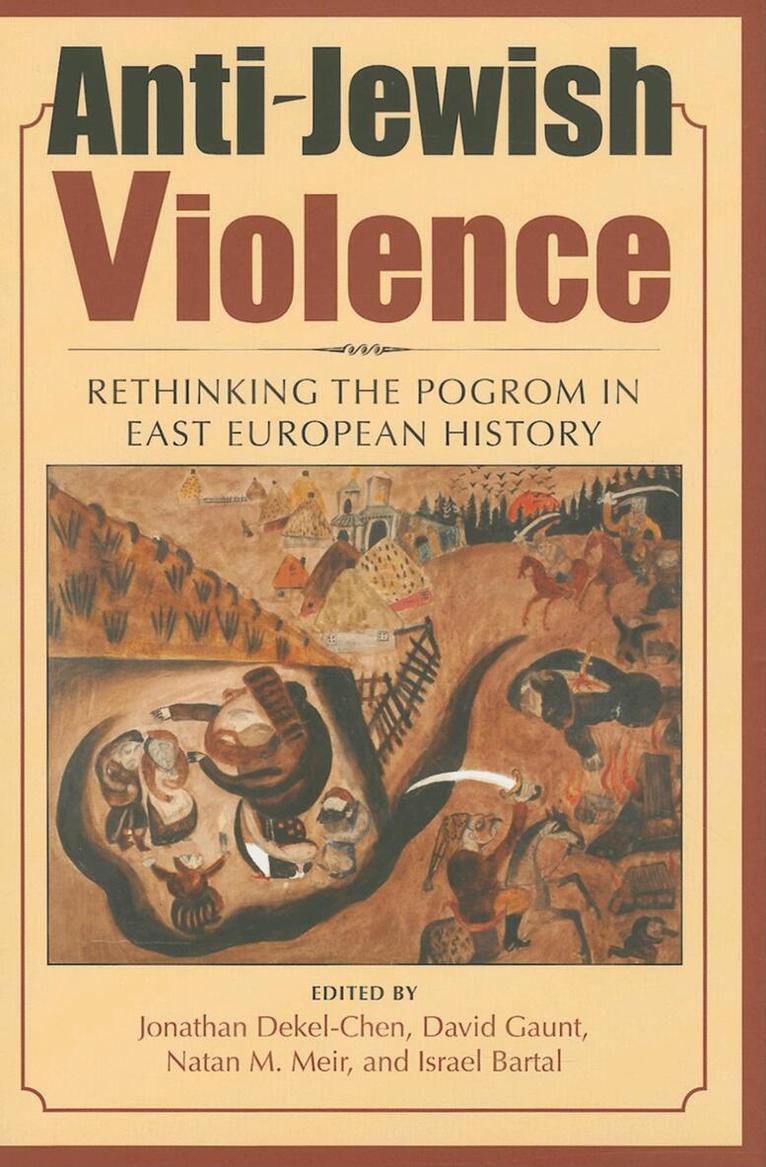
Anti-Jewish Violence
Rethinking the Pogrom in East European History
Av Jonathan Dekel-Chen, David Gaunt m. fl.
Inbunden, 2010
415 kr
Lägg i varukorg
Although overshadowed in historical memory by the Holocaust, the anti-Jewish pogroms of the late 19th and early 20th centuries were at the time unrivaled episodes of ethnic violence. Incorporating newly available primary sources, this collection of groundbreaking essays by researchers from Europe, …
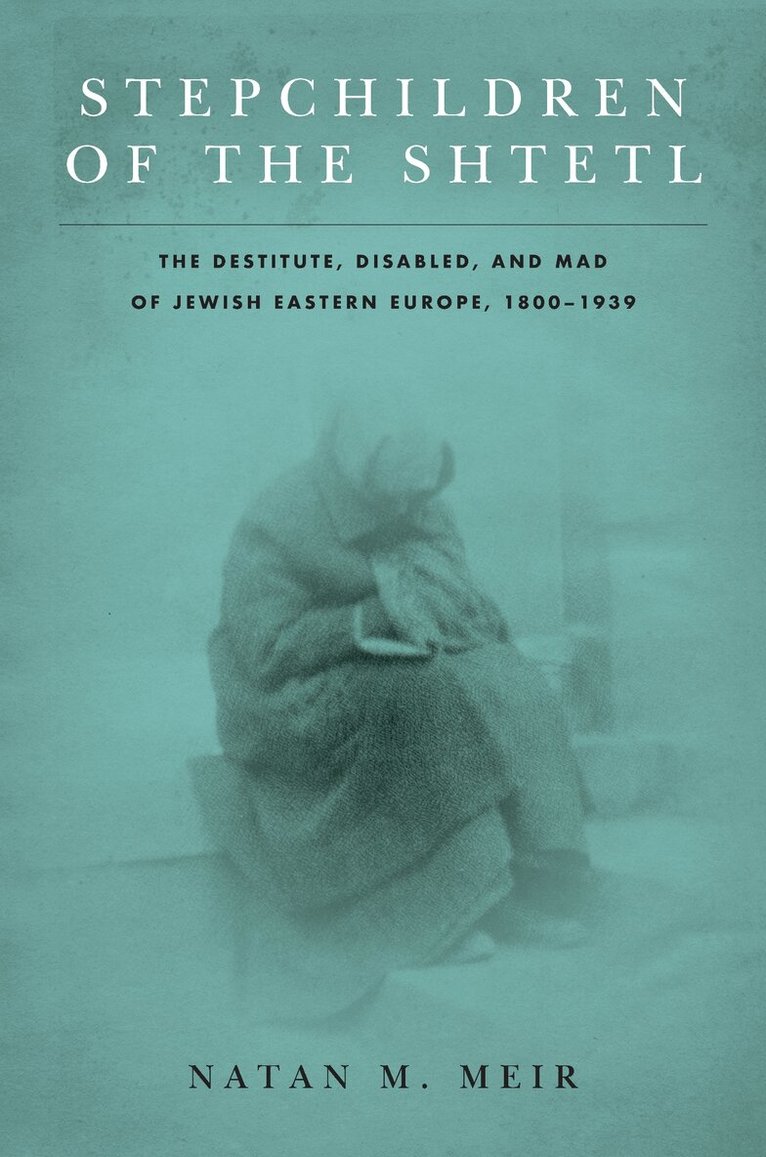
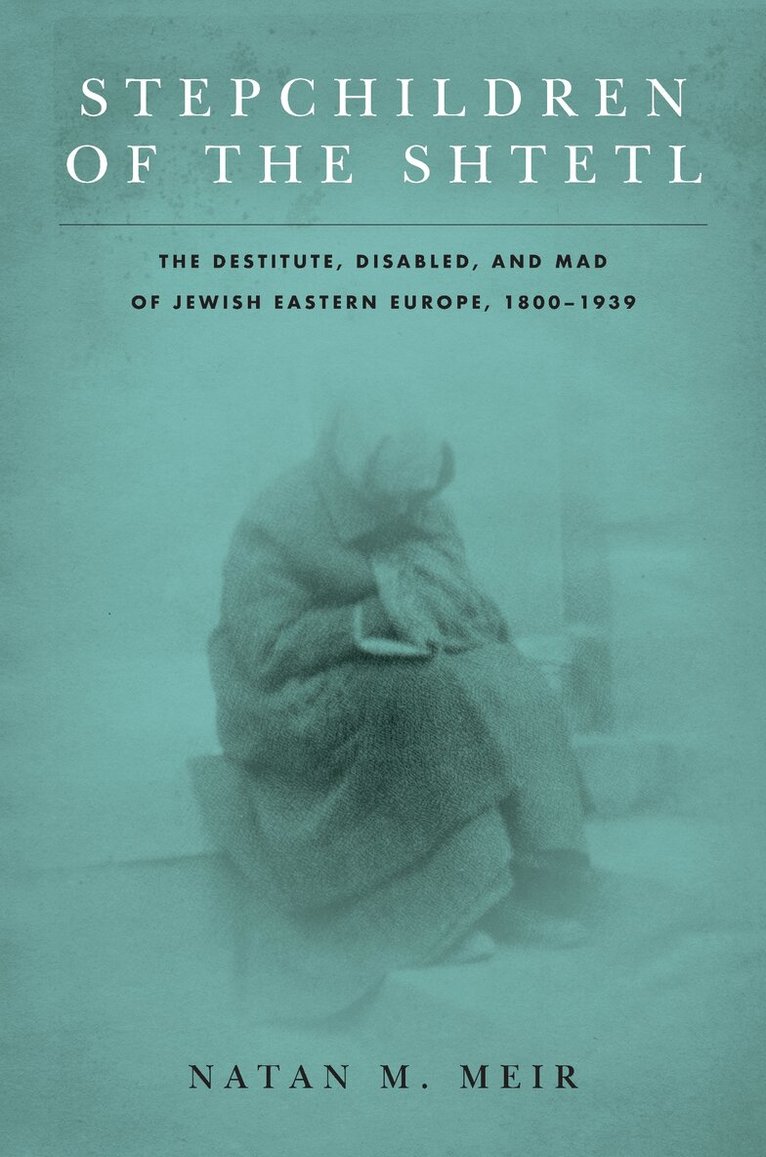
Stepchildren of the Shtetl
The Destitute, Disabled, and Mad of Jewish Eastern Europe, 1800-1939
Inbunden, 2020
1501 kr
Lägg i varukorg
Memoirs of Jewish life in the east European shtetl often recall the hekdesh (town poorhouse) and its residents: beggars, madmen and madwomen, disabled people, and poor orphans. Stepchildren of the Shtetl tells the story of these marginalized figures from the dawn of modernity to the eve of the …
Stepchildren of the Shtetl
The Destitute, Disabled, and Mad of Jewish Eastern Europe, 1800-1939
Häftad, 2020
352 kr
Lägg i varukorg
Memoirs of Jewish life in the east European shtetl often recall the hekdesh (town poorhouse) and its residents: beggars, madmen and madwomen, disabled people, and poor orphans. Stepchildren of the Shtetl tells the story of these marginalized figures from the dawn of modernity to the eve of the …
Stepchildren of the Shtetl
The Destitute, Disabled, and Mad of Jewish Eastern Europe, 1800-1939
E-bok, 2020
428 kr
Lägg i varukorg
Memoirs of Jewish life in the east European shtetl often recall the hekdesh (town poorhouse) and its residents: beggars, madmen and madwomen, disabled people, and poor orphans. Stepchildren of the Shtetl tells the story of these marginalized figures from the dawn of modernity to the eve of the …