Nazila Ghanea – författare
Visar alla böcker från författaren Nazila Ghanea. Handla med fri frakt och snabb leverans.
9 produkter
9 produkter
E-bok
PDF, Engelska, 2016825 kr
Läs direkt efter köp
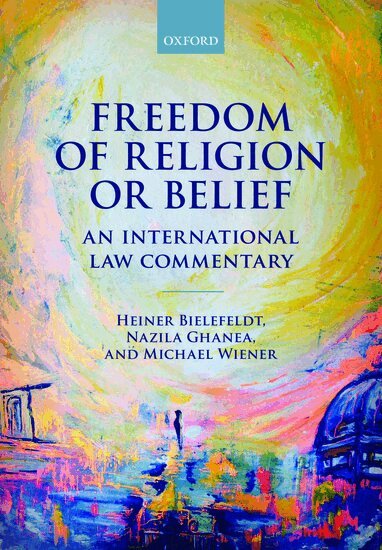
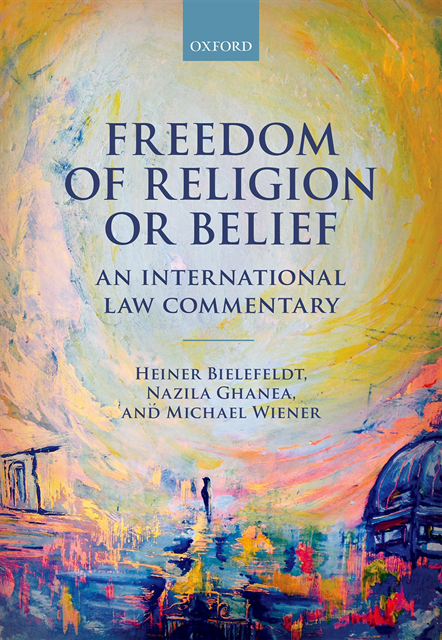
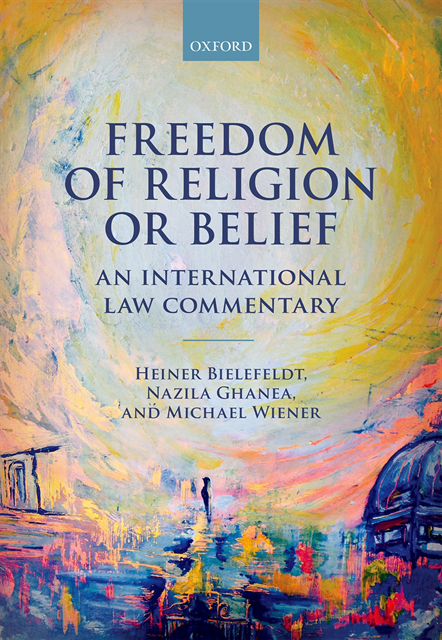
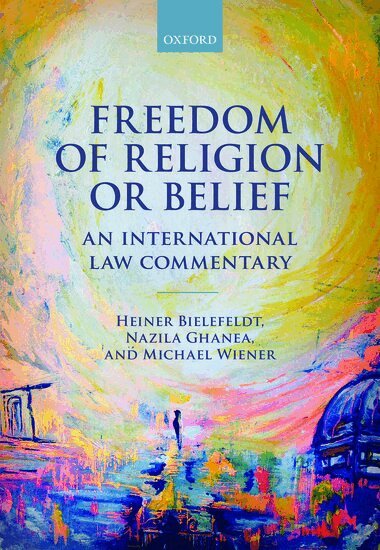
Violations of religious freedom and violence committed in the name of religion grab our attention on a daily basis. Freedom of religion or belief is a key human right: the International Covenant on Civil and Political Rights, numerous conventions, declarations and soft law standards include specific provisions on freedom of religion or belief. The 1981 Declaration on the Elimination of All Forms of Intolerance and of Discrimination Based on Religion or Belief has been interpreted since 1986 by the mandate of the UN Special Rapporteur on freedom of religion or belief. Special Rapporteurs (for example those on racism, freedom of expression, minority issues and cultural rights) and Treaty Bodies (for example the Human Rights Committee, the Committee on the Elimination of Racial Discrimination and the Committee on the Rights of the Child) have also elaborated on freedom of religion or belief in the context of their respective mandates. Freedom of Religion or Belief: An International Law Commentary is the first commentary to look comprehensively at the international provisions for the protection of freedom of religion or belief, considering how they are interpreted by various United Nations Special Procedures and Treaty Bodies. Structured around the thematic categories of the United Nations Special Rapporteur''s framework for communications, the commentary analyses, for example, the limitations on the wearing of religious symbols and vulnerable situations, including those of women, detainees, refugees, children, minorities and migrants, through a combination of scholarly expertise and practical experience.
E-bok
Engelska, 2016825 kr
Läs direkt efter köp
Violations of religious freedom and violence committed in the name of religion grab our attention on a daily basis. Freedom of religion or belief is a key human right: the International Covenant on Civil and Political Rights, numerous conventions, declarations and soft law standards include specific provisions on freedom of religion or belief. The 1981 Declaration on the Elimination of All Forms of Intolerance and of Discrimination Based on Religion or Belief has been interpreted since 1986 by the mandate of the UN Special Rapporteur on freedom of religion or belief. Special Rapporteurs (for example those on racism, freedom of expression, minority issues and cultural rights) and Treaty Bodies (for example the Human Rights Committee, the Committee on the Elimination of Racial Discrimination and the Committee on the Rights of the Child) have also elaborated on freedom of religion or belief in the context of their respective mandates. Freedom of Religion or Belief: An International Law Commentary is the first commentary to look comprehensively at the international provisions for the protection of freedom of religion or belief, considering how they are interpreted by various United Nations Special Procedures and Treaty Bodies. Structured around the thematic categories of the United Nations Special Rapporteur''s framework for communications, the commentary analyses, for example, the limitations on the wearing of religious symbols and vulnerable situations, including those of women, detainees, refugees, children, minorities and migrants, through a combination of scholarly expertise and practical experience.
Inbunden, Engelska, 2016
3 824 kr
Skickas inom 7-10 vardagar
Violations of religious freedom and violence committed in the name of religion grab our attention on a daily basis. Freedom of religion or belief is a key human right: the International Covenant on Civil and Political Rights, numerous conventions, declarations and soft law standards include specific provisions on freedom of religion or belief. The 1981 Declaration on the Elimination of All Forms of Intolerance and of Discrimination Based on Religion or Belief has been interpreted since 1986 by the mandate of the UN Special Rapporteur on freedom of religion or belief. Special Rapporteurs (for example those on racism, freedom of expression, minority issues and cultural rights) and Treaty Bodies (for example the Human Rights Committee, the Committee on the Elimination of Racial Discrimination and the Committee on the Rights of the Child) have also elaborated on freedom of religion or belief in the context of their respective mandates. Freedom of Religion or Belief: An International Law Commentary is the first commentary to look comprehensively at the international provisions for the protection of freedom of religion or belief, considering how they are interpreted by various United Nations Special Procedures and Treaty Bodies. Structured around the thematic categories of the United Nations Special Rapporteur's framework for communications, the commentary analyses, for example, the limitations on the wearing of religious symbols and vulnerable situations, including those of women, detainees, refugees, children, minorities and migrants, through a combination of scholarly expertise and practical experience.
Häftad, Engelska, 2017
883 kr
Skickas inom 7-10 vardagar
Violations of religious freedom and violence committed in the name of religion grab our attention on a daily basis. Freedom of religion or belief is a key human right: the International Covenant on Civil and Political Rights, numerous conventions, declarations and soft law standards include specific provisions on freedom of religion or belief. The 1981 Declaration on the Elimination of All Forms of Intolerance and of Discrimination Based on Religion or Belief has been interpreted since 1986 by the mandate of the UN Special Rapporteur on freedom of religion or belief. Special Rapporteurs (for example those on racism, freedom of expression, minority issues and cultural rights) and Treaty Bodies (for example the Human Rights Committee, the Committee on the Elimination of Racial Discrimination and the Committee on the Rights of the Child) have also elaborated on freedom of religion or belief in the context of their respective mandates. Freedom of Religion or Belief: An International Law Commentary is the first commentary to look comprehensively at the international provisions for the protection of freedom of religion or belief, considering how they are interpreted by various United Nations Special Procedures and Treaty Bodies. Structured around the thematic categories of the United Nations Special Rapporteur's framework for communications, the commentary analyses, for example, the limitations on the wearing of religious symbols and vulnerable situations, including those of women, detainees, refugees, children, minorities and migrants, through a combination of scholarly expertise and practical experience.
E-bok
PDF, Engelska, 2013570 kr
Läs direkt efter köp
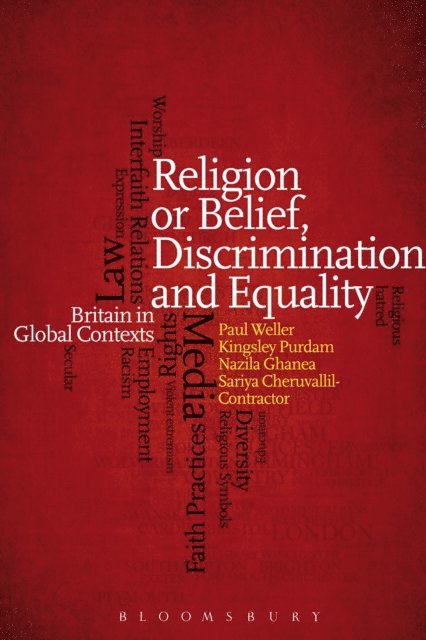
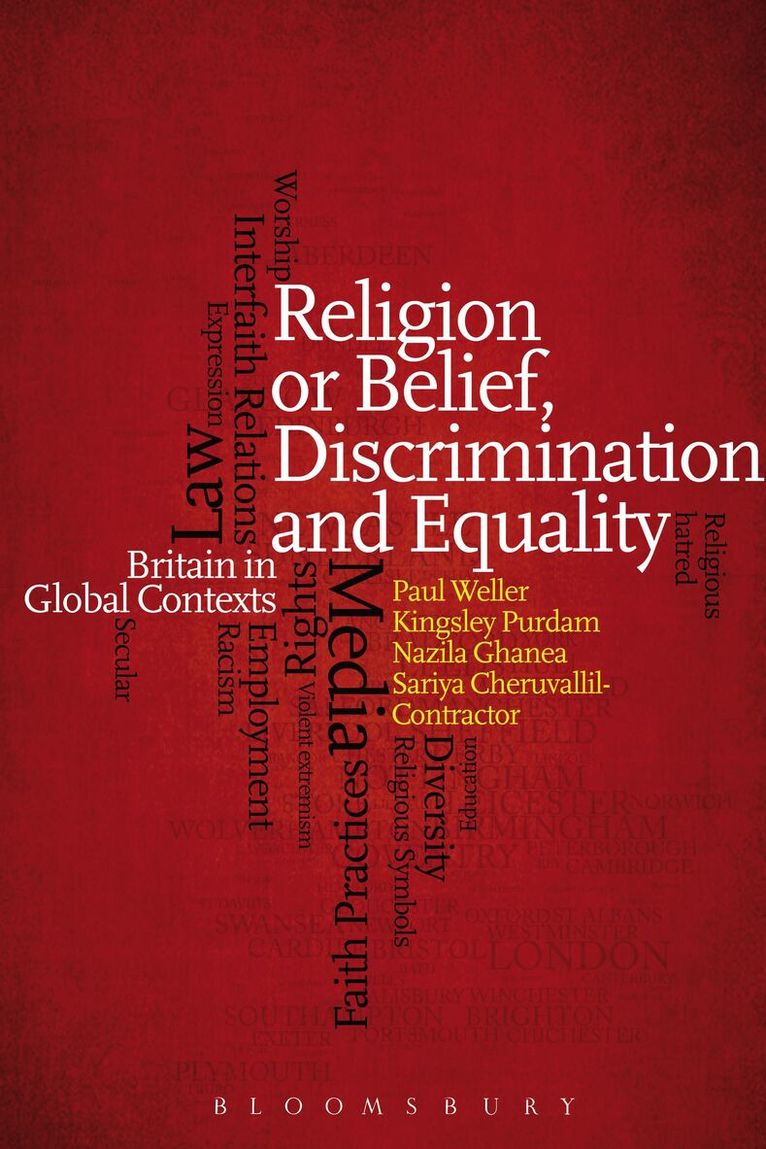
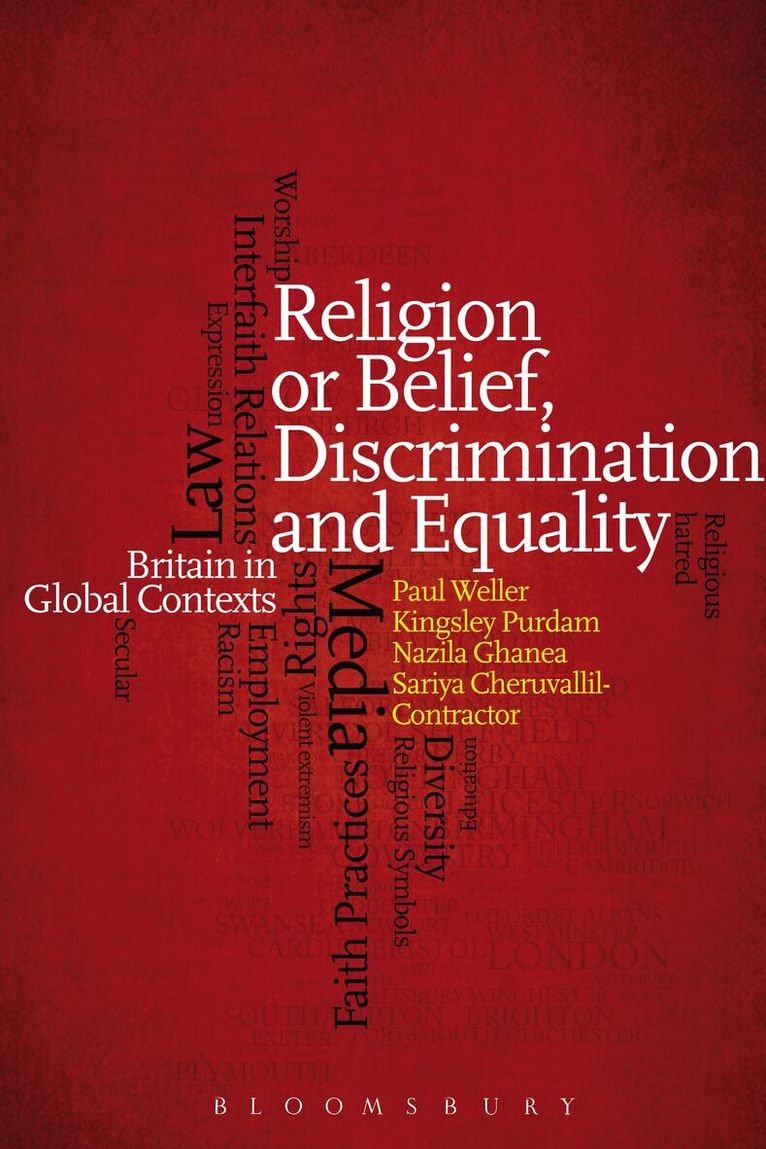
In recent years, controversial issues related to religion or belief, discrimination, equality and human rights have come to the fore, especially in the context of public debates around multiculturalism following the 'social policy shock' created by the impact of violent religious extremism. For example should there be restrictions on what people can wear in the work place based on their religious identity? Should religious organizations be exempt from aspects of equalities legislation which are not in line with their beliefs and values? How should non-religious identities be recognized?In the context of increasing cultural and religion or belief diversity, it is vitally important for the future to understand the nature and extent of discrimination and unfair treatment on the grounds of religion or belief, and to assess the adequacy of policies, practices and laws designed to tackle this. This includes the overlap of religion or belief identities with other aspects of people's identity including characteristics such as age, disability, race, sex and sexual orientation which can also be legally protected.This volume is a benchmark publication on religion, discrimination and equality. It includes data and insights derived from the fieldwork, focus groups and questionnaire survey of a recent national research project in Britain. Its analysis presents a unique insight into continuity and change in people's reported experience over a decade of equalities legislation and political and social change of unfair treatment on the basis of religion or belief. Grounded in empirical and contextualized data, its findings are placed in the context of European and international human rights law. Its findings will be of special interest to both scholars and practitioners working in the specific fields of education, employment, the media, criminal justice and immigration, housing, health care, social services, and funding, as well as in the broader fields of religion or belief, the law and public policy.
Inbunden, Engelska, 2013
1 937 kr
Skickas inom 10-15 vardagar
In recent years, controversial issues related to religion or belief, discrimination, equality and human rights have come to the fore, especially in the context of public debates around multiculturalism following the ‘social policy shock’ created by the impact of violent religious extremism. For example should there be restrictions on what people can wear in the work place based on their religious identity? Should religious organizations be exempt from aspects of equalities legislation which are not in line with their beliefs and values? How should non-religious identities be recognized?In the context of increasing cultural and religion or belief diversity, it is vitally important for the future to understand the nature and extent of discrimination and unfair treatment on the grounds of religion or belief, and to assess the adequacy of policies, practices and laws designed to tackle this. This includes the overlap of religion or belief identities with other aspects of people’s identity including characteristics such as age, disability, race, sex and sexual orientation which can also be legally protected.This volume is a benchmark publication on religion, discrimination and equality. It includes data and insights derived from the fieldwork, focus groups and questionnaire survey of a recent national research project in Britain. Its analysis presents a unique insight into continuity and change in people’s reported experience over a decade of equalities legislation and political and social change of unfair treatment on the basis of religion or belief. Grounded in empirical and contextualized data, its findings are placed in the context of European and international human rights law. Its findings will be of special interest to both scholars and practitioners working in the specific fields of education, employment, the media, criminal justice and immigration, housing, health care, social services, and funding, as well as in the broader fields of religion or belief, the law and public policy.
Häftad, Engelska, 2015
545 kr
Skickas inom 10-15 vardagar
In recent years, controversial issues related to religion or belief, discrimination, equality and human rights have come to the fore, especially in the context of public debates around multiculturalism following the ‘social policy shock’ created by the impact of violent religious extremism. For example should there be restrictions on what people can wear in the work place based on their religious identity? Should religious organizations be exempt from aspects of equalities legislation which are not in line with their beliefs and values? How should non-religious identities be recognized?In the context of increasing cultural and religion or belief diversity, it is vitally important for the future to understand the nature and extent of discrimination and unfair treatment on the grounds of religion or belief, and to assess the adequacy of policies, practices and laws designed to tackle this. This includes the overlap of religion or belief identities with other aspects of people’s identity including characteristics such as age, disability, race, sex and sexual orientation which can also be legally protected.This volume is a benchmark publication on religion, discrimination and equality. It includes data and insights derived from the fieldwork, focus groups and questionnaire survey of a recent national research project in Britain. Its analysis presents a unique insight into continuity and change in people’s reported experience over a decade of equalities legislation and political and social change of unfair treatment on the basis of religion or belief. Grounded in empirical and contextualized data, its findings are placed in the context of European and international human rights law. Its findings will be of special interest to both scholars and practitioners working in the specific fields of education, employment, the media, criminal justice and immigration, housing, health care, social services, and funding, as well as in the broader fields of religion or belief, the law and public policy.
Häftad, Engelska, 2003
550 kr
Skickas inom 10-15 vardagar
The themes and issues explored in this book - religion, human rights, politics and society could not be more relevant to the post 11 September 2001 world. They lie at the heart of global political debate today.The collection explores these issues after the passing of just over two decades from the adoption of the United Nations Declaration on the Elimination of all Forms of Intolerance and Discrimination based on Religion or Belief. That declaration set out minimum international standards for the elimination of such discrimination. Sadly the challenge of intolerance on the basis of religion or belief continues to plague us, and tackling it seems to have become increasingly entrenched.The complexity of this phenomenon requires expertise from different quarters. This collection draws from diplomatic, activist and theological quarters and benefits from the analysis of scholars of law, history, religious studies and sociology.The ten chapters of this collection examine the relationship between human rights, law and religion; offer a typology for the study of religious persecution; problematise the consequences flowing from religious establishment in religiously plural society; analyse the implications of the directions being taken by the jurisprudence of the European Court of Human Rights and the protections offered by the European Commission council Directive 2000/43/EC outlawing workplace discrimination; study the 1981 Declaration and its promotion through the work of the UN Special Rapporteur on Freedom of Religion or Belief; and explore the intricacies of this freedom in detail from within the context of the United Kingdom and The Netherlands.
E-bok
PDF, Engelska, 20042 111 kr
Läs direkt efter köp
The themes and issues explored in this book - religion, human rights, politics and society could not be more relevant to the post 11 September 2001 world. They lie at the heart of global political debate today.The collection explores these issues after the passing of just over two decades from the adoption of the United Nations Declaration on the Elimination of all Forms of Intolerance and Discrimination based on Religion or Belief. That declaration set out minimum international standards for the elimination of such discrimination. Sadly the challenge of intolerance on the basis of religion or belief continues to plague us, and tackling it seems to have become increasingly entrenched.The complexity of this phenomenon requires expertise from different quarters. This collection draws from diplomatic, activist and theological quarters and benefits from the analysis of scholars of law, history, religious studies and sociology.The ten chapters of this collection examine the relationship between human rights, law and religion; offer a typology for the study of religious persecution; problematise the consequences flowing from religious establishment in religiously plural society; analyse the implications of the directions being taken by the jurisprudence of the European Court of Human Rights and the protections offered by the European Commission council Directive 2000/43/EC outlawing workplace discrimination; study the 1981 Declaration and its promotion through the work of the UN Special Rapporteur on Freedom of Religion or Belief; and explore the intricacies of this freedom in detail from within the context of the United Kingdom and The Netherlands.