Neil J. Diamant - Böcker
Visar alla böcker från författaren Neil J. Diamant. Handla med fri frakt och snabb leverans.
7 produkter
7 produkter
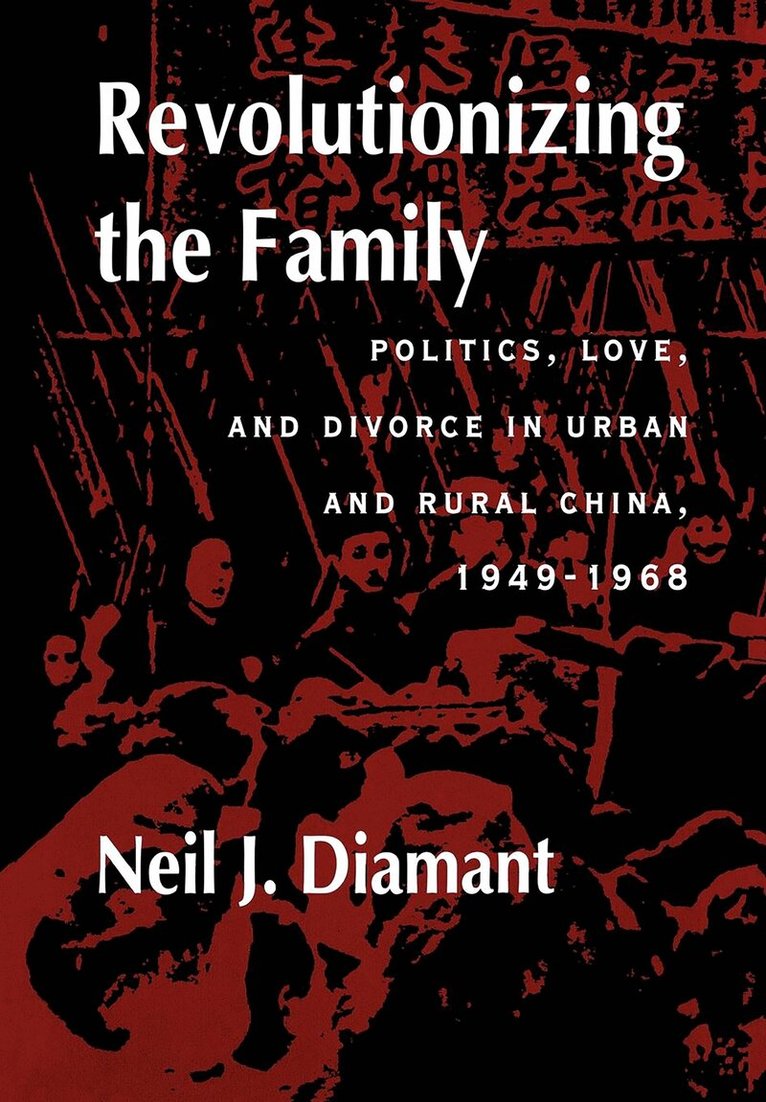
Revolutionizing the Family
Politics, Love, and Divorce in Urban and Rural China, 1949–1968
Inbunden, Engelska, 2000
1 196 kr
Skickas inom 3-6 vardagar
In 1950, China's new Communist government enacted a Marriage Law to allow free choice in marriage and easier access to divorce. Prohibiting arranged marriages, concubinage, and bigamy, it was one of the most dramatic efforts ever by a state to change marital and family relationships. In this comprehensive study of the effects of that law, Neil J. Diamant draws on newly opened urban and rural archival sources to offer a detailed analysis of how the law was interpreted and implemented throughout the country. In sharp contrast to previous studies of the Marriage Law, which have argued that it had little effect in rural areas, Diamant argues that the law reshaped marriage and family relationships in significant--but often unintended--ways throughout the Maoist period. His evidence reveals a confused and often conflicted state apparatus, as well as cases of Chinese men and women taking advantage of the law to justify multiple sexual encounters, to marry for beauty, to demand expensive gifts for engagement, and to divorce on multiple occasions.Moreover, he finds, those who were best placed to use the law's more liberal provisions were not well-educated urbanites but rather illiterate peasant women who had never heard of sexual equality; and it was poor men, not women, who were those most betrayed by the peasant-based revolution.
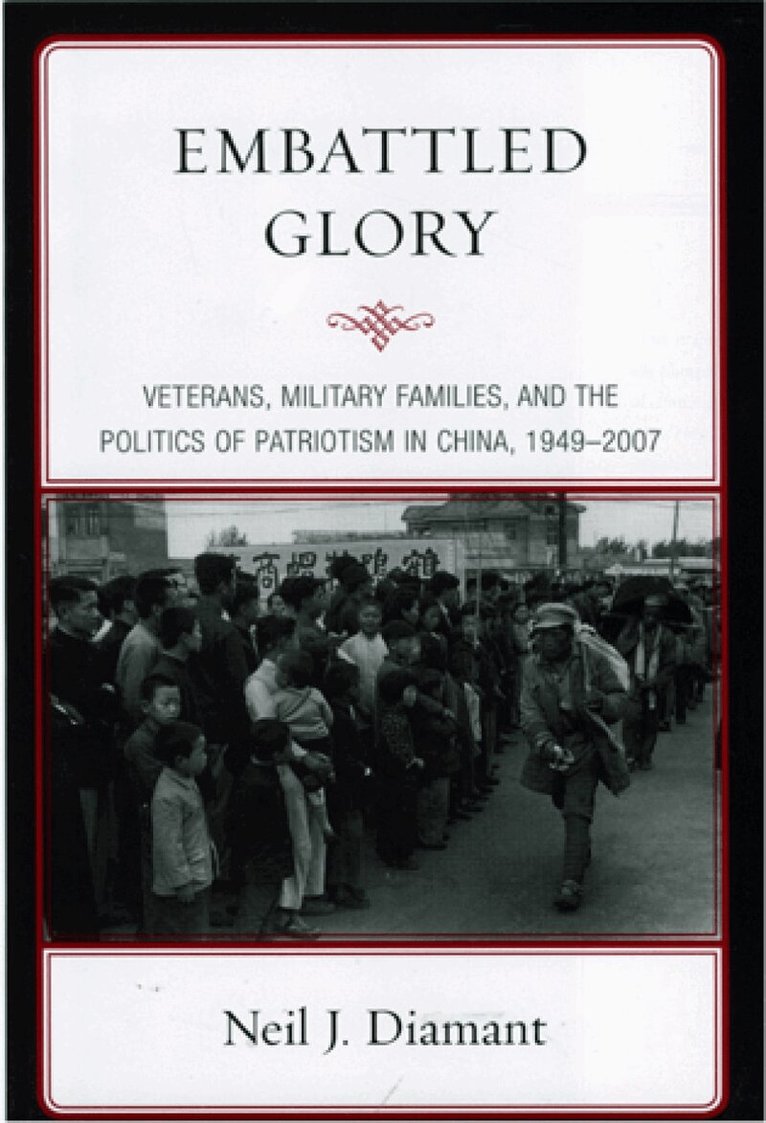
Embattled Glory
Veterans, Military Families, and the Politics of Patriotism in China, 1949–2007
Häftad, Engelska, 2010
695 kr
Skickas inom 10-15 vardagar
This groundbreaking book examines the treatment of veterans of the People's Liberation Army and military families as an illuminating window into Chinese patriotism, citizenship, and legitimacy. Using a wealth of recently declassified archival documents and employing a wide comparative perspective, Neil J. Diamant presents the first large-scale study of these groups in comparison to similar populations in other parts of Asia and in the West. He offers an unprecedented look at the "everyday interactions" among veterans, military families, state officials, and ordinary citizens as they attempted to secure urban residence, jobs, spouses, medical care, and respect. Often celebrated by the government for their glorious and patriotic service, veterans and military families were the beneficiaries of many policies, such as affirmative action in hiring and access to political power. But, the author asks, if veteran and military families were heroic, why did many of them compare their situation to "donkeys slaughtered after grinding the wheat" and "tossed-away dirty socks?" And what explains the thousands of suicides among veterans, rampant discrimination, and ongoing protests against the government? By comparing veterans in China to their counterparts in the United States, the Soviet Union, Israel, and elsewhere, this book provides important answers to the larger question of what circumstances lead to better or worse treatment of veterans, and what this treatment tells us about patriotism, legitimacy, and respect for military service.
1 168 kr
Skickas inom 7-10 vardagar
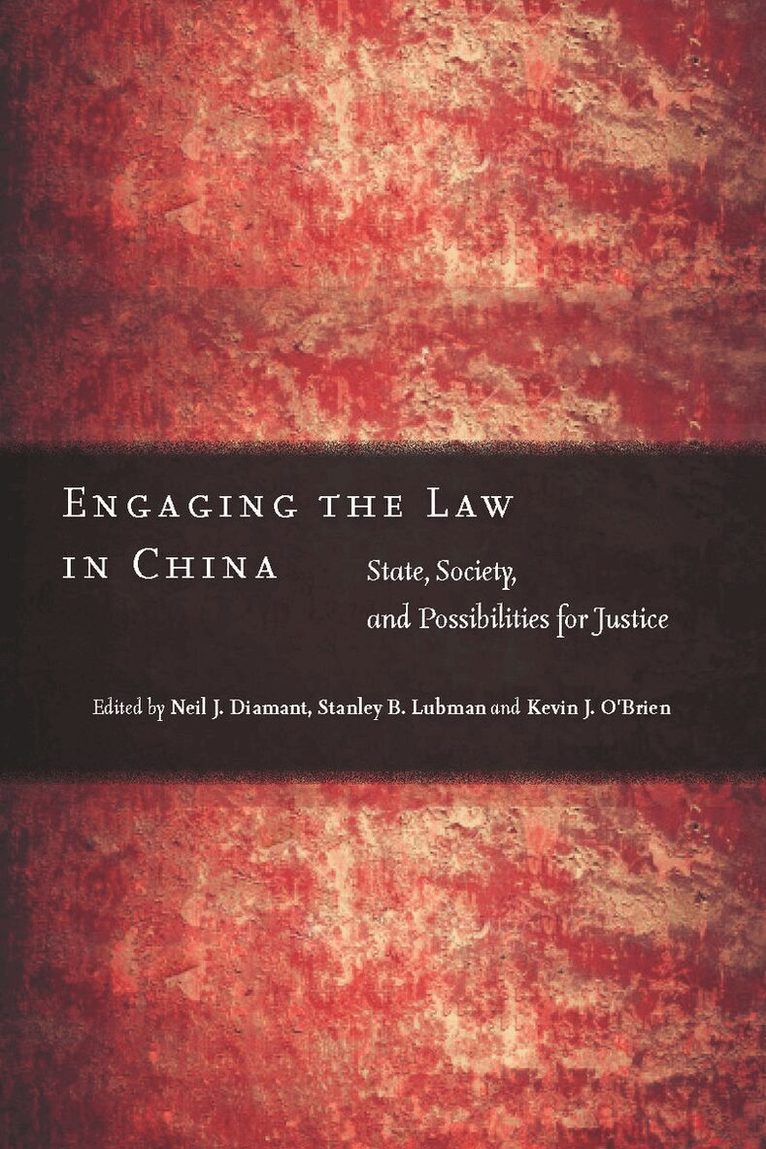
This interdisciplinary book of essays addresses critical issues arising from the emergence of legal process and legal institutions in contemporary China. The introduction by the editors and the individual chapters attempt, for the first time, to bring to bear on the study of Chinese law the law-and-society scholarship that has enriched Western legal studies.
285 kr
Skickas inom 7-10 vardagar
This interdisciplinary book of essays addresses critical issues arising from the emergence of legal process and legal institutions in contemporary China. The introduction by the editors and the individual chapters attempt, for the first time, to bring to bear on the study of Chinese law the law-and-society scholarship that has enriched Western legal studies.
474 kr
Skickas inom 10-15 vardagar
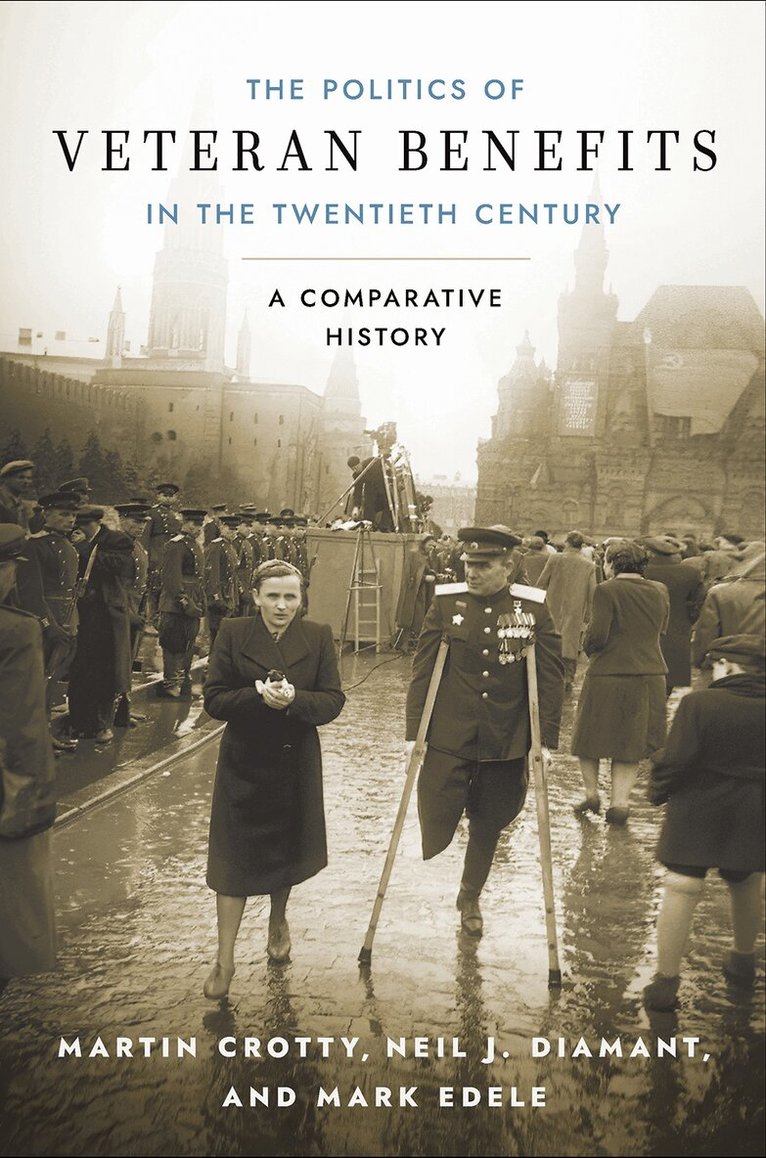
What happened to veterans of the nations involved in the world wars? How did they fare when they returned home and needed benefits? How were they recognized—or not—by their governments and fellow citizens? Where and under what circumstances did they obtain an elevated postwar status?In this sophisticated comparative history of government policies regarding veterans, Martin Crotty, Neil J. Diamant, and Mark Edele examine veterans' struggles for entitlements and benefits in the United States, the United Kingdom, Japan, Taiwan, the Soviet Union, China, Germany, and Australia after both global conflicts. They illuminate how veterans' success or failure in winning benefits were affected by a range of factors that shaped their ability to exert political influence. Some veterans' groups fought politicians for improvements to their postwar lives; this lobbying, the authors show, could set the foundation for beneficial veteran treatment regimes or weaken the political forces proposing unfavorable policies. The authors highlight cases of veterans who secured (and in some cases failed to secure) benefits and status after wars both won and lost; within both democratic and authoritarian polities; under liberal, conservative, and even Leninist governments; after wars fought by volunteers or conscripts, at home or abroad, and for legitimate or subsequently discredited causes. Veterans who succeeded did so, for the most part, by forcing their agendas through lobbying, protesting, and mobilizing public support. The Politics of Veteran Benefits in the Twentieth Century provides a large-scale map for a research field with a future: comparative veteran studies.
1 563 kr
Skickas inom 10-15 vardagar
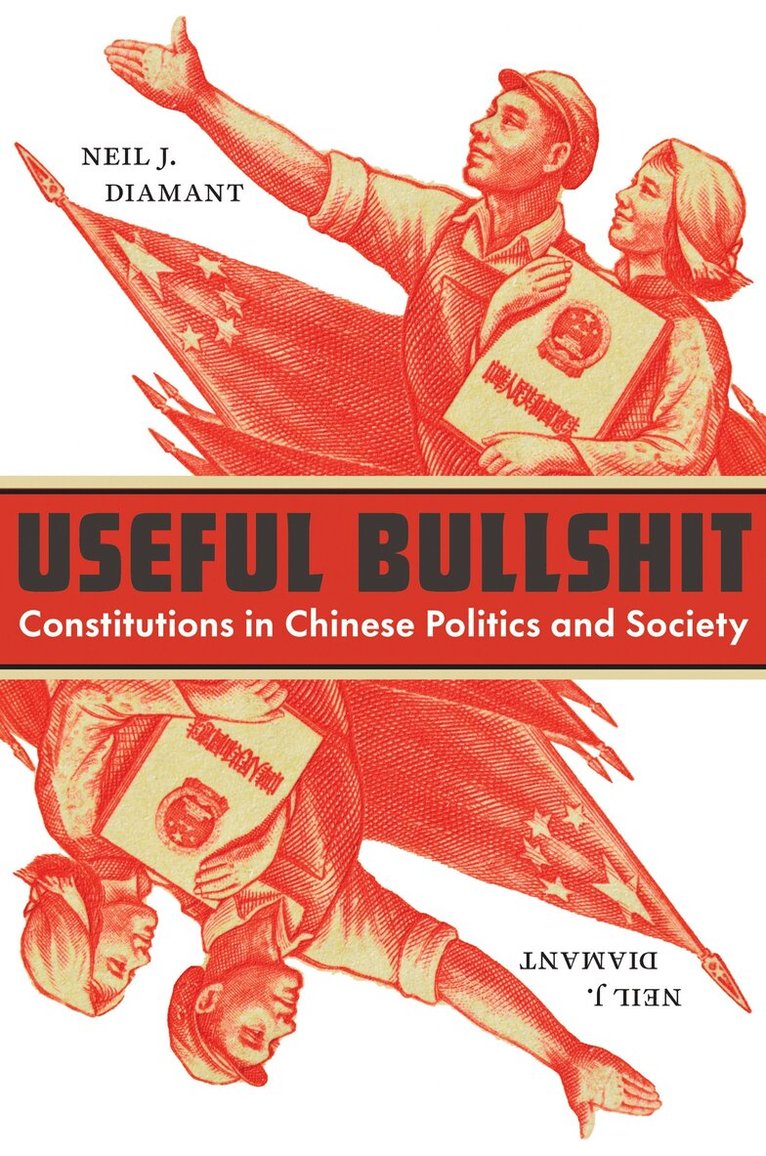
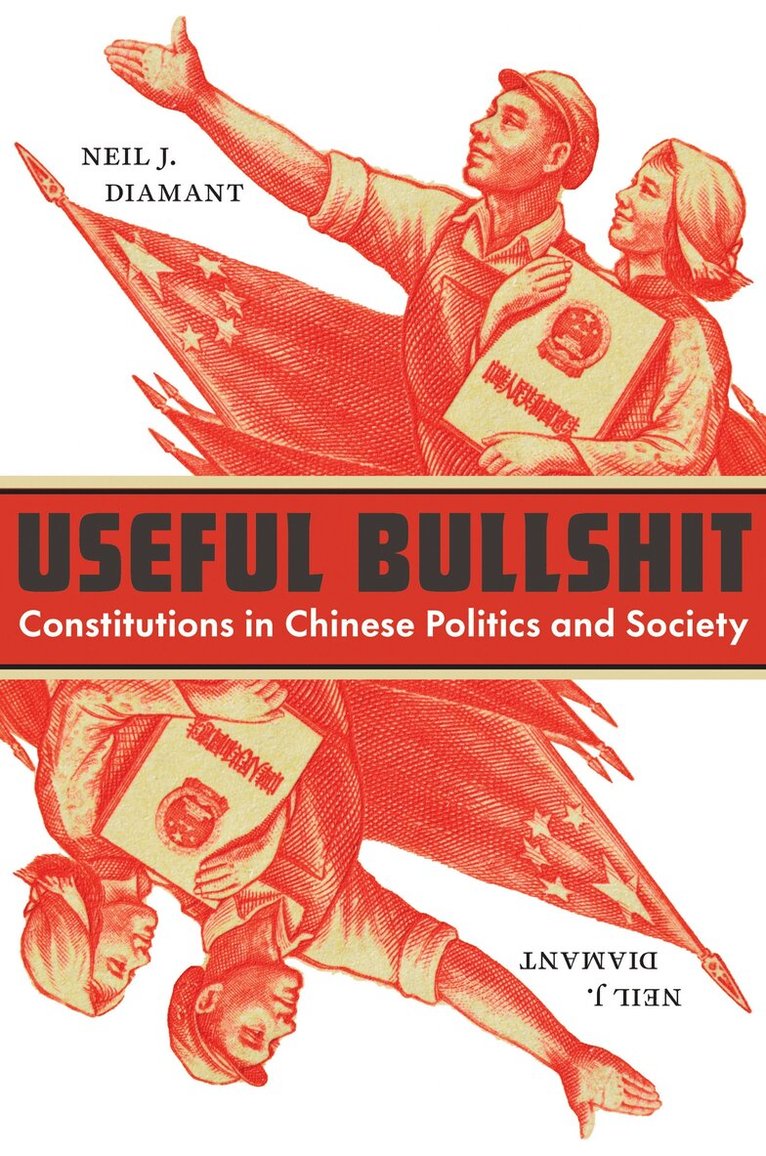
In Useful Bullshit Neil J. Diamant pulls back the curtain on early constitutional conversations between citizens and officials in the PRC. Scholars have argued that China, like the former USSR, promulgated constitutions to enhance its domestic and international legitimacy by opening up the constitution-making process to ordinary people, and by granting its citizens political and socioeconomic rights. But what did ordinary officials and people say about their constitutions and rights? Did constitutions contribute to state legitimacy? Over the course of four decades, the PRC government encouraged millions of citizens to pose questions about, and suggest revisions to, the draft of a new constitution. Seizing this opportunity, people asked both straightforward questions like "what is a state?", but also others that, through implication, harshly criticized the document and the government that sponsored it. They pressed officials to clarify the meaning of words, phrases, and ideas in the constitution, proposing numerous revisions. Despite many considering the document "bullshit," successive PRC governments have promulgated it, amending the constitution, debating it at length, and even inaugurating a "Constitution Day."Drawing upon a wealth of archival sources from the Maoist and reform eras, Diamant deals with all facets of this constitutional discussion, as well as its afterlives in the late '50s, the Cultural Revolution, and the post-Mao era. Useful Bullshit illuminates how the Chinese government understands and makes use of the constitution as a political document, and how a vast array of citizens—police, workers, university students, women, and members of different ethnic and religious groups—have responded.
323 kr
Skickas inom 10-15 vardagar
In Useful Bullshit Neil J. Diamant pulls back the curtain on early constitutional conversations between citizens and officials in the PRC. Scholars have argued that China, like the former USSR, promulgated constitutions to enhance its domestic and international legitimacy by opening up the constitution-making process to ordinary people, and by granting its citizens political and socioeconomic rights. But what did ordinary officials and people say about their constitutions and rights? Did constitutions contribute to state legitimacy? Over the course of four decades, the PRC government encouraged millions of citizens to pose questions about, and suggest revisions to, the draft of a new constitution. Seizing this opportunity, people asked both straightforward questions like "what is a state?", but also others that, through implication, harshly criticized the document and the government that sponsored it. They pressed officials to clarify the meaning of words, phrases, and ideas in the constitution, proposing numerous revisions. Despite many considering the document "bullshit," successive PRC governments have promulgated it, amending the constitution, debating it at length, and even inaugurating a "Constitution Day."Drawing upon a wealth of archival sources from the Maoist and reform eras, Diamant deals with all facets of this constitutional discussion, as well as its afterlives in the late '50s, the Cultural Revolution, and the post-Mao era. Useful Bullshit illuminates how the Chinese government understands and makes use of the constitution as a political document, and how a vast array of citizens—police, workers, university students, women, and members of different ethnic and religious groups—have responded.