Neil J. Ormerod – författare
Visar alla böcker från författaren Neil J. Ormerod. Handla med fri frakt och snabb leverans.
5 produkter
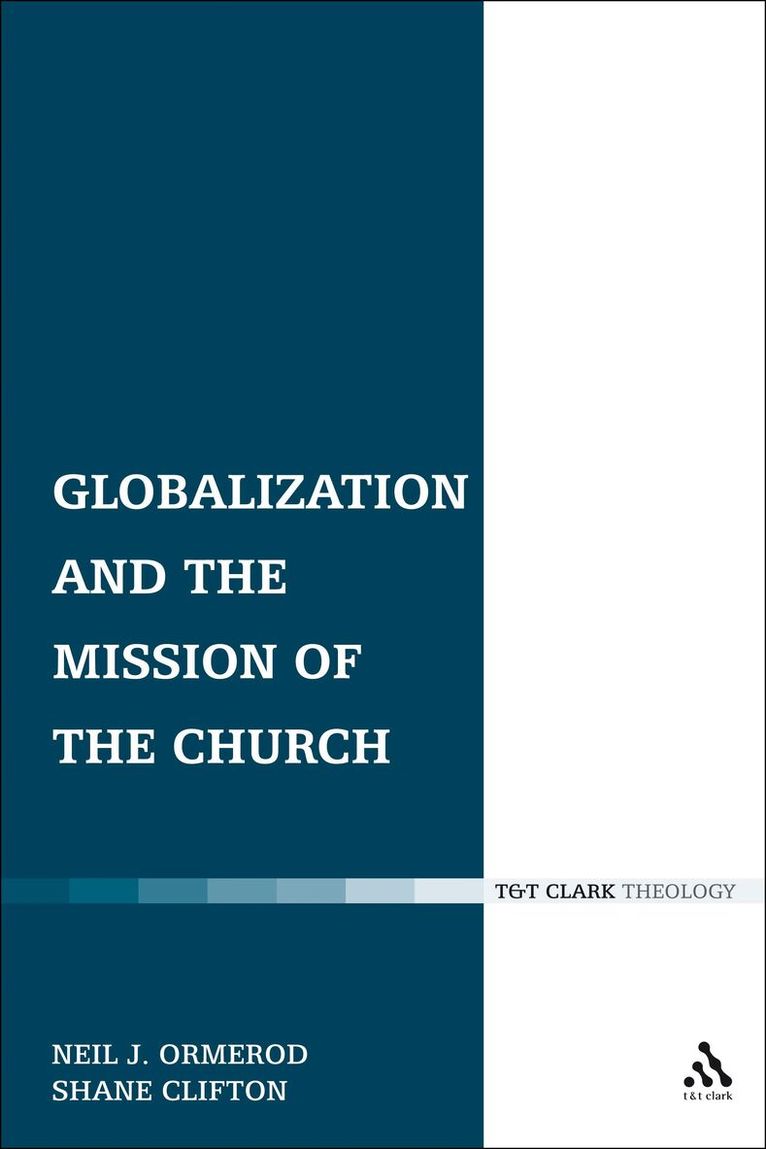
Globalization and the Mission of the Church
Av Neil J. Ormerod, Shane Clifton m. fl.
Inbunden, 2009
2125 kr
Lägg i varukorg
Various social, political, economic and cultural commentators are presently arguing that human history is reaching a decisive stage in its development, a stage marked by increased interconnection between peoples, the compression of space and time, a sharing of ideas at unprecedented levels, global …
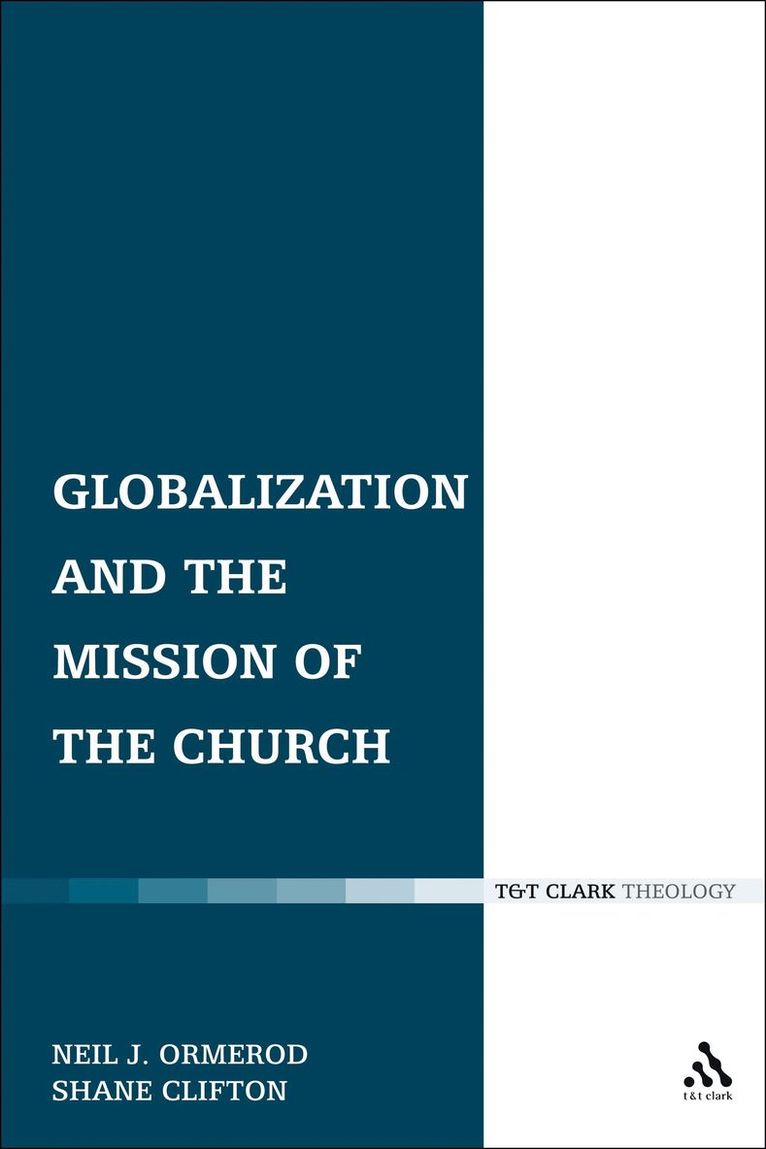
Globalization and the Mission of the Church
Av Neil J. Ormerod, Shane Clifton m. fl.
Häftad, 2011
558 kr
Lägg i varukorg
Various social, political, economic and cultural commentators are presently arguing that human history is reaching a decisive stage in its development, a stage marked by increased interconnection between peoples, the compression of space and time, a sharing of ideas at unprecedented levels, global …
Globalization and the Mission of the Church
Av Neil J. Ormerod, Shane Clifton
E-bok, 2009
608 kr
Lägg i varukorg
Various social, political, economic and cultural commentators are presently arguing that human history is reaching a decisive stage in its development, a stage marked by increased interconnection between peoples, the compression of space and time, a sharing of ideas at unprecedented levels, global …
Globalization and the Mission of the Church
Av Neil J. Ormerod, Shane Clifton
E-bok, 2011
608 kr
Lägg i varukorg
Various social, political, economic and cultural commentators are presently arguing that human history is reaching a decisive stage in its development, a stage marked by increased interconnection between peoples, the compression of space and time, a sharing of ideas at unprecedented levels, global …
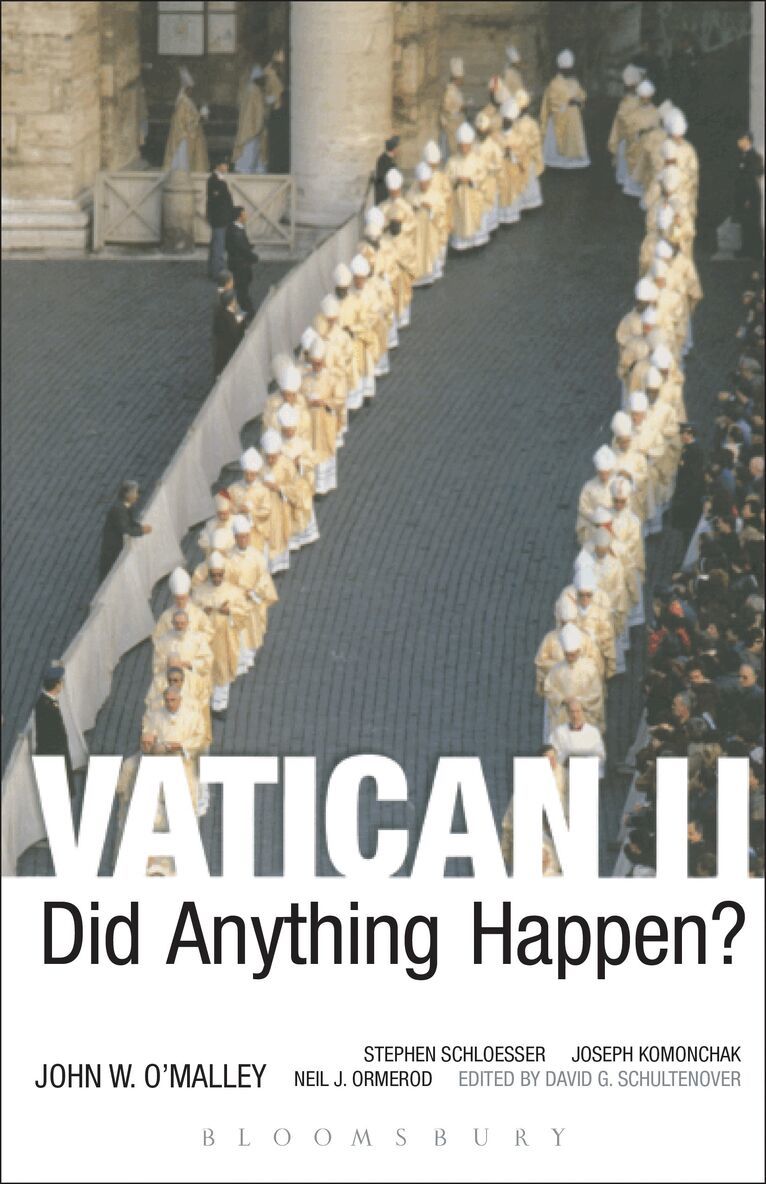
Vatican II
Did Anything Happen?
Av John W. O'Malley, Joseph Komonchak m. fl.
Häftad, 2008
360 kr
Lägg i varukorg
For 40 years a battle has been waged over Vatican II between conservatives and liberals, between those who want to go "back to the sources" and those who champion "the spirit of the council." Benedict XVI is clearly one of those who started out as a liberal only to end up in the conservative camp. …