Neil Vallelly – författare
Visar alla böcker från författaren . Handla med fri frakt och snabb leverans.
2 produkter
2 produkter
Häftad, Engelska, 2025
716 kr
Skickas inom 3-6 vardagar
Since 1980, the peoples of Aotearoa New Zealand have fundamentally changed through new policies and new patterns of migration - from a largely Pakeha population with 10 per cent Maori in 1980 to today's megadiversity, with new residents from Asia, the Pacific and the rest of the world. Immigration has had a profound impact on New Zealand's society, economy, and place in the world.Edges of Empire is an in-depth account of the social, political and economic context within which these transformations in policy and population took place. Drawing on interviews with fifteen former Ministers of Immigration, this book reveals the intricacies of politics and policy-making that have led to New Zealand's relatively open and economically driven approach towards migration.Written by three leading social scientists, Edges of Empire provides an insightful account of who is included in Aotearoa New Zealand and under what conditions.
Inbunden, Engelska, 2021
361 kr
Tillfälligt slut
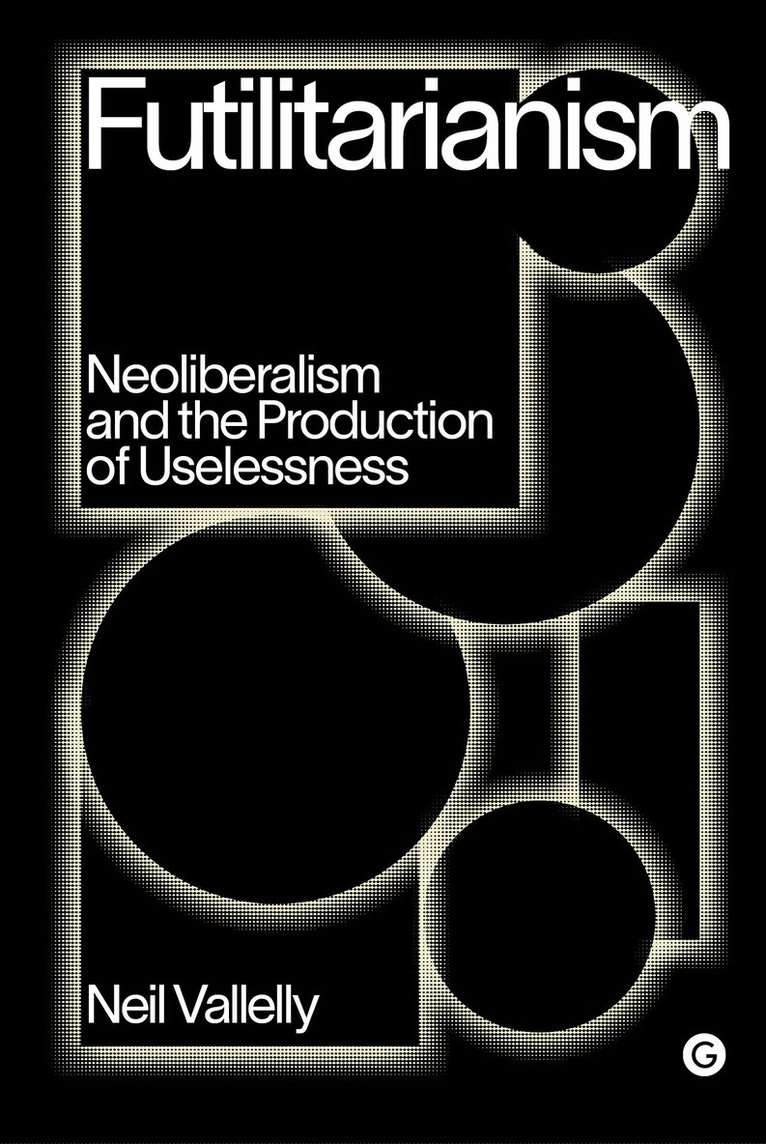
A proposal for countering the futility of neoliberal existence to build an egalitarian, sustainable, and hopeful future.If maximizing utility leads to the greatest happiness of the greatest number of people, as utilitarianism has always proposed, then why is it that as many of us currently maximize our utility--by working endlessly, undertaking further education and training, relentlessly marketing and selling ourselves--we are met with the steady worsening of collective social and economic conditions? In Futilitarianism, social and political theorist Neil Vallelly eloquently tells the story of how neoliberalism transformed the relationship between utility maximization and the common good. Drawing on a vast array of contemporary examples, from self-help literature and marketing jargon to political speeches and governmental responses to the COVID-19 pandemic, Vallelly coins several terms--including "the futilitarian condition," "homo futilitus," and "semio-futility"--to demonstrate that in the neoliberal decades, the practice of utility maximization traps us in useless and repetitive behaviors that foreclose the possibility of collective happiness. This urgent and provocative book chimes with the mood of the time by at once mapping the historical relationship between utilitarianism and capitalism, developing an original framework for understanding neoliberalism, and recounting the lived experience of uselessness in the early twenty-first century. At a time of epoch-defining disasters, from climate emergencies to deadly pandemics, countering the futility of neoliberal existence is essential to building an egalitarian, sustainable, and hopeful future.