Niamh Nic Daeid – författare
Visar alla böcker från författaren Niamh Nic Daeid. Handla med fri frakt och snabb leverans.
14 produkter
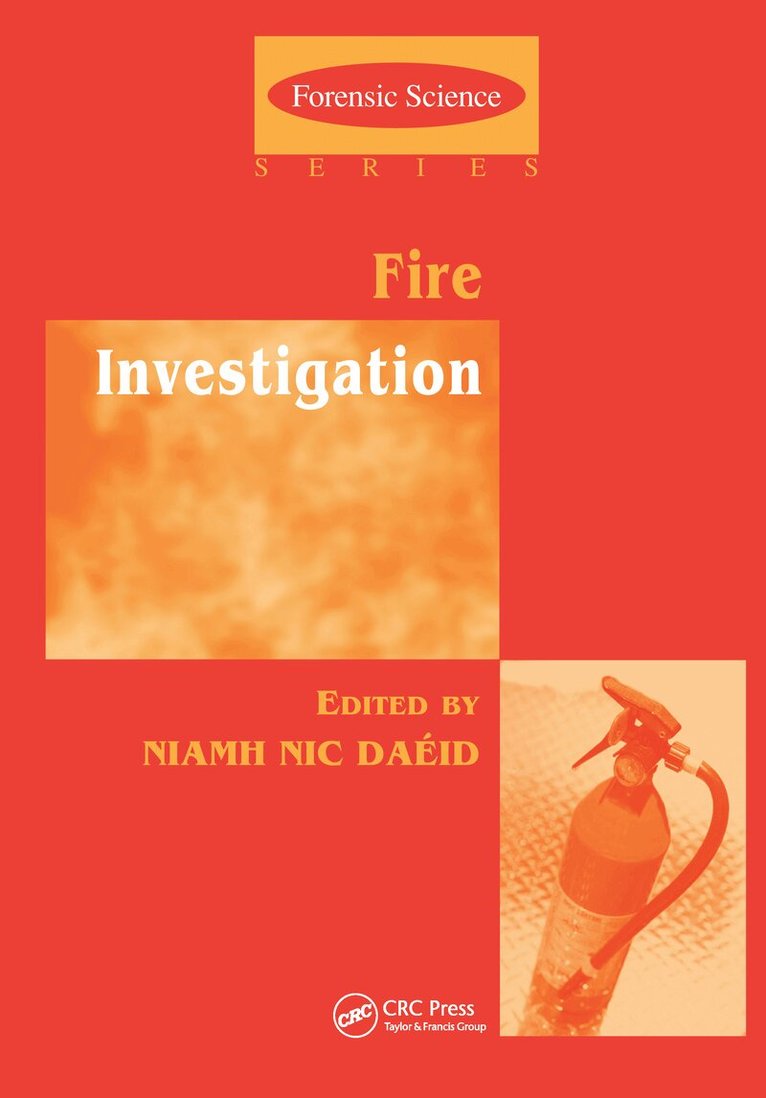
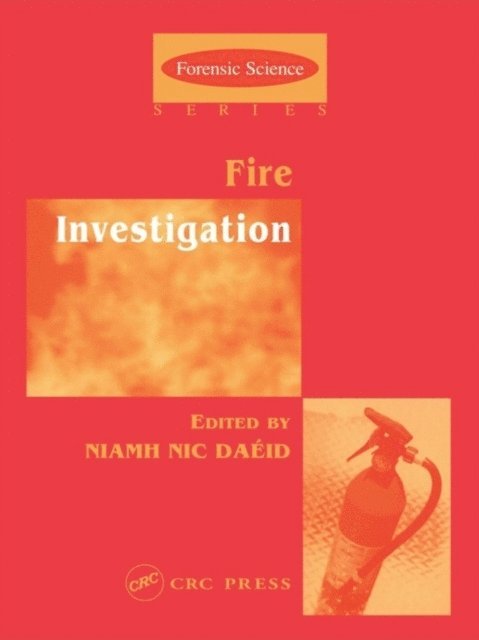
Fire Investigation
Inbunden, 2004
2736 kr
Lägg i varukorg
Fire Investigation covers the concepts and theories used to determine a specfic fire has been deliberately or accidentally set. The author clearly explains the concepts needed to gain insight into a fire scene investigation, including the dynamics of the fire, the necessary conditions for a fire to …
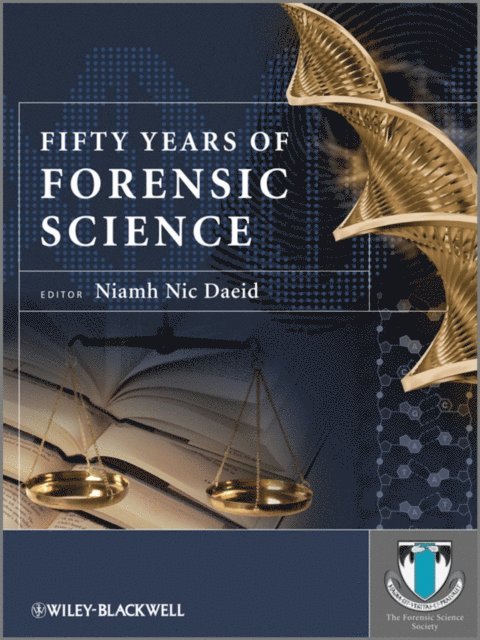
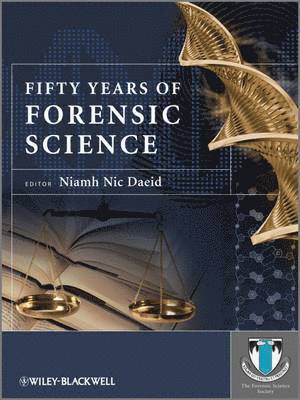
Fifty Years of Forensic Science
A Commentary
E-bok, 2010
1303 kr
Lägg i varukorg
Over the last half century, the science and practice of forensic science has undergone dramatic changes. Since the early 1960s the technological developments and their application to forensic science have been immense. Not only that, the application of science within a legal context and framework …
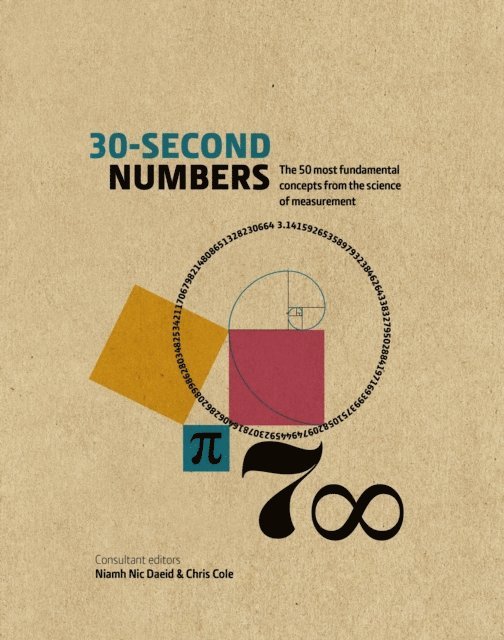
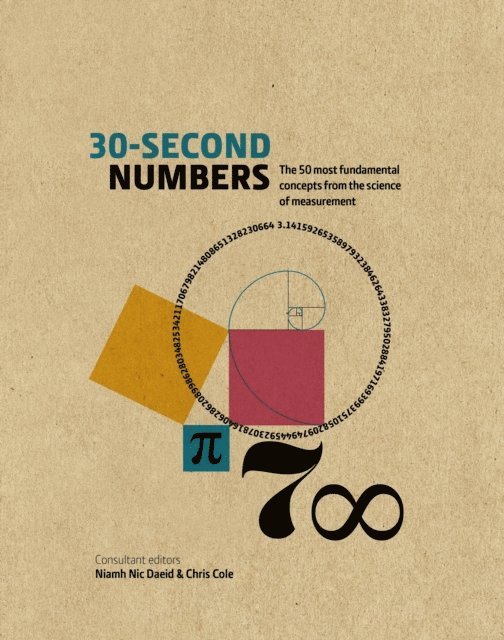
30-Second Numbers
The 50 key topics for understanding numbers and how we use them
Av Niamh Nic Daeid, Christian Cole
E-bok, 2020
265 kr
Lägg i varukorg
The successful 30-Second series tackles numbers, with experts on maths and data demystifying the essential numerical topics.We know that we use numbers pretty often, some of us confidently, others reluctantly. But are we aware of just how essential they are to almost every decision we make? …
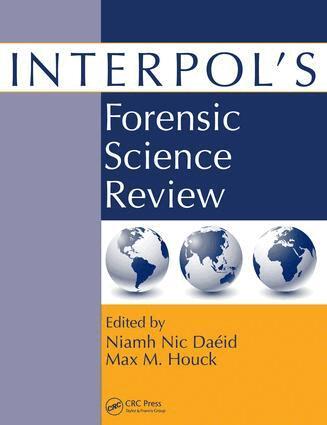
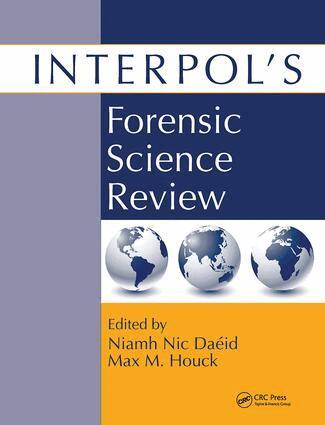
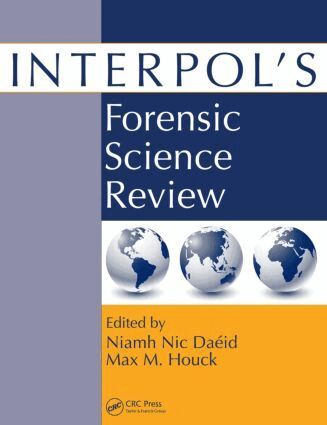
Interpol's Forensic Science Review
E-bok, 2017
3269 kr
Lägg i varukorg
Every three years, worldwide forensics experts gather at the Interpol Forensic Science Symposium to exchange ideas and discuss scientific advances in the field of forensic science and criminal justice. Drawn from contributions made at the latest gathering in Lyon, France, Interpol's Forensic …
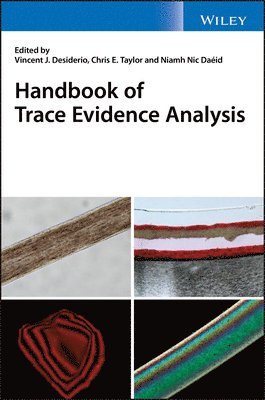
Handbook of Trace Evidence Analysis
Av Vincent J. Desiderio, Vincent J. Desiderio m. fl.
Inbunden, 2020
1401 kr
Lägg i varukorg
Covers new trace evidence techniques and expanding areas of analysis, along with key theory and applicationsDeveloped around the need for updated information in the disciplines of trace evidence the Handbook of Trace Evidence Analysis focuses on the increasing awareness and need for validation, …
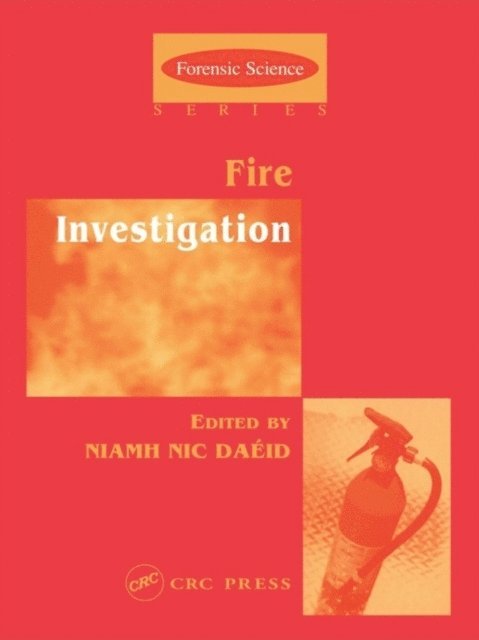
Fire Investigation
E-bok, 2004
2820 kr
Lägg i varukorg
Fire Investigation covers the concepts and theories used to determine a specfic fire has been deliberately or accidentally set. The author clearly explains the concepts needed to gain insight into a fire scene investigation, including the dynamics of the fire, the necessary conditions for a fire to …
Fire Investigation
E-bok, 2004
2820 kr
Lägg i varukorg
Fire Investigation covers the concepts and theories used to determine a specfic fire has been deliberately or accidentally set. The author clearly explains the concepts needed to gain insight into a fire scene investigation, including the dynamics of the fire, the necessary conditions for a fire to …
Interpol's Forensic Science Review
Inbunden, 2017
3065 kr
Lägg i varukorg
Every three years, worldwide forensics experts gather at the Interpol Forensic Science Symposium to exchange ideas and discuss scientific advances in the field of forensic science and criminal justice. Drawn from contributions made at the latest gathering in Lyon, France, Interpol‘s Forensic …
Methods in Trace Evidence Analysis
Av Chris E Taylor, Niamh Nic Daeid m. fl.
Inbunden, 2027
1533 kr
Kommande
Technical guidelines for trace evidence testing, interpretation, and casework Methods in Trace Evidence Analysis delivers material-specific technical guidelines for core trace evidence disciplines, including tape and adhesives, fire debris, condom lubricants and additives, soil and geological …
Interpol's Forensic Science Review
Häftad, 2010
2809 kr
Lägg i varukorg
Every three years, worldwide forensics experts gather at the Interpol Forensic Science Symposium to exchange ideas and discuss scientific advances in the field of forensic science and criminal justice. Drawn from contributions made at the latest gathering in Lyon, France, Interpol’s Forensic …
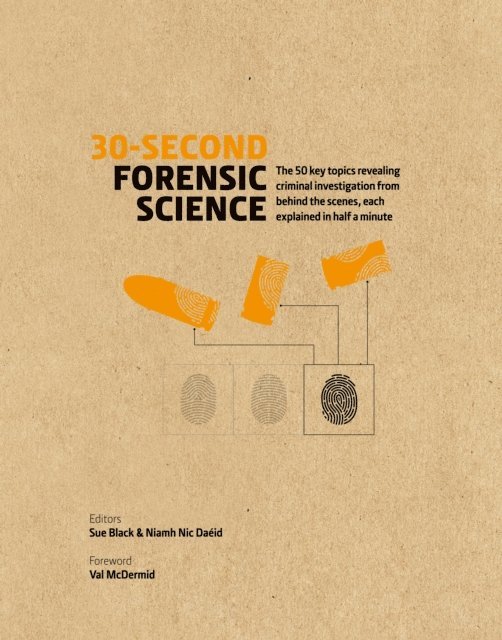
30-Second Forensic Science
50 key topics revealing criminal investigation from behind the scenes, each explained in half a minute
E-bok, 2018
156 kr
Lägg i varukorg
Humanity’s most appalling crimes are solved by experts presenting painstakingly gathered evidence to the court of law. Investigators rely on physical, chemical and digital clues gathered at the scene of an incident to reconstruct beyond all reasonable doubt the events that occurred in order to …
30-Second Numbers
The 50 key topics for understanding numbers and how we use them
Av Niamh Nic Daeid, Christian Cole
E-bok, 2020
159 kr
Lägg i varukorg
The successful 30-Second series tackles numbers, with experts on maths and data demystifying the essential numerical topics.We know that we use numbers pretty often, some of us confidently, others reluctantly. But are we aware of just how essential they are to almost every decision we make? …
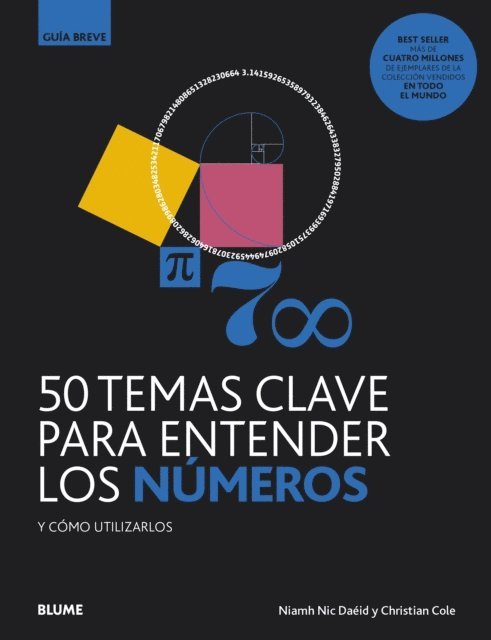
50 temas clave para entender los números
E-bok, 2021
70 kr
Lägg i varukorg
* Sabemos que utilizamos los números con bastante frecuencia. Algunos lo hacemos con seguridad, otros con cierta renuencia. Pero ¿somos conscientes de lo esenciales que resultan para casi todas las decisiones que tomamos? * Contar y medir cuando vamos de compras, viajamos, estudiamos o jugamos solo …
Fifty Years of Forensic Science
A Commentary
Inbunden, 2010
843 kr
Tillfälligt slut
Over the last half century, the science and practice of forensic science has undergone dramatic changes. Since the early 1960s the technological developments and their application to forensic science have been immense. Not only that, the application of science within a legal context and framework …