Nick Bostrom – författare
320 kr
Skickas inom 5-8 vardagar
89 kr
Skickas
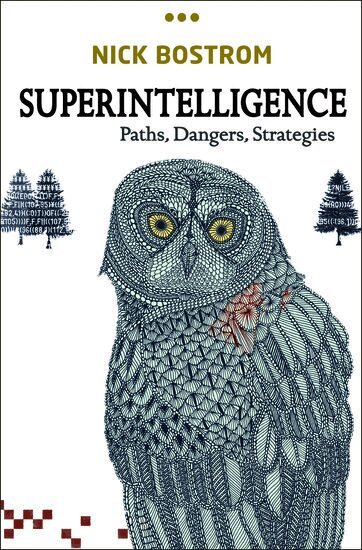
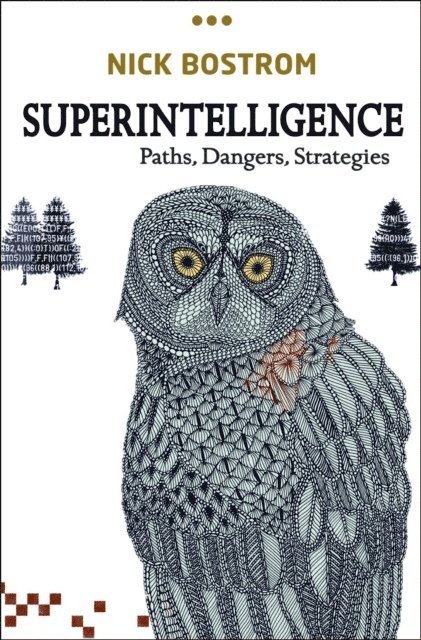
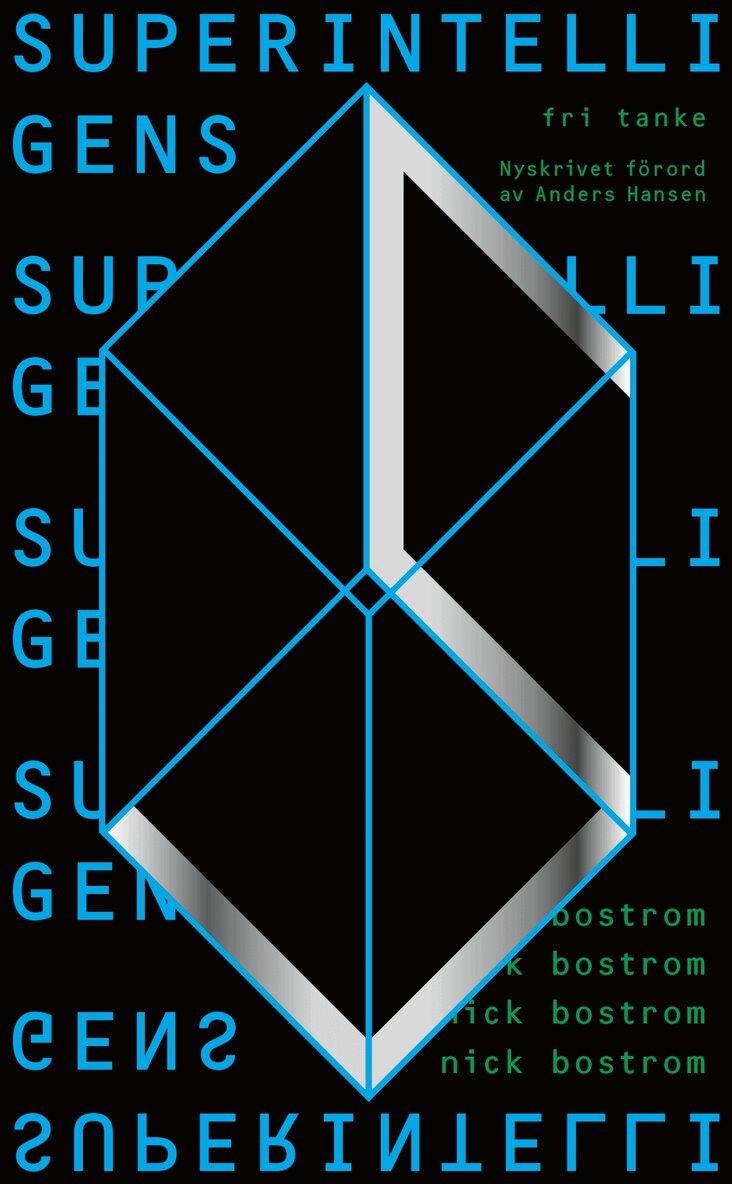
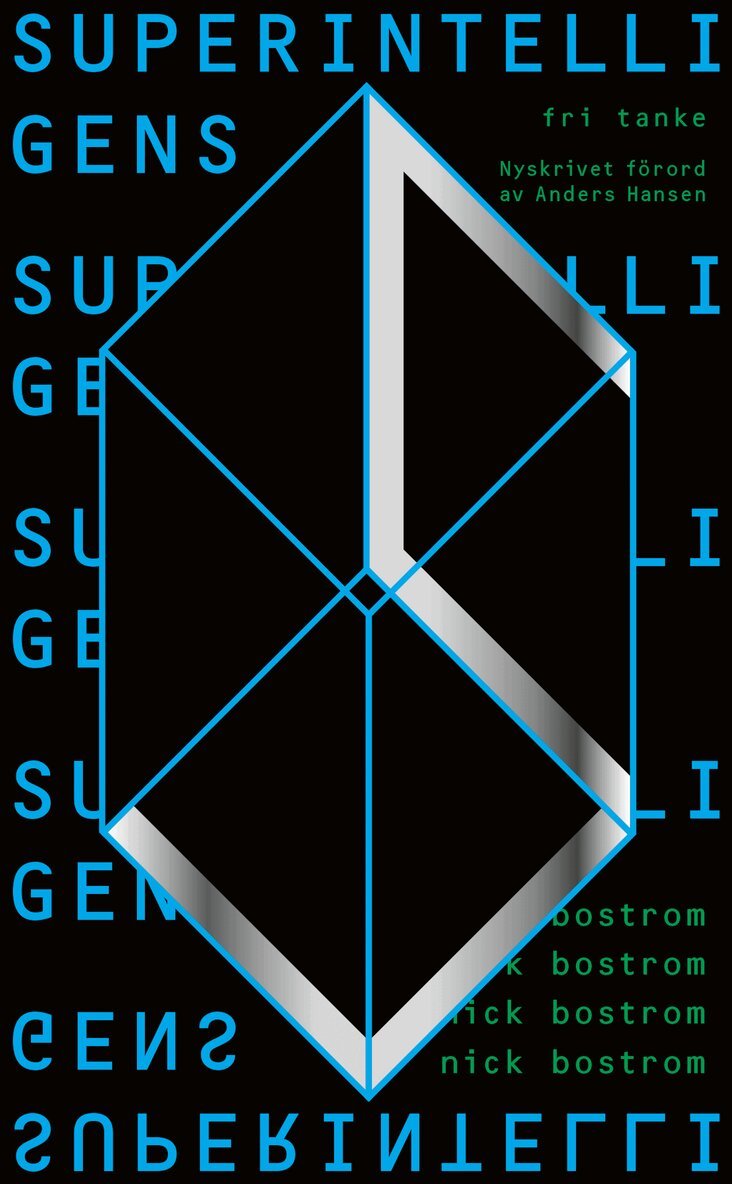
Vad händer om vi en dag utvecklar maskiner med en intelligens överlägsen vår egen?
Människor har idag en dominant position på vår planet, inte för att vi är starkare än alla andra levande varelser, utan för att vi är smartare. Men med utvecklingen av artificiell intelligens står vår särställning – och i förlängningen hela den mänskliga civilisationen – på spel.
Kan artificiella intelligenser komma att bli lika dominerande som människor är idag? Och om sådana superintelligenser sedan börjar utveckla sig själva, riskerar vi inte då att förlora kontrollen över utvecklingen? Det är viktigare än någonsin att diskutera utvecklingen av artificiell intelligens och vilka möjligheter och risker vi står inför.
I denna fascinerande bok presenterar Nick Bostrom, en av världens främsta AI-forskare verksam vid universitetet i Oxford, en framtid där maskiner tänker själva. Bostrom utforskar hur långt bort en sådan framtid verkar vara och diskuterar de existentiella utmaningar mänskligheten då kan komma att ställas inför.
167 kr
Skickas
303 kr
Skickas inom 3-6 vardagar
294 kr
Skickas
367 kr
Skickas inom 5-8 vardagar
275 kr
Läs direkt efter köp
428 kr
Läs direkt efter köp
285 kr
Läs direkt efter köp
95 kr
Läs direkt efter köp
92 kr
Läs direkt efter köp
1 668 kr
Skickas inom 7-10 vardagar
465 kr
Skickas inom 5-8 vardagar
769 kr
Skickas inom 10-15 vardagar
2 433 kr
Skickas inom 10-15 vardagar
858 kr
Läs direkt efter köp
Anthropic Bias explores how to reason when you suspect that your evidence is biased by "observation selection effects"--that is, evidence that has been filtered by the precondition that there be some suitably positioned observer to "have" the evidence. This conundrum--sometimes alluded to as "the anthropic principle," "self-locating belief," or "indexical information"--turns out to be a surprisingly perplexing and intellectually stimulating challenge, one abounding with important implications for many areas in science and philosophy.
There are the philosophical thought experiments and paradoxes: the Doomsday Argument; Sleeping Beauty; the Presumptuous Philosopher; Adam & Eve; the Absent-Minded Driver; the Shooting Room.
And there are the applications in contemporary science: cosmology ("How many universes are there?", "Why does the universe appear fine-tuned for life?"); evolutionary theory ("How improbable was the evolution of intelligent life on our planet?"); the problem of time''s arrow ("Can it be given a thermodynamic explanation?"); quantum physics ("How can the many-worlds theory be tested?"); game-theory problems with imperfect recall ("How to model them?"); even traffic analysis ("Why is the ''next lane'' faster?").
Anthropic Bias argues that the same principles are at work across all these domains. And it offers a synthesis: a mathematically explicit theory of observation selection effects that attempts to meet scientific needs while steering clear of philosophical paradox.
858 kr
Läs direkt efter köp
Anthropic Bias explores how to reason when you suspect that your evidence is biased by "observation selection effects"--that is, evidence that has been filtered by the precondition that there be some suitably positioned observer to "have" the evidence. This conundrum--sometimes alluded to as "the anthropic principle," "self-locating belief," or "indexical information"--turns out to be a surprisingly perplexing and intellectually stimulating challenge, one abounding with important implications for many areas in science and philosophy.
There are the philosophical thought experiments and paradoxes: the Doomsday Argument; Sleeping Beauty; the Presumptuous Philosopher; Adam & Eve; the Absent-Minded Driver; the Shooting Room.
And there are the applications in contemporary science: cosmology ("How many universes are there?", "Why does the universe appear fine-tuned for life?"); evolutionary theory ("How improbable was the evolution of intelligent life on our planet?"); the problem of time''s arrow ("Can it be given a thermodynamic explanation?"); quantum physics ("How can the many-worlds theory be tested?"); game-theory problems with imperfect recall ("How to model them?"); even traffic analysis ("Why is the ''next lane'' faster?").
Anthropic Bias argues that the same principles are at work across all these domains. And it offers a synthesis: a mathematically explicit theory of observation selection effects that attempts to meet scientific needs while steering clear of philosophical paradox.
Die Zukunft der Menschheit
230 kr
Skickas inom 3-6 vardagar
54 kr
Läs direkt efter köp
59 kr
Läs direkt efter köp
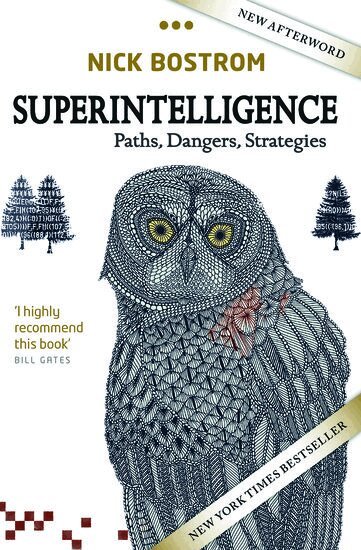
Superinteligența ne pune întrebarea: ce se întâmplă când mașinile depășesc oamenii ca inteligență? Agenții artificiali ne vor salva sau ne vor distruge? Nick Bostrom pune bazele înțelegerii viitorului umanității și al vieții inteligente. Creierul uman are unele capacități care lipsesc creierelor altor animale. Tocmai acestor capacități deosebite specia noastră le datorează poziția ei dominantă. Dacă creierele mașinilor ar întrece creierele umane ca inteligență, atunci această nouă superinteligență ar putea să devină extrem de puternică – posibil dincolo de controlul nostru. Așa cum soarta gorilelor depinde acum mai mult de oameni decât de specie în sine, la fel și soarta omenirii va depinde de acțiunile superinteligenței mașinilor. Dar avem un avantaj: noi suntem cei care vor face prima mutare. Va fi posibil să construim o Inteligență Artificială primară, să stabilim condițiile inițiale pentru a putea supraviețui unei explozii a inteligenței? Cum am putea ajunge să obținem o detonare controlată? Această carte, extrem de ambițioasă și de originală, croiește un drum printr-un teren intelectual dificil. După o adevărată călătorie care ne duce la frontierele gândirii despre condiția umană și viitorul vieții inteligente, descoperim în lucrarea lui Nick Bostrom nimic mai mult decât o reconceptualizare a misiunii principale a timpului nostru. Nick Bostrom este profesor la Facultatea de Filosofie de la Universitatea Oxford și director fondator al Institutului despre Viitorul Umanității și al Programului asupra Impactului Tehnologiei Viitorului din cadrul Oxford Martin School. Este autorul a peste 200 de lucrări. A predat la Yale și a făcut studii postdoctorale la Academia Britanică. Bostrom are studii de fizică, neuroștiință computațională și logică matematică, dar și de filosofie.
99 kr
Läs direkt efter köp