Nicolas Rasmussen - Böcker
Visar alla böcker från författaren Nicolas Rasmussen. Handla med fri frakt och snabb leverans.
6 produkter
6 produkter
Picture Control
Electron Microscope and the Transformation of Biology in America, 1940-60
Inbunden, Engelska, 1997
1 053 kr
Tillfälligt slut
Two major questions motivate this study: How do new devices get taken up as experimental systems by scientists? How does the adoption of new instruments affect scientific knowledge? Many ramifications emerge from these two simple questions. Among these are historical questions about how, by whom, and why new instruments are introduced, or about how another, different set of instruments might be adopted given alternative social and cultural circumstances. Philosophical questions include the ways in which scientific understanding of the world depends on scientists instruments and techniques. Sociological questions concern such issues as how the organization of work within disciplines and laboratories and other scientific institutions may depend on the equipment employed. All these questions are addressed in this book, which draws upon a range of archival sources as well as published scientific literature, through a detailed historical treatment of the electron microscope s introduction and early impact on the life sciences.The author first describes the introduction of the electron microscope during the World War II years, and then traces its influence on the subsequent divergence of several life sciences research traditions, including what came to constitute cell biology. The historical evidence is discussed in the light of recent discussions on the origin and nature of molecular biology, the importance of new instruments in the postwar life sciences, and the nature of research traditions, among other issues.
Picture Control
The Electron Microscope and the Transformation of Biology in America, 1940-1960
Häftad, Engelska, 1999
415 kr
Skickas inom 7-10 vardagar
Two major questions motivate this study: How do new devices get taken up as experimental systems by scientists? How does the adoption of new instruments affect scientific knowledge? Many ramifications emerge from these two simple questions. Among these are historical questions about how, by whom, and why new instruments are introduced, or about how another, different set of instruments might be adopted given alternative social and cultural circumstances. Philosophical questions include the ways in which scientific understanding of the world depends on scientists' instruments and techniques. Sociological questions concern such issues as how the organization of work within disciplines and laboratories and other scientific institutions may depend on the equipment employed.All these questions are addressed in this book, which draws upon a range of archival sources as well as published scientific literature, through a detailed historical treatment of the electron microscope's introduction and early impact on the life sciences. The author first describes the introduction of the electron microscope during the World War II years, and then traces its influence on the subsequent divergence of several life sciences research traditions, including what came to constitute cell biology. The historical evidence is discussed in the light of recent discussions on the origin and nature of molecular biology, the importance of new instruments in the postwar life sciences, and the nature of research traditions, among other issues.Building on the pragmatist tradition, the author also advances an original philosophical argument on the relation of experimental technology to scientific change, arguing that matters of scientific fact (and also matters of the social organization of science) are only settled through agreement on standardized "methods of inquiry."
1 188 kr
Skickas inom 10-15 vardagar
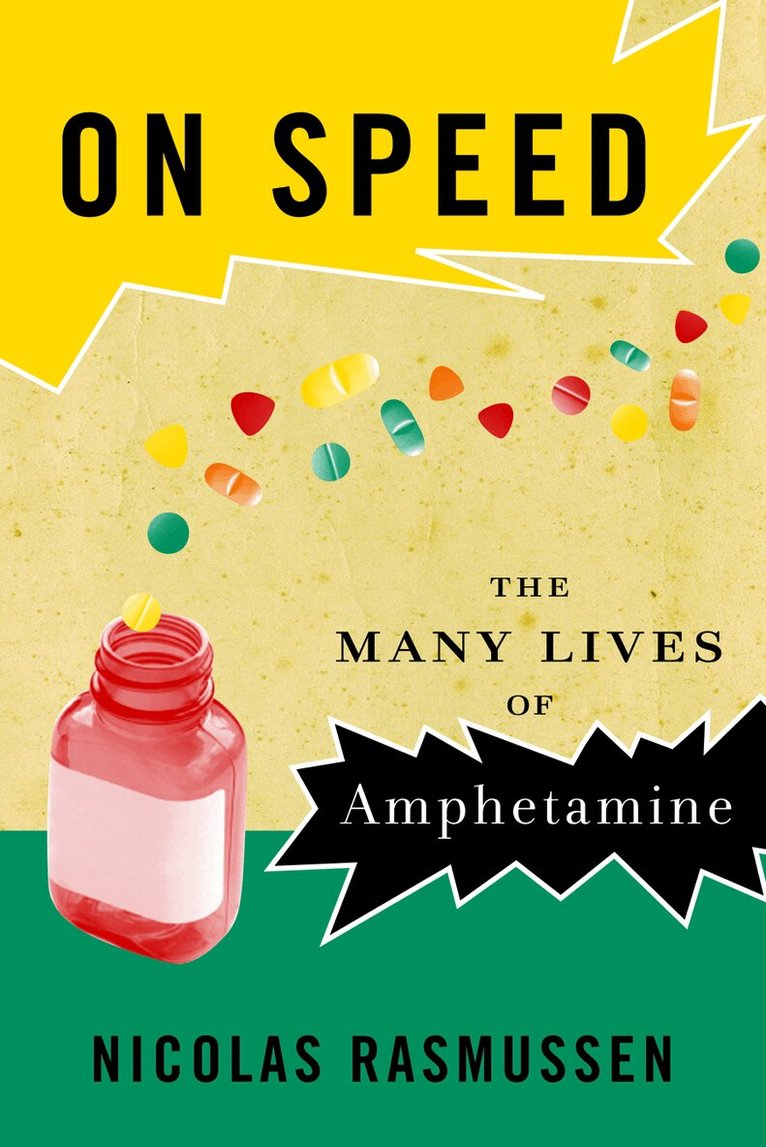
An extensively researched account of the ups and downs in the history of uppersUppers. Crank. Bennies. Dexies. Greenies. Black Beauties. Purple Hearts. Crystal. Ice. And, of course, Speed. Whatever their street names at the moment, amphetamines have been an insistent force in American life since they were marketed as the original antidepressants in the 1930s. On Speed tells the remarkable story of their rise, their fall, and their surprising resurgence. Along the way, it discusses the influence of pharmaceutical marketing on medicine, the evolving scientific understanding of how the human brain works, the role of drugs in maintaining the social order, and the centrality of pills in American life. Above all, however, this is a highly readable biography of a very popular drug. And it is a riveting story.Incorporating extensive new research, On Speed describes the ups and downs (fittingly, there are mostly ups) in the history of amphetamines, and their remarkable pervasiveness. For example, at the same time that amphetamines were becoming part of the diet of many GIs in World War II, an amphetamine-abusing counterculture began to flourish among civilians. In the 1950s, psychiatrists and family doctors alike prescribed amphetamines for a wide variety of ailments, from mental disorders to obesity to emotional distress. By the late 1960s, speed had become a fixture in everyday life: up to ten percent of Americans were thought to be using amphetamines at least occasionally.Although their use was regulated in the 1970s, it didn't take long for amphetamines to make a major comeback, with the discovery of Attention Deficit Disorder and the role that one drug in the amphetamine family—Ritalin—could play in treating it. Today's most popular diet-assistance drugs differ little from the diet pills of years gone by, still speed at their core. And some of our most popular recreational drugs—including the "mellow" drug, Ecstasy—are also amphetamines. Whether we want to admit it or not, writes Rasmussen, we're still a nation on speed.
413 kr
Skickas inom 7-10 vardagar
An extensively researched account of the ups and downs in the history of uppersUppers. Crank. Bennies. Dexies. Greenies. Black Beauties. Purple Hearts. Crystal. Ice. And, of course, Speed. Whatever their street names at the moment, amphetamines have been an insistent force in American life since they were marketed as the original antidepressants in the 1930s. On Speed tells the remarkable story of their rise, their fall, and their surprising resurgence. Along the way, it discusses the influence of pharmaceutical marketing on medicine, the evolving scientific understanding of how the human brain works, the role of drugs in maintaining the social order, and the centrality of pills in American life. Above all, however, this is a highly readable biography of a very popular drug. And it is a riveting story.Incorporating extensive new research, On Speed describes the ups and downs (fittingly, there are mostly ups) in the history of amphetamines, and their remarkable pervasiveness. For example, at the same time that amphetamines were becoming part of the diet of many GIs in World War II, an amphetamine-abusing counterculture began to flourish among civilians. In the 1950s, psychiatrists and family doctors alike prescribed amphetamines for a wide variety of ailments, from mental disorders to obesity to emotional distress. By the late 1960s, speed had become a fixture in everyday life: up to ten percent of Americans were thought to be using amphetamines at least occasionally.Although their use was regulated in the 1970s, it didn't take long for amphetamines to make a major comeback, with the discovery of Attention Deficit Disorder and the role that one drug in the amphetamine family—Ritalin—could play in treating it. Today's most popular diet-assistance drugs differ little from the diet pills of years gone by, still speed at their core. And some of our most popular recreational drugs—including the "mellow" drug, Ecstasy—are also amphetamines. Whether we want to admit it or not, writes Rasmussen, we're still a nation on speed.
356 kr
Tillfälligt slut
The biotech arena emerged in the 1970s and 1980s, when molecular biology, one of the fastest-moving areas of basic science in the twentieth century, met the business world. Gene Jockeys is a detailed study of the biotech projects that led to five of the first ten recombinant DNA drugs to be approved for medical use in the United States: human insulin, human growth hormone, alpha interferon, erythropoietin, and tissue plasminogen activator. Drawing on corporate documents obtained from patent litigation, as well as interviews with the ambitious biologists who called themselves gene jockeys, historian Nicolas Rasmussen chronicles the remarkable, and often secretive, work of the scientists who built a new domain between academia and the drug industry in the pursuit of intellectual rewards and big payouts. In contrast to some who critique the rise of biotechnology, Rasmussen contends that biotech was not a swindle, even if the public did pay a very high price for the development of what began as public scientific resources.Within the biotech enterprise, the work of corporate scientists went well beyond what biologists had already accomplished within universities, and it accelerated the medical use of the new drugs by several years. In his technically detailed and readable narrative, Rasmussen focuses on the visible and often heavy hands that construct and maintain the markets in public goods like science. He looks closely at how science follows money, and vice versa, as researchers respond to the pressures and potential rewards of commercially viable innovations. In biotechnology, many of those engaged in crafting markets for genetically engineered drugs were biologists themselves who were in fact trying to do science. This book captures that heady, fleeting moment when a biologist could expect to do great science through the private sector and be rewarded with both wealth and scientific acclaim.
471 kr
Skickas inom 7-10 vardagar
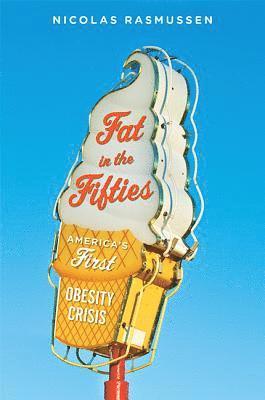
A riveting history of the rise and fall of the obesity epidemic during 1950s and 1960s America.Metropolitan Life Insurance Company identified obesity as the leading cause of premature death in the United States in the 1930s, but it wasn't until 1951 that the public health and medical communities finally recognized it as "America's Number One Health Problem." The reason for MetLife's interest? They wanted their policyholders to live longer and continue paying their premiums. Early postwar America responded to the obesity emergency, but by the end of the 1960s, the crisis waned and official rates of true obesity were reduced— despite the fact that Americans were growing no thinner. What mid-century factors and forces established obesity as a politically meaningful and culturally resonant problem in the first place? And why did obesity fade from public—and medical—consciousness only a decade later? Based on archival records of health leaders as well as medical and popular literature, Fat in the Fifties is the first book to reconstruct the prewar origins, emergence, and surprising disappearance of obesity as a major public health problem. Author Nicolas Rasmussen explores the postwar shifts that drew attention to obesity, as well as the varied approaches to its treatment: from thyroid hormones to psychoanalysis and weight loss groups. Rasmussen argues that the US government was driven by the new Cold War and the fear of atomic annihilation to heightened anxieties about national fitness. Informed by the latest psychiatric thinking—which diagnosed obesity as the result of oral fixation, just like alcoholism—health professionals promoted a form of weight loss group therapy modeled on Alcoholics Anonymous. The intervention caught on like wildfire in 1950s suburbia. But the sense of crisis passed quickly, partly due to cultural changes associated with the later 1960s and partly due to scientific research, some of it sponsored by the sugar industry, emphasizing particular dietary fats, rather than calorie intake.Through this riveting history of the rise and fall of the obesity epidemic, readers gain an understanding of how the American public health system—ambitious, strong, and second-to-none at the end of the Second World War—was constrained a decade later to focus mainly on nagging individuals to change their lifestyle choices. Fat in the Fifties is required reading for public health practitioners and researchers, physicians, historians of medicine, and anyone concerned about weight and weight loss.