Niek Koning – författare
Visar alla böcker från författaren Niek Koning. Handla med fri frakt och snabb leverans.
10 produkter
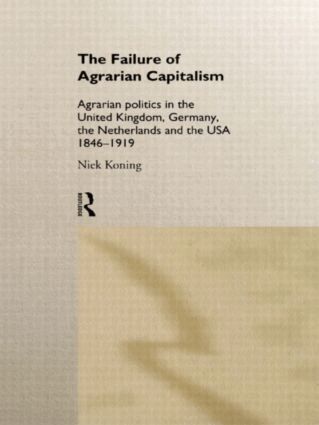
Failure of Agrarian Capitalism
Agrarian Politics in the UK, Germany, the Netherlands and the USA, 1846-1919
Av Niek Koning
Inbunden, 1994
3147 kr
Lägg i varukorg
Agriculture is a highly sensitive industry. Throughout their history, national governments have intervened in and protected their agricultural sectors. The problems of competition in agriculture have been continually illustrated by disagreement over the European Community's Common Agricultural …
Failure of Agrarian Capitalism
Agrarian Politics in the UK, Germany, the Netherlands and the USA, 1846-1919
Av Niek Koning
E-bok, 2002
910 kr
Lägg i varukorg
Agriculture is a highly sensitive industry. Throughout their history, national governments have intervened in and protected their agricultural sectors. The problems of competition in agriculture have been continually illustrated by disagreement over the European Community''s Common Agricultural …
Failure of Agrarian Capitalism
Agrarian Politics in the UK, Germany, the Netherlands and the USA, 1846-1919
Av Niek Koning
E-bok, 2002
910 kr
Lägg i varukorg
Agriculture is a highly sensitive industry. Throughout their history, national governments have intervened in and protected their agricultural sectors. The problems of competition in agriculture have been continually illustrated by disagreement over the European Community''s Common Agricultural …
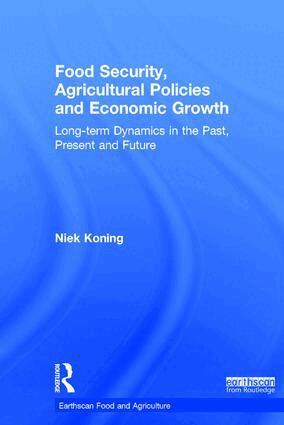
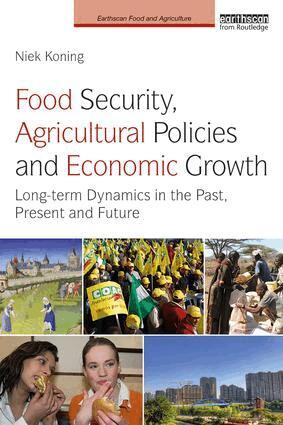
Food Security, Agricultural Policies and Economic Growth
Long-term Dynamics in the Past, Present and Future
Av Niek Koning
Inbunden, 2017
2504 kr
Lägg i varukorg
Using a political-economic approach supplemented with insights from human ecology, this volume analyzes the long-term dynamics of food security and economic growth. The book begins by discussing the nature of preindustrial food crises and the changes that have occurred since the 19th century with …
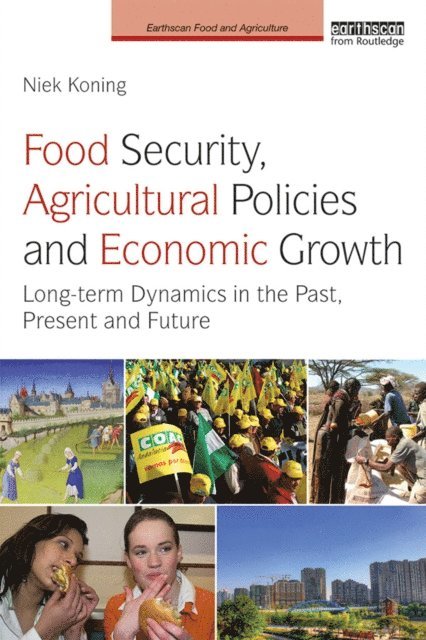
Food Security, Agricultural Policies and Economic Growth
Long-term Dynamics in the Past, Present and Future
Av Niek Koning
Häftad, 2017
820 kr
Lägg i varukorg
Using a political-economic approach supplemented with insights from human ecology, this volume analyzes the long-term dynamics of food security and economic growth. The book begins by discussing the nature of preindustrial food crises and the changes that have occurred since the 19th century with …
Failure of Agrarian Capitalism
Agrarian Politics in the UK, Germany, the Netherlands and the USA, 1846-1919
Av Niek Koning
Häftad, 2016
770 kr
Lägg i varukorg
Agriculture is a highly sensitive industry. Throughout their history, national governments have intervened in and protected their agricultural sectors. The problems of competition in agriculture have been continually illustrated by disagreement over the European Community's Common Agricultural …
Food Security, Agricultural Policies and Economic Growth
Long-term Dynamics in the Past, Present and Future
Av Niek Koning
E-bok, 2017
970 kr
Lägg i varukorg
Using a political-economic approach supplemented with insights from human ecology, this volume analyzes the long-term dynamics of food security and economic growth. The book begins by discussing the nature of preindustrial food crises and the changes that have occurred since the 19th century with …
Food Security, Agricultural Policies and Economic Growth
Long-term Dynamics in the Past, Present and Future
Av Niek Koning
E-bok, 2017
970 kr
Lägg i varukorg
Using a political-economic approach supplemented with insights from human ecology, this volume analyzes the long-term dynamics of food security and economic growth. The book begins by discussing the nature of preindustrial food crises and the changes that have occurred since the 19th century with …
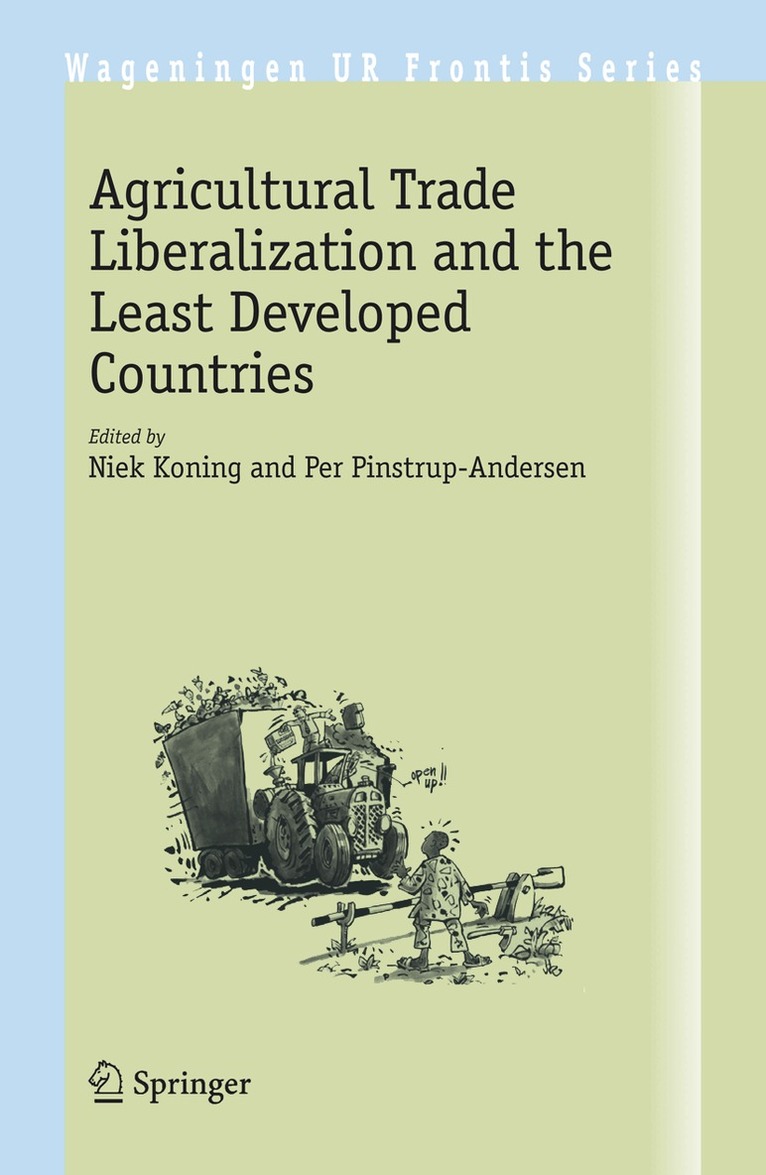
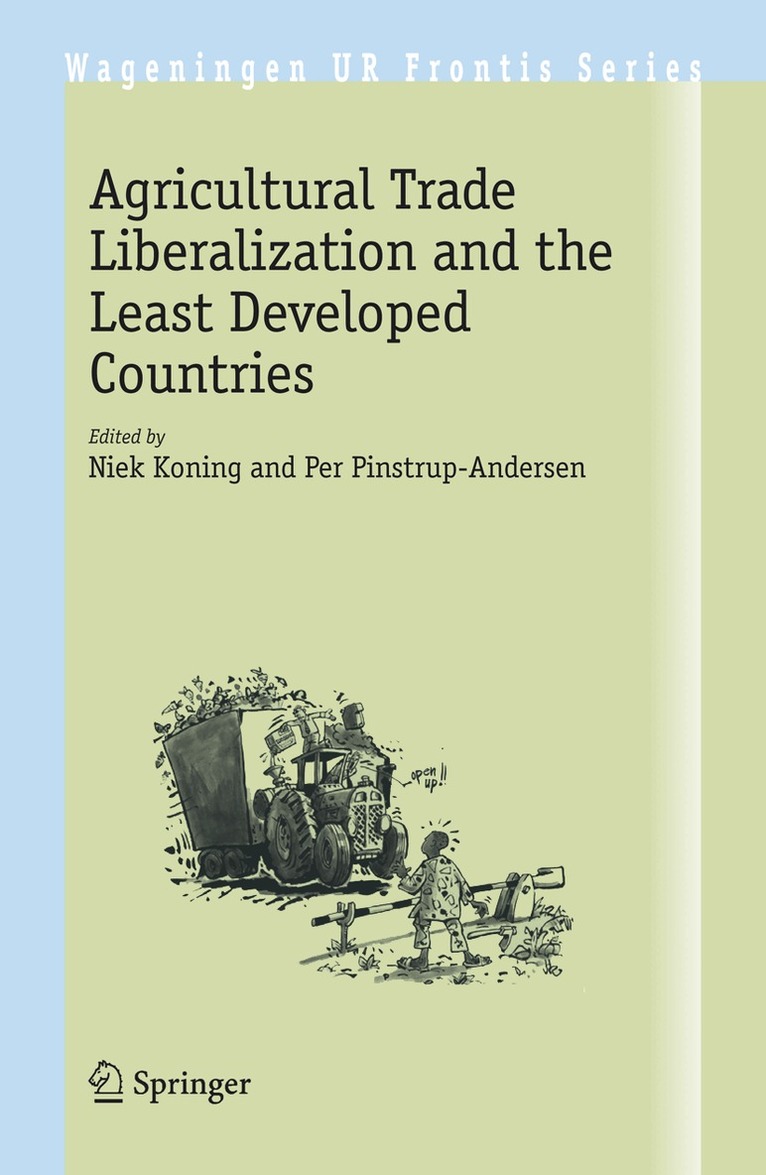
Agricultural Trade Liberalization and the Least Developed Countries
Av Niek Koning, Per Pinstrup-Andersen
Inbunden, 2007
2183 kr
Lägg i varukorg
Although the current round of international trade negotiations was called a ‘Development Round’, very little was accomplished before the negotiations stalled in mid-2006. Developing countries as a group stand to gain very substantially from trade reform in agricultural commodities. It is less clear …
Agricultural Trade Liberalization and the Least Developed Countries
Av Niek Koning, Per Pinstrup-Andersen
Häftad, 2007
2183 kr
Lägg i varukorg
Although the current round of international trade negotiations was called a ‘Development Round’, very little was accomplished before the negotiations stalled in mid-2006. Developing countries as a group stand to gain very substantially from trade reform in agricultural commodities. It is less clear …