Nigel Penn - Böcker
Visar alla böcker från författaren Nigel Penn. Handla med fri frakt och snabb leverans.
6 produkter
6 produkter
649 kr
Skickas inom 10-15 vardagar
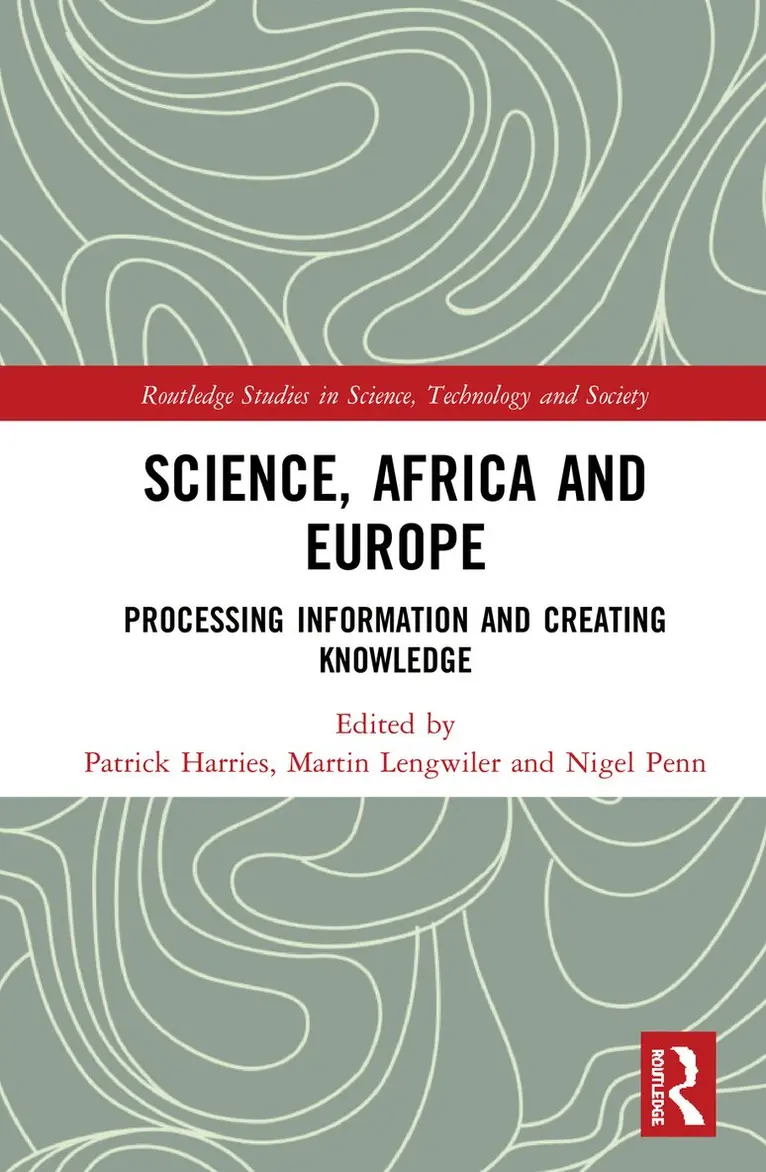
Historically, scientists and experts have played a prominent role in shaping the relationship between Europe and Africa. Starting with travel writers and missionary intellectuals in the 17th century, European savants have engaged in the study of nature and society in Africa. Knowledge about realms of the world like Africa provided a foil against which Europeans came to view themselves as members of enlightened and modern civilisations. Science and technology also offered crucial tools with which to administer, represent and legitimate power relations in a new global world but the knowledge drawn from contacts with people in far-off places provided Europeans with information and ideas that contributed in everyday ways to the scientific revolution and that provided explorers with the intellectual and social capital needed to develop science into modern disciplines at home in the metropole. This book poses questions about the changing role of European science and expert knowledge from early colonial times to post-colonial times. How did science shape understanding of Africa in Europe and how was scientific knowledge shaped, adapted and redefined in African contexts?
2 150 kr
Skickas inom 10-15 vardagar
Historically, scientists and experts have played a prominent role in shaping the relationship between Europe and Africa. Starting with travel writers and missionary intellectuals in the 17th century, European savants have engaged in the study of nature and society in Africa. Knowledge about realms of the world like Africa provided a foil against which Europeans came to view themselves as members of enlightened and modern civilisations. Science and technology also offered crucial tools with which to administer, represent and legitimate power relations in a new global world but the knowledge drawn from contacts with people in far-off places provided Europeans with information and ideas that contributed in everyday ways to the scientific revolution and that provided explorers with the intellectual and social capital needed to develop science into modern disciplines at home in the metropole. This book poses questions about the changing role of European science and expert knowledge from early colonial times to post-colonial times. How did science shape understanding of Africa in Europe and how was scientific knowledge shaped, adapted and redefined in African contexts?
2 059 kr
Skickas inom 7-10 vardagar
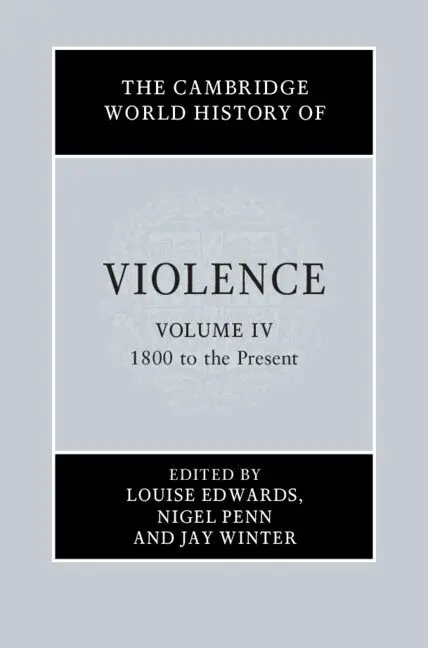
This book explores one of the most intractable problems of human existence - our propensity to inflict violence. It provides readers with case studies of political, social, economic, religious, structural and interpersonal violence from across the entire globe since 1800. It also examines the changing representations of violence in diverse media and the cultural significance of its commemoration. Together, the chapters provide in-depth understanding of the ways that humans have perpetrated violence, justified its use, attempted to contain its spread and narrated the stories of its impacts. Readers also gain insight into the mechanisms by which the parameters about the acceptable limits to and locations of violence have dramatically altered over the course of a few decades. Leading experts from around the world have pooled their knowledge to provide concise, authoritative examinations of the complex phenomenon of human violence. Annotated bibliographies provide overviews of the shape of the research field.
305 kr
Skickas inom 7-10 vardagar
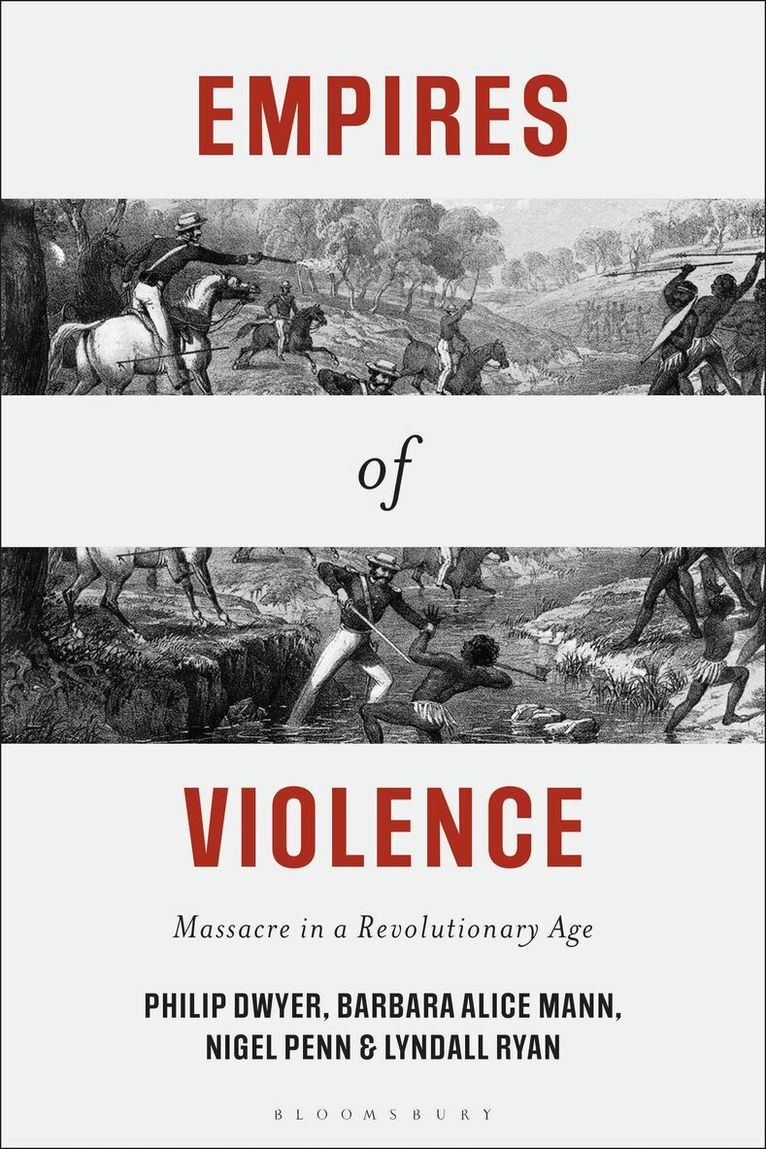
Violence was a constant on all colonial frontiers, from the British expansion into the Australian and African continents, to the expansion of the United States and the Napoleonic Empire’s many incursions into Europe. Yet how did the forms of violence perpetrated in these four corners of the world compare? Did the oppression and exploitation of colonized peoples constitute a new form of violence? Or was it the same that Europeans had always used against conquered peoples?In this book, four experts specializing in four different regions of the world come together to interrogate the violence committed against Indigenous peoples between 1780 and 1820. Showing how violence and massacre were a tool at the disposal of the colonizer, and often used to subjugate unruly populations, they examine the changing nature of warfare and killing from both a European and Indigenous perspective. Empires of Violence shows how race, othering and fear were maintained and buoyed by violence, in spite of prevailing discourses on humanitarianism, civilization and progress.
901 kr
Skickas inom 10-15 vardagar
Violence was a constant on all colonial frontiers, from the British expansion into the Australian and African continents, to the expansion of the United States and the Napoleonic Empire’s many incursions into Europe. Yet how did the forms of violence perpetrated in these four corners of the world compare? Did the oppression and exploitation of colonized peoples constitute a new form of violence? Or was it the same that Europeans had always used against conquered peoples?In this book, four experts specializing in four different regions of the world come together to interrogate the violence committed against Indigenous peoples between 1780 and 1820. Showing how violence and massacre were a tool at the disposal of the colonizer, and often used to subjugate unruly populations, they examine the changing nature of warfare and killing from both a European and Indigenous perspective. Empires of Violence shows how race, othering and fear were maintained and buoyed by violence, in spite of prevailing discourses on humanitarianism, civilization and progress.
1 687 kr
Skickas inom 5-8 vardagar