Adrien Delmas – författare
Visar alla böcker från författaren Adrien Delmas. Handla med fri frakt och snabb leverans.
3 produkter
3 produkter
365 kr
Skickas inom 5-8 vardagar
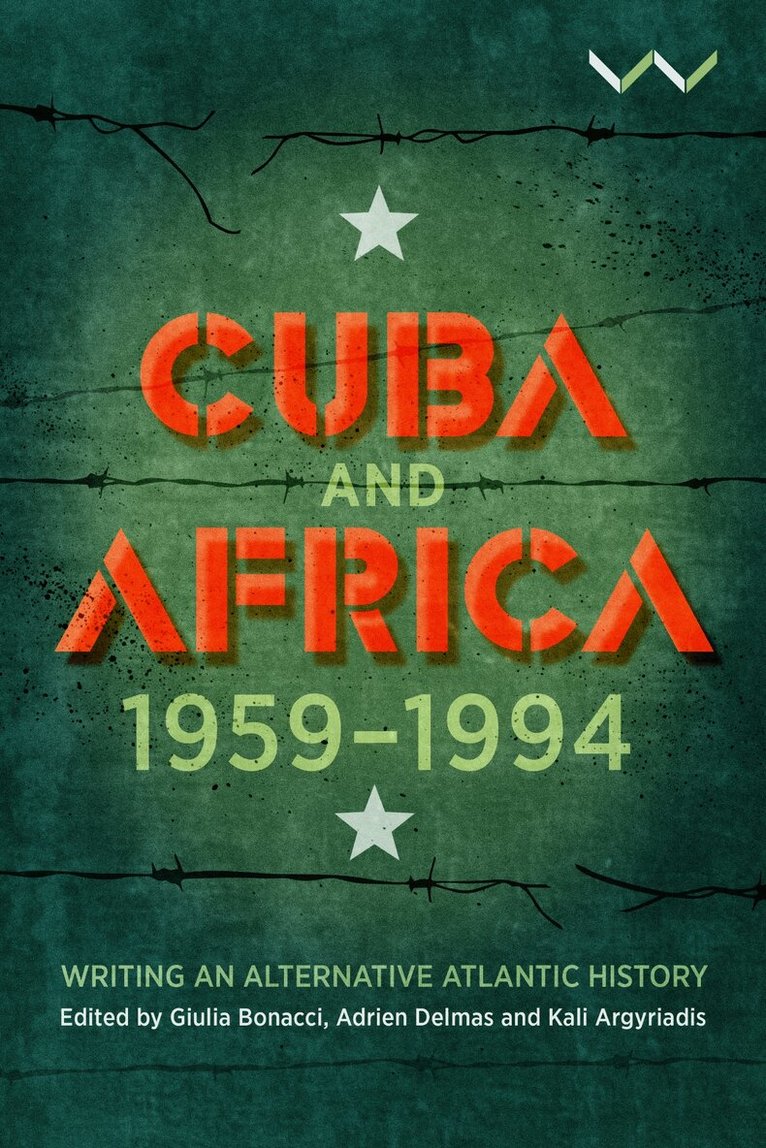
A history of Atlantic solidarity between Cuba and Africa, in struggle for African independence from colonial powersThe Cuban people hold a special place in the hearts of the people of Africa. The Cuban internationalists have made a contribution to African independence, freedom, and justice, unparalleled for its principled and selfless character.'As Nelson Mandela states, Cuba was a key participant in the struggle for the independence of African countries during the Cold War and the definitive ousting of colonialism from the continent. Beyond the military interventions that played a decisive role in shaping African political history, there were many-sided engagements between the island and the continent. Cuba and Africa, 1959-1994 is the story of tens of thousands of individuals who crossed the Atlantic as doctors, scientists, soldiers, students and artists. Each chapter presents a case study – from Algeria to Angola, from Equatorial Guinea to South Africa – and shows how much of the encounter between Cuba and Africa took place in non-militaristic fields: humanitarian and medical, scientific and educational, cultural and artistic.The historical experience and the legacies documented in this book speak to the major ideologies that shaped the colonial and postcolonial world, including internationalism, developmentalism and South–South cooperation.Approaching African–Cuban relations from a multiplicity of angles, this collection will appeal to an equally wide range of readers, from scholars in black Atlantic studies to cultural theorists and general readers with an interest in contemporary African history.
564 kr
Skickas inom 5-8 vardagar
A history of Atlantic solidarity between Cuba and Africa, in struggle for African independence from colonial powersThe Cuban people hold a special place in the hearts of the people of Africa. The Cuban internationalists have made a contribution to African independence, freedom, and justice, unparalleled for its principled and selfless character.'As Nelson Mandela states, Cuba was a key participant in the struggle for the independence of African countries during the Cold War and the definitive ousting of colonialism from the continent. Beyond the military interventions that played a decisive role in shaping African political history, there were many-sided engagements between the island and the continent. Cuba and Africa, 1959-1994 is the story of tens of thousands of individuals who crossed the Atlantic as doctors, scientists, soldiers, students and artists. Each chapter presents a case study – from Algeria to Angola, from Equatorial Guinea to South Africa – and shows how much of the encounter between Cuba and Africa took place in non-militaristic fields: humanitarian and medical, scientific and educational, cultural and artistic.The historical experience and the legacies documented in this book speak to the major ideologies that shaped the colonial and postcolonial world, including internationalism, developmentalism and South–South cooperation.Approaching African–Cuban relations from a multiplicity of angles, this collection will appeal to an equally wide range of readers, from scholars in black Atlantic studies to cultural theorists and general readers with an interest in contemporary African history.
Del 2 - African History
Written Culture in a Colonial Context
Africa and the Americas 1500 - 1900
Häftad, Engelska, 2012
1 678 kr
Skickas inom 5-8 vardagar
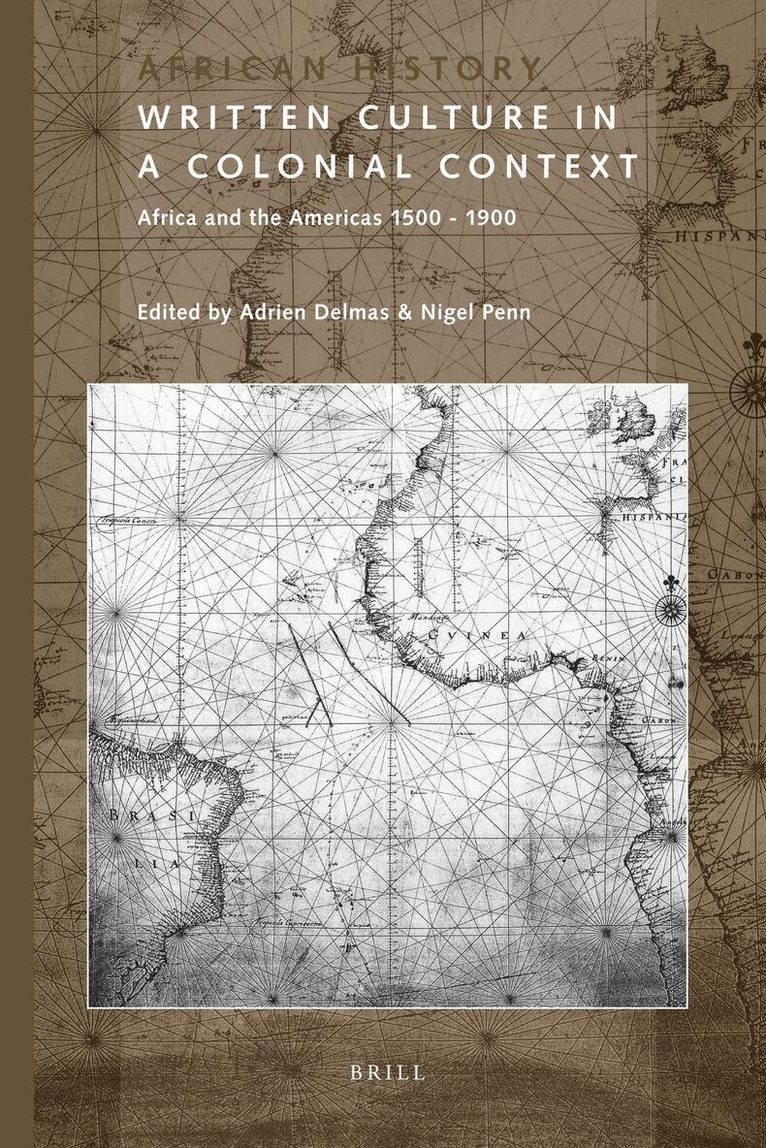
Recent developments in the cultural history of written culture have omitted the specificity of practices relative to writing that were anchored in colonial contexts. The circulation of manuscripts and books between different continents played a key role in the process of the first globalization from the 16th century onwards. While the European colonial organization mobilised several forms of writing and tried to control the circulation and reception of this material, the very function and meaning of written culture was recreated by the introduction and appropriation of written culture into societies without alphabetical forms of writing. This book explores the extent to which the control over the materiality of writing has shaped the numerous and complex processes of cultural exchange during the early modern period.