Nigel Strudwick – författare
Visar alla böcker från författaren Nigel Strudwick. Handla med fri frakt och snabb leverans.
5 produkter
5 produkter
Häftad, Engelska, 2012
190 kr
Skickas inom 5-8 vardagar
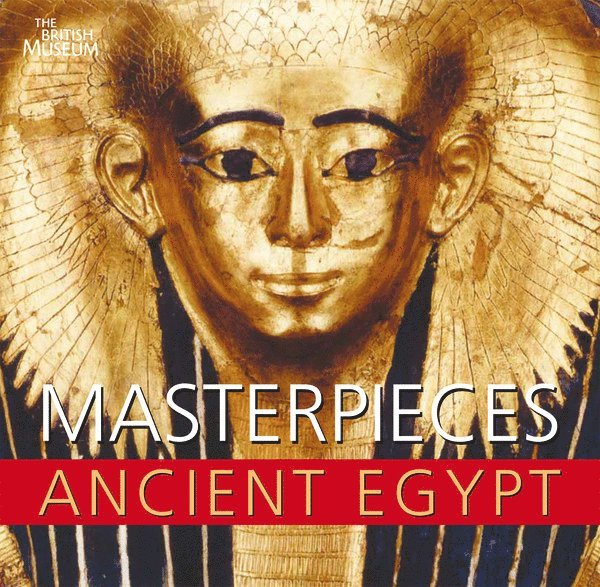
The British Museum has the largest and finest collection of antiquities from Egypt and the Sudan outside of those countries. Packed with information and insights, this classic book, now in paperback, contains over 200 of the most important objects, including the most famous (such as the Rosetta Stone) and also a selection of lesser-known but equally significant or beautiful pieces. An introduction offers a brief history of the vast Egyptian collections of the British Museum and the Egyptian sites and periods from which they come. Each of the 200 objects has a short accompanying text and full page colour illustration. Arranged in chronological order, these intriguing objects range from the earliest predynastic period through the 3,000 year rule of the pharaohs up to Roman Egypt, offering an overview of the art of ancient Egypt in a single volume.
Häftad, Engelska, 2005
544 kr
Skickas inom 5-8 vardagar
Inbunden, Engelska, 2009
1 471 kr
Skickas inom 5-8 vardagar
The Computer Working Group of the International Association of Egyptologists has been in existence since 1983. The group focuses on the efforts of Egyptologists to find creative and useful ways of using information technology to aid in the research and teaching of Ancient Egypt. This volume collects the 16 papers presented during the 2008 meeting on topics including databases, complex systems, 3D modelling, textual analysis systems, the uses of the internet for sharing photographs, and bibliography. This publication provides an essential snapsot of the present uses of IT in the study of Ancient Egypt.
E-bok
Engelska, 2021123 kr
Läs direkt efter köp
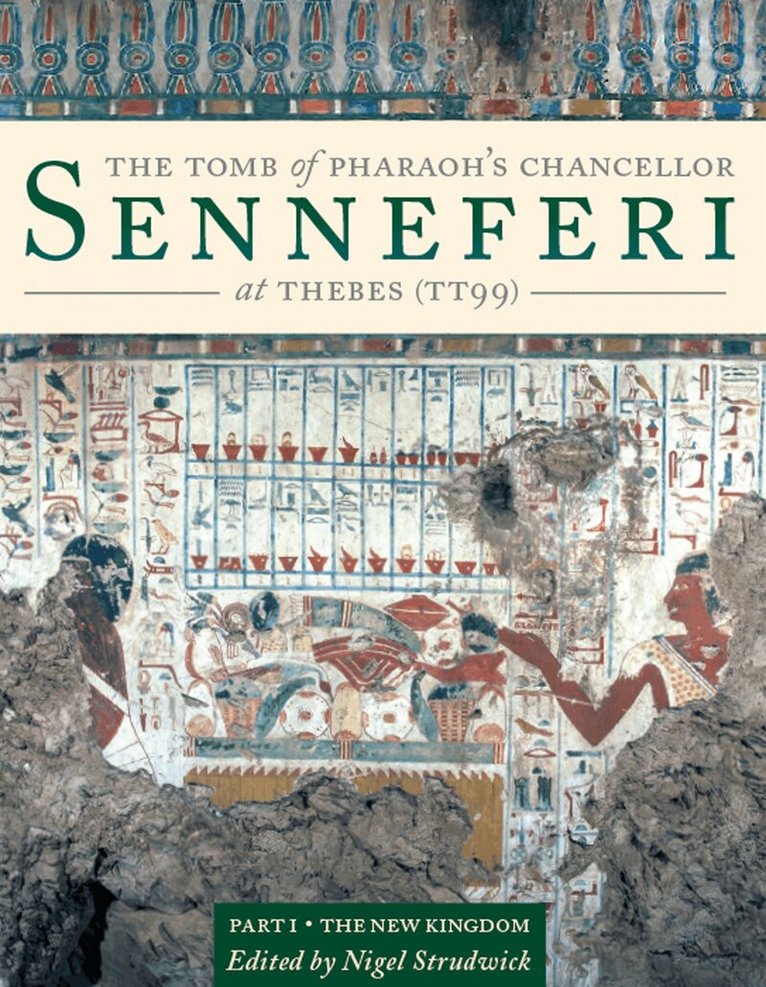
Senneferi was the chancellor of the king in Thebes (modern Luxor) in the reign of Thutmose III (c. 1430 BC). His large but badly damaged tomb lies in the hill of Sheikh Abdel Qurna on the West Bank at Luxor. This first of two volumes focuses on the use of the tomb complex during the New Kingdom, especially the 18th dynasty (c. 1550–1300 BC). It begins with an account of Senneferi himself, looking at his career, his family and other monuments made in his name as far apart as Gebel Silsila in southern Egypt and the Sinai peninsula. The central section deals with the development of the layout of the tomb during this period and its recent exploration, including a detailed reconstruction of its history from 1430 BC to the 20th century AD. The remaining chapters detail the decoration and finds from the excavations, including a painted statue of Senneferi’s son-in-law and a unique set of implements from the Opening of the Mouth ritual, as well as possibly the largest ceramic assemblage yet known in a tomb of this date. This book presents the results of the detailed analysis of what at first sight appear to be unpromising finds and reveals new insights into burial practices at the height of the 18th dynasty.EPUB3: Reflowable
E-bok
Engelska, 2021123 kr
Läs direkt efter köp
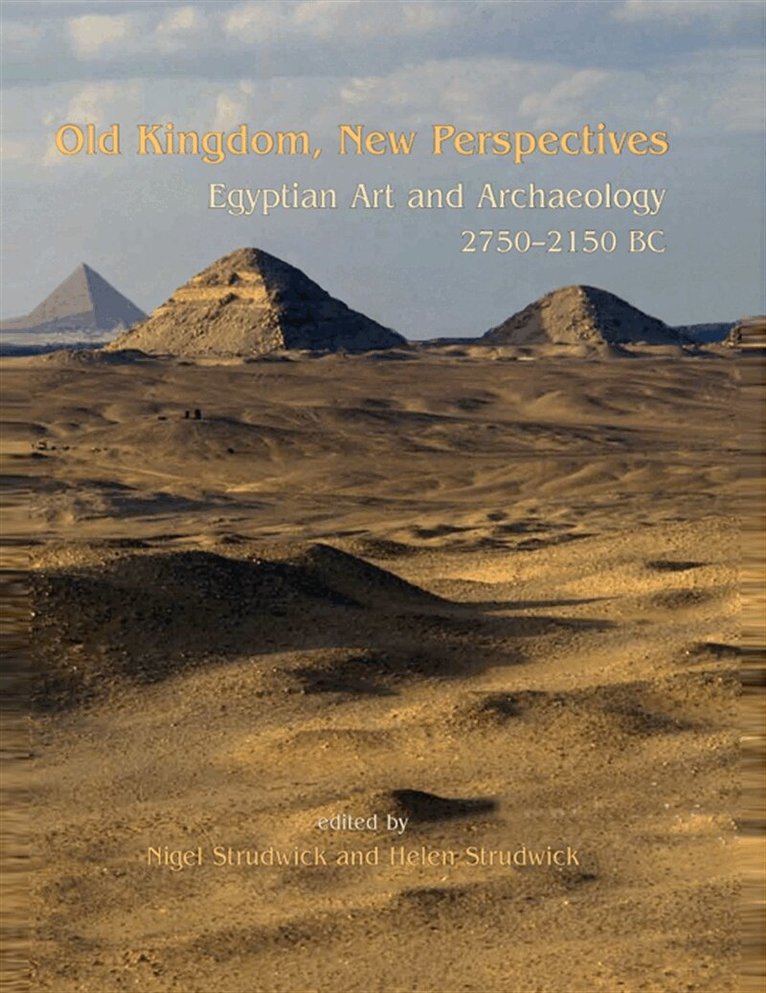
Recent research on all aspects of the Old Kingdom in Egypt is presented in this volume, ranging through the Pyramid Texts, tomb architecture, ceramics, scene choice and layout, field reports, cemetery layout, tomb and temple statuary. The contributions also show how Egyptology is not stuck in its venerable traditions but that newer forms of technology are being used to great effect by Egyptologists. For example, two papers show how GIS technology can shed light on cemetery arrangement and how 3D scanners can be employed in the process of producing facsimile drawings of reliefs and inscriptions. The authors cover a wide range of sites and monuments. A large part of the work presented deals with material from the great cemeteries of Saqqara and Giza of the Old Kingdom capital city of Memphis but all the smaller sites are discussed. The book also includes a paper on the architecture of mastabas from the lesser-known site of Abu Roasch. The provinces are by no means overlooked, with articles on material from Deir el-Bersha, el-Sheikh Said and Akhmim. Between them, the authors discuss material from the milieu of the king right down to that which concerned the tomb workmen and those who supplied their basic needs, such as bakers, brewers and potters. Containing papers presented at a conference at the Fitzwilliam Museum, Cambridge in May 2009, this book continues a series of publications of the latest research presented at previous meetings in Paris, Berlin and Prague. Much new material is published here and the papers are fully illustrated, with over 200 photographs and drawings.