Niketas Siniossoglou – författare
Visar alla böcker från författaren Niketas Siniossoglou. Handla med fri frakt och snabb leverans.
7 produkter
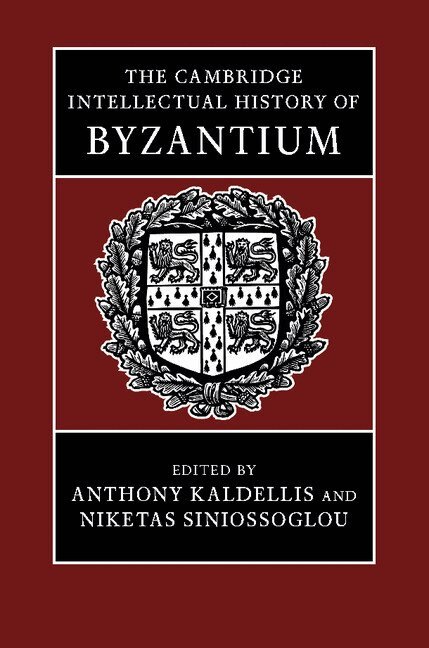
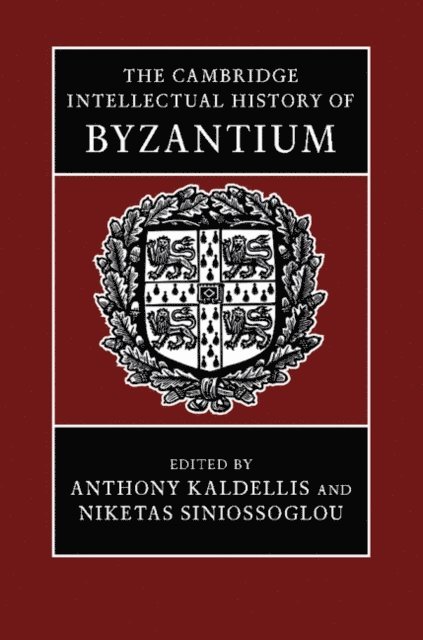
The Cambridge Intellectual History of Byzantium
Av Anthony Kaldellis, Niketas Siniossoglou
Inbunden, 2017
2734 kr
Lägg i varukorg
This volume brings into being the field of Byzantine intellectual history. Shifting focus from the cultural, social, and economic study of Byzantium to the life and evolution of ideas in their context, it provides an authoritative history of intellectual endeavors from Late Antiquity to the …
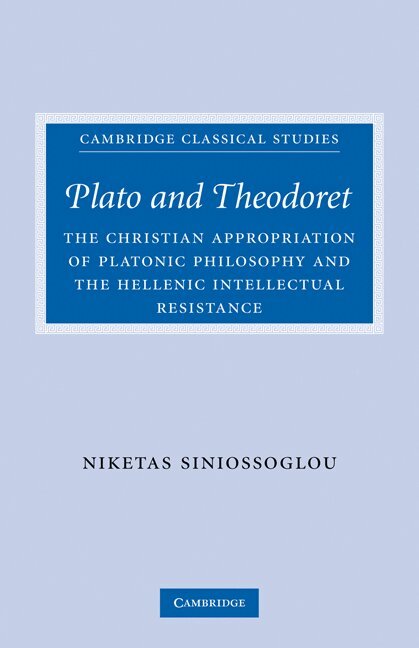
Plato and Theodoret
The Christian Appropriation of Platonic Philosophy and the Hellenic Intellectual Resistance
Häftad, 2011
524 kr
Lägg i varukorg
In late antiquity Plato's philosophy became a battlefield between the competing discourses and rival intellectual paradigms represented by Hellenism and Christianity. Focusing on Theodoret of Cyrrhus' Graecarum Affectionum Curatio, Dr Siniossoglou examines the philosophical, rhetorical and …
Plato and Theodoret
The Christian Appropriation of Platonic Philosophy and the Hellenic Intellectual Resistance
Inbunden, 2008
1868 kr
Lägg i varukorg
In late antiquity Plato's philosophy became a battlefield between the competing discourses and rival intellectual paradigms represented by Hellenism and Christianity. Focusing on Theodoret of Cyrrhus' Graecarum Affectionum Curatio, Dr Siniossoglou examines the philosophical, rhetorical and …
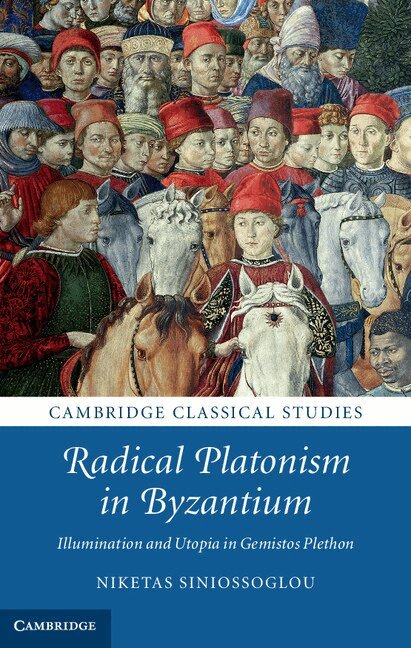
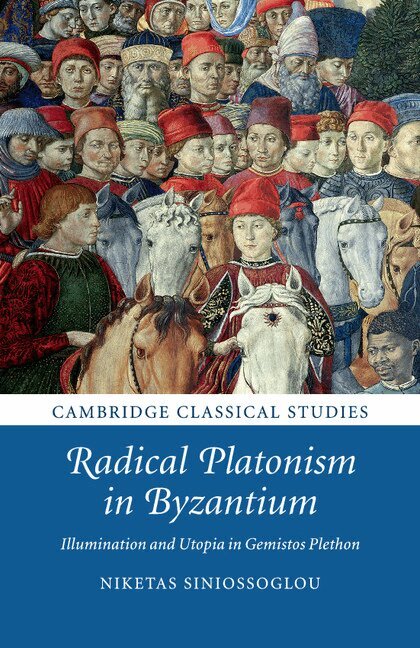
Radical Platonism in Byzantium
Illumination and Utopia in Gemistos Plethon
Inbunden, 2011
2103 kr
Lägg i varukorg
Byzantium has recently attracted much attention, principally among cultural, social and economic historians. This book shifts the focus to philosophy and intellectual history, exploring the thought-world of visionary reformer Gemistos Plethon (c.1355-1452). It argues that Plethon brought to their …
Cambridge Intellectual History of Byzantium
Av Niketas Siniossoglou, Anthony Kaldellis
E-bok, 2017
520 kr
Lägg i varukorg
This volume brings into being the field of Byzantine intellectual history. Shifting focus from the cultural, social, and economic study of Byzantium to the life and evolution of ideas in their context, it provides an authoritative history of intellectual endeavors from Late Antiquity to the …
Cambridge Intellectual History of Byzantium
Av Niketas Siniossoglou, Anthony Kaldellis
E-bok, 2017
537 kr
Lägg i varukorg
This volume brings into being the field of Byzantine intellectual history. Shifting focus from the cultural, social, and economic study of Byzantium to the life and evolution of ideas in their context, it provides an authoritative history of intellectual endeavors from Late Antiquity to the …
Radical Platonism in Byzantium
Illumination and Utopia in Gemistos Plethon
Häftad, 2016
569 kr
Lägg i varukorg
Byzantium has recently attracted much attention, principally among cultural, social and economic historians. This book shifts the focus to philosophy and intellectual history, exploring the thought-world of visionary reformer Gemistos Plethon (c.1355-1452). It argues that Plethon brought to their …