Niklas Olsen - Böcker
Visar alla böcker från författaren Niklas Olsen. Handla med fri frakt och snabb leverans.
8 produkter
8 produkter
654 kr
Skickas inom 10-15 vardagar
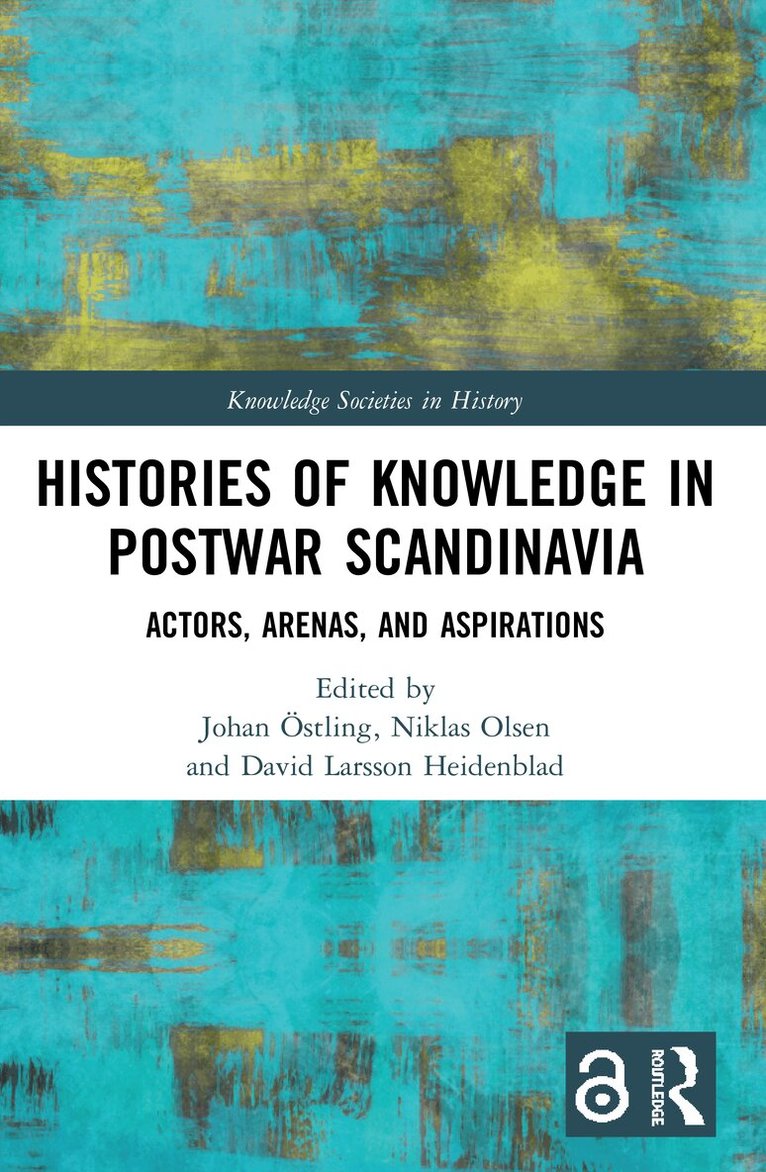
Histories of Knowledge in Postwar Scandinavia uses case studies to explore how knowledge circulated in the different public arenas that shaped politics, economics and cultural life in and across postwar Scandinavia, particularly in the 1960s and 1970s.This book focuses on a period when the term "knowledge society" was coined and rapidly found traction. In Scandinavia, society’s relationship to rational forms of knowledge became vital to the self-understanding and political ambitions of the era. Taking advantage of contemporary discussions about the circulation, arenas, forms, applications and actors of knowledge, contributors examine various forms of knowledge – economic, environmental, humanistic, religious, political, and sexual – that provide insight into the making and functioning of postwar Scandinavian societies and offer innovative studies that contribute to the development of the history of knowledge at large. The concentration on knowledge rather than the welfare state, the Cold War or the new social and political movements, which to date have attracted the lion’s share of scholarly attention, ensures the book makes a historiographical intervention in postwar Scandinavian historiography. Offering a stimulating point of departure for those interested in the history of knowledge and the circulation of knowledge, this is a vital resource for students and scholars of postwar Scandinavia that provides fresh perspectives and new methodologies for exploration.
Histories of Knowledge in Postwar Scandinavia
Actors, Arenas, and Aspirations
Inbunden, Engelska, 2020
2 166 kr
Skickas inom 10-15 vardagar
Histories of Knowledge in Postwar Scandinavia uses case studies to explore how knowledge circulated in the different public arenas that shaped politics, economics and cultural life in and across postwar Scandinavia, particularly in the 1960s and 1970s.This book focuses on a period when the term "knowledge society" was coined and rapidly found traction. In Scandinavia, society’s relationship to rational forms of knowledge became vital to the self-understanding and political ambitions of the era. Taking advantage of contemporary discussions about the circulation, arenas, forms, applications and actors of knowledge, contributors examine various forms of knowledge – economic, environmental, humanistic, religious, political, and sexual – that provide insight into the making and functioning of postwar Scandinavian societies and offer innovative studies that contribute to the development of the history of knowledge at large. The concentration on knowledge rather than the welfare state, the Cold War or the new social and political movements, which to date have attracted the lion’s share of scholarly attention, ensures the book makes a historiographical intervention in postwar Scandinavian historiography. Offering a stimulating point of departure for those interested in the history of knowledge and the circulation of knowledge, this is a vital resource for students and scholars of postwar Scandinavia that provides fresh perspectives and new methodologies for exploration.
2 014 kr
Skickas inom 3-6 vardagar
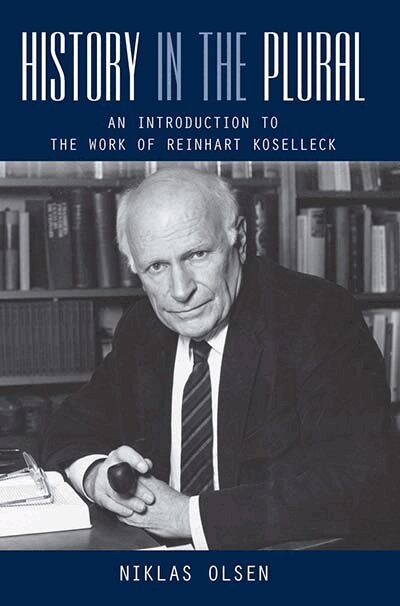
Reinhart Koselleck (1923–2006) was one of most imposing and influential European intellectual historians in the twentieth century. Constantly probing and transgressing the boundaries of mainstream historical writing, he created numerous highly innovative approaches, absorbing influences from other academic disciplines as represented in the work of philosophers and political thinkers like Hans Georg Gadamer and Carl Schmitt and that of internationally renowned scholars such as Hayden White, Michel Foucault, and Quentin Skinner. An advocate of “grand theory,” Koselleck was an inspiration to many scholars and helped move the discipline into new directions (such as conceptual history, theories of historical times and memory) and across disciplinary and national boundaries. He thus achieved a degree of international fame that was unusual for a German historian after 1945. This book not only presents the life and work of a “great thinker” and European intellectual, it also contributes to our understanding of complex theoretical and methodological issues in the cultural sciences and to our knowledge of the history of political, historical, and cultural thought in Germany from the 1950s to the present.
601 kr
Skickas inom 3-6 vardagar
Reinhart Koselleck (1923 - 2006) was one of most imposing and influential European intellectual historians in the twentieth century. Constantly probing and transgressing the boundaries of mainstream historical writing, he created numerous highly innovative approaches, absorbing influences from other academic disciplines as represented in the work of philosophers and political thinkers like Hans Georg Gadamer and Carl Schmitt and that of internationally renowned scholars such as Hayden White, Michel Foucault, and Quentin Skinner. An advocate of "grand theory," Koselleck was an inspiration to many scholars and helped move the discipline into new directions (such as conceptual history, theories of historical times and memory) and across disciplinary and national boundaries. He thus achieved a degree of international fame that was unusual for a German historian after 1945.This book not only presents the life and work of a "great thinker" and European intellectual, it also contributes to our understanding of complex theoretical and methodological issues in the cultural sciences and to our knowledge of the history of political, historical, and cultural thought in Germany from the 1950s to the present.
1 703 kr
Skickas inom 10-15 vardagar
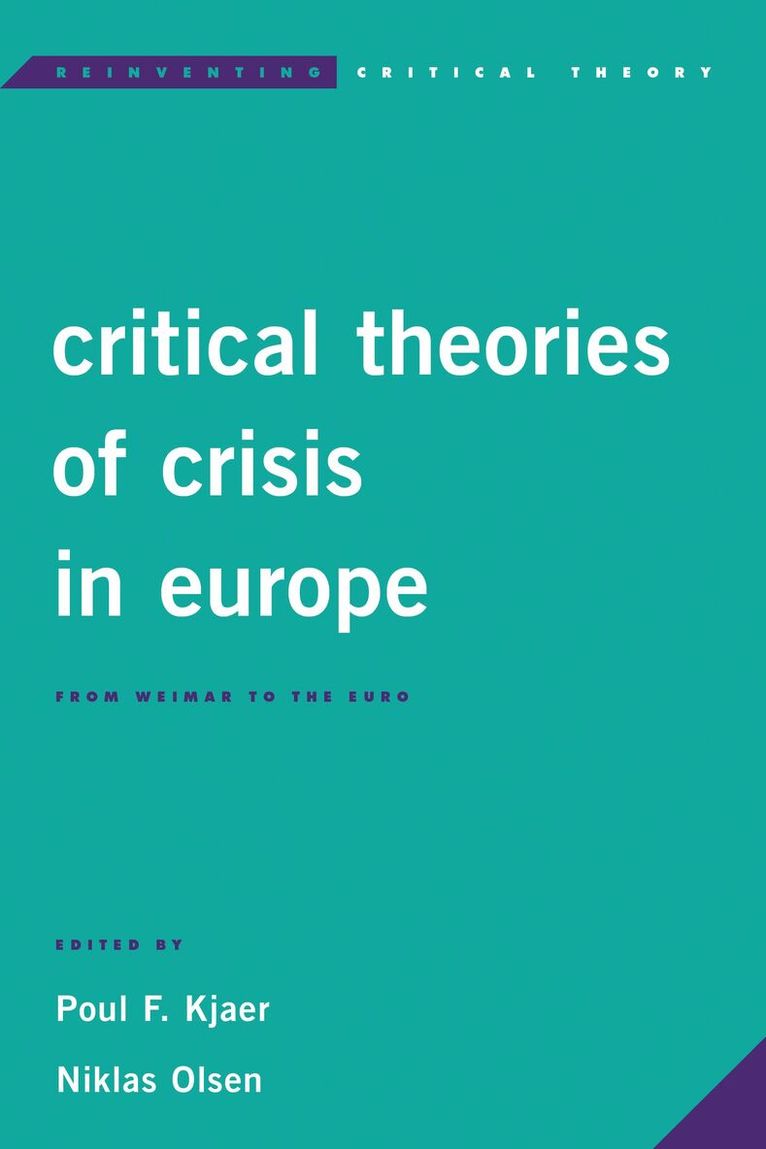
What is to be learned from the chaotic downfall of the Weimar Republic and the erosion of European liberal statehood in the interwar period vis-a-vis the ongoing Europeancrisis? This open access book analyses and explains the recurrent emergence of crises in European societies. It asks how previous crises can inform our understanding of the present crisis. The particular perspective advanced is that these crises not only are economic and social crises, but must also be understood as crises of public power, order and authority. In other words, it argues that substantial challenges to the functional and normative setup of democracy and the rule of law were central to the emergence and the unfolding of these crises.The book draws on and adds to the rich ’crises literature’ developed within the critical theory tradition to outline a conceptual framework for understanding what societal crises are. The central idea is that societal crises represent a discrepancy between the unfolding of social processes and the institutional frameworks that have been established to normatively stabilize such processes. The crises at issue emerged in periods characterized by strong social, economic and technological transformations as well as situations of political upheaval. As such, the crises represented moments where the existing functional and normative grid of society, as embodied in notions of public order and authority, were severely challenged and in many instances undermined. Seen in this perspective, the book reconstructs how crises unfolded, how they were experienced, and what kind of responses the specific crises in question provoked.The ebook editions of this book are available open access under a CC BY-NC-ND 4.0 licence on bloomsburycollections.com.
595 kr
Skickas inom 10-15 vardagar
What is to be learned from the chaotic downfall of the Weimar Republic and the erosion of European liberal statehood in the interwar period vis-a-vis the ongoing Europeancrisis? This open access book analyses and explains the recurrent emergence of crises in European societies. It asks how previous crises can inform our understanding of the present crisis. The particular perspective advanced is that these crises not only are economic and social crises, but must also be understood as crises of public power, order and authority. In other words, it argues that substantial challenges to the functional and normative setup of democracy and the rule of law were central to the emergence and the unfolding of these crises.The book draws on and adds to the rich ’crises literature’ developed within the critical theory tradition to outline a conceptual framework for understanding what societal crises are. The central idea is that societal crises represent a discrepancy between the unfolding of social processes and the institutional frameworks that have been established to normatively stabilize such processes. The crises at issue emerged in periods characterized by strong social, economic and technological transformations as well as situations of political upheaval. As such, the crises represented moments where the existing functional and normative grid of society, as embodied in notions of public order and authority, were severely challenged and in many instances undermined. Seen in this perspective, the book reconstructs how crises unfolded, how they were experienced, and what kind of responses the specific crises in question provoked.The ebook editions of this book are available open access under a CC BY-NC-ND 4.0 licence on bloomsburycollections.com.
1 073 kr
Skickas inom 10-15 vardagar
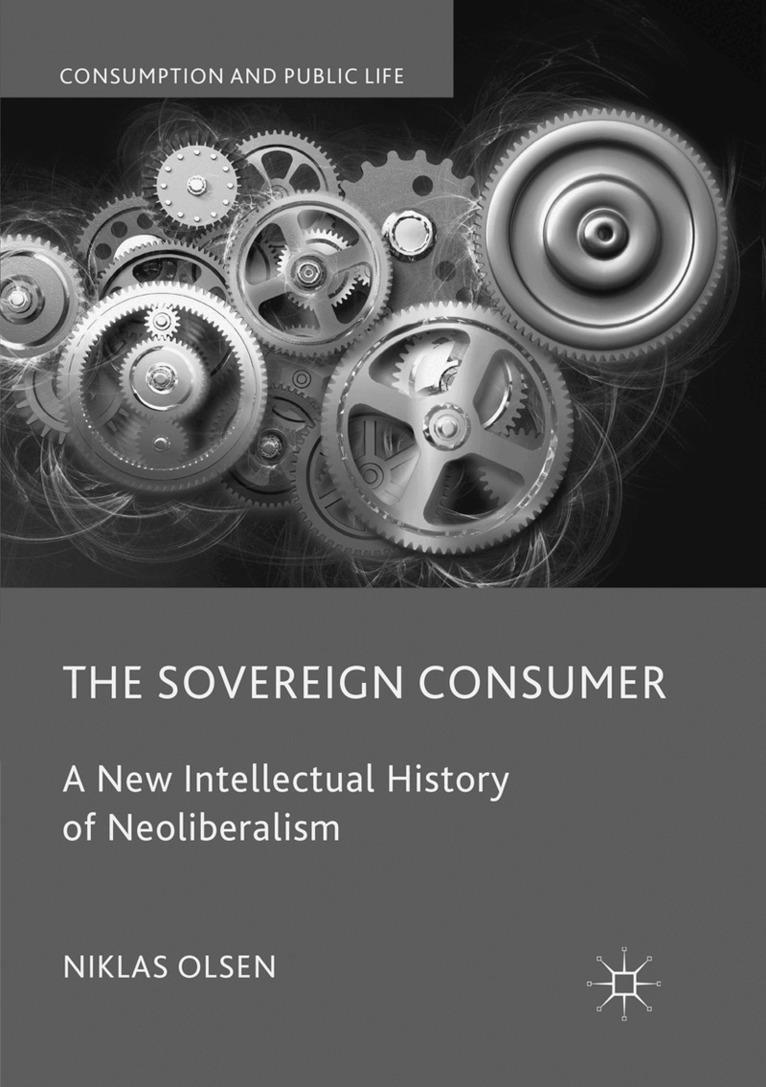
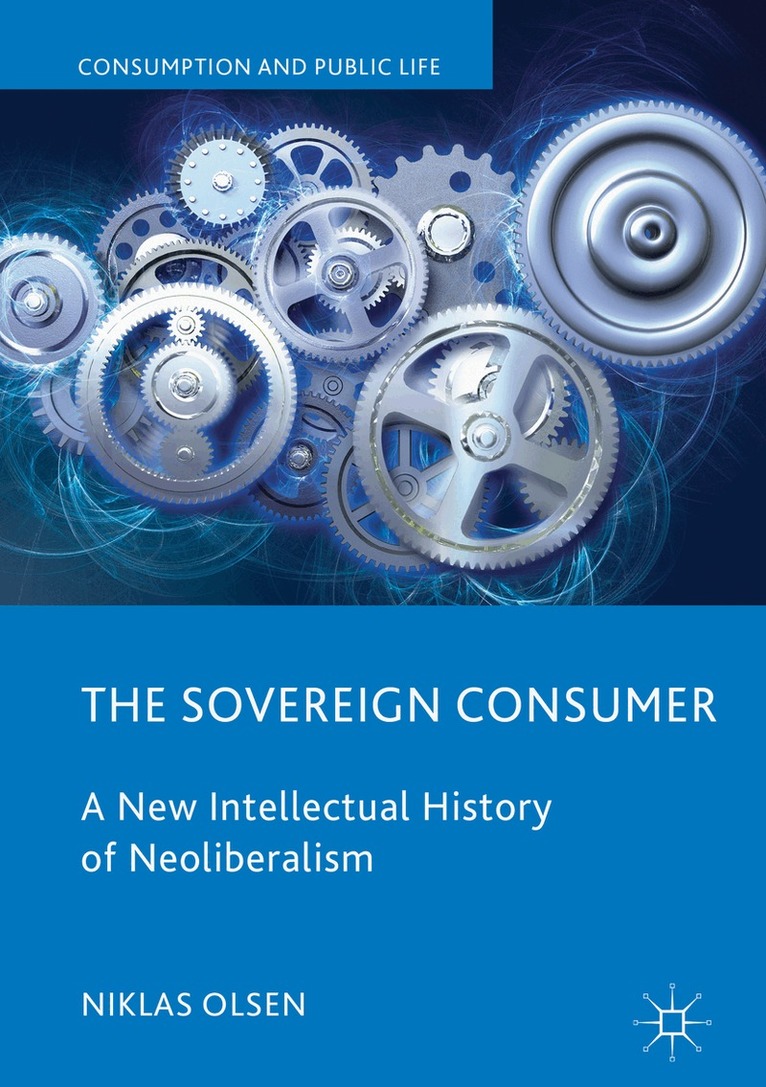
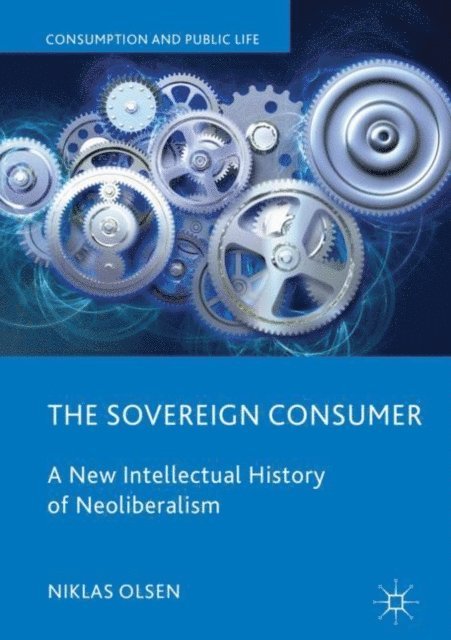
This book presents a new intellectual history of neoliberalism through the exploration of the sovereign consumer. Invented by neoliberal thinkers in the interwar period, this figure has been crucial to the construction and legimitization of neoliberal ideology and politics.Analysis of the sovereign consumer across time and space demonstrates how neoliberals have linked the figure both to the idea of democracy as a method of choice, and also to a re-invention of the market as the democratic forum par excellence. Moreover, Olsen contemplates how the sovereign consumer has served to marketize politics and functioned as a major driver in a wide-ranging transformation in political thinking, subjecting traditional political values to the narrow pursuit of economic growth. A politically timely project, The Sovereign Consumer will have a wide appeal in academic circles, especially for those interested in consumer and welfarestudies, and in political, economic and cultural thought in the twentieth century.
1 073 kr
Skickas inom 10-15 vardagar
This book presents a new intellectual history of neoliberalism through the exploration of the sovereign consumer. Invented by neoliberal thinkers in the interwar period, this figure has been crucial to the construction and legimitization of neoliberal ideology and politics.Analysis of the sovereign consumer across time and space demonstrates how neoliberals have linked the figure both to the idea of democracy as a method of choice, and also to a re-invention of the market as the democratic forum par excellence. Moreover, Olsen contemplates how the sovereign consumer has served to marketize politics and functioned as a major driver in a wide-ranging transformation in political thinking, subjecting traditional political values to the narrow pursuit of economic growth. A politically timely project, The Sovereign Consumer will have a wide appeal in academic circles, especially for those interested in consumer and welfarestudies, and in political, economic and cultural thought in the twentieth century.