Nikolas Sellheim - Böcker
Visar alla böcker från författaren Nikolas Sellheim. Handla med fri frakt och snabb leverans.
10 produkter
10 produkter
1 930 kr
Skickas inom 10-15 vardagar
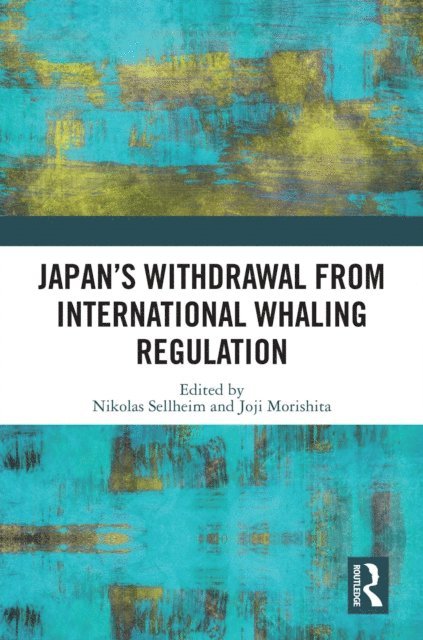
This book examines the impact and implications of Japan’s withdrawal from the International Convention for the Regulation of Whaling (ICRW), which came into effect in July 2019. In 1982 the International Whaling Commission (IWC) adopted a moratorium on commercial whaling which has been in effect ever since, despite the resistance of some countries, first and foremost Japan, Norway and Iceland, that engage in commercial whaling. As one of the key contributors to scientific research and funding, Japan’s withdrawal has the potential to have wide-ranging implications and this volume examines the impact of Japan’s withdrawal on the IWC itself, on the governance of whaling, and on indigenous and coastal whaling. It provides backgrounds and commentaries on this decision as well as normative and legal discussions on matters relating to sustainable use of resources, and philosophies surrounding whaling in different IWC countries. The consideration of other international environmental regimes, such as the Convention on International Trade in Endangered Species of Wild Fauna and Flora (CITES), is also examined in order to determine the international ripple effect of Japan’s decision. The book reveals that this is not just a matter of whaling but one which has significant legal, managerial and cultural implications. Drawing on deep analyses of IWC structures, the book addresses core philosophies underlying the whaling debate and in how far these may influence environmental governance in the future. This book will be of great interest to students and scholars of environmental law and governance, biodiversity conservation and sustainable development, as well as policymakers involved in international environmental and conservation agreements.
583 kr
Skickas inom 10-15 vardagar
This book examines the impact and implications of Japan’s withdrawal from the International Convention for the Regulation of Whaling (ICRW), which came into effect in July 2019. In 1982 the International Whaling Commission (IWC) adopted a moratorium on commercial whaling which has been in effect ever since, despite the resistance of some countries, first and foremost Japan, Norway and Iceland, that engage in commercial whaling. As one of the key contributors to scientific research and funding, Japan’s withdrawal has the potential to have wide-ranging implications and this volume examines the impact of Japan’s withdrawal on the IWC itself, on the governance of whaling, and on indigenous and coastal whaling. It provides backgrounds and commentaries on this decision as well as normative and legal discussions on matters relating to sustainable use of resources, and philosophies surrounding whaling in different IWC countries. The consideration of other international environmental regimes, such as the Convention on International Trade in Endangered Species of Wild Fauna and Flora (CITES), is also examined in order to determine the international ripple effect of Japan’s decision. The book reveals that this is not just a matter of whaling but one which has significant legal, managerial and cultural implications. Drawing on deep analyses of IWC structures, the book addresses core philosophies underlying the whaling debate and in how far these may influence environmental governance in the future. This book will be of great interest to students and scholars of environmental law and governance, biodiversity conservation and sustainable development, as well as policymakers involved in international environmental and conservation agreements.
570 kr
Skickas inom 10-15 vardagar
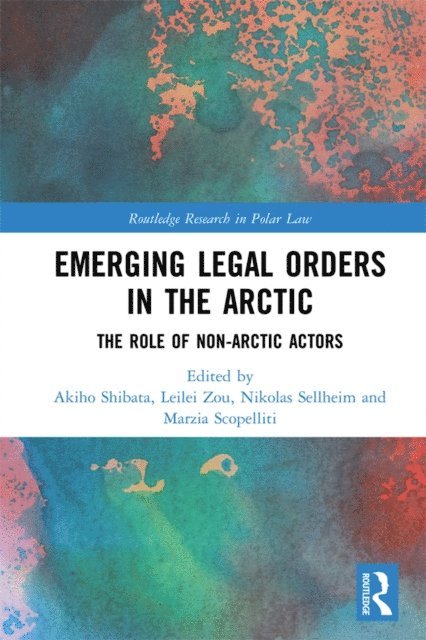
More than ever before the changing environmental and political landscape in the Arctic requires stability and foreseeability based on resilient common norms. The emerging legal orders in the Arctic cannot be legitimately created or effectively implemented unless all relevant actors are involved. Simultaneously, it must always be based on respect for the sovereign rights of the eight Arctic states in the region, as well as the tradition and cultural livelihood of the local communities. It is this delicate balance between Arctic and non-Arctic interests that is the core problématique for the emerging legal orders in the Arctic.Emerging Legal Orders in the Arctic critically examines the role of non-Arctic actors in this advancement of the shape and scope of the Arctic legal order. Discussing the admittance and participation of Observer states and organisations in the Arctic Council, including task force meetings where new treaties are negotiated, it details the issues and successes this can result in. Setting up the context of the current legal orders in the Arctic, the book discusses Asian, indigenous and European perspectives, amongst others. There is a strong focus on the groundbreaking fisheries agreement of November 2017 in the Central Arctic Ocean (CAO), and the impact on both Arctic and non-Arctic actors. Interests in marine living resources, scientific cooperation and the Arctic shipping regimes and governance are also thoroughly discussed from multiple perspectives.The book combines the expertise of academics and practitioners in the fields of international law and Arctic governance, uniquely focusing on Asian actors in the Arctic legal order-making. The resulting study is a fascinating insight into the interplay between non-Arctic actors and the Arctic legal order, and will be invaluable to academics in the field of Arctic and international law.
1 930 kr
Skickas inom 10-15 vardagar
More than ever before the changing environmental and political landscape in the Arctic requires stability and foreseeability based on resilient common norms. The emerging legal orders in the Arctic cannot be legitimately created or effectively implemented unless all relevant actors are involved. Simultaneously, it must always be based on respect for the sovereign rights of the eight Arctic states in the region, as well as the tradition and cultural livelihood of the local communities. It is this delicate balance between Arctic and non-Arctic interests that is the core problématique for the emerging legal orders in the Arctic.Emerging Legal Orders in the Arctic critically examines the role of non-Arctic actors in this advancement of the shape and scope of the Arctic legal order. Discussing the admittance and participation of Observer states and organisations in the Arctic Council, including task force meetings where new treaties are negotiated, it details the issues and successes this can result in. Setting up the context of the current legal orders in the Arctic, the book discusses Asian, indigenous and European perspectives, amongst others. There is a strong focus on the groundbreaking fisheries agreement of November 2017 in the Central Arctic Ocean (CAO), and the impact on both Arctic and non-Arctic actors. Interests in marine living resources, scientific cooperation and the Arctic shipping regimes and governance are also thoroughly discussed from multiple perspectives.The book combines the expertise of academics and practitioners in the fields of international law and Arctic governance, uniquely focusing on Asian actors in the Arctic legal order-making. The resulting study is a fascinating insight into the interplay between non-Arctic actors and the Arctic legal order, and will be invaluable to academics in the field of Arctic and international law.
1 069 kr
Skickas inom 10-15 vardagar
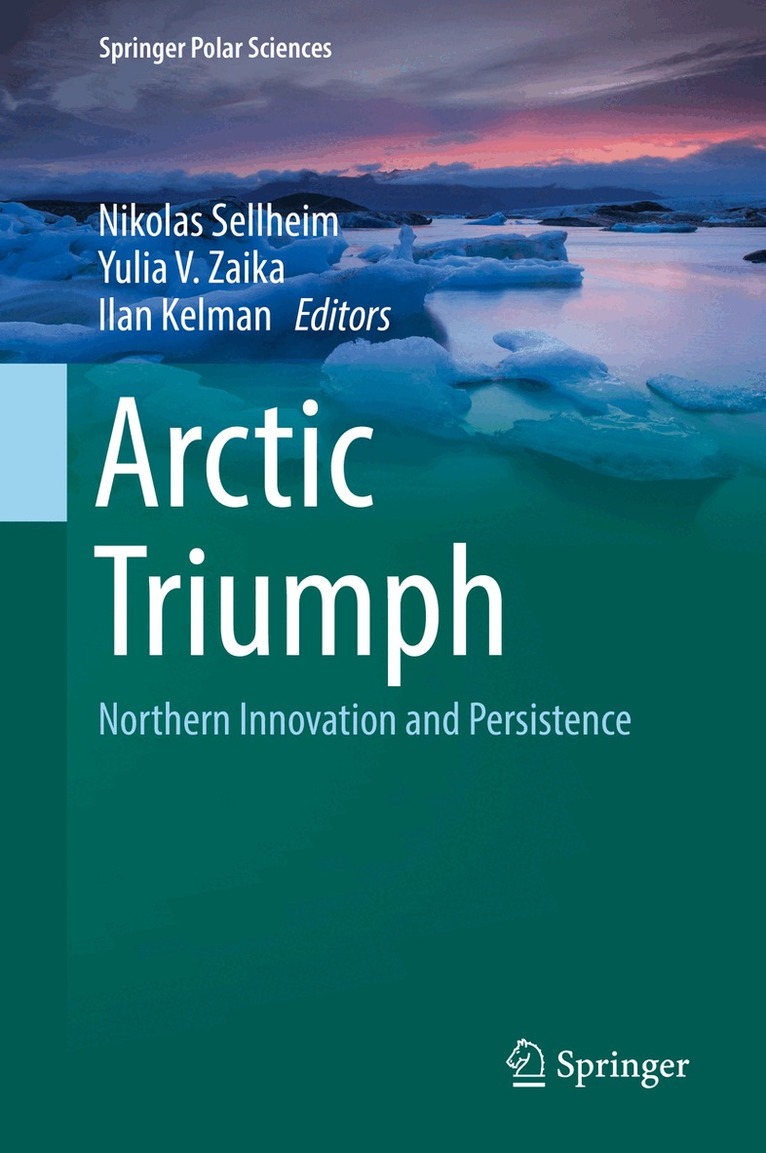
This book approaches the challenges the Arctic has faced and is facing through a lens of opportunity. Through pinpointed examples from and dealing with the Circumpolar North, the Arctic is depicted as a region where people and peoples have managed to endure despite significant challenges at hand. This book treats the ‘Arctic of disasters’ as an innovated narrative and asks how the ‘disaster pieces’ of Arctic discourse interact with the ability of Arctic peoples, communities and regions to counter disaster, adversity, and doom. While not neglecting the scientifically established challenges associated with climate change and other (potentially) disastrous processes in the north, this book calls for a paradigm shift from perceiving the ‘Arctic of disasters’ to an ‘Arctic of triumph’. Particular attention is therefore given to selected Arctic achievements that underline ‘triumphant’ developments in the north, even when Arctic triumph and disaster intersect.
788 kr
Skickas inom 10-15 vardagar
International Marine Mammal Law is a comprehensive, introductory volume on the legal regimes governing the conservation and utilisation of marine mammals.
563 kr
Skickas inom 10-15 vardagar
International Marine Mammal Law is a comprehensive, introductory volume on the legal regimes governing the conservation and utilisation of marine mammals.
1 361 kr
Skickas inom 10-15 vardagar
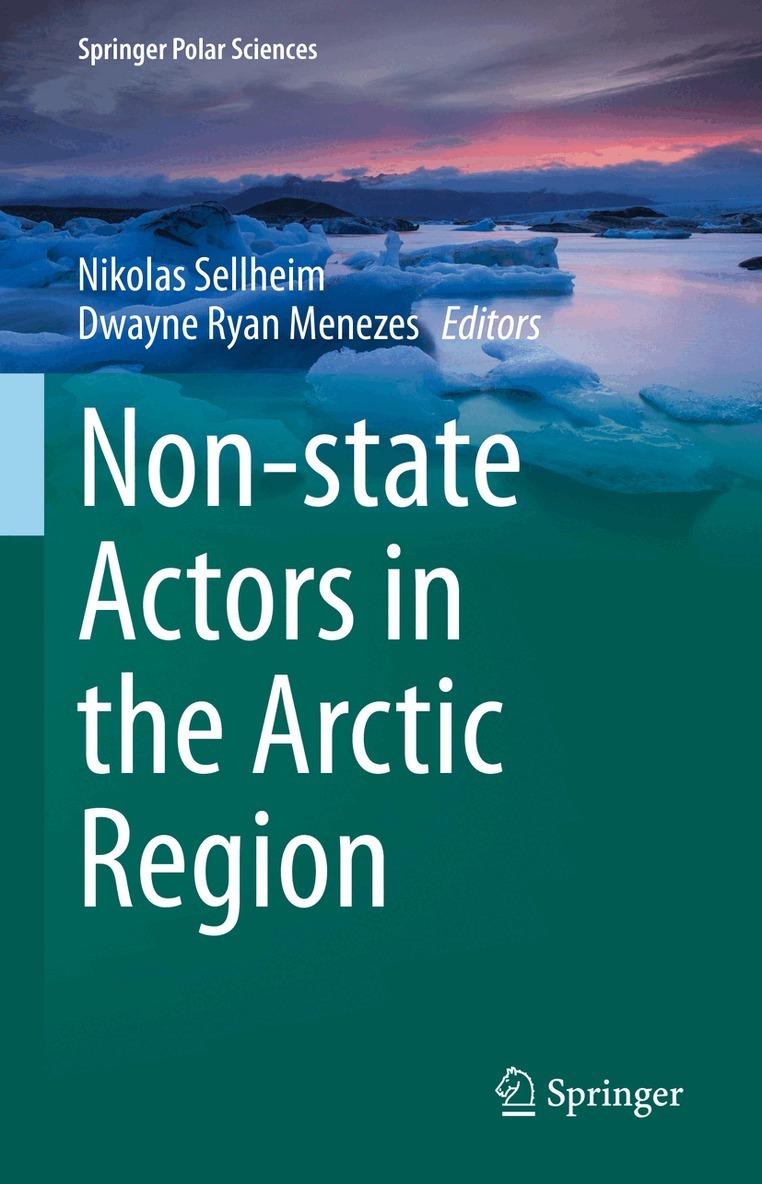
This book comprehensively discusses the role that non-state actors play in the Arctic and assesses the normative role of these actors.
983 kr
Skickas inom 10-15 vardagar
This book comprehensively discusses the role that non-state actors play in the Arctic and assesses the normative role of these actors.
Del 30 - Queen Mary Studies in International Law
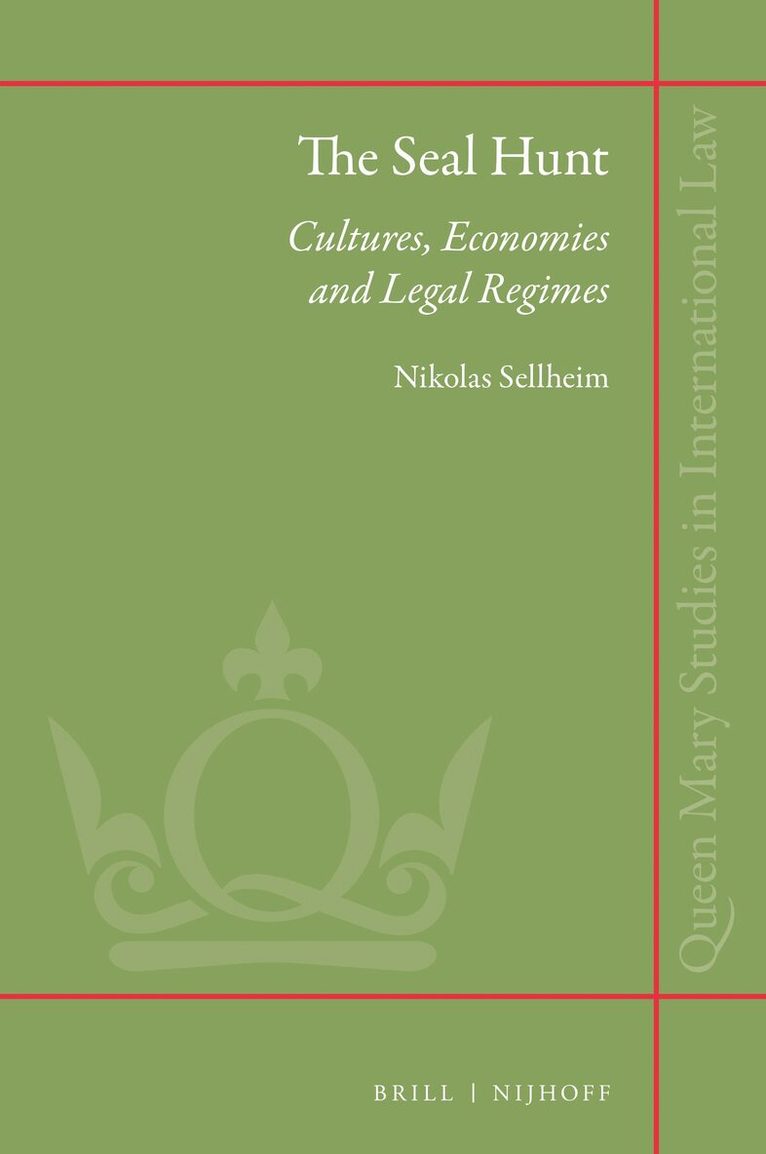
Seal Hunt
Cultures, Economies and Legal Regimes
Inbunden, Engelska, 2018
3 140 kr
Skickas inom 5-8 vardagar
In The Seal Hunt: Cultures, Economies and Legal Regimes, Nikolas Sellheim offers a deep analysis of the seal hunt worldwide. He engages on a journey from the northern to the southern hemisphere and explores how the seal hunt has shaped cultures all over the world up to this day. By analysing the different national and international regimes dealing with the seal hunt, Sellheim shows how the perception of the seal and the seal hunt has changed over time and space. Focusing on the European Union and the World Trade Organization, the volume offers an account on how opposition towards the seal hunt has found its way onto the international spheres of governance and trade.