Nikolay Milkov - Böcker
Visar alla böcker från författaren Nikolay Milkov. Handla med fri frakt och snabb leverans.
9 produkter
9 produkter
2 088 kr
Skickas inom 10-15 vardagar
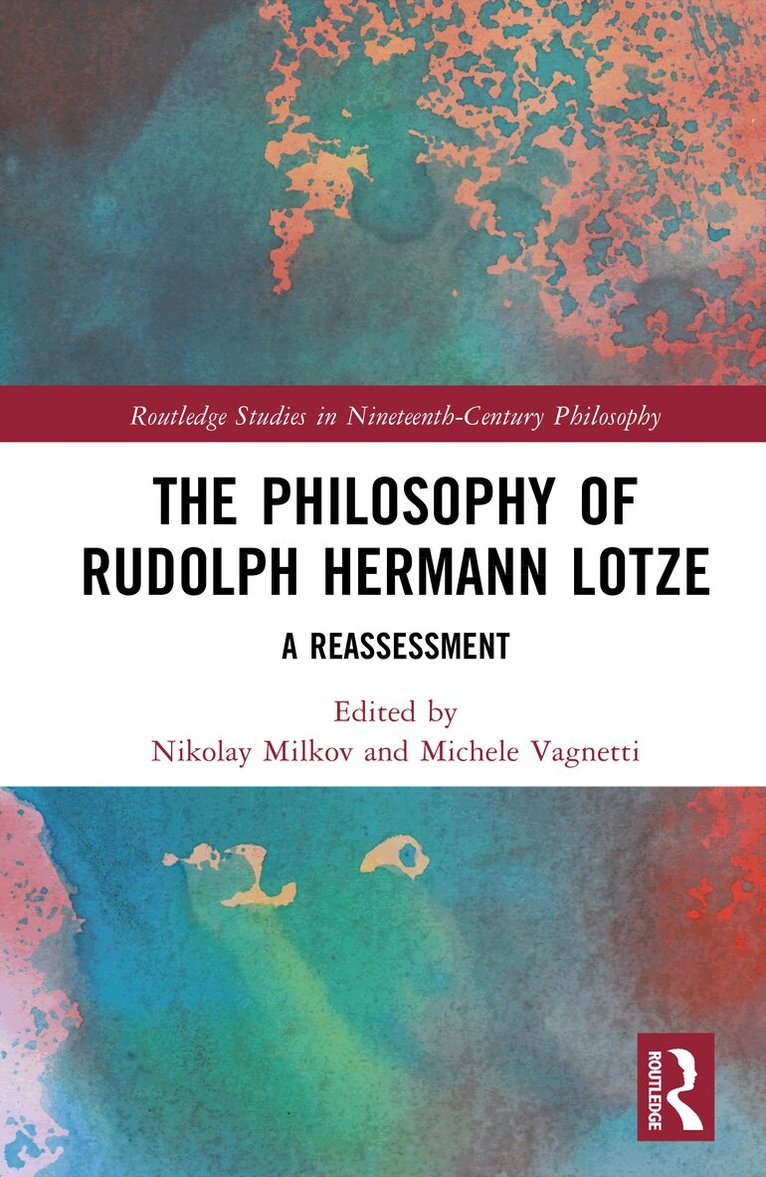
Rudolph Hermann Lotze (1817‒1881) was a leading figure of late 19th-century German philosophy. This volume provides a comprehensive reassessment of Lotze's thought and analyzes the many different aspects of his logic, metaphysics, epistemology, and philosophy of mind.Lotze reconsidered the philosophy of German Idealism and initiated an objectivist turn that was instrumental in the development of leading philosophical movements of the 20th century, including analytic philosophy, phenomenology, and pragmatism. This volume seeks to demonstrate the importance of Lotze's thought to the history of philosophy. Part I addresses Lotze's influence on and relatedness to the thought of Franz Brentano, Thomas Hill Green, Francis Herbert Bradley, James Ward, Emily Elizabeth Constance Jones, William James, Edmund Husserl, Wilhelm Windelband, Gottlob Frege, and Ludwig Wittgenstein, and to two philosophers who brought Lotze to his turn in philosophy, Jakob Friedrich Fries and Johann Friedrich Herbart. Part II focuses on the connection between metaphysics and epistemology in the early Lotze, on the problem of value in Lotze's “greater” Logik, on his explorations on the foundations of mathematics, on the relationship between thought and language, on human sentience, on the method of hypotheses in science, and on Lotze's logic of existence and existence-entailing concepts.The Philosophy of Rudolph Hermann Lotze will appeal to scholars and graduate students interested in the history of philosophy, particularly 19th-century German philosophy and the history of analytic philosophy and phenomenology.
1 476 kr
Skickas inom 10-15 vardagar
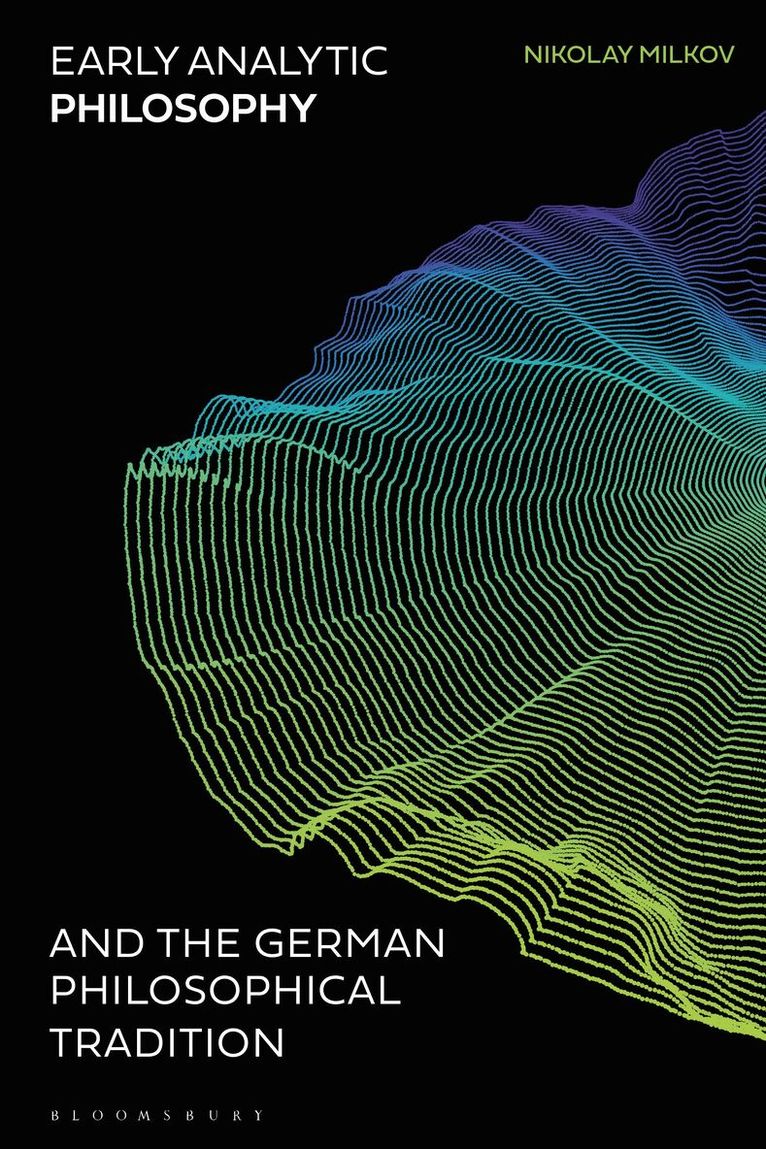
This book investigates the emergence and development of early analytic philosophy and explicates the topics and concepts that were of interest to German and British philosophers. Taking into consideration a range of authors including Leibniz, Kant, Hegel, Fries, Lotze, Husserl, Moore, Russell and Wittgenstein, Nikolay Milkov shows that the same puzzles and problems were of interest within both traditions. Showing that the particular problems and concepts that exercised the early analytic philosophers logically connect with, and in many cases hinge upon, the thinking of German philosophers, Early Analytic Philosophy and the German Philosophical Tradition introduces the Anglophone world to key concepts and thinkers within German philosophical tradition and provides a much-needed revisionist historiography of early analytic philosophy. In doing so, this book shows that the issues that preoccupied the early analytic philosophy were familiar to the most renowned figures in the German philosophical tradition, and addressed by them in profoundly original and enduringly significant ways.
448 kr
Skickas inom 10-15 vardagar
This book investigates the emergence and development of early analytic philosophy and explicates the topics and concepts that were of interest to German and British philosophers. Taking into consideration a range of authors including Leibniz, Kant, Hegel, Fries, Lotze, Husserl, Moore, Russell and Wittgenstein, Nikolay Milkov shows that the same puzzles and problems were of interest within both traditions. Showing that the particular problems and concepts that exercised the early analytic philosophers logically connect with, and in many cases hinge upon, the thinking of German philosophers, Early Analytic Philosophy and the German Philosophical Tradition introduces the Anglophone world to key concepts and thinkers within German philosophical tradition and provides a much-needed revisionist historiography of early analytic philosophy. In doing so, this book shows that the issues that preoccupied the early analytic philosophy were familiar to the most renowned figures in the German philosophical tradition, and addressed by them in profoundly original and enduringly significant ways.
1 276 kr
Skickas inom 10-15 vardagar
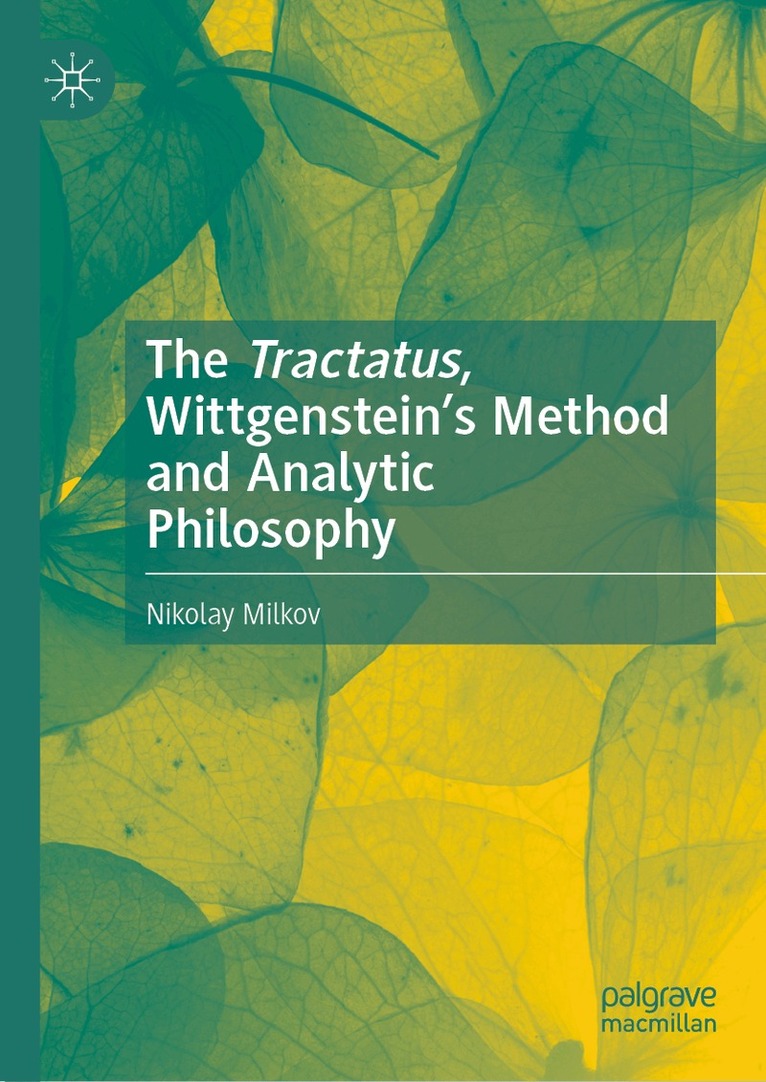
This book offers a new interpretation of Wittgenstein’s Tractatus and connects it with the early development of analytic philosophy in Cambridge and Jena.In this book, Wittgenstein’s method is presented as an epitome of analytic philosophy. It considers how Wittgenstein adopted and deepened the method of Moore and Russell and how he fused it with that of Frege. The book also explores the attempts to adopt Wittgenstein’s method by the Vienna Circle, the Cambridge school of therapeutic analysis, and the Oxford school of ordinary language philosophy, as well as how it relates to some leading figures in the history of philosophy including Kant and Spinoza.The Tractatus, Wittgenstein’s Method and Analytic Philosophy is essential reading for all scholars, researchers and advanced students of the thought of Ludwig Wittgenstein and of the history of analytic philosophy.
1 370 kr
Skickas inom 5-8 vardagar
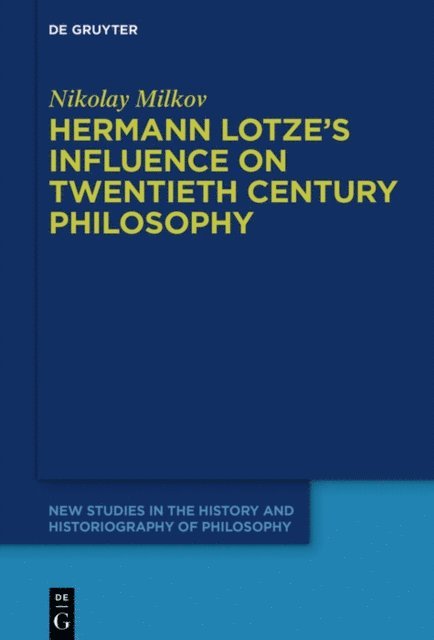
Hermann Lotze was a key figure in the philosophy of the second half of the 19th century, influencing practically all leading philosophical schools of the late 19th and the early 20th century: (i) the neo-Kantians; (ii) Brentano and his school of descriptive psychology; (iii) the British idealists; (iv) Husserl’s phenomenology; (v) Dilthey’s philosophy of life; (vi) Frege’s new logic; (vii) the early Cambridge analytic philosophy; (viii) William James’s pragmatism. The book first presents the main ideas of Hermann Lotze’s philosophy (Part I), and then traces his influence on the descriptive psychology of Franz Brentano and Carl Stumpf (Part 2) and Cambridge analytic philosophy (Part 3). In addition, the book includes Bertrand Russell’s conspectus of J. E. McTaggart’s 1898 lectures on Lotze.
Del 12 - New Studies in the History and Historiography of Philosophy
Hermann Lotze's Influence on Twentieth Century Philosophy
Häftad, Engelska, 2024
242 kr
Skickas inom 3-6 vardagar
Hermann Lotze was a key figure in the philosophy of the second half of the 19th century, influencing practically all leading philosophical schools of the late 19th and the early 20th century: (i) the neo-Kantians; (ii) Brentano and his school of descriptive psychology; (iii) the British idealists; (iv) Husserl’s phenomenology; (v) Dilthey’s philosophy of life; (vi) Frege’s new logic; (vii) the early Cambridge analytic philosophy; (viii) William James’s pragmatism. The book first presents the main ideas of Hermann Lotze’s philosophy (Part I), and then traces his influence on the descriptive psychology of Franz Brentano and Carl Stumpf (Part 2) and Cambridge analytic philosophy (Part 3). In addition, the book includes Bertrand Russell’s conspectus of J. E. McTaggart’s 1898 lectures on Lotze.
649 kr
Skickas inom 10-15 vardagar
Originaltext mit philosophischen sowie historischen Kommentaren von Nikolay MilkovAls habilitierter Mediziner und Philosoph hat Rudolph Hermann Lotze durch seinen interdisziplinären Ansatz die Entwicklung der Psychologie im 19. Jahrhundert wie kein anderer geprägt. Im Unterschied zu anderen Wissenschaftlern der Zeit hat Lotze die neue Disziplin konsequent in enger Verbindung mit der Philosophie betrachtet, wie besonders in Medicinische Psychologie oder Physiologie der Seele (1852) deutlich wird. Dies bedeutete seine bewusste Abkehr von der Herangehensweise, die Psychologie ganz über experimentelle Untersuchungen und damit die Empirie zu definieren.Lotze scheute sich jedoch, diese entstehende Disziplin „philosophische Psychologie“ zu nennen, für ihn war sie nur physiologische Psychologie, herausgearbeitet mit Hilfe der Philosophie: Sie stellt Tatsachen fest und untersucht, wie Körper und Seele sich zueinander verhalten, tut dies jedoch nicht nur empirisch, sondern auch „metaphysisch“. In diesem Band wird Lotzes Originaltext untersucht, kommentiert und eingebettet in den soziokulturellen Hintergrund der Entstehungszeit, um einen tiefen, aber verständlichen Einblick in diesen Bereich der Psychologie zu geben.
Del 273 - Boston Studies in the Philosophy and History of Science
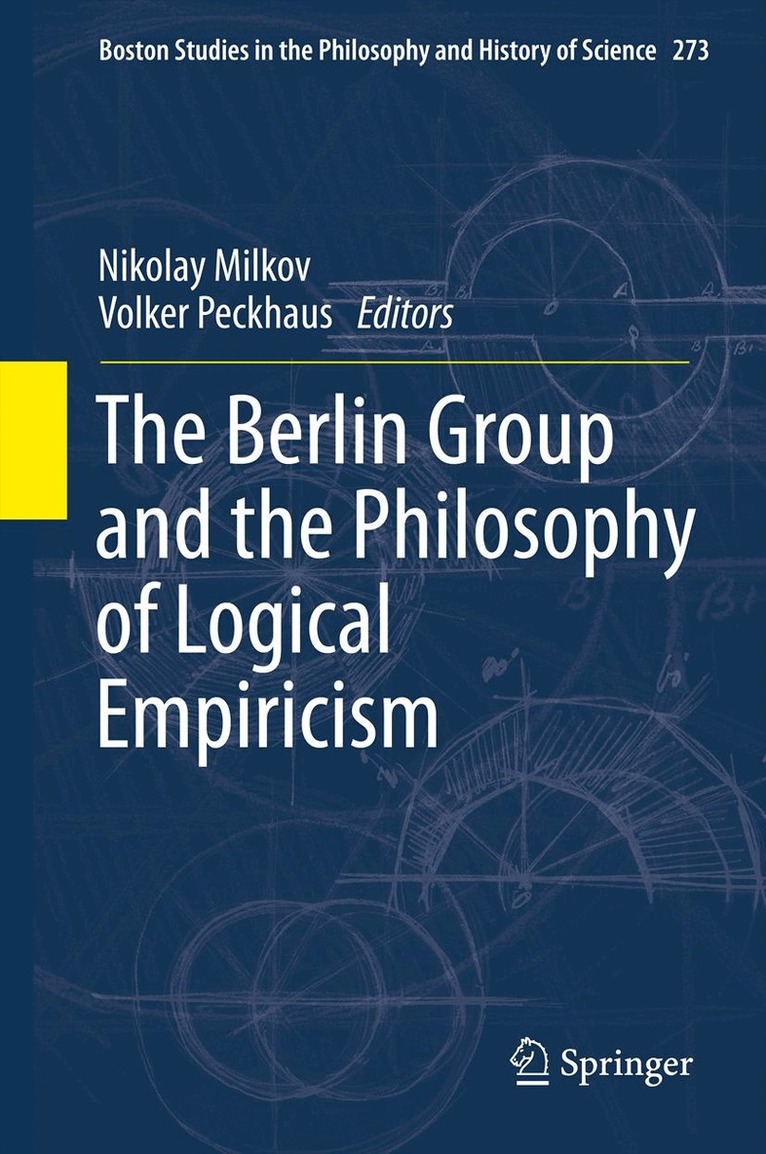
Berlin Group and the Philosophy of Logical Empiricism
Inbunden, Engelska, 2013
1 064 kr
Skickas inom 10-15 vardagar
The Berlin Group for scientific philosophy was active between 1928 and 1933 and was closely related to the Vienna Circle. In 1930, the leaders of the two Groups, Hans Reichenbach and Rudolf Carnap, launched the journal Erkenntnis. However, between the Berlin Group and the Vienna Circle, there was not only close relatedness but also significant difference. Above all, while the Berlin Group explored philosophical problems of the actual practice of science, the Vienna Circle, closely following Wittgenstein, was more interested in problems of the language of science. The book includes first discussion ever (in three chapters) on Walter Dubislav’s logic and philosophy. Two chapters are devoted to another author scarcely explored in English, Kurt Grelling, and another one to Paul Oppenheim who became an important figure in the philosophy of science in the USA in the 1940s–1960s. Finally, the book discusses the precursor of the Nord-German tradition of scientific philosophy, Jacob Friedrich Fries.
Del 273 - Boston Studies in the Philosophy and History of Science
Berlin Group and the Philosophy of Logical Empiricism
Häftad, Engelska, 2015
1 064 kr
Skickas inom 10-15 vardagar
The Berlin Group for scientific philosophy was active between 1928 and 1933 and was closely related to the Vienna Circle. In 1930, the leaders of the two Groups, Hans Reichenbach and Rudolf Carnap, launched the journal Erkenntnis. However, between the Berlin Group and the Vienna Circle, there was not only close relatedness but also significant difference. Above all, while the Berlin Group explored philosophical problems of the actual practice of science, the Vienna Circle, closely following Wittgenstein, was more interested in problems of the language of science. The book includes first discussion ever (in three chapters) on Walter Dubislav’s logic and philosophy. Two chapters are devoted to another author scarcely explored in English, Kurt Grelling, and another one to Paul Oppenheim who became an important figure in the philosophy of science in the USA in the 1940s–1960s. Finally, the book discusses the precursor of the Nord-German tradition of scientific philosophy, Jacob Friedrich Fries.